Key Takeaways:
Understanding the crucial role of bees in our ecosystem is essential for their conservation.
Recognizing threats to bee populations helps us take informed actions to protect them.
Identifying and monitoring key bee habitat areas can make a significant difference.
Simple tools and techniques can enable effective tracking of bee activity.
Engaging in bee habitat preservation can be a rewarding experience for individuals and communities alike.
Bee Habitat Essentials: Why Monitoring Matters

“Holding Bees. Artist Signed Print …” from www.etsy.com and used with no modifications.
Monitoring bee habitats provides us with data to understand their needs and the challenges they face. It’s a way to connect with nature and contribute to conservation efforts that can lead to meaningful change.
Bees are more than just a buzzing presence in our gardens; they are vital pollinators that play a crucial role in our ecosystem. They facilitate the reproduction of many plants, ensuring we have plenty of fruits, vegetables, and nuts on our plates. But their populations are in peril, and without our help, the consequences could be dire not only for bees but for the entire planet.
The Role of Bees in our Ecosystem
Let’s dive deeper into why bees are so important. They are pollinators, which means they help plants to reproduce by transferring pollen from one flower to another. This might seem like a small task, but it has huge implications. In fact, a large portion of the plants we rely on for food depend on pollinators like bees. Without them, our diets and the natural world would look drastically different.
Bees also support the growth of trees, shrubs, and flowers which serve as food and shelter for other creatures. Their role is so significant that the survival of many species, including our own, is deeply intertwined with the health of bee populations.
Threats to Bee Populations

Unfortunately, bees are facing numerous threats. Habitat loss, pesticides, climate change, and diseases are all taking a toll on their numbers. The loss of floral abundance and diversity, due to changes in land use, reduces the availability of the resources bees need to thrive. Pesticides can be toxic to bees, and even sub-lethal doses can affect their ability to navigate and reproduce. Climate change also alters the timing of flower blooming, which can lead to mismatches between when flowers produce pollen and when bees are ready to feed on it.
These threats are not just hypothetical; they are real and happening now. That’s why monitoring bee habitats is not just important—it’s urgent.
Starting Your Bee Monitoring Adventure
If you’re ready to take a stand for bees, starting your own bee monitoring adventure is a fantastic way to contribute to their preservation. It’s an activity that can be done by anyone, anywhere, and it can have a profound impact.
But where do you begin? The first step is identifying key bee habitat areas that need monitoring. These could be wildflower meadows, community gardens, or even your own backyard. The idea is to find places where bees are likely to visit and where you can observe them regularly.
Identifying Key Bee Habitat Areas
When looking for bee habitats to monitor, here’s what to keep an eye out for:
Areas with a diversity of flowering plants, particularly those that are native to your region.
Places that are free from pesticides and other chemicals that can harm bees.
Spaces that provide shelter from the elements and potential predators.

“Bees Flying around a Beekeeper · Free …” from www.pexels.com and used with no modifications.
Once you’ve identified a promising area, it’s time to get familiar with the tools you’ll need for tracking bees.
Essential Tools for Tracking Bees
Monitoring bees doesn’t require expensive equipment; a few basic tools will do the trick:
A notebook or mobile device to record your observations.
A camera or smartphone for taking photos of bees and their habitats.
Reference materials to help identify different bee species.
Binoculars, if you want to observe bees without getting too close and potentially disturbing them.

“Through Binoculars Images, Stock Photos …” from www.shutterstock.com and used with no modifications.
With these tools in hand, you’re well on your way to becoming a bee monitoring pro!
Understanding Bee Behavior
Before you start jotting down your observations, it’s crucial to have a basic understanding of bee behavior. Bees are attracted to flowers by their color, scent, and the promise of nectar and pollen. Each species has its preferences, and these preferences can change throughout the year. Bees are most active on warm, sunny days, and they tend to visit flowers in the morning when pollen is most abundant.
Watch for how they move from flower to flower – some species have a distinctive flight pattern or way of landing. Observe their interactions with the environment and other insects. These behaviors can give you clues about their health and the health of their habitat.
Recording Your Observations
Now that you’re familiar with bee behavior, it’s time to record what you see. Consistent and accurate records are the heart of bee habitat monitoring. Here’s what you should note down:
The date, time, and weather conditions during each observation session.
The types of bees you see, including color, size, and any distinctive markings.
The types of flowers the bees are visiting and their condition.
The number of bees you observe and their behavior.
Any potential threats to the habitat, such as nearby pesticide use or habitat destruction.
Photographs can be a helpful supplement to your notes, providing visual evidence and helping with later identification. Remember, the more detail you capture, the more valuable your data will be.
Decoding the Data: What Bee Activity Tells Us
After several observation sessions, patterns will begin to emerge from your data. You might notice certain flowers are more popular, or that bee activity peaks at particular times of day. These patterns are not random; they tell a story about the health and needs of the bee population in that habitat.

“For the Record: Garden Note-Taking Made …” from www.hortmag.com and used with no modifications.
Analyzing Bee Visitation Patterns
Visitation patterns can indicate the quality of the habitat. For instance, a high diversity of bee species and frequent visitation suggests a healthy environment with abundant resources. On the other hand, a decline in bee numbers or diversity could signal problems such as insufficient forage or the impact of pesticides.
By comparing your data over time, you can track changes in the bee community and the habitat’s condition. This information is invaluable for conservation efforts, as it can help identify areas that need protection or restoration.
Using Data to Support Habitat Protection
Your monitoring data is powerful. It can be used to:
Inform local conservation groups and policymakers about the status of bee populations.
Support efforts to create or maintain protected areas for bees.
Contribute to larger citizen science projects that track bee health on a regional or national scale.
Sharing your findings with the community can also inspire others to take action and can lead to collaborative efforts to safeguard bee habitats.
Most importantly, the data you collect contributes to a larger understanding of pollinators and their role in our ecosystem. It’s a vital piece of the puzzle in the fight to preserve these essential creatures.
Putting Knowledge into Action: Protecting Bee Habitats
Armed with knowledge and data, you’re now ready to take concrete steps to protect bee habitats. Whether you have a sprawling garden or a small balcony, there are actions you can take to make a difference.

“Bee-friendly gardening – bee-seeds.eu” from www.bee-seeds.eu and used with no modifications.
Creating a Bee-Friendly Garden
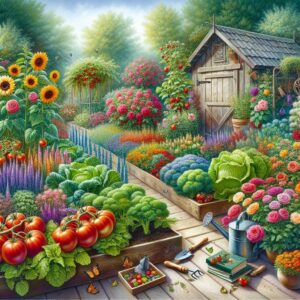
Transforming your green space into a haven for bees is easier than you might think. Start with these steps:
Plant a variety of flowers that bloom at different times of the year to provide a consistent food source for bees.
Choose native plants that are well-suited to your local climate and bee species.
Avoid using pesticides and herbicides, which can be harmful to bees.
Provide a source of water, like a shallow dish with pebbles or marbles for bees to land on.
Leave some areas of your garden untidy. Piles of leaves, dead wood, and bare patches of soil can all provide nesting sites for bees.
- By creating a bee-friendly garden, you’re not just providing a sanctuary for bees; you’re also helping to support a diverse range of plant and animal life.
Advocating for Local and Global Bee Protection
Besides that, advocacy is a powerful tool in the quest to protect bee habitats. Here’s how you can advocate for bees:
Educate others about the importance of bees and the challenges they face.
Support local bans on harmful pesticides and advocate for bee-friendly policies.
Participate in or organize community events focused on pollinator conservation.
Donate to or volunteer with organizations dedicated to protecting bees and their habitats.
Every action, no matter how small, contributes to the global effort to protect bees. By monitoring their habitats, recording your observations, and taking action, you can be part of the solution to preserve these vital pollinators for generations to come.
Now, let’s address some common questions that may arise as you embark on your bee habitat monitoring journey.
Can I monitor bees in an urban setting?
Absolutely! Urban environments often have a variety of flowering plants in parks, gardens, and balconies that attract bees. Rooftop and community gardens are also fantastic places to observe and support bee populations. Just like in rural areas, it’s important to choose a variety of plants that bloom throughout the seasons and to avoid using pesticides.
What time of day is best for observing bee activity?
Bees are typically most active during the warmer hours of the day. Early morning to mid-afternoon is prime time for bee watching, especially when the sun is out. Bees need the warmth to get moving, and flowers are more likely to open and produce nectar during these hours. However, different species may have different habits, so it’s worth observing at various times to see who’s visiting your garden.
For example, some bumblebees can be active on cooler or overcast days, which might not be the case for other bee species. Observing at different times and under various weather conditions will give you a more complete picture of the bee activity in your area.
One enthusiastic bee spotter noted, “I was amazed to see a bumblebee out and about on a cloudy day, visiting the lavender in my garden when I thought most bees would be tucked away.”
Understanding these patterns can help you provide better support for the bees that visit your area. For those interested in contributing to conservation efforts, consider learning more about pollinator monitoring procedures.
How can I attract more bees to my garden for monitoring?
Attracting bees to your garden is all about providing what they need: food, water, and shelter. Here’s how you can make your garden more bee-friendly:
Plant a variety of flowers: Bees love blue, purple, and yellow flowers. Include plants like lavender, sunflowers, and wildflowers that are rich in nectar and pollen.
Provide water: A shallow water source with stones or floating wood for bees to land on can be a lifesaver, especially in hot weather.
Avoid chemicals: Pesticides and herbicides can be harmful to bees. Opt for organic gardening practices instead.
Leave some wild patches: Undisturbed areas with leaf litter, dead wood, and bare soil offer great nesting sites for wild bees.
For instance, one gardener shared, “After planting a wildflower corner in my backyard, I’ve seen a noticeable increase in the number of bees visiting my garden.”
By following these steps, you can turn your garden into a buzzing hub of bee activity.
Are there mobile apps to help with bee habitat monitoring?
Yes, there are several mobile apps designed to assist with bee habitat monitoring. These apps often allow you to identify species, log your observations, and share data with scientists and other conservationists. Some popular options include iNaturalist, Bumble Bee Watch, and BeeSmart Pollinator Gardener. These tools can help you become a citizen scientist, contributing valuable data to bee conservation efforts.
Moreover, these apps often come with resources to help you learn more about bees and their habitats, making them a valuable tool for both beginners and experienced bee enthusiasts.
In conclusion, bee habitat monitoring is a fulfilling and impactful activity that anyone can participate in. By observing and recording bee activity, you’re contributing to a greater understanding of bee health and helping to inform conservation efforts. Whether you’re planting a bee-friendly garden, advocating for policy changes, or simply spreading the word about the importance of bees, every action counts. Remember, protecting bees isn’t just about saving a single species – it’s about preserving the balance of our entire ecosystem. So grab your notebook and camera, and let’s get buzzing for the bees!



Leave a Reply