
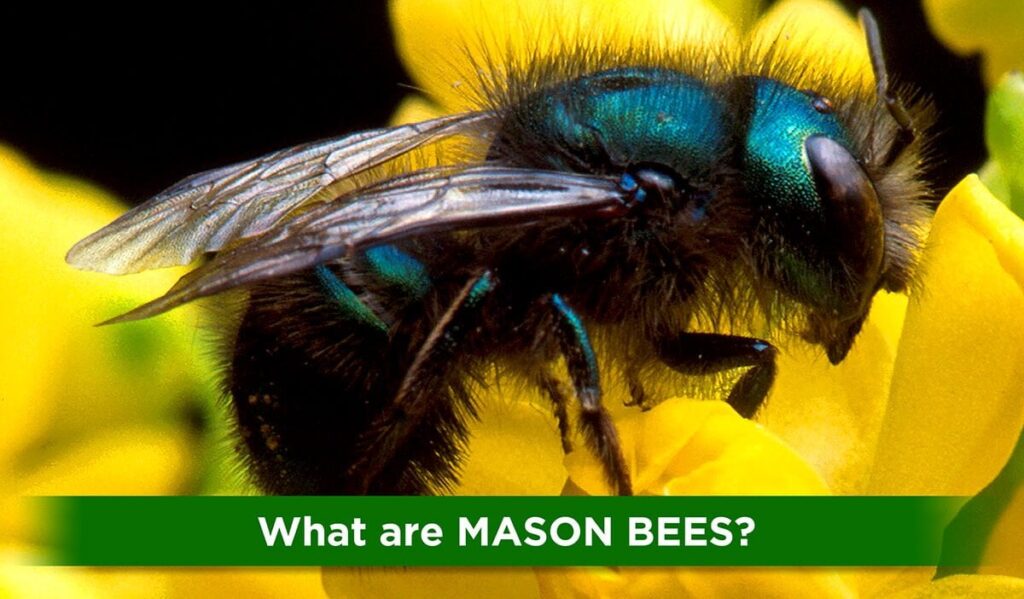
“GETTING TO KNOW MASON BEES – Organic …” from organiccontrol.com
Key Takeaways
Mason bees are exceptional pollinators, especially for fruit trees.
Creating a habitat for mason bees involves providing nesting sites, mud, and a variety of plants.
Understanding mason bee behavior is key to attracting them and enhancing garden productivity.
Spring flowering plants and a continuous bloom through the season support mason bee activity.
Proper care and maintenance of mason bee habitats can lead to a thriving garden ecosystem.
Unlock the Potential of Your Garden with Mason Bees
Imagine your garden bustling with the gentle hum of bees, each flower getting its fair share of attention from these tireless workers. This isn’t just a dream; with mason bees, it can be your reality. Mason bees, known for their incredible pollinating abilities, can give your garden the boost it needs. These bees are non-aggressive, making them perfect for family gardens and urban spaces alike.
Let’s dive into how you can turn your garden into a haven for these beneficial insects, ensuring a season full of lush blooms and bountiful harvests.
Create a Bee-Friendly Environment
First things first, to attract mason bees, you need to create an inviting environment for them. This means thinking about what these bees need most: food, shelter, and clay for nesting. Here’s how you can meet these needs:
Plant a variety of flowers: Mason bees are more likely to visit your garden if there’s a diverse buffet of flowers to feed on. Choose plants that bloom at different times to provide a steady source of nectar and pollen.
Provide nesting sites: You can use pre-made bee houses or simply leave hollow stems and wood blocks with holes around your garden.
Keep a source of clay-rich mud nearby: Mason bees use mud to construct their nests, so a patch of moist soil can be very attractive to them.
Remember, the goal is to mimic the natural habitat of mason bees as closely as possible to encourage them to take up residence in your garden.
Understanding Mason Bee Behavior

“mason bees? Osmia spp …” from bugoftheweek.com
Mason bees have a few quirks that set them apart from other pollinators. They don’t live in hives like honeybees. Instead, they nest in tubes, holes in wood, or even snail shells. Each female mason bee works alone to collect pollen and nectar, lay her eggs, and seal them up with mud. This solitary nature means they’re less likely to sting, as they don’t have a hive to defend. For those interested in promoting these beneficial insects, understanding the habitat preparation for mason bees is essential.
These bees are also early risers. They start their work in the cool hours of the spring morning, which is why they’re so valuable in pollinating early-blooming plants. Most importantly, mason bees are incredibly efficient at cross-pollination because they carry pollen dry on their underbellies, transferring it effectively from flower to flower.
Mason Bee Lifecycle and Its Impact on Your Garden
Understanding the lifecycle of mason bees is crucial for maximizing their pollination potential. These bees emerge in early spring, with females immediately seeking out suitable nesting sites after mating. They fill these nests with pollen and nectar, lay their eggs, and seal them with mud. The lifecycle from egg to adult spans about a year, with new adults emerging the following spring to start the cycle anew. For more information on how to prepare for their arrival, check out our spring mason bee habitat preparation checklist.
Seasonal Activities and Pollination Peaks
The peak activity for mason bees occurs in spring when temperatures start to rise. This is when you’ll see females busily foraging for pollen and nectar to provision their nests. They are most active between 55 and 80 degrees Fahrenheit, and their presence in your garden can lead to significantly improved fruit set and overall plant health. The key is to ensure that during this crucial time, your garden is prepared to meet their needs.
Post-Season Care for Bee Populations
After the spring frenzy, mason bees enter a dormant phase. Post-season care involves protecting the sealed nests from predators and harsh weather. This might mean moving the nests to a sheltered location or adding a protective cover. Come fall, it’s wise to clean out the nesting materials to prevent the spread of parasites and diseases, ensuring a healthy bee population for the next season.
Common Mistakes to Avoid with Mason Bees

One of the common mistakes gardeners make is not providing enough diversity in their gardens. While mason bees are not as picky as some pollinators, they still require a range of plants to thrive. Another misstep is neglecting the nesting sites, either by not providing enough options or by not maintaining the ones you have. It’s important to regularly check and clean these areas to keep your bee population healthy and active.
Additionally, some gardeners may use pesticides without realizing the harm they can cause to beneficial insects like mason bees. Always opt for organic methods of pest control, or better yet, let the natural predators in your garden do the work for you.
Overcrowding Bee Habitats
While it might be tempting to pack as many bee houses into your garden as possible, overcrowding can lead to increased competition for resources and spread of disease. It’s essential to space out habitats and provide enough foraging material to support the bees you attract.
Example: If you place too many bee houses close together without enough flowering plants, you might find fewer bees occupying the nests. This is because mason bees need ample foraging territory and may move on if competition is too high.
It’s all about balance – too few nests and you won’t attract many bees; too many and you could create a stressful environment for them.
Mismanagement of Resources
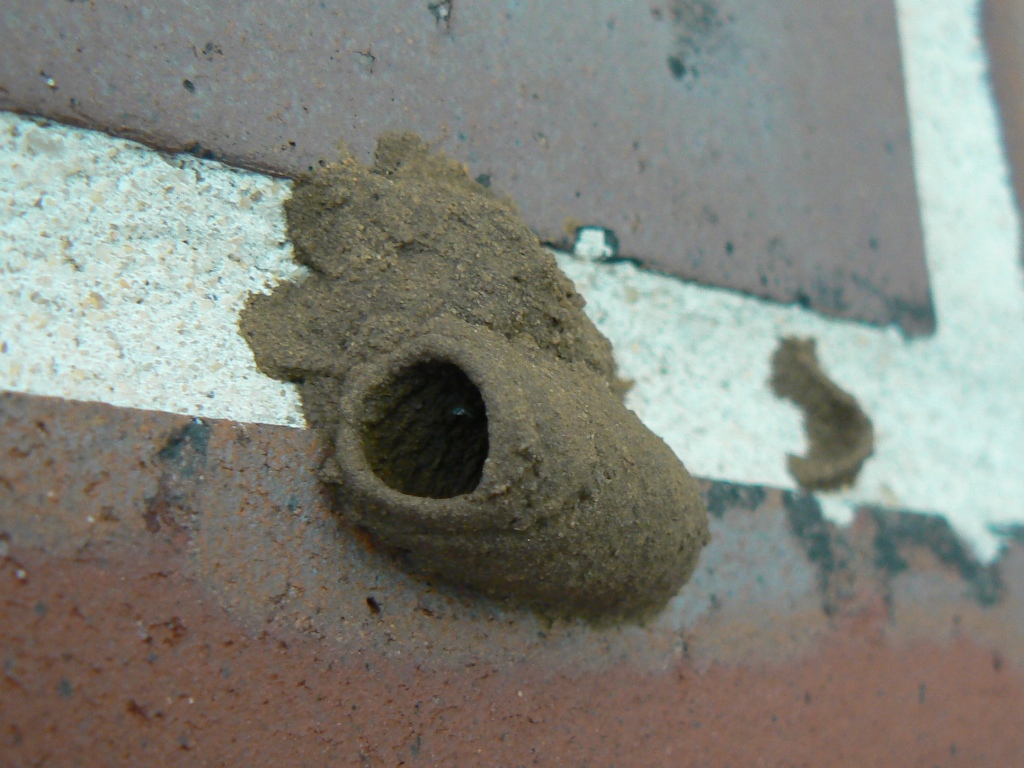
“File:Mud dauber nest.jpg – Wikimedia …” from commons.wikimedia.org
Bees need more than just flowers – they require mud for nest-building and water for hydration. Neglecting these resources can deter bees from settling in your garden.
Ensure that there’s a patch of clay-rich soil that stays moist, and consider adding a shallow water source with stones or floating wood for bees to land on. These simple additions can make a world of difference in attracting and retaining mason bees.
Keep a consistent mud source available, especially in dry weather.
Provide a shallow water dish or birdbath with landing spots to prevent drowning.
Avoid using pesticides and chemicals near the bee nesting sites.
Boosting Cross-Pollination Efficiency
To boost cross-pollination efficiency, it’s crucial to plant a variety of flowers that bloom sequentially throughout the spring and into early summer. This provides a constant source of food for mason bees and ensures that your garden benefits from their pollination over an extended period.
Example: Planting early bloomers like crocuses, followed by mid-spring flowers such as lilacs, and ending with late spring blossoms like foxgloves can create a pollination chain that keeps mason bees busy and your garden vibrant.
Additionally, clustering plants together can help mason bees conserve energy as they move from flower to flower, increasing the likelihood of cross-pollination.
Strategic Flower Planting for Optimal Bee Travel
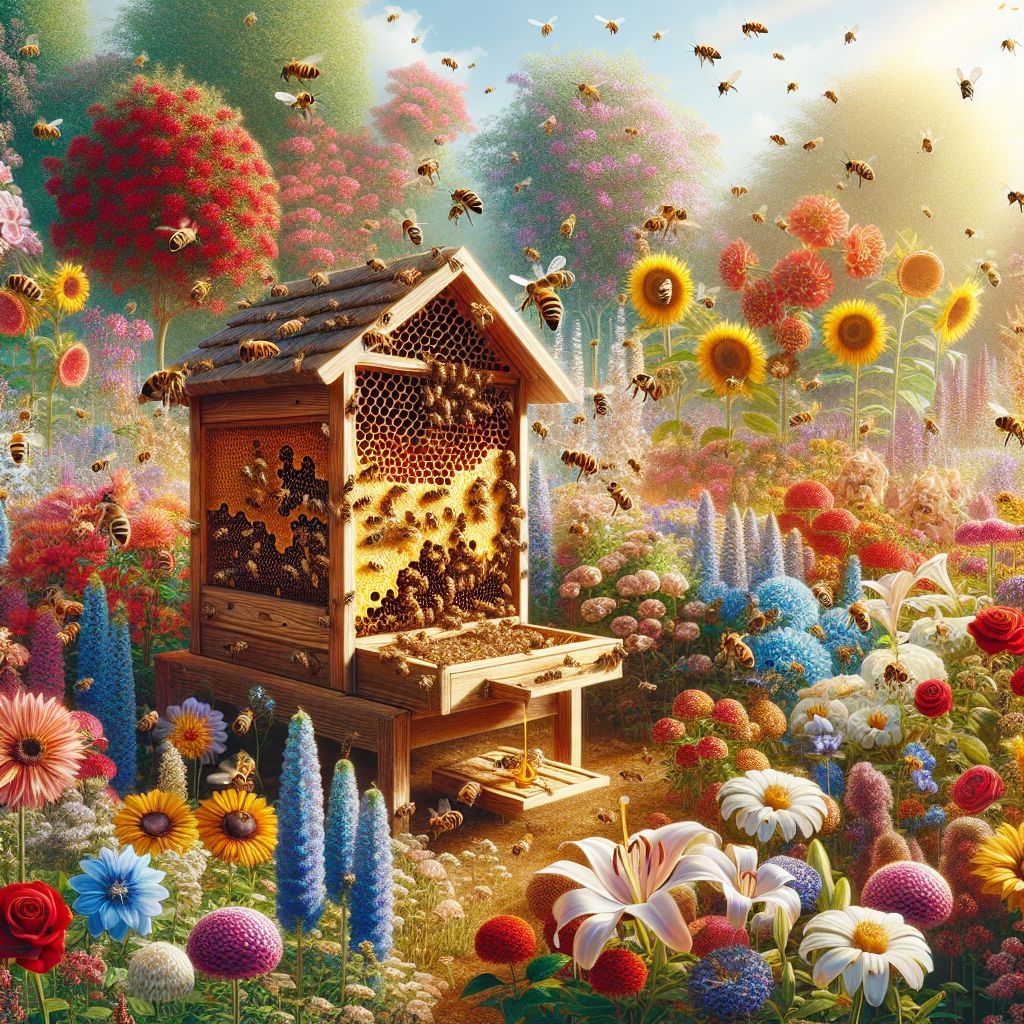
When planning your garden, consider the flight patterns of mason bees. These bees have a limited range, typically foraging within a few hundred feet of their nest. By strategically planting flowers in close proximity to the bee houses, you can facilitate easier travel for the bees, leading to more efficient pollination.
Remember, the closer the food source to the nesting site, the less energy bees expend on travel, and the more time they can spend pollinating. It’s a simple yet effective strategy to enhance the productivity of your garden.
Maintaining diversity in your garden not only creates a visually appealing space but also supports a healthy ecosystem. Diverse plantings attract a wider range of pollinators and beneficial insects, which can help control pests and improve soil health. When it comes to mason bees, variety is key – a mix of plant species ensures a steady supply of pollen and nectar throughout their active period. For more insights on supporting these vital pollinators, explore the best insect and bee house designs for garden ecosystems.
Consider planting native species, as these are often well-suited to the local climate and soil conditions, and they provide the best nutrition for native bees. Interspersing flowering plants among your fruits and vegetables can also increase cross-pollination opportunities, leading to better yields.
Remember, a garden rich in different plant types not only supports mason bees but also contributes to the overall health of your local environment. By fostering biodiversity, you’re playing a part in sustaining the natural balance of your area.
For example, a garden with a mix of fruit trees, wildflowers, and shrubs is more likely to attract and sustain a healthy population of mason bees than a garden with a single type of plant.
FAQ
Now, let’s address some frequently asked questions to help you further understand how to make your garden a paradise for mason bees and ensure successful cross-pollination.
How do I attract mason bees to my garden?
To attract mason bees, you need to provide the essentials: a variety of flowering plants for food, nesting sites for shelter, and a source of mud for nest-building. Additionally, avoid using pesticides, as these can harm mason bees and other beneficial insects.
What flowers are best for mason bee pollination?
Mason bees are particularly effective at pollinating fruit trees like apples, cherries, and plums. They also favor early spring flowers such as crocuses and bluebells. Plant a range of species that bloom at different times to keep mason bees fed throughout the season.
How can I tell if cross-pollination is successful?
One sign of successful cross-pollination is an increase in fruit set – the number of flowers that develop into fruit. You might also notice more vigorous plant growth and a higher yield of vegetables and fruits in your garden.
When is the best time to set up a mason bee habitat?
The best time to set up a mason bee habitat is in the fall or late winter, before the bees emerge in early spring. This gives you time to prepare nesting sites and ensure that early blooming plants are ready to provide food as soon as the bees become active.
How do I maintain a mason bee habitat during winter?
During winter, protect your mason bee nests from extreme cold and moisture by moving them to a sheltered location, such as a garage or shed. Clean the nesting materials in the fall to prevent disease and ensure that the bees have a healthy environment to return to in the spring.
With these tips and a bit of planning, you can create a thriving garden ecosystem that supports mason bees and enhances your garden’s productivity. Happy gardening!
Cross-pollination is essential for the success of mason bees in small gardens, as it ensures genetic diversity and improves the yield of fruit and vegetable crops. By understanding and implementing specific techniques, gardeners can attract these beneficial pollinators and enhance their garden’s productivity.



Leave a Reply