
Key Takeaways
Urban beekeeping supports declining bee populations by providing safe habitats.
Bees are essential for pollinating urban gardens, increasing biodiversity.
Top bar hives are ideal for urban areas due to their compact size and ease of management.
Proper hive maintenance is crucial for healthy bees and abundant honey production.
Creating bee-friendly gardens and water sources enhances the urban environment for bees.
A Quick Guide to Urban Beekeeping
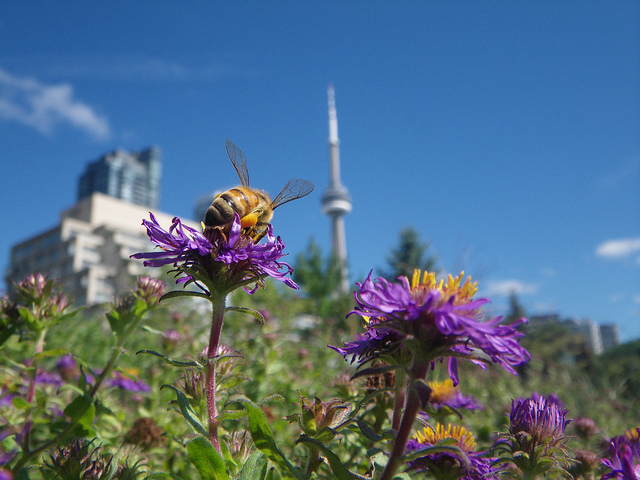
“File:Honey bee in Toronto.jpg …” from commons.wikimedia.org
Urban beekeeping is a rewarding way to contribute to the environment while enjoying the benefits of locally-produced honey. It involves keeping bee colonies in cities, providing a crucial boost to declining bee populations. Let’s dive into why urban beekeeping is essential and how you can get started.
Benefits of Keeping Bees in Urban Areas
Urban beekeeping offers numerous benefits that extend beyond honey production. By keeping bees in the city, you can play a significant role in enhancing urban biodiversity and supporting local ecosystems.
Why Urban Beekeeping is Important
Supporting Declining Bee Populations
The decline in bee populations is a global concern. Pesticides, habitat loss, and diseases have significantly reduced bee numbers. Urban beekeeping provides a sanctuary for bees, helping to reverse this trend.
“Urban beekeeping provides an opportunity to help reverse the decline of bee populations.” – Derrick Urban Beekeeping
Promoting Biodiversity
Bees are essential pollinators that help food crops and floral plants reproduce. By keeping bees in urban areas, we can promote biodiversity and create green spaces that both bees and humans can enjoy. Urban gardens, parks, and other green spaces benefit greatly from the presence of bees.
Producing Local Honey
Besides supporting the environment, urban beekeeping allows you to harvest your own local honey. This honey is not only delicious but also carries the unique flavors of your city’s flora. Local honey can also offer health benefits, such as helping with allergies.
Top Bar Hive Tips for Successful Beekeeping
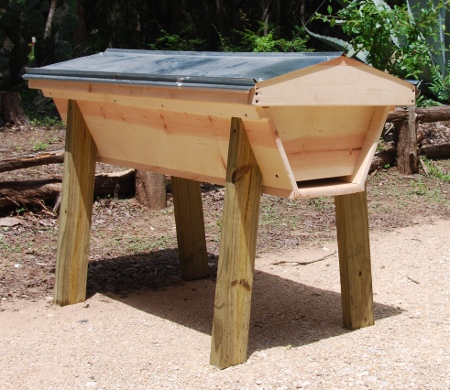
“An Introduction to the Top Bar Hive …” from www.sustainlife.org
Choosing the Right Location
Location is critical for the success of your top bar hive. Here are some tips to help you choose the best spot:
Sunlight: Ensure the hive gets plenty of morning sunlight to keep the bees active and healthy.
Wind Protection: Place the hive in a spot that is sheltered from strong winds.
Accessibility: Make sure you can easily access the hive for regular maintenance and honey harvesting.
Most importantly, check with your local government to ensure that keeping bees is legal in your area. Some cities have specific regulations or restrictions around urban beekeeping.
Setting Up Your Hive
Setting up your top bar hive properly is crucial for the health and productivity of your bees. Begin by assembling the hive according to the manufacturer’s instructions. Ensure that all parts fit snugly together to prevent any gaps that might allow pests or the weather to harm your bees.
Next, position your hive on a sturdy, level surface. This could be a stand, a bench, or directly on the ground. The hive should be slightly tilted forward to allow rainwater to drain out. Secure the hive to prevent it from tipping over in strong winds.
Finally, introduce your bees to their new home. This is usually done by purchasing a package of bees or a nucleus colony (nuc) from a reputable supplier. Carefully follow the instructions for transferring the bees into the hive to ensure a smooth transition. For more details, check out this safety guide on introducing bees.
Maintaining the Hive
Maintaining your top bar hive is essential to keep your bees healthy and productive. Regular inspections will help you monitor the health of your colony and address any issues promptly.
During inspections, look for signs of disease, pests, and the overall activity of the bees. Check for the presence of the queen, brood (eggs, larvae, and pupae), and adequate food stores. If you notice any problems, take immediate action to resolve them.
Feeding: In times of scarcity, provide your bees with supplemental feeding, such as sugar syrup or pollen patties.
Ventilation: Ensure proper ventilation to prevent moisture buildup, which can lead to mold and other issues.
Cleaning: Regularly clean the hive entrance and remove any debris or dead bees.
Most importantly, maintain a calm and gentle demeanor during inspections to avoid stressing the bees. Use a smoker to calm the bees if necessary.
Harvesting Honey
Harvesting honey from a top bar hive is a straightforward process. Wait until the bees have filled several combs with capped honey, indicating that it is ready for harvest.
Begin by gently removing the combs filled with honey. Use a bee brush or a gentle shake to remove the bees from the comb. Be careful not to damage the comb or disturb the bees too much.
Once you have removed the combs, cut the honeycomb into manageable pieces and place them in a container. You can enjoy the honey directly from the comb or use a strainer to separate the honey from the wax. For more tips on urban beekeeping, check out this guide.
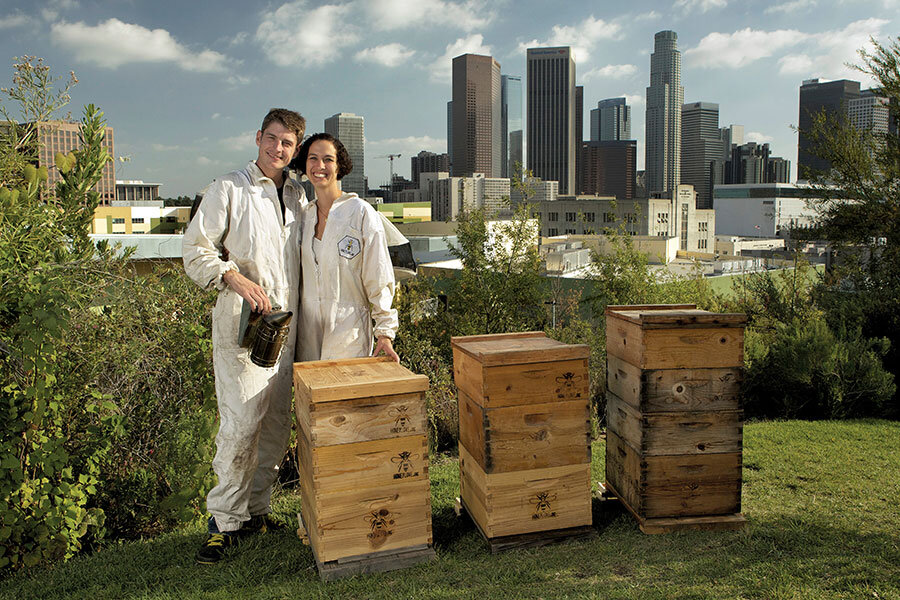
“Chelsea and Rob McFarland lure people …” from www.csmonitor.com
Eco-Warrior Guides for Urban Beekeepers
As an urban beekeeper, you can take additional steps to support the environment and create a bee-friendly urban space. These eco-warrior guides will help you make a positive impact on your local ecosystem.
Create Bee-Friendly Gardens
Planting a variety of flowers and plants that provide nectar and pollen is a great way to support your bees. Choose native plants that thrive in your local climate and bloom at different times of the year to ensure a continuous food supply for your bees. For more tips, check out this guide on introducing mason bees to urban gardens.
Besides that, avoid using pesticides and herbicides in your garden, as these chemicals can harm bees and other beneficial insects. Instead, opt for natural pest control methods and organic gardening practices.
Water Sources for Bees
Bees need access to clean water for drinking and cooling the hive. Provide a shallow water source, such as a birdbath or a dish with pebbles, to prevent bees from drowning. Refill the water regularly to keep it fresh and clean.
Managing Pests Naturally
Pests can pose a significant threat to your bees, but you can manage them using natural methods. For example, use essential oils like thyme and tea tree to repel pests such as Varroa mites. Introduce beneficial insects, like ladybugs, to control aphids and other garden pests.
Regular hive inspections and maintaining a clean environment will also help prevent pest infestations. If you encounter a severe pest problem, seek advice from experienced beekeepers or local beekeeping associations. For instance, you can learn about organic mason bee pest control to thrive with eco-friendly solutions.
Final Thoughts on Urban Beekeeping
Urban beekeeping is a fulfilling and impactful way to support the environment and enjoy the benefits of fresh, local honey. By following these tips and best practices, you can ensure the health and productivity of your bees while contributing to urban biodiversity.
Remember, the key to successful urban beekeeping lies in proper hive setup, regular maintenance, and creating a bee-friendly environment. Stay informed and connected with the beekeeping community to continue learning and improving your beekeeping skills. For more tips, check out this weekly beekeeping maintenance checklist.
Encouraging Sustainable Practices
Urban beekeeping is more than just a hobby; it’s a way to promote sustainability and environmental stewardship. By keeping bees in the city, you can inspire others to adopt eco-friendly practices and contribute to a healthier urban ecosystem.
Encourage your community to plant bee-friendly gardens, reduce pesticide use, and support local beekeepers. Together, we can create a more sustainable and vibrant urban environment for both bees and humans to thrive.
Key Points to Remember
Here are the key points to keep in mind for successful urban beekeeping: make sure to understand the importance of neighbor integration in enhancing your beekeeping efforts.
Choose a suitable location for your hive with adequate sunlight, wind protection, and accessibility.
Regularly inspect and maintain your hive to ensure the health of your bees.
Harvest honey carefully and enjoy the fruits of your labor.
Create bee-friendly gardens and provide clean water sources for your bees.
Use natural methods to manage pests and protect your bees.
FAQs
What should I do if my bees become aggressive?
If your bees become aggressive, it’s important to stay calm. Aggression can be caused by various factors, such as weather changes, predators, or disturbances. Make sure to wear protective gear and use a smoker to calm the bees before approaching the hive. Check for any issues inside the hive, such as pests or diseases, and address them promptly. If aggression persists, seek advice from experienced beekeepers or local beekeeping associations.
How can I ensure my bees have enough food?
Ensuring your bees have enough food is crucial for their survival and productivity. During the active season, bees gather nectar and pollen from flowers. To support them, plant a variety of flowering plants that bloom throughout the year. In times of scarcity, provide supplemental feeding, such as sugar syrup or pollen patties. Regularly check the hive to ensure there are adequate food stores.
Is it legal to keep bees in all cities?
Urban beekeeping regulations vary by location. Some cities have specific rules and restrictions regarding beekeeping. Before starting your beekeeping project, check with your local government or beekeeping association to understand the legal requirements in your area. Ensure you comply with all regulations to avoid any legal issues.
What are the costs involved in starting an urban beekeeping project?
The costs of starting an urban beekeeping project can vary. Here are some typical expenses:
For a detailed guide on how to turn your urban apiary into profit, check out this comprehensive resource.
Top bar hive: $150-$300
Bees (package or nucleus colony): $100-$200
Protective gear (suit, gloves, veil): $50-$100
Tools (smoker, hive tool, brush): $30-$50
Supplemental feeding and maintenance supplies: $50-$100 per year
Overall, you can expect to spend around $400-$750 to get started with urban beekeeping. Ongoing costs for maintenance and supplies will vary based on your specific needs and the health of your hive.
How often should I check on my hive?
Regular hive inspections are essential for maintaining the health and productivity of your bees. During the active season (spring and summer), check your hive every 7-10 days. This allows you to monitor the queen’s activity, brood development, and food stores. In the fall and winter, inspections can be less frequent, about once a month, to ensure the hive is well-prepared for colder weather.
Remember to be gentle and calm during inspections to avoid stressing the bees. Use a smoker to calm them if necessary and always wear protective gear to prevent stings.
Urban beekeeping is a fantastic way to contribute to the environment, enjoy fresh honey, and connect with nature in the city. By following these tips and guidelines, you can become a successful urban beekeeper and make a positive impact on your local ecosystem. Happy beekeeping!



Leave a Reply