Key Takeaways
Cedar bee houses naturally repel certain pests, making them a durable and low-maintenance option.
Bamboo bee houses are eco-friendly, lightweight, and provide excellent natural ventilation.
Cedar is more durable but can be more expensive compared to bamboo.
Bamboo bee houses are cost-effective and easy to handle, making them ideal for beginners.
Both cedar and bamboo bee houses can attract beneficial pollinators, but their effectiveness may vary based on your local environment.
Comparing Cedar and Bamboo Bee Houses
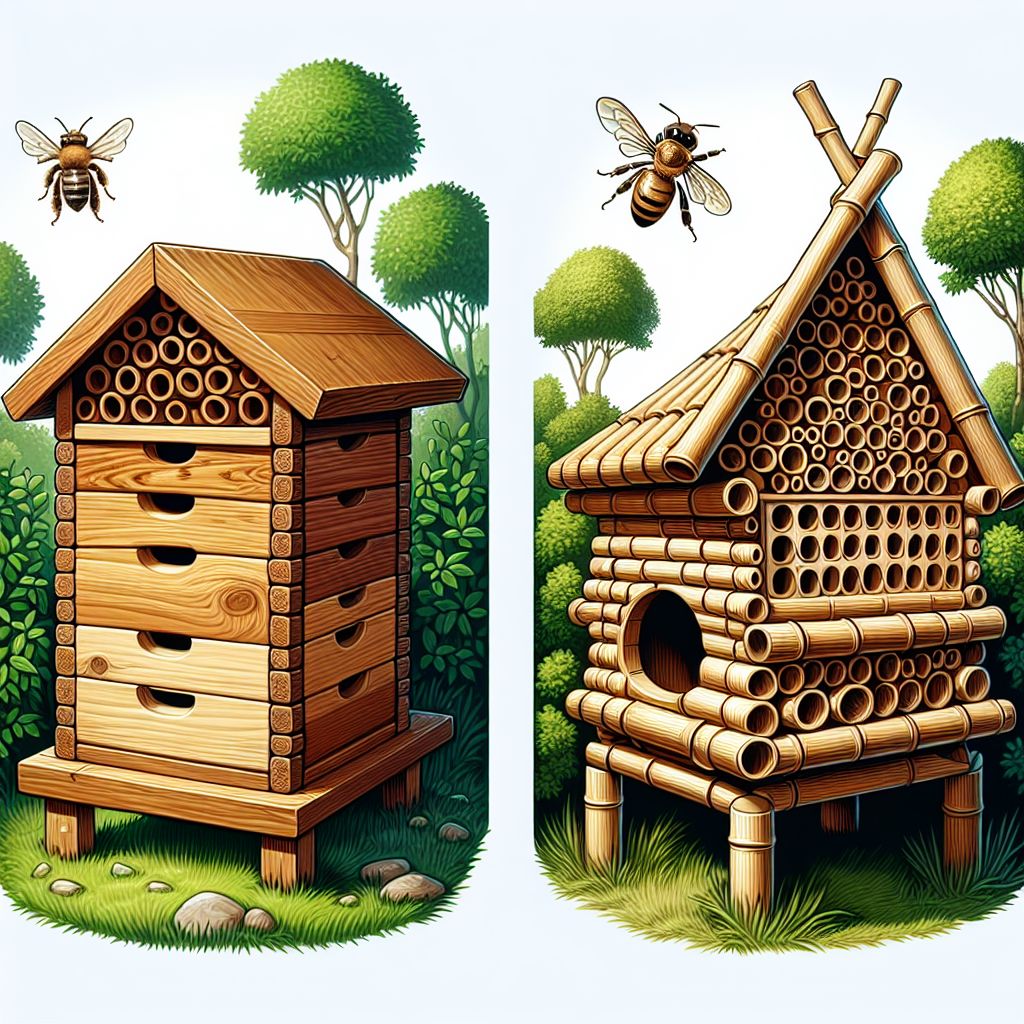
When it comes to creating a welcoming environment for bees, choosing the right material for your bee house is crucial. Cedar and bamboo are two popular options, each with its own unique benefits. Let’s dive into the key aspects of both to help you make an informed decision.
The Importance of Bee Houses
Bee houses play a crucial role in supporting the population of solitary bees, which are essential pollinators. By providing a safe habitat, you can help increase the number of these beneficial insects in your garden. For tips on attracting leafcutter bees to your bee house, check out this helpful guide.
Bee houses play a vital role in supporting local ecosystems by providing a safe habitat for solitary bees. Unlike honeybees, solitary bees do not live in colonies and therefore require individual nesting sites. Bee houses offer these essential nesting spaces, helping to boost pollination in your garden and surrounding areas.
Why Choose Cedar or Bamboo?
Choosing between cedar and bamboo for your bee house can be crucial for attracting and maintaining a healthy bee population. Cedar is known for its durability and natural resistance to rot and pests, making it a long-lasting option. On the other hand, bamboo is more eco-friendly and provides a natural habitat that many bees find attractive. To ensure the best results, it’s important to avoid common bee house placement mistakes and follow best practices.
Both cedar and bamboo are natural materials that blend well into garden settings. They offer different advantages that cater to various needs and preferences. By understanding the unique properties of each, you can select the best bee house to suit your environment and goals. For more information, check out this DIY cedar bee house guide.
Benefits and Features of Cedar Bee Houses
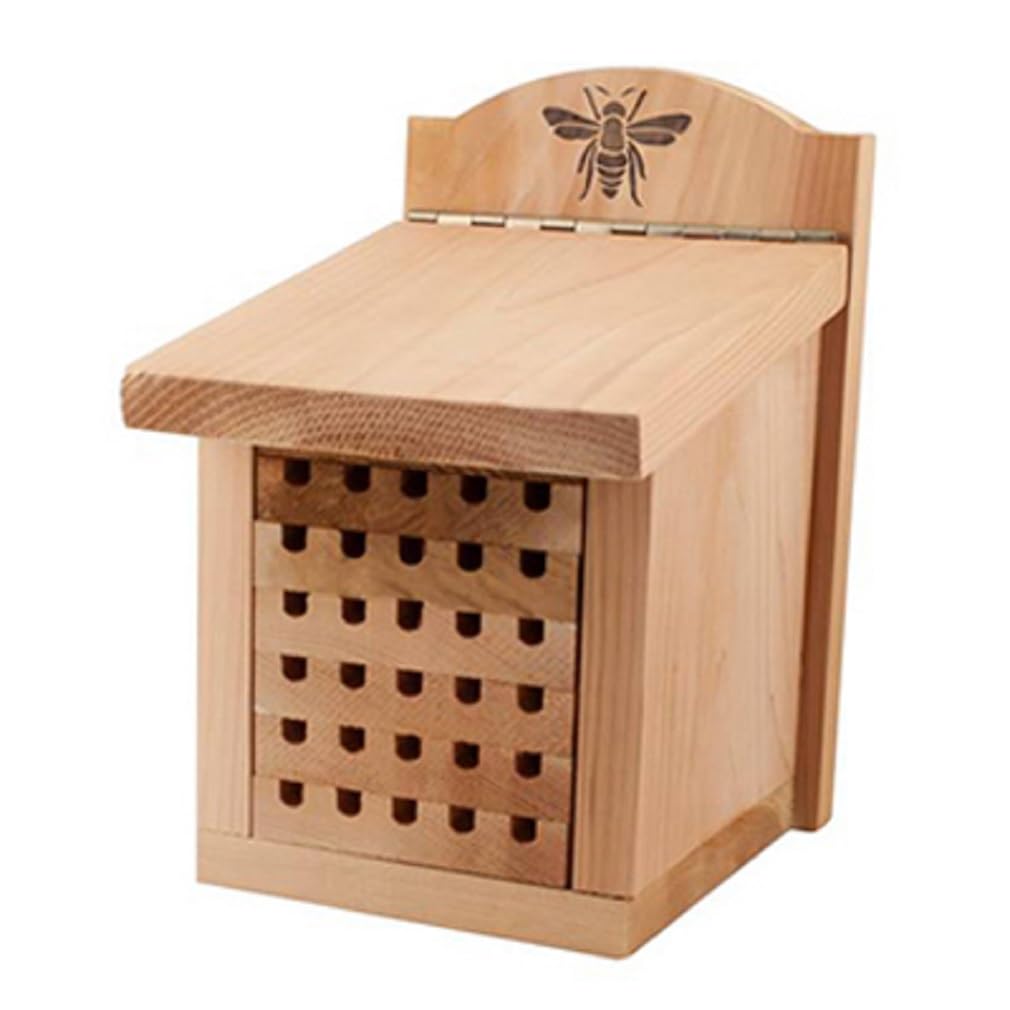
“Heavy Duty Cedar Mason Bee …”
Natural Repellents
Cedar wood contains natural oils that act as repellents to certain pests. This can be particularly beneficial in keeping your bee house free from unwanted insects like wax moths and small hive beetles. These natural repellents reduce the need for chemical treatments, making cedar a more sustainable option.
Durability and Longevity
Cedar is known for its durability. It can withstand various weather conditions, including rain, snow, and intense sunlight, without deteriorating quickly. This makes cedar bee houses a long-term investment. A well-maintained cedar bee house can last for many years, providing a stable environment for your bees. For those interested in crafting their own, here is a DIY cedar bee house guide with tips.
Construction and Design
When it comes to constructing and designing bee houses, it is crucial to consider the specific needs of different bee species. For instance, attracting leafcutter bees requires different materials and design elements compared to attracting mason bees. Proper ventilation, the right size of nesting holes, and the type of wood used are all important factors to ensure the bee house is both functional and inviting.
Most cedar bee houses are well-constructed and designed to provide optimal nesting conditions. They often feature multiple compartments and tubes that mimic the natural nesting sites of solitary bees. The design ensures proper ventilation and protection from the elements, making it easier for bees to thrive.
Aesthetics and Appearance
Besides their functional benefits, cedar bee houses are also aesthetically pleasing. The rich, warm tones of cedar wood can enhance the visual appeal of your garden. When treated with natural oils like tung oil, cedar bee houses can look like beautiful pieces of outdoor furniture, adding elegance to your garden space.
Benefits and Features of Bamboo Bee Houses
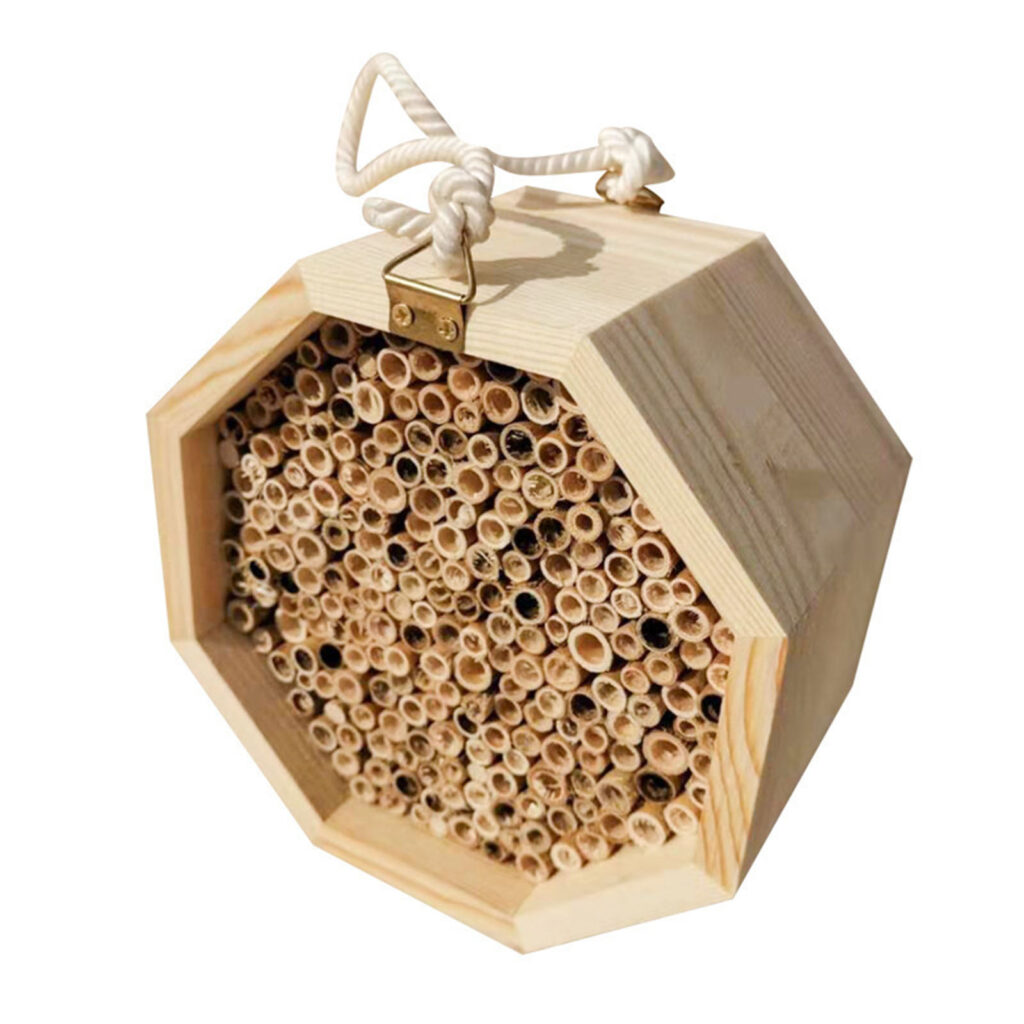
“GHOONEY Bee Hive Bamboo Tube Bee Hotel …”
Eco-Friendliness
When considering the eco-friendliness of bee houses, it’s important to choose materials that are sustainable and safe for bees. Both cedar and bamboo are popular choices, but they each have their own environmental impacts. For example, bamboo is a rapidly renewable resource, making it a highly sustainable option. On the other hand, cedar is naturally resistant to rot and pests, which can reduce the need for chemical treatments. To make an informed decision, you might want to learn about DIY cedar bee house tips and how they can benefit your garden.
Bamboo is a highly renewable resource, making bamboo bee houses an eco-friendly choice. Bamboo grows rapidly and requires fewer resources to cultivate compared to other woods. This sustainability makes bamboo an attractive option for environmentally conscious gardeners. For more tips on bee houses, check out these best bee house tips and methods.
“Bamboo is one of the fastest-growing plants on Earth, making it an excellent renewable resource for eco-friendly products.” – Environmental Protection Agency
Lightweight and Easy Handling
Bamboo bee houses are lightweight, making them easy to handle and install. This is particularly beneficial if you plan to move the bee house around your garden to find the best location. The lightweight nature of bamboo also makes it easier to mount on various surfaces, including trees, fences, and walls. For more tips on attracting mason bees, check out this guide.
Natural Ventilation
Bamboo bee houses provide excellent natural ventilation due to the hollow structure of bamboo tubes. This ensures that the bee house remains dry and free from mold, which is crucial for the health and safety of the bees. Proper ventilation also helps in maintaining an optimal temperature inside the bee house, making it more comfortable for the bees to nest.
Cost Efficiency
One of the standout features of bamboo bee houses is their cost efficiency. Bamboo is generally less expensive than cedar, making bamboo bee houses a budget-friendly option for those looking to attract solitary bees without breaking the bank. Additionally, the lower cost does not compromise the quality, as bamboo still provides a durable and effective nesting site for bees. For more insights, check out this discussion on cedar vs. other wood hives.
Cedar vs Bamboo: Side-by-Side Comparison
To make an informed decision, it’s helpful to compare cedar and bamboo bee houses side-by-side. Here’s a detailed comparison based on several key factors:
Durability
Cedar bee houses are known for their exceptional durability. The natural oils in cedar wood protect it from rot and insect damage, making it a long-lasting option. On the other hand, bamboo bee houses, while durable, may not last as long as cedar, especially in harsh weather conditions. However, with proper care, bamboo bee houses can still provide several years of service.
Sustainability
Both cedar and bamboo are sustainable materials, but bamboo has a slight edge in this category. Bamboo grows much faster than cedar and requires fewer resources to cultivate, making it a highly renewable resource. Cedar, while also sustainable, grows more slowly and requires more careful management to ensure it remains a renewable resource.
When considering sustainability, bamboo bee houses are often seen as the more eco-friendly choice.
Cedar: Slow-growing, requires careful management.
Bamboo: Fast-growing, highly renewable.
Maintenance Requirements
Maintaining a cedar bee house is relatively straightforward. The natural oils in cedar help protect it from the elements, but it’s still a good idea to apply a coat of natural oil, such as tung oil, every few years to keep it in top condition. Bamboo bee houses, on the other hand, may require more frequent inspections to ensure the bamboo tubes remain intact and free from mold.
Attractiveness to Bees
Both cedar and bamboo bee houses are effective at attracting solitary bees. However, some beekeepers report that bees seem to prefer the natural texture and structure of bamboo tubes. The hollow bamboo tubes closely mimic the natural nesting sites of many solitary bees, making them a popular choice. Cedar bee houses, with their well-constructed compartments, also provide excellent nesting conditions.
Ultimately, the attractiveness to bees may depend on your specific environment and the local bee population.
Cost Comparison
Cedar bee houses: Generally more expensive, ranging from $30 to $100.
Bamboo bee houses: More affordable, typically costing between $15 and $50.
While cedar bee houses come with a higher price tag, their durability and natural pest-repellent properties can justify the cost. Bamboo bee houses, being more budget-friendly, offer a great entry point for those new to beekeeping.
Best Models of Cedar Bee Houses
Now that we’ve compared cedar and bamboo bee houses, let’s take a look at some of the best models available in each category. Starting with cedar bee houses, here are a few top recommendations:
Wildlife World CST3 Bee House
The Wildlife World CST3 Bee House is a popular choice among beekeepers. Made from sustainably sourced cedar wood, this bee house features multiple compartments and tubes to accommodate various solitary bee species. Its sturdy construction and natural pest-repellent properties make it a durable and effective option.
Hexagonal Cedar Bee House by Bespoke & Bamboo Co.
This hexagonal cedar bee house from Bespoke & Bamboo Co. combines functionality with aesthetics. The unique hexagonal design not only looks great in any garden but also provides ample nesting space for solitary bees. The cedar wood construction ensures durability and longevity, making it a reliable choice for attracting bees.
Outdoorsman Cedar Log Cabin Bee House
The Outdoorsman Cedar Log Cabin Bee House is a fantastic choice for those looking to attract and support local bee populations. For best results, make sure to avoid common bee house placement mistakes to ensure a thriving bee environment.
The Outdoorsman Cedar Log Cabin Bee House offers a rustic charm with its log cabin design. This bee house is constructed from high-quality cedar logs, providing a sturdy and weather-resistant home for solitary bees. Its unique design adds a touch of character to your garden while serving as an effective nesting site.
Best Models of Bamboo Bee Houses
Wildlife World BBO1 Bee House
The Wildlife World BBO1 Bee House is an excellent bamboo option for solitary bees. It features a variety of bamboo tubes of different diameters, catering to different bee species. The natural bamboo construction ensures good ventilation and a comfortable nesting environment. Its compact size makes it easy to place in various locations around your garden. For optimal results, avoid common bee house placement mistakes.
Prefab Bamboo Mason Bee House by Heyouou
The Prefab Bamboo Mason Bee House by Heyouou is a budget-friendly option that doesn’t compromise on quality. This bee house comes pre-assembled and ready to hang, making it convenient for beginners. The bamboo tubes are tightly packed to provide a secure nesting site, and its lightweight design makes it easy to handle and relocate as needed.
“The Prefab Bamboo Mason Bee House by Heyouou is perfect for those new to beekeeping, offering a simple yet effective solution for attracting solitary bees.” – Beekeeping Enthusiast
Cocoboo Bamboo Bee House
The Cocoboo Bamboo Bee House is designed with both functionality and aesthetics in mind. It features a charming design with a combination of bamboo tubes and wooden elements, creating an attractive addition to any garden. The natural materials provide a safe and inviting nesting site for solitary bees, and its sturdy construction ensures durability. For more tips, check out our guide on attracting leafcutter bees.
Final Thoughts
Choosing between cedar and bamboo bee houses ultimately comes down to your specific needs and preferences. Both materials offer unique benefits that can help support local bee populations and enhance your garden’s ecosystem. By considering factors such as durability, sustainability, maintenance, and cost, you can make an informed decision that aligns with your goals.
Whether you opt for a cedar or bamboo bee house, providing a safe and welcoming habitat for solitary bees is a rewarding endeavor that contributes to the health and diversity of our environment. For tips on how to attract these beneficial insects, check out our guide on attracting mason bees.
Summary of Key Points
Cedar bee houses are durable, naturally pest-repellent, and aesthetically pleasing but tend to be more expensive.
Bamboo bee houses are eco-friendly, lightweight, and cost-effective but may require more frequent maintenance.
Both cedar and bamboo bee houses can attract solitary bees and support local pollination efforts.
Choosing the right bee house depends on factors such as your budget, maintenance preferences, and local environment.
Choosing the Right Bee House for Your Needs
When selecting a bee house, consider the following:
Durability: Cedar is more durable but also more expensive. Bamboo is less durable but more affordable.
Sustainability: Bamboo is a highly renewable resource, making it an eco-friendly choice.
Maintenance: Cedar requires less frequent maintenance, while bamboo may need more regular inspections.
Attractiveness to Bees: Both materials are effective, but local bee preferences may vary.
By weighing these factors, you can choose a bee house that best suits your needs and contributes to the well-being of your local bee population.
Frequently Asked Questions (FAQ)
Why are bee houses important?
Bee houses provide essential nesting sites for solitary bees, which are crucial pollinators for many plants. By offering a safe habitat, bee houses help support local ecosystems and boost pollination in gardens and agricultural areas.
How do I maintain a cedar bee house?
Maintaining a cedar bee house is relatively simple. Apply a coat of natural oil, such as tung oil, every few years to protect the wood from the elements. Regularly inspect the bee house for signs of wear or pest infestations, and clean out old nesting materials to keep it inviting for new bees.



Leave a Reply