
Key Takeaways
Leafcutter bees are excellent pollinators, boosting your garden’s productivity.
Choose a bee house made from durable materials like wood or bamboo, with smooth nesting tubes.
Place the bee house in a sunny, sheltered location for optimal bee activity.
Ensure leaves and petals are available for the bees to use in their nests.
Regularly clean and maintain the bee house to prevent pests and diseases.
Leafcutter Bee
“Why You Should Attract Leafcutter Bees …” from www.thespruce.com
House for Garden Protection & Care
Gardening is not just about planting flowers and vegetables; it’s also about creating a thriving ecosystem. One way to enhance your garden’s health is by introducing leafcutter bees. These tiny pollinators can significantly boost your garden’s productivity. Let’s dive into how you can set up and care for a leafcutter bee house to protect and nurture these valuable insects.
Choosing the Right Leafcutter Bee House
Selecting the right bee house is crucial for the well-being of your leafcutter bees. The house should be made of durable materials and designed to protect the bees from the elements.
Introduction to Leafcutter Bees and Their Benefits
Who Are Leafcutter Bees?
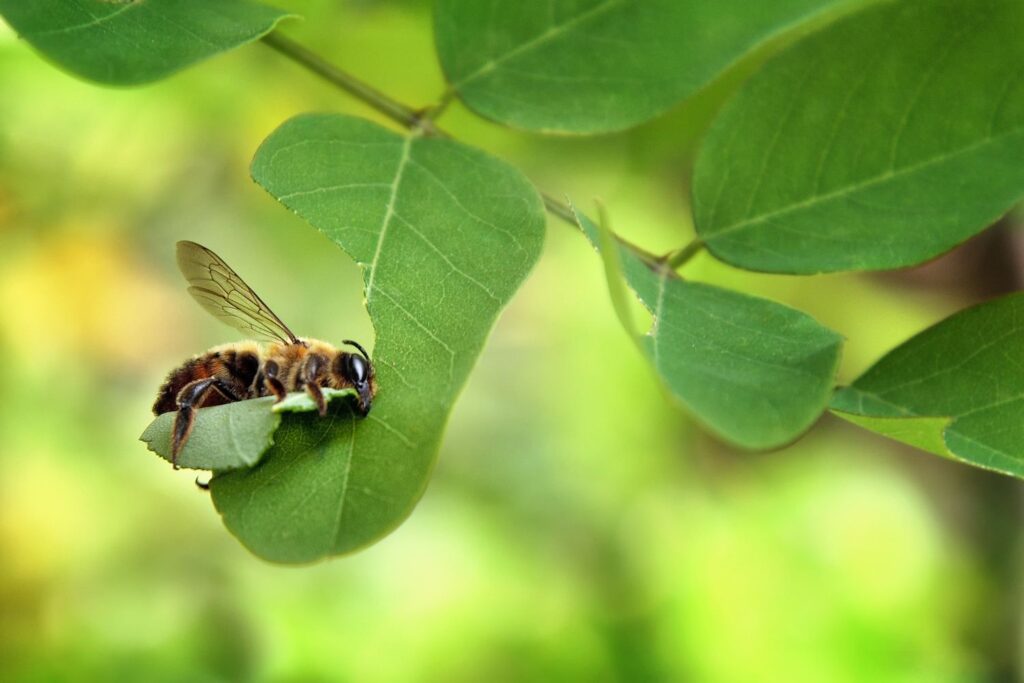
Leafcutter bees belong to the genus Megachile. They are medium-sized bees, usually about the size of a honeybee, and are easily recognizable by their habit of carrying pollen on the underside of their abdomen rather than on their legs. These bees are active during the summer months and play a vital role in pollinating various plants.
One fascinating aspect of leafcutter bees is their nesting behavior. Female bees cut circular pieces from leaves or petals and use them to construct individual brood cells. Each cell houses a single egg, along with a provision of nectar and pollen for the developing larva.
Pollination Power
Leafcutter bees are excellent pollinators, often more efficient than honeybees. Their unique method of collecting pollen ensures that they transfer more pollen between flowers, leading to better fruit and vegetable yields. This makes them invaluable for gardeners looking to maximize their harvest.
Because they are solitary, each female leafcutter bee works independently to gather pollen and nectar. This means that a garden with multiple leafcutter bees will see widespread pollination activity, benefiting a variety of plants.
Leafcutter Bees vs. Other Bees
While honeybees and bumblebees are well-known pollinators, leafcutter bees offer unique advantages. They are less aggressive, making them safer for gardens frequented by children and pets. Additionally, their solitary nature means they are less susceptible to diseases that can devastate honeybee colonies.
Another significant difference is their nesting behavior. Leafcutter bees don’t need large hives; instead, they prefer small, individual nesting sites. This makes it easier for gardeners to provide suitable habitats without the need for extensive infrastructure.
Environmental Impact
Besides their pollination benefits, leafcutter bees contribute positively to the environment. By promoting plant diversity and health, they support a wide range of wildlife, from birds to beneficial insects. Additionally, encouraging leafcutter bees in your garden can help offset the decline of other pollinator populations.
Incorporating leafcutter bees into your garden is a simple yet effective way to enhance biodiversity and promote a healthier ecosystem. By providing these bees with a suitable habitat, such as bamboo bee houses, you can enjoy a more vibrant and productive garden.
Choosing the Right Leafcutter Bee House
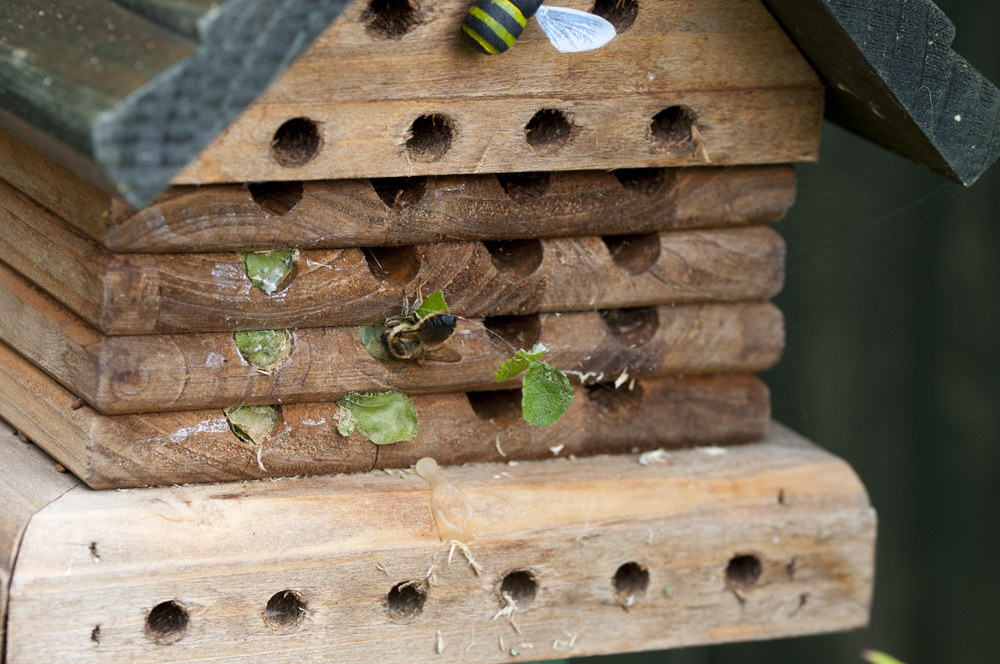
“Leafcutter bees | Wild South” from wildsouthuk.wordpress.com
Materials and Design
The material and design of your leafcutter bee house are critical for its success. Ideally, the house should be made from untreated wood or bamboo, as these materials are durable and provide a natural environment for the bees. Avoid using plastic or metal, as these can overheat and harm the bees.
Look for a bee house with smooth, paper-like nesting tubes. Rough or splintered tubes can damage the bees’ delicate wings, hindering their ability to forage and nest. Additionally, the house should have an overhanging roof to protect the nesting tubes from rain and direct sunlight.
Best Locations to Place Your Bee House
Placement is crucial for the success of your leafcutter bee house. Choose a sunny spot that is sheltered from strong winds and heavy rain. The house should face southeast to catch the morning sun, which helps warm the bees and encourages activity.
Mount the bee house at a height of about 3 to 5 feet off the ground. This height is ideal for protecting the bees from ground predators while keeping them accessible for observation and maintenance.
Features to Look For
When selecting a leafcutter bee house, there are several features to consider. First, ensure the house has smooth, paper-like nesting tubes. Rough or splintered tubes can damage the bees’ delicate wings, hindering their ability to forage and nest.
Additionally, the house should have an overhanging roof to protect the nesting tubes from rain and direct sunlight. This helps keep the interior dry and at a stable temperature, which is essential for the development of the bee larvae.
Avoiding Common Mistakes
One common mistake is placing the bee house in a shady or damp location. Leafcutter bees prefer warm, dry environments, so ensure the house receives plenty of sunlight. Another mistake is using plastic or metal materials, which can overheat and harm the bees.
Finally, avoid placing the bee house too close to the ground, where it is more vulnerable to predators like ants and rodents. A height of 3 to 5 feet off the ground is ideal for protecting the bees while keeping them accessible for observation and maintenance.
How to Set Up a Leafcutter Bee House in Your Garden
Setting up a leafcutter bee house involves more than just placing it in your garden. You need to consider the location, the nesting materials, and the maintenance required to keep the bees healthy and productive. For tips on creating a bee-friendly environment, check out this guide on creating a bee-friendly landscape.
Follow these steps to ensure your bee house is set up correctly and ready to welcome its new inhabitants.
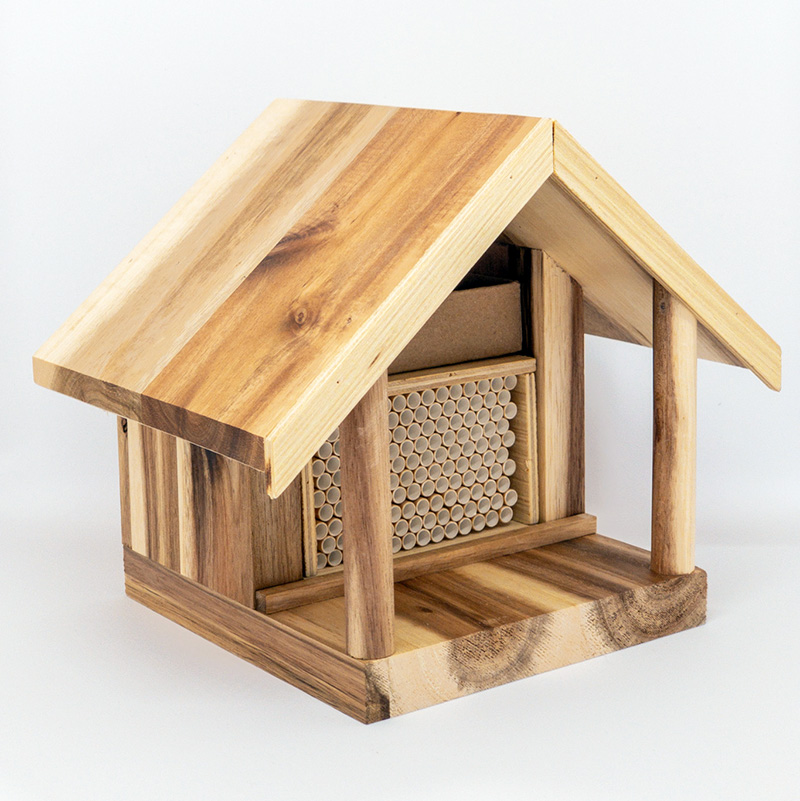
“Leaf Cutter Bee House and Tubes – Kind …” from kindbeefarms.com
Setting Up the Bee House
First, choose a sunny spot that is sheltered from strong winds and heavy rain. The house should face southeast to catch the morning sun, which helps warm the bees and encourages activity. Mount the bee house at a height of about 3 to 5 feet off the ground.
Ensure the bee house is securely attached to a post, fence, or wall to prevent it from being knocked over by wind or animals. You can use screws or zip ties to fasten the house in place.
Filling and Installing Nesting Tubes
Next, fill the bee house with nesting tubes. These tubes should be smooth and made from paper-like material to prevent damage to the bees’ wings. Avoid using bamboo or other rough materials that can harm the bees.
Insert the tubes into the bee house, ensuring they are tightly packed but not compressed. The tubes should be of varying diameters to accommodate different sizes of bees. Replace the tubes annually to maintain a clean and healthy environment for the bees. For more information, check out setting up your first mason bee house.
Providing Leaves for Nesting
Leafcutter bees need access to leaves and petals to construct their nests. Ensure your garden has a variety of plants with soft, pliable leaves that the bees can easily cut. Roses, lilacs, and hostas are excellent choices.
Additionally, you can provide small piles of leaves near the bee house to encourage nesting. Just be sure to replace the leaves regularly to prevent mold and decay.
Maintaining Optimal Conditions
Maintaining optimal conditions in your leafcutter bee house is essential for the health and productivity of the bees. Ensure the house remains dry and well-ventilated to prevent mold and mildew. Regularly check the nesting tubes for signs of pests or disease.
If you notice any issues, such as mites or fungal growth, take immediate action to address the problem. This may involve replacing the affected tubes or treating the house with a mild, bee-safe disinfectant.
Caring for Your Leafcutter Bee House Over Time
Caring for your leafcutter bee house doesn’t end once it’s set up. Regular maintenance is essential to ensure the health and productivity of your bees. This includes cleaning the house, preparing for different seasons, and protecting against pests and predators.
Cleaning the Bee House
Cleaning the bee house is crucial to prevent the buildup of mold, mildew, and pests. At the end of the nesting season, remove the nesting tubes and inspect them for any signs of disease or infestation. Replace any damaged or contaminated tubes with new ones.
Disassemble the bee house and clean it with a mild, bee-safe disinfectant. Allow the house to dry completely before reassembling and refilling it with fresh nesting tubes.
Inspect the bee house regularly for signs of pests or disease.
Replace damaged or contaminated nesting tubes annually.
Clean the bee house with a mild, bee-safe disinfectant.
Ensure the house remains dry and well-ventilated.
Regular cleaning and maintenance will help ensure the health and productivity of your leafcutter bees, allowing them to thrive in your garden.
Preparing for Different Seasons
Leafcutter bees are active during the summer months, but they require care throughout the year. In the fall, remove the nesting tubes and store them in a cool, dry place to protect the developing larvae from predators and harsh weather conditions.
During the winter, keep the stored tubes in a location that remains consistently cool, such as a garage or shed. In the spring, as temperatures begin to rise, move the tubes back to the bee house to allow the adult bees to emerge and begin their nesting activities.
“Leafcutter bees hibernate as delicate larvae inside of their leafy cocoons over the fall and winter. In the fall, you can remove and store the hibernating bees in a safe space, away from hungry predators.”
By preparing for different seasons, you can ensure the survival and health of your leafcutter bees year-round.
Protecting Against Pests and Predators
Pests and predators can pose a significant threat to your leafcutter bees. Ants, birds, and rodents may attempt to invade the bee house and consume the larvae. To protect against these threats, ensure the bee house is securely mounted and consider adding a protective barrier, such as a mesh screen, around the entrance.
Additionally, regularly inspect the bee house for signs of pests, such as ants or mites. If you notice any issues, take immediate action to address the problem, such as using a bee-safe insecticide or relocating the bee house to a safer location.
Harvesting and Storing Bee Cocoons
At the end of the nesting season, you can harvest the bee cocoons to protect them from predators and ensure their safe emergence in the spring. Carefully remove the nesting tubes and gently extract the cocoons, being mindful not to damage them.
Store the cocoons in a cool, dry place, such as a refrigerator or unheated garage, until the following spring. When temperatures begin to rise, return the cocoons to the bee house to allow the adult bees to emerge and start the nesting process anew.
Making Your Garden Bee-Friendly
Creating a bee-friendly garden involves more than just providing a suitable bee house. You need to ensure your garden offers the necessary resources for the bees to thrive, such as food, water, and safe nesting sites. For more information on how to create a conducive environment, check out this guide on leafcutter bees.
“There’s a reason we call them leafcutter bees! Female leafcutter bees build the walls of their nesting chambers out of cut leaves and flower petals to give each egg a safe place to develop into an adult bee.”
By making your garden bee-friendly, you can support the health and productivity of your leafcutter bees while enhancing the overall biodiversity of your garden. For more tips on setting up a bee house, check out this guide on setting up your first mason bee house.
Planting the Right Flowers and Plants
Leafcutter bees need a variety of flowers and plants to forage for nectar and pollen. Plant a diverse array of native flowering plants that bloom at different times throughout the season to provide a continuous food source for the bees.
Some excellent choices include innovative bamboo bee houses.
Roses
Lavender
Sunflowers
Cosmos
Bee balm
Salvia
Additionally, include plants with soft, pliable leaves that the bees can use for nesting, such as lilacs, hostas, and grapevines. For more tips on setting up a bee-friendly garden, check out this guide on setting up your first mason bee house.
Making Your Garden Bee-Friendly
Creating a bee-friendly garden involves more than just providing a suitable bee house. You need to ensure your garden offers the necessary resources for the bees to thrive, such as food, water, and safe nesting sites.
“There’s a reason we call them leafcutter bees! Female leafcutter bees build the walls of their nesting chambers out of cut leaves and flower petals to give each egg a safe place to develop into an adult bee.”
By making your garden bee-friendly, you can support the health and productivity of your leafcutter bees while enhancing the overall biodiversity of your garden. For more information on how to set up a bee house, check out our guide on setting up your first bee house.
Additionally, include plants with soft, pliable leaves that the bees can use for nesting, such as lilacs, hostas, and grapevines.
Providing Water Sources
Bees need water for hydration and to help regulate the temperature in their nests. Provide a shallow water source, such as a birdbath or a dish filled with pebbles and water, to ensure the bees have access to clean water. The pebbles give the bees a place to land and drink without drowning. For more information on bee care, visit Crown Bees.
Place the water source near the bee house and refresh it regularly to keep the water clean and free from debris. This simple addition can make a significant difference in the health and well-being of your leafcutter bees.
Minimizing Pesticide Use
Pesticides can be harmful to bees and other beneficial insects. Minimize or eliminate the use of chemical pesticides in your garden to create a safer environment for your leafcutter bees. Instead, opt for natural pest control methods, such as introducing beneficial insects like ladybugs and lacewings to manage pests.
Additionally, practice good garden hygiene by removing dead plants and debris that can harbor pests and diseases. This proactive approach can help keep your garden healthy and reduce the need for chemical interventions.
Creating Safe Spaces and Habitat Diversity
Diverse habitats provide shelter and resources for a wide range of pollinators. Create safe spaces in your garden by incorporating features such as rock piles, logs, and undisturbed areas where bees can nest and forage. These features also support other beneficial wildlife, contributing to a balanced and healthy ecosystem. For more tips, check out this guide on creating a bee-friendly landscape.
Consider leaving some areas of your garden wild and untended. These natural spaces can provide important habitat for solitary bees and other insects, promoting biodiversity and ecological resilience. For more information on setting up a habitat for bees, check out this guide on mason bee houses.
Conclusion: Strengthening Your Garden’s Ecosystem
Integrating leafcutter bees into your garden is a rewarding way to enhance its productivity and biodiversity. By providing a suitable habitat and supporting their needs, you can enjoy the benefits of these diligent pollinators while contributing to the health of your garden’s ecosystem.
Integrating Leafcutter Bees Into Your Garden Care Routine
Incorporating leafcutter bees into your garden care routine involves regular maintenance and observation. Monitor the bee house for signs of activity and ensure the bees have access to the necessary resources, such as leaves, water, and flowering plants.
Take note of any changes in bee behavior or signs of pests and address them promptly to maintain a healthy environment. By staying attentive and proactive, you can support the ongoing success of your leafcutter bee population.
Long-Term Benefits of Supporting Leafcutter Bees
Supporting leafcutter bees offers long-term benefits for your garden. These bees enhance pollination, leading to increased fruit and vegetable yields and healthier plants. Additionally, their presence contributes to a more diverse and resilient ecosystem, supporting a wide range of wildlife. Learn more about the benefits and care of leafcutter bees.
By fostering a thriving community of leafcutter bees, you can enjoy a more vibrant and productive garden while playing a role in pollinator conservation.
Final Thoughts on Bee Conservation
Leafcutter bees are an essential part of our natural world, and their conservation is crucial for maintaining healthy ecosystems. By providing a suitable habitat and supporting their needs, we can help ensure their survival and enjoy the many benefits they bring to our gardens.
Remember, every small action counts. Whether it’s setting up a bee house, planting bee-friendly flowers, or minimizing pesticide use, each step you take contributes to the well-being of these valuable pollinators.
Frequently Asked Questions
Why Should I Use a Leafcutter Bee House?
A leafcutter bee house provides a safe and suitable nesting site for these beneficial pollinators. By offering a dedicated space for leafcutter bees to nest, you can enhance pollination in your garden, leading to healthier plants and increased yields. Learn more about bamboo bee houses and their benefits for your garden.
How Do Leafcutter Bees Help My Garden?
Leafcutter bees are excellent pollinators, often more efficient than honeybees. Their unique method of collecting pollen ensures thorough pollination, resulting in better fruit and vegetable production. Additionally, their presence supports overall garden biodiversity.
Where Should I Place My Leafcutter Bee House?
Place your leafcutter bee house in a sunny, sheltered location that faces southeast to catch the morning sun. Mount it at a height of 3 to 5 feet off the ground to protect it from predators and ensure it remains accessible for observation and maintenance.
By following these guidelines, you can create a thriving habitat for leafcutter bees and enjoy the many benefits they bring to your garden. Happy gardening!



Leave a Reply