
Key Takeaways
Cotton beekeeper suits offer excellent breathability, making them comfortable in moderate climates.
These suits are durable and can withstand regular wear and tear, providing long-term value.
Affordability is a key advantage, with cotton suits generally costing less than their ventilated counterparts.
However, cotton suits can retain heat, making them less ideal for hot weather conditions.
Weight and moisture absorption are other drawbacks, affecting mobility and comfort during extended use.
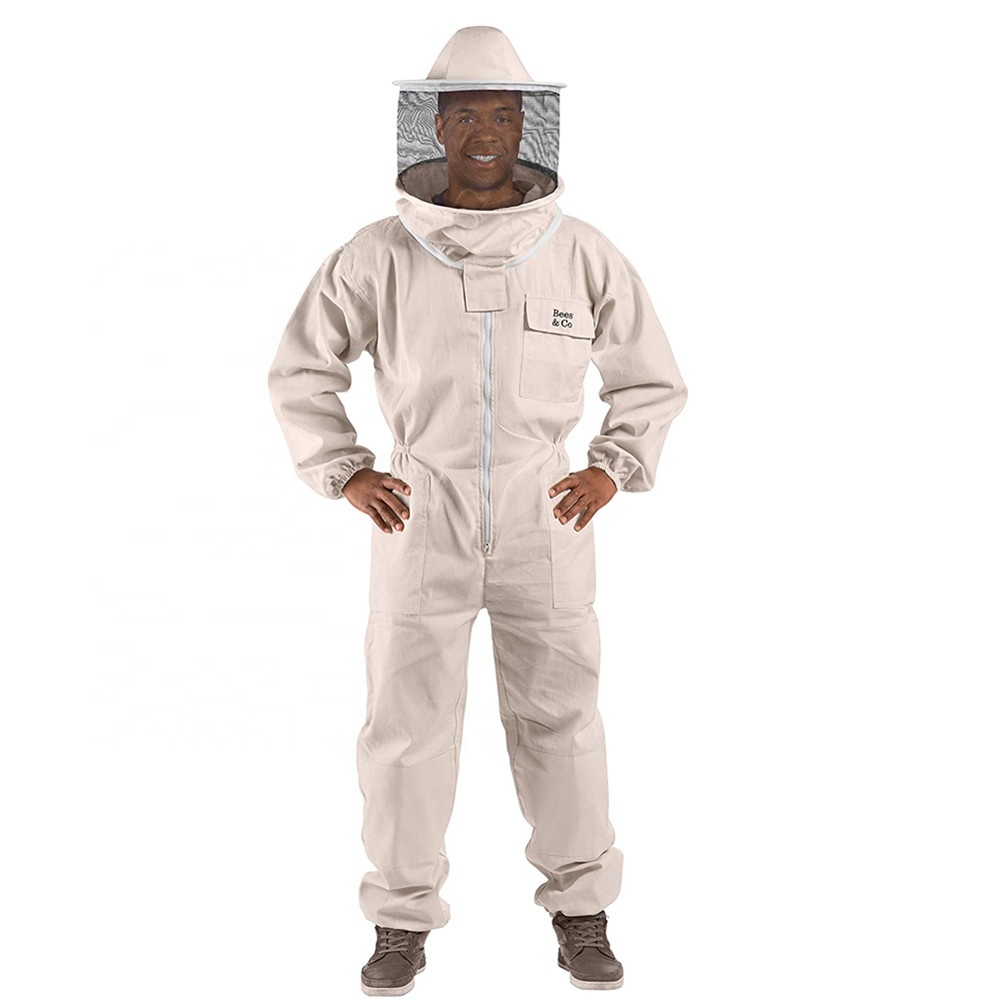
“Natural Cotton Beekeeper Suit …” from s.click.aliexpress.com
Pros & Cons of Cotton Beekeeper Suits: Comprehensive Guide
Why Choose a Cotton Beekeeper Suit?
Cotton beekeeper suits have long been the go-to choice for many beekeepers. Their popularity stems from a combination of breathability, durability, and affordability. But what exactly makes these suits a preferred option for so many?
Firstly, cotton is a natural fiber, which means it offers excellent breathability. This is particularly important when you’re working in an apiary, where temperatures can rise quickly. The ability to stay cool can make your beekeeping experience much more comfortable.
“The suit is excellent for working in the heat… bees don’t even light on him.” – Beekeeping Forum Member
Additionally, cotton is known for its durability. A well-made cotton suit can withstand the rigors of regular use, including frequent washing and exposure to the elements. This longevity makes it a cost-effective choice for many hobbyists and professional beekeepers alike.
Drawbacks of Cotton Beekeeper Suits
Despite their many advantages, cotton beekeeper suits are not without their drawbacks. One of the most significant issues is heat retention. While cotton is breathable, it can still get quite hot, especially in the middle of summer. This can make long hours in the apiary uncomfortable and even unsafe.
Another issue is the weight of the suit. Cotton is heavier than some of the newer, synthetic materials available. This added weight can make it harder to move around freely, which is crucial when you’re handling bees and their hives.
Comfort and Protection: The Ultimate Balance
Seasonal Considerations
Layering Techniques for Extra Protection
Managing Temperature and Ventilation
Balancing comfort and protection is key when choosing any beekeeper suit. For many, cotton strikes the right balance. However, it’s essential to consider the specific conditions you’ll be working in. For instance, if you’re in a hot climate, you might need to look at additional ventilation options or even consider a different material altogether.
Factors to Consider When Selecting a Beekeeper Suit
Choosing the right beekeeper suit involves more than just picking a material. Several factors can influence your decision, including climate, frequency of use, and personal comfort. Let’s delve into these factors to help you make an informed choice.
Climate and Weather: The climate in your area will significantly impact your choice of suit. If you live in a hot, humid region, breathability and ventilation will be your top priorities. On the other hand, if you’re in a cooler climate, a thicker, more insulated suit might be more appropriate.
Pros of Cotton Beekeeper Suits
Breathability and Comfort
One of the standout features of cotton beekeeper suits is their breathability. The natural fibers allow air to circulate, keeping you cooler than you might be in a synthetic suit. This is particularly beneficial during the hot summer months when beekeeping activities are at their peak.
Durability and Longevity
Cotton is a robust material that can withstand the wear and tear of regular use. Whether you’re inspecting hives, harvesting honey, or just maintaining your equipment, a cotton suit can handle it all. This durability translates into long-term savings, as you won’t need to replace your suit as frequently.
Affordability and Accessibility
Another significant advantage of cotton beekeeper suits is their affordability. Compared to high-tech ventilated suits, cotton options are generally less expensive, making them accessible to a broader range of beekeepers.
Cost: Cotton suits are often more affordable than their synthetic counterparts.
Availability: Cotton suits are widely available and can be purchased from most beekeeping supply stores.
Maintenance: Cotton suits are easy to clean and maintain, adding to their cost-effectiveness.
Tradition and Trust
Many beekeepers prefer cotton suits because of tradition and trust. Cotton has been used for decades, and its reliability has been proven time and again. This trust in the material can provide peace of mind, knowing you’re using a suit that has stood the test of time.

Cotton Beekeeper Suits
Cons of Cotton Beekeeper Suits
While cotton beekeeper suits have many advantages, they also come with their fair share of drawbacks. These can affect both the comfort and safety of the beekeeper. Understanding these cons can help you make a more informed decision about whether a cotton suit is the right choice for you.
Heat Retention
One of the biggest downsides of cotton beekeeper suits is their tendency to retain heat. During the hot summer months, a cotton suit can become quite uncomfortable. The thick material, while durable, does not allow for as much air circulation as some of the newer, ventilated suits.
Weight and Mobility
Cotton suits are heavier than some of the other materials available. This added weight can make it harder to move around freely, which is crucial when handling bees and their hives. The bulkiness can also lead to quicker fatigue, making long hours in the apiary more challenging.
For example, a beekeeper who switches from a cotton suit to a lighter, ventilated suit might find they can work longer without feeling as tired. This increased mobility can be a significant advantage, especially for those who manage multiple hives.
Cotton suits can weigh several pounds more than ventilated suits.
The added weight can make it harder to perform quick, precise movements.
Fatigue can set in faster, reducing overall productivity.
Absorption of Moisture
Cotton is a natural fiber that tends to absorb moisture, including sweat. This can make the suit feel heavy and damp, adding to the discomfort during hot and humid days. The moisture can also lead to chafing and skin irritation, making the experience even more unpleasant. For more information on choosing the right suit, check out our best bee suit guide.
Protection Limitations
While cotton suits provide a good level of protection against bee stings, they are not foolproof. Bees can sometimes sting through the material, especially if it becomes tight against the skin. This is less of an issue with thicker or layered suits, but it’s something to be aware of.
Comfort and Protection: The Ultimate Balance
Finding the right balance between comfort and protection is crucial for any beekeeper. Cotton suits offer a reasonable level of both, but there are ways to enhance their performance to better suit your needs.
Most importantly, consider the specific conditions you’ll be working in. Adjusting your suit and beekeeping practices can help you stay comfortable and safe, regardless of the material you choose.
Seasonal Considerations
The time of year can significantly impact your choice of beekeeping suit. During the summer, the heat-retaining properties of cotton can become a significant drawback. In contrast, the same properties can be beneficial during cooler months, providing an extra layer of warmth. For more tips on preparing your hives for winter, check out this guide on winterizing Langstroth hives.
Layering Techniques for Extra Protection
Layering can help enhance the protective qualities of a cotton suit. Wearing additional layers underneath can provide extra padding, making it harder for bees to sting through the material. However, this can also add to the heat and bulkiness, so it’s essential to find a balance that works for you.
For example, wearing a lightweight, long-sleeved shirt and pants under your cotton suit can offer additional protection without significantly increasing heat retention.
Managing Temperature and Ventilation
Managing temperature and ventilation is crucial when wearing a cotton beekeeper suit. One way to improve ventilation is to choose a suit with built-in mesh panels or vents. These features can help increase airflow, making the suit more comfortable to wear in hot conditions. For more tips on beekeeping, check out this guide for beginners.
Additionally, taking breaks in the shade and staying hydrated can help manage your body temperature, reducing the risk of overheating.
Factors to Consider When Selecting a Beekeeper Suit
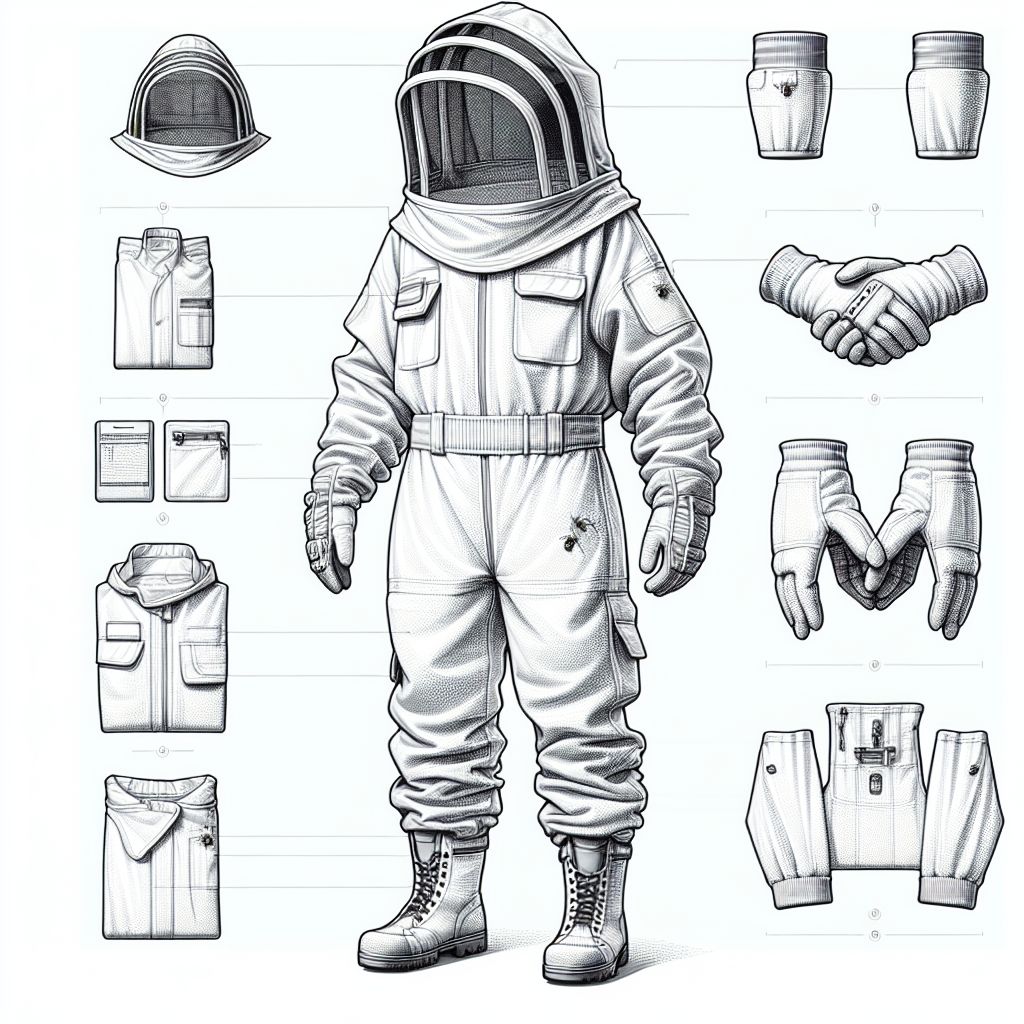
When choosing a beekeeper suit, it’s essential to consider various factors to ensure you select the best option for your needs. These factors include climate, frequency of use, and personal comfort preferences.
By evaluating these aspects, you can make a more informed decision and choose a suit that will keep you comfortable and protected while working with your bees.
Climate and Weather
The climate in your area plays a significant role in determining the best type of beekeeper suit for you. If you live in a hot, humid region, breathability and ventilation should be your top priorities. In contrast, if you reside in a cooler climate, a thicker, more insulated suit might be more appropriate.
For example, beekeepers in the southern United States might prefer a ventilated suit, while those in northern regions might opt for a traditional cotton suit for added warmth.
Frequency of Use
The frequency with which you use your beekeeper suit can influence your choice. If you’re a hobbyist who only tends to your hives occasionally, a cotton suit might suffice. However, if you’re a professional beekeeper who spends hours each day in the apiary, you might find the heat retention and weight of a cotton suit more challenging.
For those who use their suits frequently, investing in additional features like ventilation panels or even considering a different material might be worth the extra cost. This can make your beekeeping activities more comfortable and efficient in the long run.
Handling Allergies and Skin Sensitivities
Beekeepers with allergies or sensitive skin need to be particularly cautious when selecting a suit. Cotton suits, being natural and breathable, are less likely to cause skin irritation compared to synthetic materials. However, they can absorb sweat and other moisture, which might lead to chafing or discomfort.
To mitigate these issues, consider wearing moisture-wicking undergarments beneath your cotton suit. These can help keep your skin dry and reduce the risk of irritation. Additionally, ensuring your suit is clean and free from allergens is crucial for maintaining comfort and safety.
Custom Fits and Sizes
Finding the right fit is essential for any beekeeper suit. An ill-fitting suit can compromise both comfort and protection. Cotton suits are generally available in a wide range of sizes, making it easier to find a good fit. Some manufacturers even offer custom sizing options for an additional fee.
When selecting a suit, ensure it fits well without being too tight. A snug fit can make it easier for bees to sting through the material, while a suit that’s too loose might get caught on equipment or obstruct your movements. Taking accurate measurements and consulting sizing charts can help you find the perfect fit.
Final Thoughts
Choosing the right beekeeper suit is a crucial decision that can significantly impact your beekeeping experience. While cotton suits offer many advantages, including breathability, durability, and affordability, they also come with some drawbacks, such as heat retention and weight. For a detailed comparison, check out our best bee suit guide.
“For me, the nylon was easier to work in.” – Beekeeping Forum Member
Ultimately, the best suit for you will depend on your specific needs and circumstances. By carefully considering factors like climate, frequency of use, and personal comfort, you can make an informed decision that will keep you safe and comfortable while working with your bees.
Weighing the Pros and Cons
When weighing the pros and cons of cotton beekeeper suits, it’s essential to consider your unique situation. The advantages of breathability, durability, and affordability might outweigh the drawbacks of heat retention and weight for some beekeepers. For others, especially those in hotter climates or who spend long hours in the apiary, the cons might be more significant.
Making an Informed Decision
To make an informed decision, take the time to evaluate your specific needs and preferences. Consider the following:
Climate and weather conditions in your area
Frequency and duration of use
Personal comfort and mobility requirements
Budget and cost considerations
By carefully assessing these factors, you can choose a beekeeper suit that meets your needs and enhances your beekeeping experience.
Long-term Considerations
When selecting a beekeeper suit, it’s essential to think about long-term considerations. A high-quality suit might cost more upfront but can save you money in the long run by lasting longer and providing better protection. Additionally, consider how your needs might change over time, especially if you plan to expand your beekeeping activities. For more information, you can refer to this bee suit guide.
For example, if you start with a small number of hives and plan to grow your apiary, investing in a more durable and comfortable suit might be worthwhile. This can help ensure you stay safe and comfortable as your beekeeping operations expand.
Durability and longevity of the suit
Potential for expanding your beekeeping activities
Maintenance and care requirements
Adjustability and versatility of the suit
Frequently Asked Questions (FAQ)
To help you make the best decision, here are some frequently asked questions about cotton beekeeper suits:
Are cotton beekeeper suits machine washable?
Yes, most cotton beekeeper suits are machine washable. However, it’s essential to follow the manufacturer’s care instructions to ensure the suit’s longevity. Typically, you’ll want to wash the suit on a gentle cycle with mild detergent and avoid using bleach or fabric softeners. Air drying is usually recommended to prevent shrinkage and maintain the suit’s shape.
How do cotton suits compare to other materials in terms of protection?
Cotton suits provide a reasonable level of protection against bee stings, but they are not as sting-proof as some synthetic materials. Bees can sometimes sting through the material, especially if it becomes tight against the skin. Ventilated suits or those made from thicker, multi-layered materials might offer better protection. However, cotton suits are often preferred for their breathability and comfort, making them a popular choice for many beekeepers.




Leave a Reply