Key Takeaways
Ventilation mesh in beekeeping suits provides both protection from bee stings and breathability.
Common materials for ventilation mesh include nylon, cotton, and polyester, each offering different levels of protection and comfort.
Mesh size and density are crucial; smaller mesh sizes offer better protection but may reduce airflow.
Proper use and maintenance of ventilation mesh gear are essential to ensure effectiveness and longevity.
Beyond sting prevention, ventilation mesh enhances beekeeping efficiency and comfort, especially in hot climates.
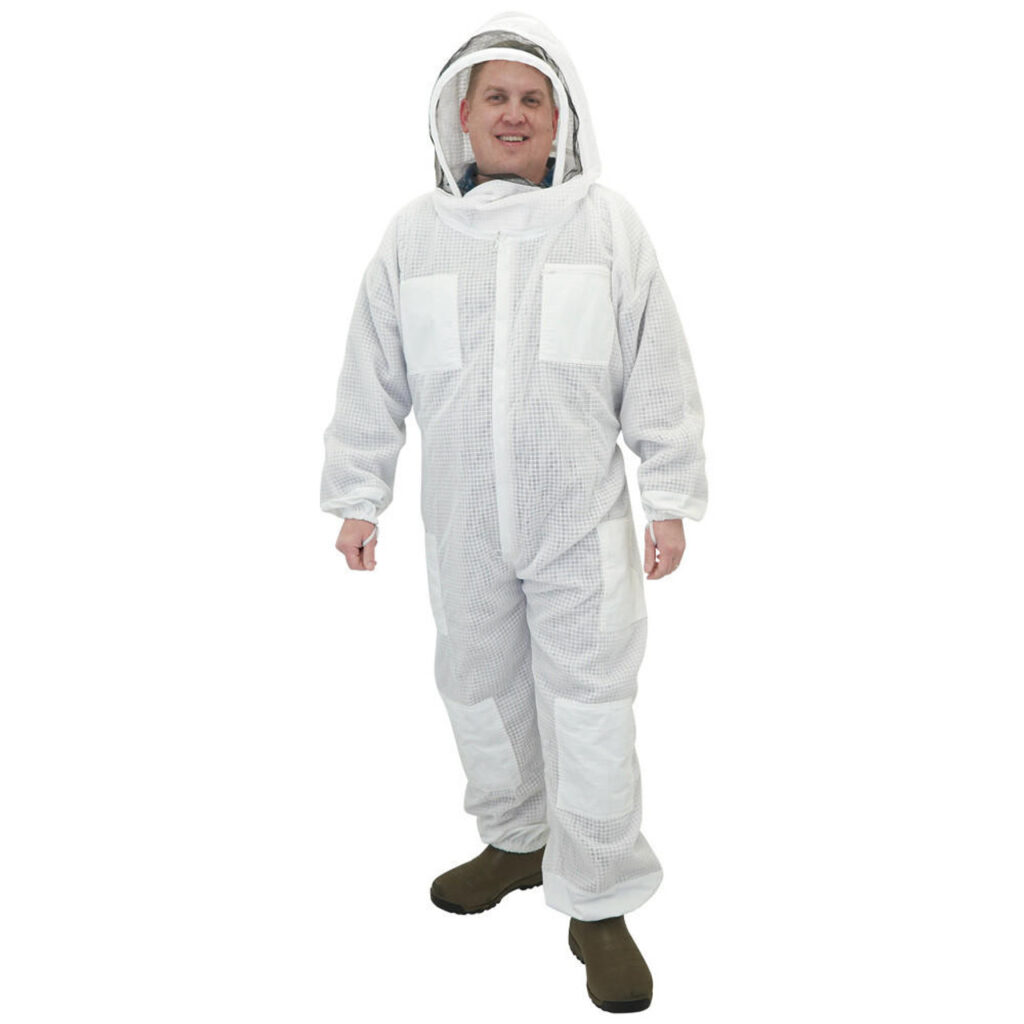
“Vented Beekeeping Suit with Veil – Size …” from www.mannlakeltd.com
How Ventilation Mesh Keeps You Safe from Bee Stings
Imagine working with bees, hearing their buzzing all around you, and yet feeling safe and comfortable. That’s the power of ventilation mesh in your beekeeping suit. This incredible material not only protects you from painful bee stings but also ensures you stay cool and comfortable, even on the hottest days. Let’s dive into how this works and why it’s so important.
The Importance of Bee Sting Protection
Bee stings can be more than just a painful nuisance. For some, they can trigger severe allergic reactions that require immediate medical attention. For others, repeated stings can lead to increased sensitivity. Therefore, having effective bee sting protection is crucial, not only for comfort but also for safety.
Beekeepers often face the challenge of balancing protection with practicality. A suit that’s too thick might protect well but could also be unbearably hot and cumbersome. On the other hand, a suit that’s too thin might not offer enough protection. This is where ventilation mesh comes into play, offering a sweet spot between protection and comfort.
Understanding Ventilation Mesh
Ventilation mesh is a special type of fabric designed to allow air to flow freely while blocking bee stingers. It’s used in various parts of a beekeeping suit, such as the veil, jacket, and pants. The mesh is woven tightly enough to prevent bees from reaching the skin but loosely enough to let air circulate, keeping the wearer cool.
Let’s break this down further. The key to ventilation mesh is its weave. The tighter the weave, the smaller the gaps, and the better the protection. However, this can also reduce airflow. Therefore, finding the right balance is essential. The material used in the mesh also plays a significant role in its effectiveness and comfort. For more information on achieving the best protection and fit, check out this guide on bee ventilated suits.
Types of Ventilation Mesh for Beekeeping
Common Materials Used
Ventilation mesh can be made from various materials, each offering different benefits. Here are some of the most common:
Nylon: Known for its durability and strength, nylon mesh is resistant to tears and abrasions, making it a popular choice for beekeeping suits.
Cotton: Cotton mesh is breathable and comfortable, but it might not offer the same level of durability as synthetic materials.
Polyester: This material provides a good balance between durability and breathability, making it suitable for use in warmer climates.
Mesh Size and Density
The size and density of the mesh are crucial factors in determining its effectiveness. A smaller mesh size means tighter weaves, which can block bee stingers more effectively. However, it can also restrict airflow, potentially making the suit less comfortable in hot weather.
For instance, a mesh with a density of 200 holes per square inch might offer excellent protection but could be less breathable compared to a mesh with 100 holes per square inch. Therefore, beekeepers must consider their specific needs and environment when choosing the right mesh size and density.
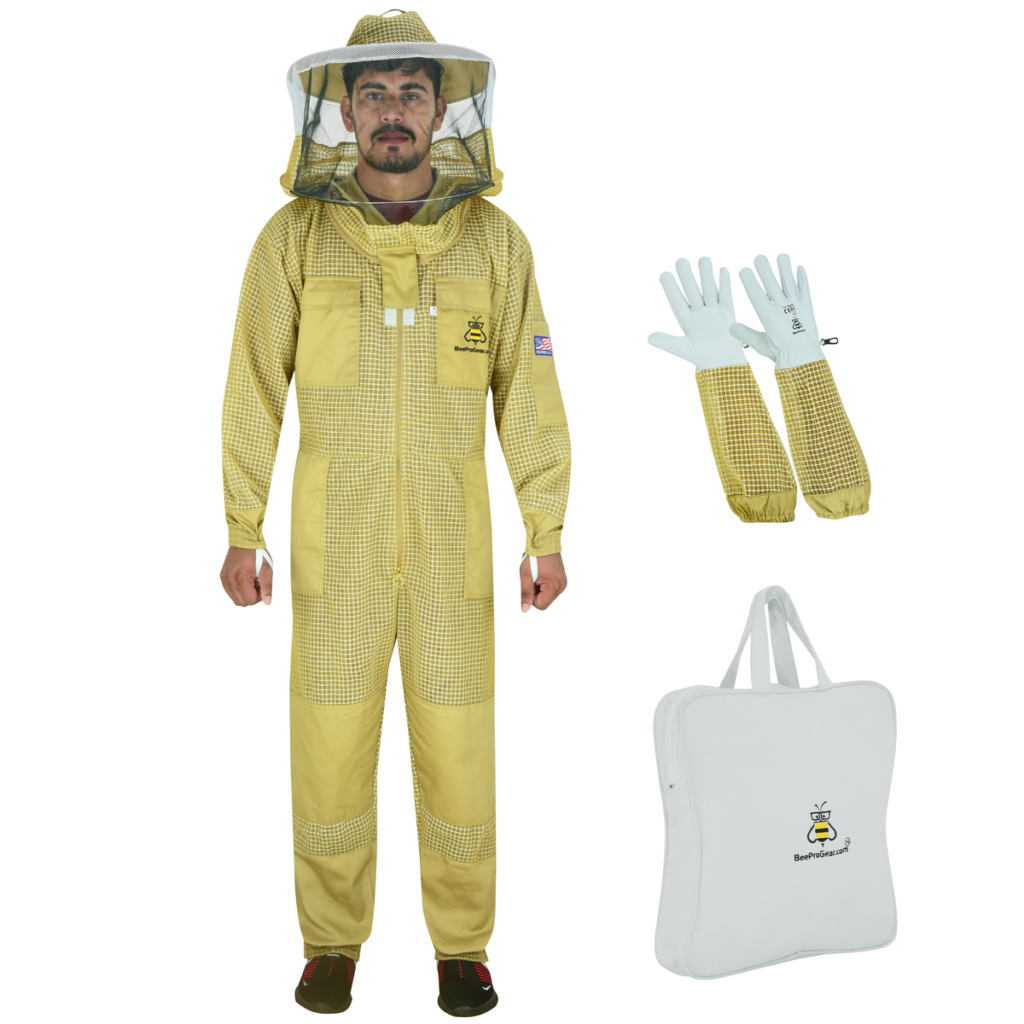
“Ultra Ventilated Beekeeping Suit …” from beeprogear.com
Comparative Effectiveness
To illustrate the effectiveness of different materials and mesh sizes, let’s look at a comparison:
|
Material |
Durability |
Breathability |
Protection Level |
|---|---|---|---|
|
Nylon |
High |
Moderate |
High |
|
Cotton |
Low |
High |
Moderate |
|
Polyester |
Moderate |
Moderate |
High |
As you can see, each material has its strengths and weaknesses. Therefore, the choice depends on what you prioritize: durability, breathability, or protection.
Physical Barrier Against Stingers
“The mesh veil around the beekeeper’s face and neck is good at keeping bees out if it is properly attached to the helmet and suit. That said, the veil material isn’t stiff, and the wind can blow it against the skin of the neck, ears, or face. Wherever the veil touches skin, stingers can go through.”
Ventilation mesh serves as a physical barrier that prevents bee stingers from reaching your skin. Its intricate weave blocks stingers while allowing air to pass through. This dual function is crucial for beekeepers who need to remain protected while working in often hot and humid conditions. The design ensures that even if bees land on you, they can’t penetrate through to deliver a sting.
It’s important to note that while the mesh provides a barrier, it must be used correctly to be effective. Any gaps or loose areas can become entry points for bees. Therefore, ensuring that the mesh is well-fitted and secure is essential for maintaining protection. For more information on selecting the best mesh for your needs, consider checking out this guide on ventilated bee suits.
In addition to providing a barrier, the mesh must be durable enough to withstand the rigors of beekeeping. Materials like nylon and polyester are often chosen for their strength and ability to resist tears and abrasions, further enhancing the protective capabilities of the mesh.
Maintaining Breathability and Comfort
While protection is paramount, comfort cannot be overlooked. Beekeepers often work in warm conditions, and a suit that doesn’t breathe can become uncomfortable quickly. Ventilation mesh is designed to allow airflow, helping to regulate body temperature and reduce the risk of overheating. This is especially important during long sessions in the apiary.
Compatibility with Protective Gear
Ventilation mesh is designed to work seamlessly with other components of beekeeping suits, such as gloves, boots, and helmets. It’s essential that all parts of the suit work together to provide full coverage and protection. The mesh must be attached securely to prevent any gaps that bees could exploit.
When selecting a beekeeping suit, consider how the mesh integrates with the overall design. Check that the mesh is reinforced at seams and attachment points, as these areas can be vulnerable to wear and tear. A well-designed suit will ensure that the mesh remains effective throughout its use.
Using Ventilation Mesh Effectively
To get the most out of your ventilation mesh, it’s crucial to use it correctly. Proper attachment and coverage are key to ensuring that the mesh provides full protection. Make sure that all zippers and closures are secure and that there are no gaps in the mesh.
Regular maintenance is also important. Inspect the mesh for any signs of wear or damage before each use. Small tears or holes can compromise the effectiveness of the mesh and should be repaired promptly. Additionally, cleaning the mesh according to the manufacturer’s instructions will help maintain its integrity and performance.
Proper Attachment and Coverage
Ensure that the mesh is properly attached to the suit and that it covers all necessary areas. Pay special attention to areas where the mesh meets other parts of the suit, such as at the wrists and ankles, to prevent any gaps. For more information on choosing the best suit, check out our guide on ventilated bee suits.
Avoiding Common Mistakes
One common mistake is assuming that all meshes are created equal. Different materials and weaves offer varying levels of protection and comfort. Choose a mesh that suits your specific needs and environment. Another mistake is neglecting to check for proper fit and secure attachment, which can lead to exposure and potential stings. For a comprehensive guide, consider reading about the best ventilated bee suits to ensure optimal protection.
Mandatory Safety Checks
Before entering an apiary, conduct a thorough check of your suit. Look for any signs of wear or damage, and ensure that all closures are secure. Regularly review safety protocols and ensure that your gear is up to date and in good condition.
By taking these precautions, you can ensure that your ventilation mesh remains effective and that you stay safe while working with bees.
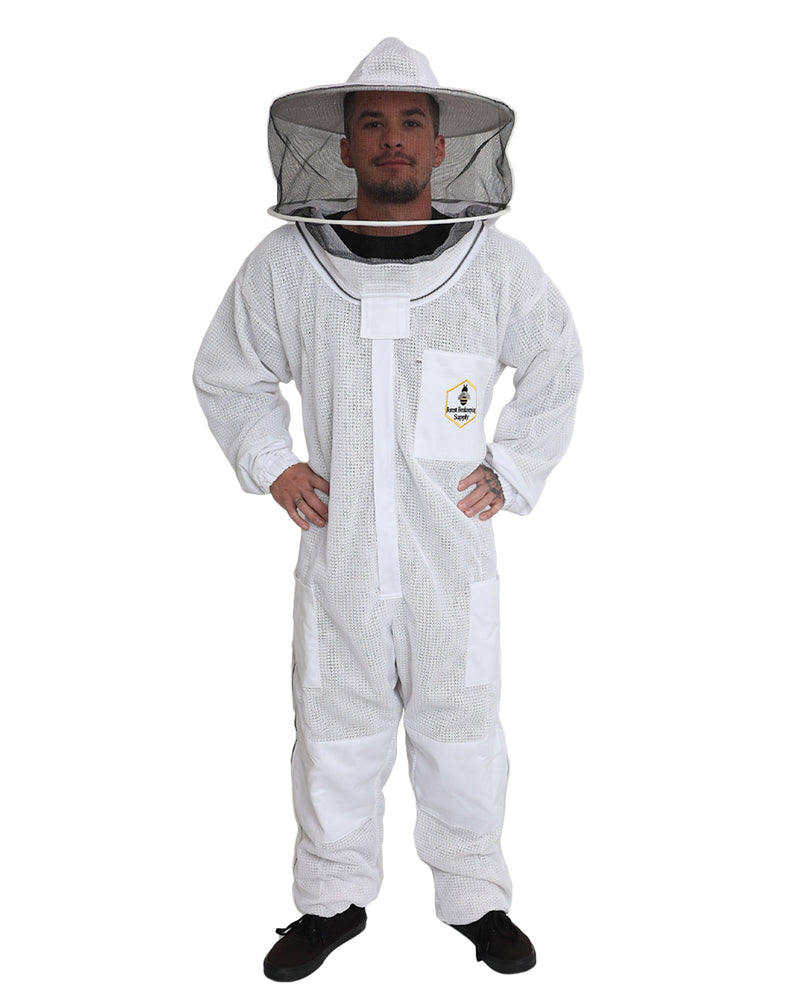
“Ventilated beekeeping Suit With Round Veil” from forestbeekeepingsupply.com
Benefits Beyond Sting Prevention
Ventilation mesh offers benefits beyond just preventing stings. It enhances beekeeping efficiency by allowing beekeepers to work comfortably for longer periods. The increased airflow helps maintain focus and reduce fatigue, allowing beekeepers to attend to their hives more effectively.
Enhanced Beekeeping Efficiency
Ventilation mesh significantly boosts beekeeping efficiency. By allowing air to circulate freely, it helps regulate body temperature, enabling beekeepers to work comfortably for extended periods. This comfort means beekeepers can focus on their tasks without being distracted by heat or discomfort. Consequently, they can manage their hives more effectively, checking on the health of their bees, harvesting honey, and performing necessary maintenance without rushing.
Improved Confidence and Focus
When you’re confident in your protective gear, you can focus better on the task at hand. Ventilation mesh provides this confidence by ensuring that you’re well-protected from stings. Knowing that the mesh is a reliable barrier allows you to concentrate on your bees rather than worrying about potential stings.
This increased focus is particularly beneficial when inspecting hives or harvesting honey, tasks that require attention to detail. With less worry about stings, beekeepers can be more thorough in their inspections and more efficient in their work. For those looking for the best protection, exploring bee ventilated suits can provide additional safety and comfort.
Stay cool and comfortable, even in hot weather.
Work with confidence, knowing you’re protected from stings.
Focus on your bees and their needs without distractions.
Overall, the right ventilation mesh can transform the beekeeping experience, making it more enjoyable and productive.
Long-Term Durability and Cost Savings
Investing in high-quality ventilation mesh can lead to long-term cost savings. Durable materials like nylon and polyester withstand the wear and tear of regular use, reducing the need for frequent replacements. This durability not only saves money but also ensures consistent protection over time.
Moreover, maintaining your mesh properly extends its lifespan, further enhancing its cost-effectiveness. Regular cleaning and prompt repairs keep the mesh in top condition, ensuring it continues to provide reliable protection and comfort. For more information on mesh benefits, check out this guide on ventilation mesh benefits.
Frequently Asked Questions (FAQ)
Many beekeepers have questions about ventilation mesh and its use. Here are some of the most common inquiries, along with detailed answers to help you make informed decisions.
What is the Best Type of Ventilation Mesh?
The best type of ventilation mesh depends on your specific needs and environment. If you prioritize durability, nylon is an excellent choice. For those who value breathability, cotton might be more suitable, though it may not be as durable.
Polyester offers a good balance between durability and breathability, making it a versatile option for many beekeepers. Consider the climate you’ll be working in and your personal comfort preferences when selecting a mesh type.
Ultimately, the best mesh is one that provides the right balance of protection, comfort, and durability for your situation. For more insights, you might find it interesting to explore why beekeepers still get stung despite wearing protective gear.
Consider your climate: hot or mild?
Prioritize durability or breathability based on your needs.
Test different materials to find what works best for you.
Can Bees Sting Through Ventilation Mesh?
Check for gaps or loose areas where bees could enter.
Ensure the mesh is properly attached and covers all necessary areas.
Inspect the mesh for wear or damage regularly.
While ventilation mesh is designed to prevent bee stings, improper use or maintenance can lead to vulnerabilities. Bees can potentially sting through areas where the mesh is too loose or damaged. Therefore, it’s crucial to ensure that the mesh is well-fitted and in good condition.
Regular inspections and maintenance help prevent issues. Repair any small tears promptly and make sure all attachments are secure before entering an apiary. By taking these precautions, you can minimize the risk of stings.
How Do I Maintain My Ventilation Mesh?
Maintaining your ventilation mesh involves regular cleaning and inspections. Follow the manufacturer’s cleaning instructions to avoid damaging the mesh. Typically, gentle washing with mild soap and air drying is recommended.
Inspect the mesh for signs of wear or damage before each use. Look for small tears or loose attachments, and repair them as needed to ensure continued protection and effectiveness.
Are Ventilation Mesh Suits Suitable for Hot Climates?
Yes, ventilation mesh suits are particularly beneficial in hot climates. Their design allows for increased airflow, helping to regulate body temperature and prevent overheating. This makes them ideal for beekeepers working in warm environments.
However, it’s essential to choose a mesh that balances protection and breathability. In extremely hot conditions, consider using additional cooling gear, such as moisture-wicking underlayers, to further enhance comfort.
By selecting the right mesh and taking additional cooling measures, beekeepers can work comfortably and safely in hot climates.
Ventilation mesh is an essential component in beekeeping suits, providing both protection and comfort. The mesh allows for airflow, preventing overheating while ensuring that bees cannot penetrate the suit. For those interested in learning more about the benefits and examples of these suits, check out this guide on ventilated bee suits.




Leave a Reply