
Key Takeaways
- Portable observation hives offer an up-close view of bee behavior, making them ideal for educational purposes.
- These hives are popular among beekeepers for demonstrations at schools, fairs, and community events.
- They promote environmental awareness by highlighting the importance of pollinators.
- Observation hives can be creatively integrated into art exhibits and therapeutic practices.
- Maintaining a portable observation hive requires careful planning and attention to bee health and safety.
Introduction to Portable Observation Hives
“Observation Hives – MCBA WordPress Site” from montgomerycountybeekeepers.com
Imagine having a tiny window into the world of bees, right at your fingertips. Portable observation hives provide just that—a chance to watch the intricate dance of bees up close. They’re not only fascinating but also serve as powerful educational tools, capturing the imagination of both young and old.
What Are Portable Observation Hives?
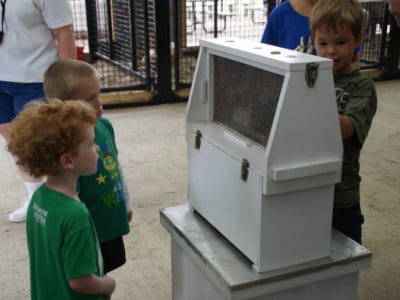
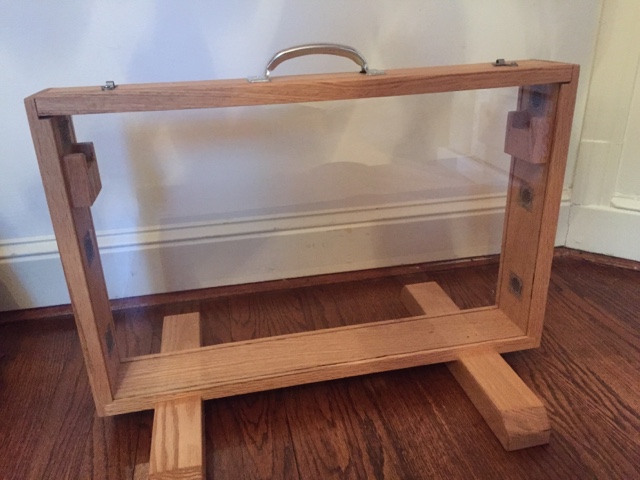
Portable observation hives are small, movable structures designed to house a single frame of bees. Unlike traditional beehives, these are often enclosed in glass or clear plastic, allowing viewers to see the bees in action without disturbing them. Typically, they are used for short-term displays, perfect for classrooms, fairs, or community events.
Why They’re Popular Among Beekeepers
There’s a certain magic in watching bees work, and portable observation hives make this magic accessible. Beekeepers often use them to educate the public, showcase the importance of bees, and demonstrate beekeeping techniques. They are lightweight and easy to transport, making them a favorite for events and demonstrations.
Success Stories of Portable Observation Hives
Across the globe, portable observation hives have been instrumental in spreading awareness and appreciation for bees. These success stories highlight their impact and potential.
Educating Communities: School Programs and Demonstrations
In schools, observation hives have transformed science lessons into engaging, interactive experiences. Students can see the queen, worker, and drone bees, learn about their roles, and understand the lifecycle of bees firsthand. Teachers have reported increased interest in biology and ecology topics when these hives are part of the curriculum.
“Every beekeeper should have an observation hive. Not only for what you will learn about bees, but what you can tell, day to day, about what is happening in your other hives.” – Michael Bush
Environmental Awareness: Highlighting Pollinator Importance
Observation hives play a crucial role in raising awareness about the decline of pollinators. At fairs and environmental events, they draw crowds, offering a tangible connection to the natural world. People walk away with a better understanding of how vital bees are to our food systems and ecosystems.
Beekeeping Advances Through Observation
For beekeepers, observation hives provide a unique opportunity to study bee behavior without disrupting the colony. Insights gained from these observations can lead to better hive management practices and contribute to research on bee health and behavior. They allow beekeepers to make informed decisions about their hives based on real-time data.
Creative Uses of Portable Observation Hives
Portable observation hives aren’t just for education and beekeeping demonstrations. Their versatility allows them to be used in a variety of creative ways, capturing the imagination of diverse audiences. These hives offer unique opportunities to blend science with art, therapy, and more.
Interactive Exhibits at Museums and Parks
Museums and parks have embraced portable observation hives as interactive exhibits. These hives allow visitors to witness the inner workings of a bee colony, making abstract concepts like pollination and ecosystem balance more tangible. By placing these hives in high-traffic areas, institutions can engage a wide audience, from curious children to interested adults.
Integrating Hives Into Art and Design
Artists and designers have found inspiration in the structure and life of bees, using portable observation hives as a medium for expression. These hives have been incorporated into art installations that explore themes of community, collaboration, and sustainability. The natural beauty of the hive and the bees’ activities can serve as a living canvas.
For instance, an art exhibit might feature a hive surrounded by paintings or sculptures inspired by the bees’ patterns and movements. The living hive adds an interactive element, inviting viewers to reflect on the relationship between humans and nature. To explore more about bee behavior, check out this bee behavior guide.
Moreover, designers have used observation hives in urban settings to blend architecture with nature. Rooftop gardens and green spaces can incorporate these hives, adding both aesthetic and ecological value to cityscapes.
Therapeutic Benefits for Stress Relief and PTSD

“Golden Hum of Backyard Honeybees …” from www.youtube.com
The soothing hum of bees and their rhythmic movements have therapeutic benefits. Observation hives have been used in therapeutic settings to help individuals with stress, anxiety, and PTSD. The calming effect of watching bees can provide a sense of peace and mindfulness, aiding in mental health treatments.
Therapists have incorporated observation hives into sessions as a form of nature therapy. Clients are encouraged to focus on the bees, using the experience as a grounding exercise to reduce anxiety and improve concentration.
In addition to individual therapy, group sessions can also benefit from the presence of an observation hive. The shared experience of watching the bees can foster communication and connection among participants.
- Observation hives can be used in therapy to promote relaxation and mindfulness.
- They offer a unique tool for art and design, bridging the gap between nature and creativity.
- Museums and parks use them to educate the public in an engaging, hands-on way.
Setting Up Your Own Portable Observation Hive
Setting up a portable observation hive can be an exciting project for any bee enthusiast. Whether you’re a seasoned beekeeper or a curious beginner, understanding the steps and considerations involved is key to success.
Here’s a guide to help you get started on this rewarding journey. For beginners, exploring observation hive essentials can be a great first step.
Choosing the Right Hive and Equipment
When selecting a portable observation hive, consider the size and material. A single-frame hive is often sufficient for educational purposes and is easier to transport. Look for durable materials like glass or acrylic that offer clear visibility and can withstand frequent handling.
Besides the hive itself, you’ll need a few essential tools and supplies. These include a smoker, a bee brush, and protective gear such as a veil and gloves. Ensure you have a sturdy stand or table to place the hive on during demonstrations or events.
Maintenance Tips for Healthy Bees
Keeping your observation hive healthy requires regular maintenance and monitoring. Check the hive frequently for signs of disease or pests. Ensure the bees have adequate food and water, especially if they are not foraging outside.
Ventilation is crucial in a portable hive to prevent overheating and moisture buildup. Make sure there are adequate openings for air circulation, and keep the hive in a shaded area if outdoors.
Safety Precautions and Best Practices
Safety should always be a top priority when working with bees. Use protective gear when handling the hive, and educate others about bee safety during demonstrations. Keep a first aid kit on hand in case of stings, and be aware of any allergies among participants. For more detailed guidelines, check out these U.S. regulation insights on backyard observation hives.
Additionally, follow local regulations regarding the transportation and display of bees. Some areas may have specific requirements or permits needed for public demonstrations.
Conclusion: Inspiring the Next Generation of Beekeepers
“A Portable Observation Hive” from happyhourtopbar.blogspot.com
Portable observation hives are more than just a window into the world of bees; they are a gateway to understanding the delicate balance of our ecosystems. By bringing the magic of the hive into classrooms, fairs, and public spaces, we can inspire a new generation of beekeepers and nature enthusiasts. These hives serve as powerful tools for education, creativity, and therapy, illustrating the myriad ways in which bees enrich our lives. To explore more about these fascinating structures, check out this guide on observation hives.
As you consider setting up your own observation hive, remember that each step you take contributes to a larger movement of awareness and appreciation for these vital pollinators. Whether you’re using a hive to teach students, create art, or simply enjoy the beauty of nature, your efforts are helping to foster a deeper connection between humans and the natural world. For those interested in starting their own project, check out this guide on building a wooden observation hive.
Frequently Asked Questions (FAQ)
In this section, I’ll address some common questions about portable observation hives to help you get started on your own beekeeping journey.
How can portable observation hives improve learning in schools?
Portable observation hives offer a dynamic learning experience by bringing the study of bees directly into the classroom. Students can observe the bees’ behavior, learn about their roles within the hive, and understand the importance of pollinators in our ecosystem. This hands-on approach makes abstract concepts more concrete and engaging, fostering a deeper interest in biology and environmental science.
Teachers can integrate the hive into various subjects, such as math (by calculating bee populations) and art (through drawing and painting projects). The hive becomes a versatile tool that enriches the curriculum and encourages interdisciplinary learning.
What materials are best for building a portable observation hive?
The best materials for building a portable observation hive are those that provide clear visibility, durability, and safety for both bees and observers. Glass and acrylic are popular choices for the hive walls, as they allow for excellent viewing while protecting the bees. Wooden frames are often used for the structure, providing a sturdy base that can withstand transportation.
When selecting materials, consider factors such as weight, ease of cleaning, and resistance to weather conditions. It’s important to ensure that all materials are non-toxic and safe for the bees, as their health is paramount to the success of the hive.
Are there any legal requirements for using portable hives publicly?
Yes, there are often legal requirements for using portable observation hives in public settings. These regulations vary by location, so it’s essential to check with local authorities or beekeeping associations for specific guidelines. Permits may be required for transporting bees or setting up displays at public events, and there may be restrictions on where and how hives can be displayed.
Additionally, it’s important to adhere to safety standards, such as ensuring the hive is secure and that protective measures are in place to prevent bee escapes. By following these regulations, you can ensure a safe and enjoyable experience for both the bees and the public.
How do observation hives benefit the bees themselves?
“Observation hives allow beekeepers to monitor the health and behavior of their colonies without disruption. This continuous observation can lead to early detection of diseases or pests, ensuring timely intervention and care.” – Beekeeping Expert
Observation hives provide several benefits to the bees themselves. By allowing for close monitoring, beekeepers can quickly identify and address any health issues, such as mite infestations or diseases. This proactive approach helps maintain a healthy colony, which is crucial for the bees’ well-being and productivity. For more insights, listen to the Beekeeping Today Podcast featuring discussions on observation hives.
Furthermore, observation hives are typically designed to minimize disturbance to the bees. By reducing the need for frequent inspections, these hives create a more stable environment for the colony, allowing the bees to focus on their natural activities such as foraging and brood rearing.
What are some beginner tips for those new to portable hives?
For those new to portable observation hives, here are a few tips to ensure a successful experience: consider exploring resources like the Montgomery County Beekeepers Association for additional guidance and community support.
- Start Small: Begin with a single-frame hive to keep things manageable. As you gain experience, you can expand to larger setups.
- Research and Learn: Educate yourself about bee behavior, hive maintenance, and local regulations. Books, online resources, and local beekeeping clubs can be valuable sources of information.
- Plan Your Setup: Choose a location with appropriate lighting and temperature conditions. Ensure the hive is stable and secure, especially if it will be transported frequently.
- Monitor Regularly: Keep a close eye on the hive for signs of stress or health issues. Regular monitoring will help you catch problems early and maintain a thriving colony.
- Connect with Others: Join beekeeping communities to share experiences, ask questions, and learn from others. Networking with fellow beekeepers can provide support and encouragement as you embark on your beekeeping journey.
By following these tips and embracing the learning process, you can enjoy the rewarding experience of maintaining a portable observation hive and contribute to the broader understanding and appreciation of bees. For more insights, explore the observation hive essentials guide.
Observation hives have become a popular tool for both educational and research purposes. They allow for the close-up observation of bees in their natural habitat without disturbing the colony. For those new to beekeeping, understanding the basic components and setup can be daunting. Fortunately, there are resources available to help beginners get started. For example, you can explore this guide to honey bee starter kits that provides essential information for setting up your first observation hive.




Leave a Reply