
Prepping Your Bees for the Chill: What You Need to Do
Spot-Checking Hive Strength
Before the first snowflake falls, it’s crucial to assess the strength of your hive. A strong colony going into winter is more likely to come out thriving on the other side. Here’s what you need to look for:
-
Population size: A good number of bees is vital for generating heat.
-
Queen presence: Confirm that your queen is alive and laying eggs.
-
Food stores: Ensure there’s enough honey and pollen to last the winter.

These checks are best done in the autumn when the weather is still mild enough to open the hive without chilling the bees.
Key Takeaways
-
Inspect your bee house in autumn to ensure the colony is ready for winter.
-
Proper insulation and moisture control are critical for overwintering success.
-
Keep an inventory of necessary supplies like feeders and mite treatment kits.
-
Understand the importance of feeding bees in winter and what to feed them.
-
Regular checks for pests and diseases can prevent losses during the colder months.
As the leaves begin to change and the air grows crisp, it’s time for beekeepers to turn their attention to winter preparations. Ensuring your bees are snug and well-fed through the frosty months isn’t just about survival; it’s about giving them a strong start for the coming spring. So let’s roll up our sleeves and dive into the essential maintenance checklist for your bee house this winter.
Supplies Inventory: Staying Stocked Up
Having the right supplies on hand is half the battle when it comes to winter beekeeping. Here’s a quick list to help you stay prepared:
-
Extra frames and foundation for emergency repairs.
-
Feeders for supplemental feeding on those long winter days.
-
Varroa mite treatment options to keep these pests at bay.
Remember, running out of essential supplies during a blizzard is not an option, so stock up early.
Step-by-Step Guide to Inspecting Bee Health
Visual Assessment: What to Look For
When you peek into your bee house, you’re looking for signs of a healthy, active colony. Here’s what should be on your radar:
-
Bees should be clustered together; this is how they keep warm.
-
Look for dead bees on the bottom board; a small number is normal as the colony cleans the house.
-
Check for mold or dampness, which can be a sign of poor ventilation.
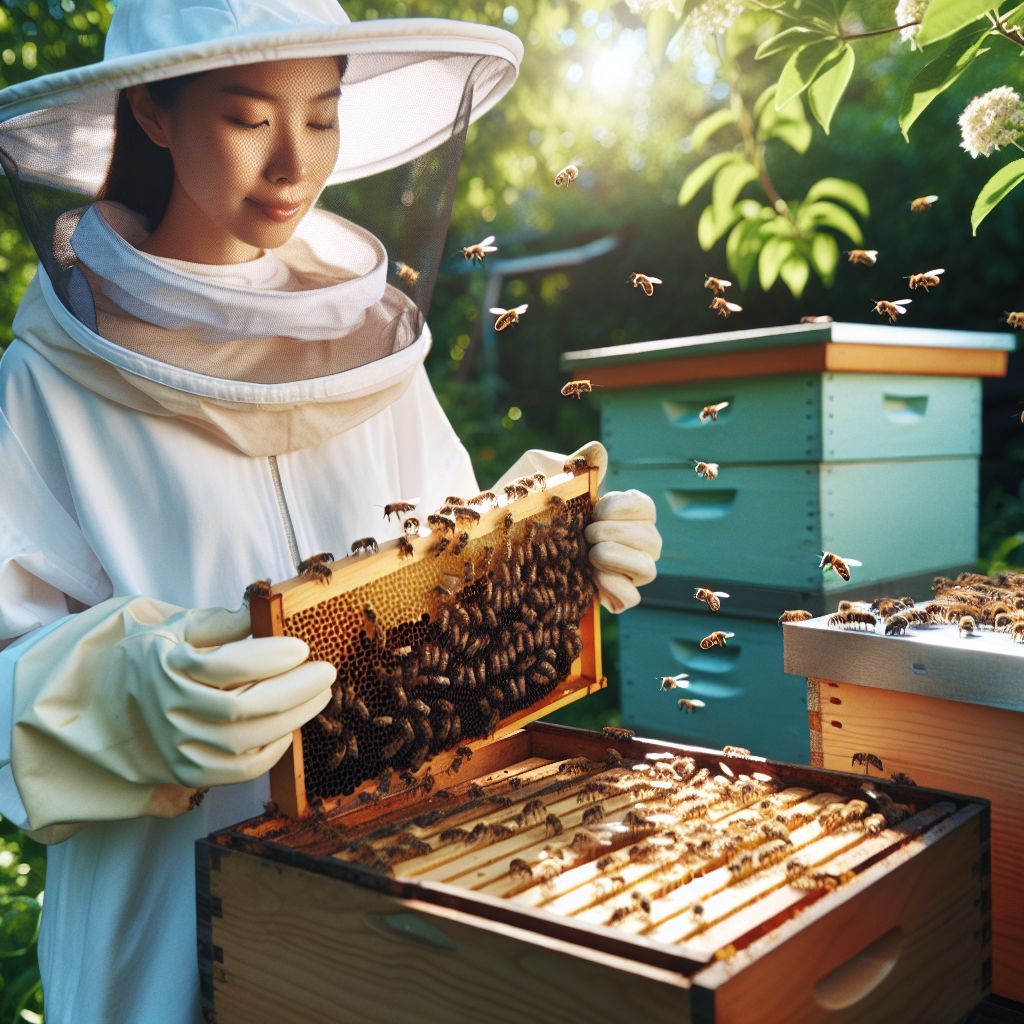
These visual cues can tell you a lot about the health of your hive at a glance.
Brood Check: Signs of a Healthy Queen
The presence of a laying queen is essential for a strong spring population. During your last inspections before winter, check for:
-
A pattern of brood that’s compact and solid, indicating a healthy queen.
-
Enough young bees to take over as winter bees.
-
Queen cells which may indicate the colony is planning to replace an underperforming queen.
These signs give you insight into the reproductive health of your hive.
Winterizing Entrances and Exits
Entrances and exits of your bee house are critical junctures. Not only do they allow bees to come and go during warmer days, but they also play a role in ventilation and protecting against intruders. In winter, you’ll want to reduce the entrance size to conserve heat and prevent mice or other pests from entering. You can use a mouse guard or entrance reducer for this purpose. Besides that, check for cracks or gaps around the hive that could let in drafts and seal them up.
Fueling Your Bees: Feeding Tips
Food is fuel, and during the winter, your bees will be living off the stores they’ve worked so hard to gather. However, if their summer efforts fall short, you’ll need to step in with supplemental feeding. A simple sugar syrup or fondant can be a lifesaver for a hungry hive. Just make sure the feed is accessible to the bees without them having to break the cluster, which is vital for maintaining warmth.
Formulating the Perfect Winter Diet
The right winter diet for your bees is simple: carbohydrates and water. Honey is the natural choice, but when that’s in short supply, a sugar syrup made from white sugar and water is a good substitute. The ratio should be 2:1 sugar to water to prevent fermentation. Place the feeder above the cluster so the bees can access it without getting too cold. And most importantly, check the feeders regularly to ensure they’re not empty.
Emergency Feeding: What and When
If you find that your bees have consumed all their stores and are at risk of starving, emergency feeding becomes critical. This usually involves placing fondant or a candy board directly above the bees. It’s a quick solution that provides immediate nutrition. The best time to do this is on a mild day when you can quickly open the hive with minimal disruption.
Defending Against Pests and Disease
Winter doesn’t just bring the cold; it can also bring an increased risk of pests and diseases taking advantage of your bees’ weakened state. Regular checks are vital to catch any issues early. Look for signs of Varroa mites, wax moths, and other parasites. If you find any, treat the hive accordingly with approved methods like mite strips or organic treatments like oxalic acid vaporization.
Identifying Common Winter Threats
Some of the most common winter threats to your bee house include:
-
Varroa mites, which weaken bees and spread diseases.
-
Small hive beetles that can spoil honey stores and damage comb.
-
Nosema, is a fungal infection that affects bees’ digestive systems.
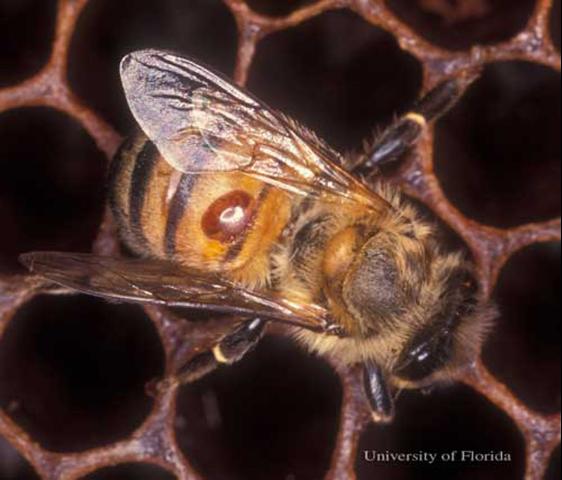
“Controlling Varroa Mites in Honey Bees …” from nwdistrict.ifas.ufl.edu and used with no modifications.
Being aware of these threats is the first step in protecting your hive.
Implementing Preventative Strategies
Prevention is always better than cure. To safeguard your hive:
-
Maintain good hygiene by regularly cleaning equipment and removing dead bees.
-
Use screen bottom boards to help control Varroa mite populations.
-
Consider wrapping your hives in black tar paper to help them retain heat and reduce stress on the colony.
These steps can go a long way in keeping your bees healthy over winter.
Maintenance Musts To Keep the Colony Thriving
Regular maintenance is key to a thriving bee colony, especially during the harsh winter months. Here are a few musts:
Regularly Checking Hive Weight
One of the best indicators of your bees’ health and well-being is the weight of the hive. By hefting the back of the hive, you can get a good sense of how much honey remains. A light hive might indicate that your bees are running low on food, prompting you to feed them. Do this check monthly, or more frequently during particularly cold snaps.
Moisture Control: Balancing the Hive Environment
Moisture is a silent killer in winter bee houses. It can lead to mold and chill the bees. Ensure your hive has adequate ventilation to allow moist air to escape. You can use a moisture board or quilt box above the brood nest to absorb condensation. Additionally, check for dampness during your inspections and take corrective action if needed.
Remember, too much moisture is just as dangerous as too little heat.
With these tips, your bee house should stand strong against the winter chill. But maintenance doesn’t stop when the snow melts. As the seasons change, so do the needs of your bees.
Finding Balance Through The Seasons
As winter wanes and signs of spring emerge, it’s time to reverse some of your winter preparations. Remove any excess insulation as the weather warms to prevent overheating and condensation. Gradually open up the entrance to allow for increased bee activity and ensure that the queen has enough space to lay eggs for the new season’s workers. As always, keep an eye out for any signs of disease or pests that can take advantage of the transition period.
Seasonal Adjustments: Transitioning Through Weather Changes
When the harshness of winter begins to fade, it’s essential to adjust your beekeeping practices to accommodate the changing climate. This transition period is critical as your bees will start to become more active and require different care.
One of the first tasks is to gradually remove winter wraps or insulation from the hives as temperatures rise. This prevents overheating and moisture buildup, which can be detrimental to the colony’s health. Additionally, it’s a good time to check and clean the bottom boards, as debris can accumulate there over the winter.
Moreover, as the days lengthen and the temperature warms, bees will increase their foraging activity. This means you’ll need to ensure that the hive entrance is clear of any blockages and is appropriately sized for the increased traffic. Also, be prepared to add supers to give your bees more room for honey storage as the nectar flow begins.
-
Remove winter insulation carefully to avoid shocking the bees with a sudden temperature change.
-
Clean bottom boards to prevent disease and allow for proper ventilation.
-
Adjust the hive entrance to accommodate increased bee activity and prevent traffic jams.
-
Monitor the colony’s food stores and continue feeding if necessary until natural food sources are abundant.
Spring Preparation: Setting Up for Success
Setting your bees up for success in spring starts with thorough inspections. Check the brood pattern for healthy growth and watch for any signs of swarming intentions. If you find swarm cells, take the necessary steps to manage the situation, such as creating a split or giving the colony more space.
Additionally, it’s time to start thinking about pest management again. As the weather warms, pests like Varroa mites can become more active. Implementing a spring treatment plan is crucial to keep these pests under control before they can harm your burgeoning colony.
Lastly, assess the overall health of the hive. Look for signs of diseases such as American Foulbrood or Nosema and take immediate action if you spot any issues. Healthy bees in spring lead to a productive and prosperous year for your beekeeping endeavors.
As you transition from winter to spring, remember that your bees’ needs change with the weather. Keeping a close eye on the hive will help you make the necessary adjustments to ensure a strong and vibrant colony.
Example: In early spring, I noticed my bees were sluggish and not foraging as expected. Upon inspection, I found that the hive entrance was partially blocked by dead bees and debris. After clearing it… the bees’ activity levels increased significantly, and they were able to take full advantage of the early nectar flow.
FAQs
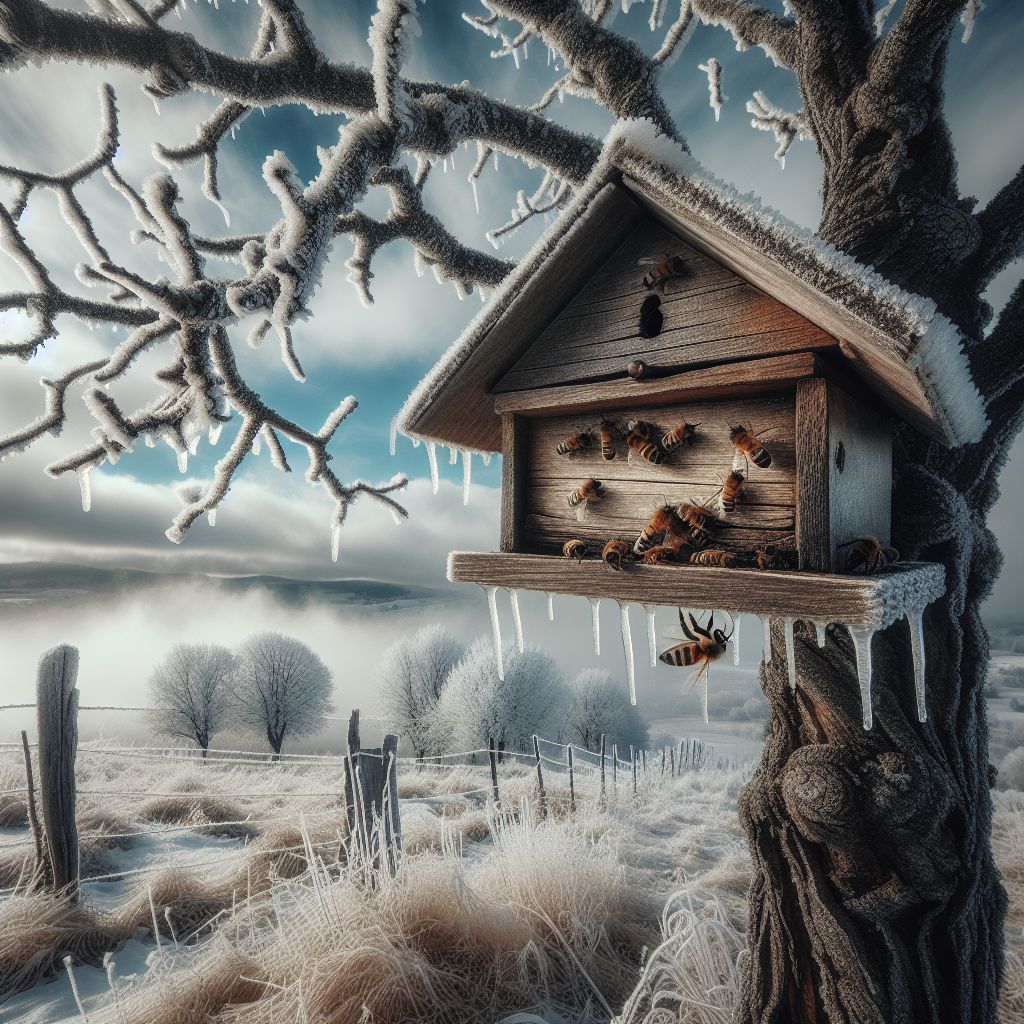
Now that we’ve covered the essentials of winter bee house maintenance, let’s address some frequently asked questions that can help you navigate the colder months more effectively.
How often should I check my bee house in winter?
In winter, it’s best to keep hive inspections to a minimum to avoid exposing the bees to cold air. A good rule of thumb is to check the hive weight monthly to gauge food stores and only open the hive on mild days if necessary.
What are the signs of a healthy bee colony in winter?
Signs of a healthy bee colony in winter include a tight cluster of bees, steady consumption of food stores, and minimal dead bees at the hive entrance. You should also see bees taking cleansing flights on warmer days.
Can I feed my bees sugar water during winter?
Feeding bees sugar water in winter is not ideal as it can freeze. Instead, provide solid food like fondant or sugar cakes that bees can consume without the risk of freezing.
How do I know if my hive needs more insulation?
If you notice excessive condensation inside the hive or the bees are consuming their food stores too quickly, it may indicate that the hive needs more insulation to retain heat.
What should I do if I find pests in my bee house during winter?
If you find pests such as Varroa mites or small hive beetles during winter, it’s important to treat the problem promptly with appropriate methods. Consider using organic treatments like oxalic acid vaporization for mites or traps for beetles.
Remember, maintaining a healthy bee house during winter is a proactive process. By following this maintenance checklist and addressing any issues promptly, you’ll give your bees the best chance of thriving through the winter and into the next season.