Planting Lavender Step-by-Step
let’s get down to business. Planting lavender is a straightforward process, but it’s important to get it right. This is where you lay the foundation for a garden that will buzz with bee activity for years to come.
Selecting the Best Lavender Variety
Before you even break ground, you’ll need to select the right variety of lavender. There are many types to choose from, each with its own growth habits and bloom times. Some popular bee-attracting varieties include Lavandula angustifolia, known for its sweet fragrance, and Lavandula x intermedia, which boasts larger flowers and a longer blooming season. Consider your climate and garden space when choosing your variety, as some may be more suited to your conditions than others.
Prepping Your Garden Bed or Containers
Whether you’re planting in the ground or in containers, preparing the area is key. Ensure the spot you’ve chosen has good drainage and is free from weeds. For container planting, pick a pot with sufficient drainage holes and use a well-draining potting mix. If you’re planting in the garden, loosen the soil and mix in some gravel or sand if necessary to improve drainage.
Prepping Your Garden Bed or Containers
Once you’ve got your lavender variety and the perfect spot, it’s time to roll up your sleeves. If you’re working with a garden bed, break up the soil with a fork or tiller to about a foot deep. This will loosen the soil, allowing roots to penetrate easily. Mix in some organic matter like compost to give the plants a good start, but remember that lavender doesn’t need rich soil. In fact, too much organic material can retain moisture and cause root rot.
For container planting, select a pot that’s at least 12 inches in diameter to give your lavender plenty of room to grow. Fill it with a commercial potting mix blended with coarse sand or perlite to enhance drainage. Position the container in a spot that gets plenty of sunlight – remember, lavender loves the sun!
The Ideal Planting Technique
Planting lavender is simple but requires attention to detail. Start by digging a hole that’s just as deep as the root ball and twice as wide. This gives the roots room to spread out. If you’re planting multiple lavenders, space them about 18 to 24 inches apart. This ensures good air circulation, which is vital for preventing disease.
Gently remove the lavender plant from its nursery pot, being careful not to disturb the root system. Place it in the hole and backfill with soil, pressing down firmly to eliminate air pockets. Water it in well to settle the soil around the roots. Here’s a crucial tip: don’t bury the plant too deep. The base of the stem should be level with the surrounding soil to prevent moisture from accumulating around the crown.
After planting, give your lavender a good drink of water, but be cautious not to overdo it. Lavender is drought-tolerant and prefers to stay on the dry side. From here on out, water sparingly – only when the soil feels dry to the touch. A layer of gravel or sand around the base can help with drainage and reflect sunlight back onto the plant, encouraging strong growth.
-
Dig a hole as deep as the root ball and twice as wide.
-
Space multiple plants 18 to 24 inches apart for air circulation.
-
Backfill with soil and press down firmly.
-
Water well to settle the soil around the roots.
-
Ensure the base of the stem is level with the surrounding soil.
Key Takeaways
-
Lavender is an excellent plant for attracting bees, thanks to its vibrant color and rich nectar.
-
Choosing a sunny spot with well-drained soil is crucial for lavender to thrive and attract bees.
-
There are various lavender varieties to choose from, each with its unique characteristics and benefits.
-
Proper planting and care, including minimal watering and regular pruning, are key to a healthy lavender garden.
-
Integrating lavender with other bee-friendly plants can create a diverse and lively garden ecosystem.
Why Lavender is a Bee Magnet
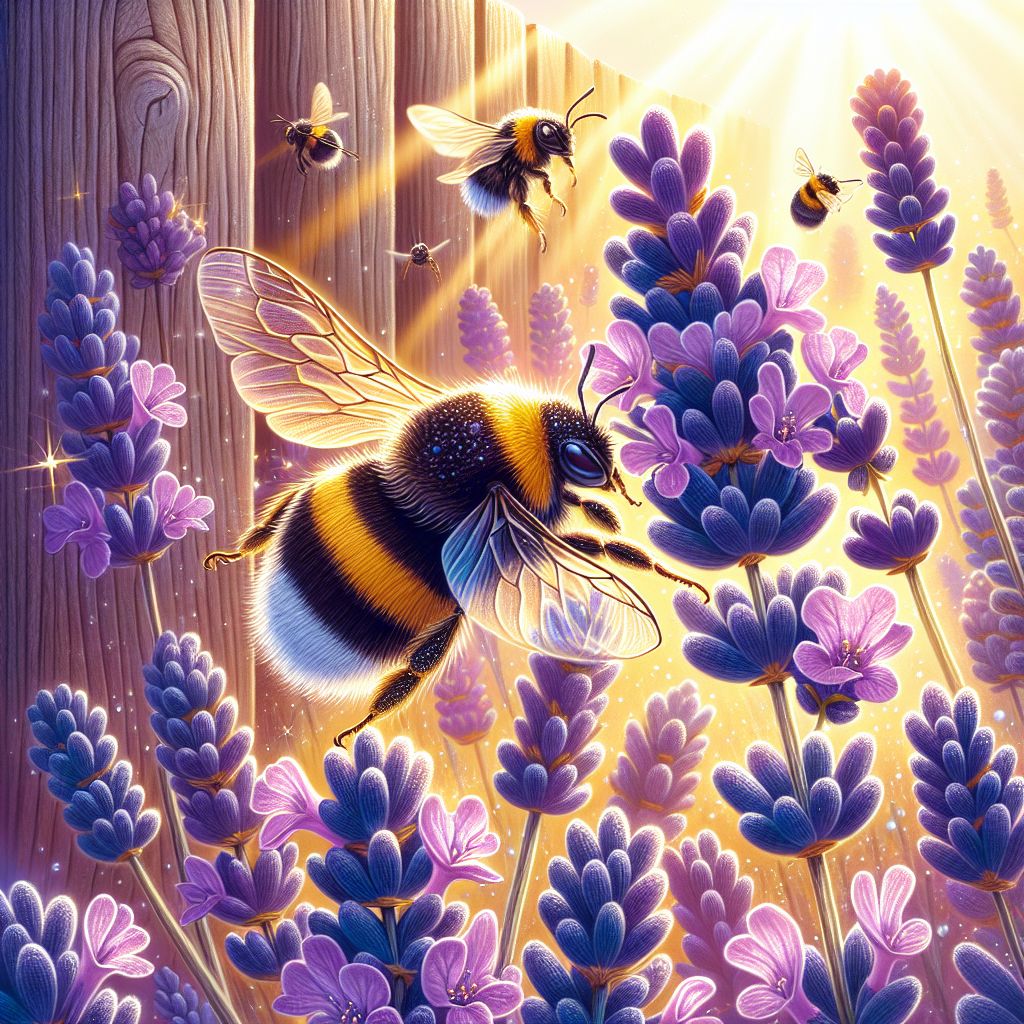
Imagine a garden buzzing with life, where bees flit from flower to flower, busily collecting nectar. This is the scene you can create by planting lavender, a true bee magnet. Lavender’s rich nectar is a siren call to bees, and its vibrant purple hue stands out like a beacon in the garden. Besides that, lavender’s delightful fragrance not only charms us but also attracts these essential pollinators. By choosing to grow lavender, you’re not just beautifying your garden, you’re contributing to a healthier environment.
Understanding Lavender’s Appeal to Bees
Have you ever wondered why bees seem to adore lavender? It’s because lavender flowers are rich in nectar, which is high in sugar. This energy-rich food is exactly what bees are searching for. Plus, lavender blooms consistently throughout the summer, providing a reliable food source for our buzzing friends. Furthermore, lavender’s strong scent helps bees locate the flowers from afar, and the flower’s shape is perfect for bees to land on and feed.
The Benefits of a Bee-Inhabited Garden
A garden teeming with bees is not only a sign of a healthy ecosystem but also brings several benefits. Bees are master pollinators, and their work helps increase the yield of fruit and vegetable crops. They’re essential for the reproduction of many plants, ensuring that our gardens remain diverse and productive. So, by attracting bees with lavender, you’re not just creating a picturesque garden but also nurturing nature’s own gardeners.
Choosing the Perfect Spot for Lavender
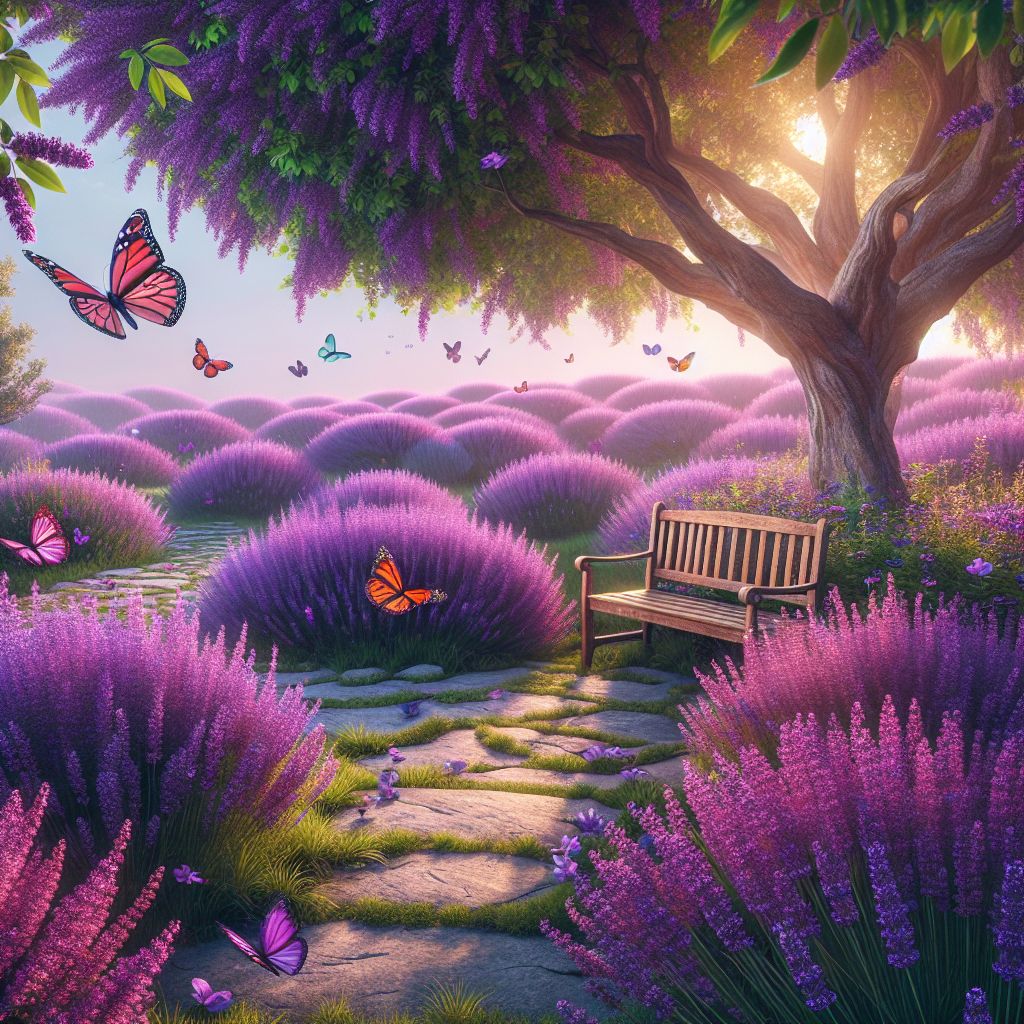
To ensure your lavender plants become the bee haven you desire, you must first choose the perfect spot. Lavender thrives under the full sun – at least six hours of direct sunlight is ideal. This sun-loving plant needs to soak up the rays to produce the abundant blooms that bees can’t resist.
Finding the Right Soil and Sunlight
The right soil is just as important as sunlight. Lavender prefers well-drained soil, as waterlogged roots can lead to rot. If you’re dealing with heavy or clay soil, consider raising your garden beds or incorporating gravel to improve drainage. Remember, a happy lavender plant with plenty of sun and well-drained soil will reward you with a flurry of bee activity.
Best Climate for Thriving Lavender
While lavender is quite adaptable, it flourishes in a Mediterranean climate – warm, dry summers and mild winters. If you live in an area with harsh winters, don’t fret. You can still grow lavender by providing some winter protection, such as mulching around the base of the plants. With a little care, you can create a microclimate that suits lavender just fine.
Nurturing Your Lavender for Peak Bloom
Now that your lavender is in the ground, it’s time to nurture it to peak bloom. This is when your garden will be most alive with bees, as they can’t resist the sight and scent of lavender in full flower. To achieve this, you’ll need to provide your plants with the right conditions and care.
Watering: Less is More
Watering your lavender plants properly is essential. Overwatering is one of the most common mistakes, so remember that less is more. Lavender prefers to be on the drier side, so let the soil dry out between waterings. When you do water, do it deeply to encourage the roots to grow down, seeking moisture and creating a more drought-resistant plant.
Pruning: Encouraging New Growth
Pruning is another key aspect of lavender care. It encourages new growth and prevents the plant from becoming woody and sparse. In early spring, before new growth begins, trim back about a third of the plant. This will stimulate fresh growth and help maintain a compact, bushy shape. After blooming, you can also deadhead the flowers to encourage a second flush of blooms.
When pruning, always use sharp, clean shears to make precise cuts. This helps prevent damage to the plant and reduces the risk of disease. And remember, never cut into the old wood, as lavender doesn’t regenerate from old growth.
A well-pruned lavender plant is a happy home for bees. They love the fresh new flowers that come after a good trim. Plus, pruning helps improve air circulation, reducing the chance of fungal diseases that can be a turn-off for bees.
For a bushier plant, trim back a third of the lavender in early spring, and deadhead after the first bloom to encourage a second flush of flowers.
Dealing with Pests Naturally
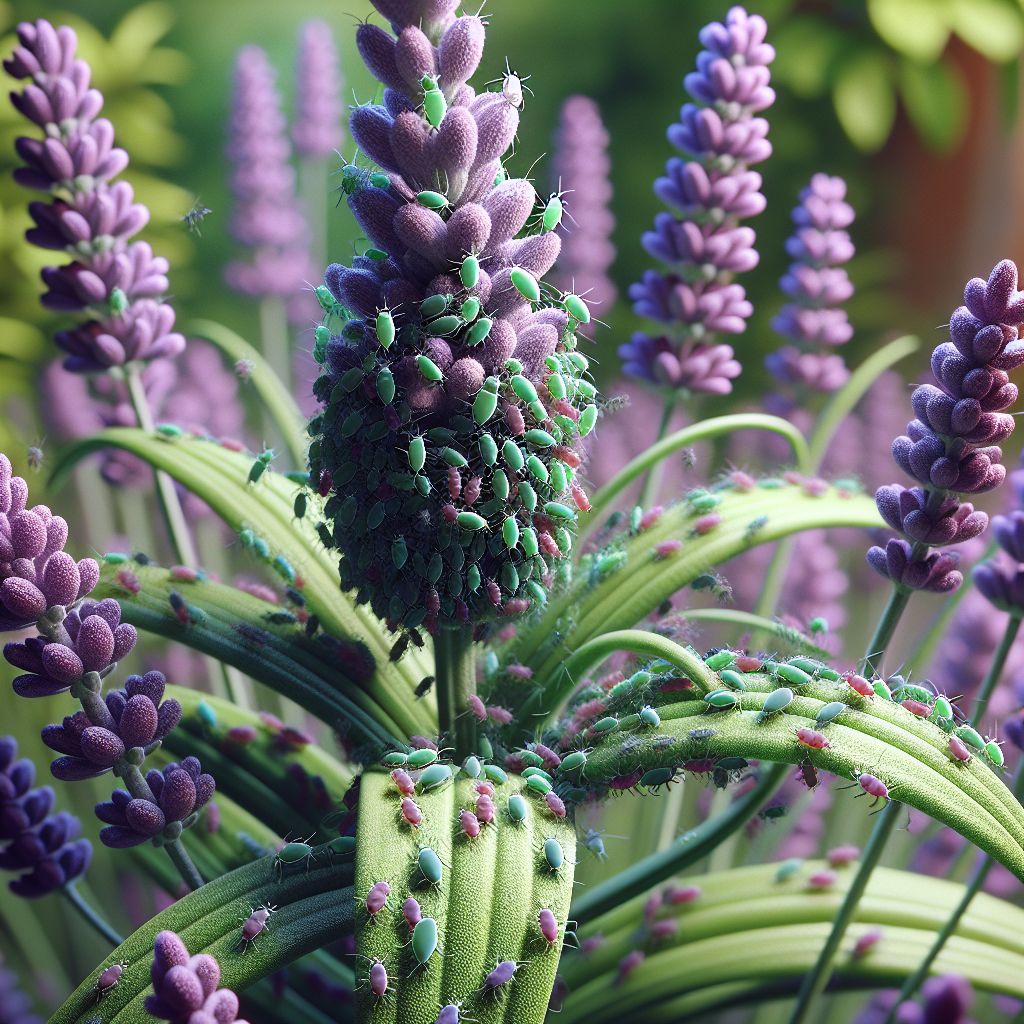
Lavender is naturally resistant to many pests, but occasionally you might encounter issues. If aphids or whiteflies appear, you can often control them by spraying a strong jet of water to knock them off the plant. For more persistent problems, use insecticidal soap or neem oil, which are safer for bees and other beneficial insects.
Year-Round Care for Your Lavender Garden
Your lavender will need different types of care throughout the year. By following these seasonal tips, you’ll keep your plants healthy and attractive to bees year after year.
Seasonal Lavender Maintenance Tips
In spring, refresh the mulch around your plants, being careful not to cover the crowns. This is also the time for your main pruning session. In summer, enjoy the blooms and keep an eye on watering, especially if you’re experiencing a dry spell. Come fall, prepare your plants for winter by reducing watering and allowing the plants to harden off. If you’re in a colder zone, consider adding a layer of mulch for insulation.
Winter Protection Strategies
In areas with harsh winters, lavender will need some extra care to survive. Mulching with straw or evergreen boughs can help protect the plants from freezing temperatures and drying winds. If you’re growing lavender in pots, move them to a sheltered location, like a garage or against the south side of your home, to provide some warmth during the coldest months.
Propagation: Growing More from What You Have
One of the joys of lavender is that it’s relatively easy to propagate. You can create new plants by taking softwood cuttings in the spring or semi-hardwood cuttings in the late summer. Simply snip off a 3-4 inch piece of the plant, strip the lower leaves, and dip the end in rooting hormone. Then, plant it in a mix of sand and peat, keeping it moist until roots develop. With patience and care, you’ll have new lavender plants to expand your garden or share with friends.
Creating a Haven: Companion Plants for Lavender
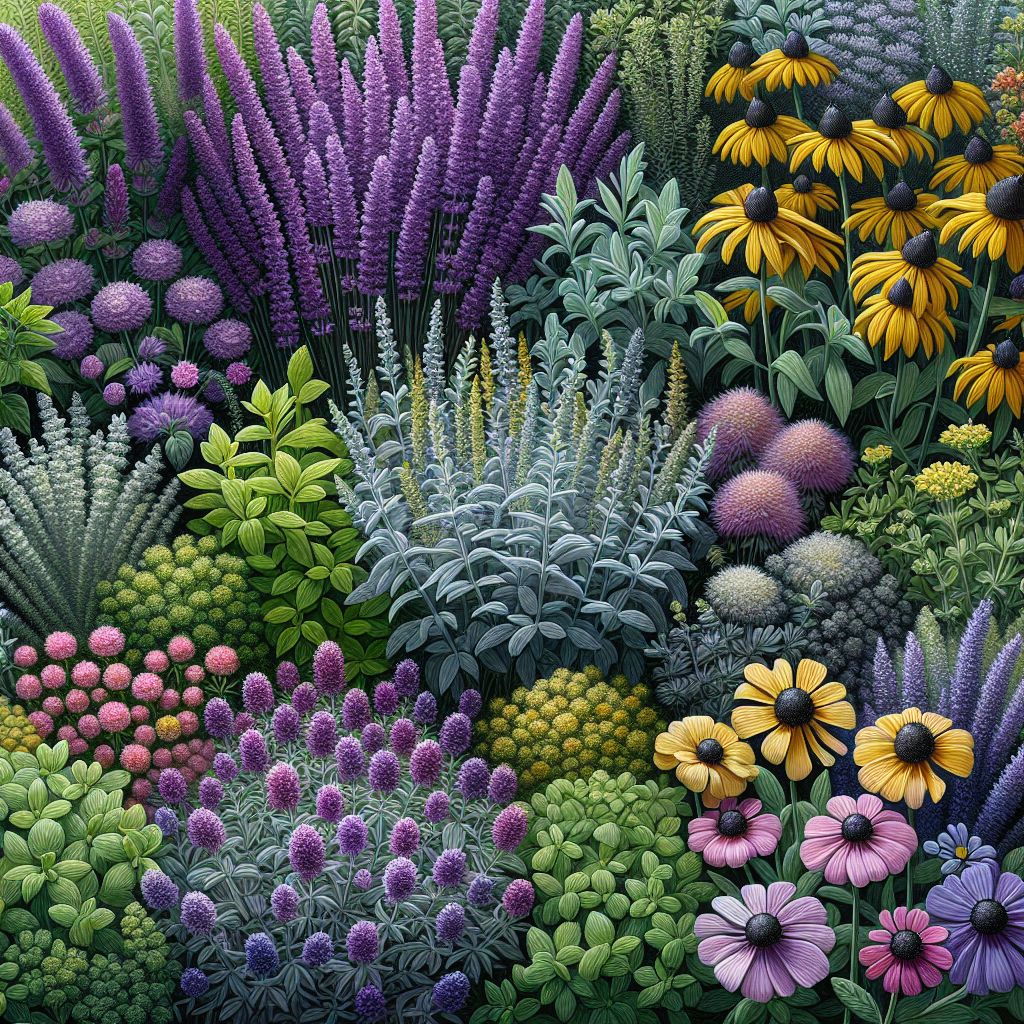
Lavender doesn’t just attract bees on its own; it also plays well with other plants to create a diverse ecosystem. Consider planting companions like rosemary, sage, and thyme, which also thrive in similar conditions and are attractive to bees. Flowers like echinacea, black-eyed Susans, and yarrow can add color and additional nectar sources. This mix of plants will not only support a healthy bee population but also give you a garden that’s alive with color and fragrance.
FAQs
When is the Best Time to Plant Lavender?
The best time to plant lavender is in the spring after the last frost, or in the fall before the first frost. This gives the plants enough time to establish their root systems before the extremes of summer heat or winter cold.
How Quickly Does Lavender Grow?
Lavender is a moderately fast grower. Once established, you can expect it to reach full size in about two years. Regular pruning will help maintain its shape and encourage new growth.
Can Lavender Grow in the Shade?
Lavender is a sun-loving plant and won’t thrive in the shade. It needs full sun to produce the best blooms and oils, which are the main attractants for bees.
How Often Should I Water My Lavender Plants?
Water newly planted lavender regularly to help it establish. Once established, water it once or twice a week, depending on the weather. Always let the soil dry out between waterings, as lavender does not like wet feet.
Example: A healthy lavender plant needs about an inch of water every week, whether from rainfall or irrigation. Adjust your watering schedule during hot, dry periods or if your soil drains very quickly.
What Are the Best Ways to Use Harvested Lavender?
Harvested lavender can be used in a variety of ways. Dry the flower spikes to use in sachets or potpourri, infuse them in oils for skincare, or use the blooms to flavor honey, baked goods, and teas. The dried stems can also be bundled and used as aromatic kindling for fires.
Remember, the best time to harvest lavender is in the morning after the dew has evaporated but before the sun is at its peak. This is when the oils are most concentrated in the flowers, giving you the most fragrant and potent harvest.
By following these tips and nurturing your lavender plants, you’ll create a vibrant, bee-friendly garden that’s a joy to behold. Not only will you enjoy the beauty and fragrance of lavender, but you’ll also be supporting the vital work of bees in our ecosystem. So, get planting, and watch as your garden becomes a haven for these essential pollinators.