
Key Takeaways
-
Early spring inspections are vital to check for signs of life and assess the hive’s food supply.
-
Feeding strategies in spring are crucial to support the bees until natural pollen and nectar are abundant.
-
April is the time to check the queen’s presence and brood pattern, and to take measures to prevent swarming.
-
Varroa mite counts and treatments should begin in mid-spring to ensure hive health.
-
Preparing the hive for the honey flow in late spring involves adding supers and expanding the brood area.
Ready, Set, Spring Into Beekeeping: Hive Maintenance for Success
Why Spring Hive Cleaning is Crucial for Bee Health
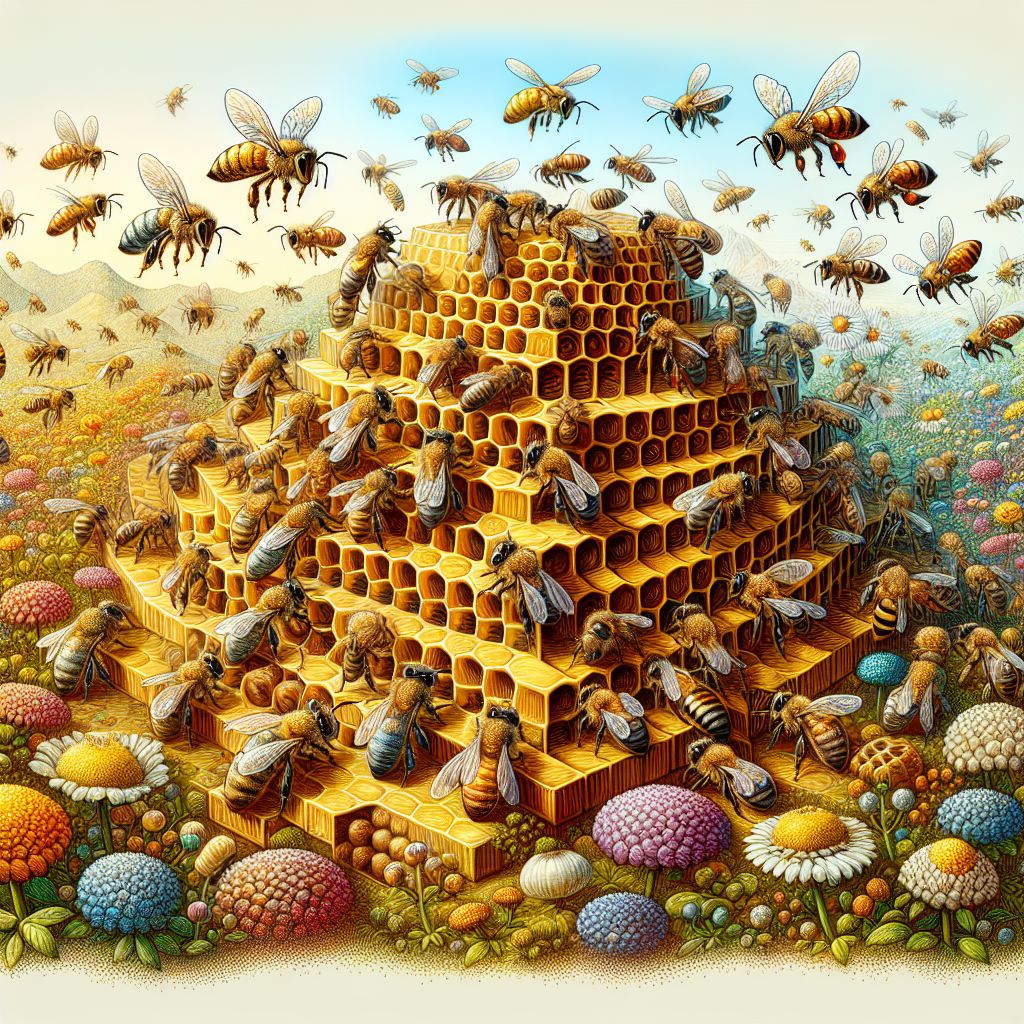
As the snow melts and the first flowers begin to poke through the soil, beekeepers know it’s time to spring into action. Spring hive cleaning isn’t just about tidiness; it’s about survival. During the colder months, bees cluster together for warmth, which can lead to an accumulation of debris and dead bees within the hive. A thorough clean-up ensures that the hive is free from obstructions, which could otherwise hinder the bees’ movement and productivity. Moreover, it’s an opportunity to check for diseases and pests that could have taken hold over winter. A clean and disease-free hive means a stronger, healthier bee colony ready to take on the challenges of the coming year.
Month-By-Month Hive Health Checklist
Keeping a hive healthy requires a proactive approach, and a month-by-month checklist is a beekeeper’s best tool. From the first inspection of the year to the final preparations for winter, every month brings specific tasks designed to keep the hive thriving. Let’s walk through the beekeeping calendar and highlight the key strategies and tips to ensure your bees are buzzing with health all year round.
March: Waking Up Your Hive
Assessing Winter Damage
When the first warm days of March arrive, it’s time to gently wake your hives from their winter slumber. This initial check is all about damage control. Did your bees have enough food to last through the winter? Are there signs of moisture or mold? These early inspections should be quick and non-invasive. If you find dead bees blocking the frames, carefully remove them. Remember, the goal is to disturb the bees as little as possible while making sure they have a clean and safe environment to start the new season.
Feeding Strategies: Supplements and First Blooms
Even as the world thaws, natural food sources for bees can still be scarce. Early spring feeding is critical to bridge the gap until flowers begin to bloom in abundance. Here’s what you can do: seasonal care tips for your beehive can provide guidance on how to support your bees during this crucial time.
-
Check the bees’ food supply and provide emergency feeding if necessary.
-
Feed dry pollen or pollen substitutes to stimulate brood rearing.
-
Use sugar water or fondant as a carbohydrate source if honey stores are low.
These supplemental feedings will give your bees the energy they need to increase their numbers and take full advantage of the first nectar flows.
April: The Queen’s Comeback
Inspecting the Brood Pattern
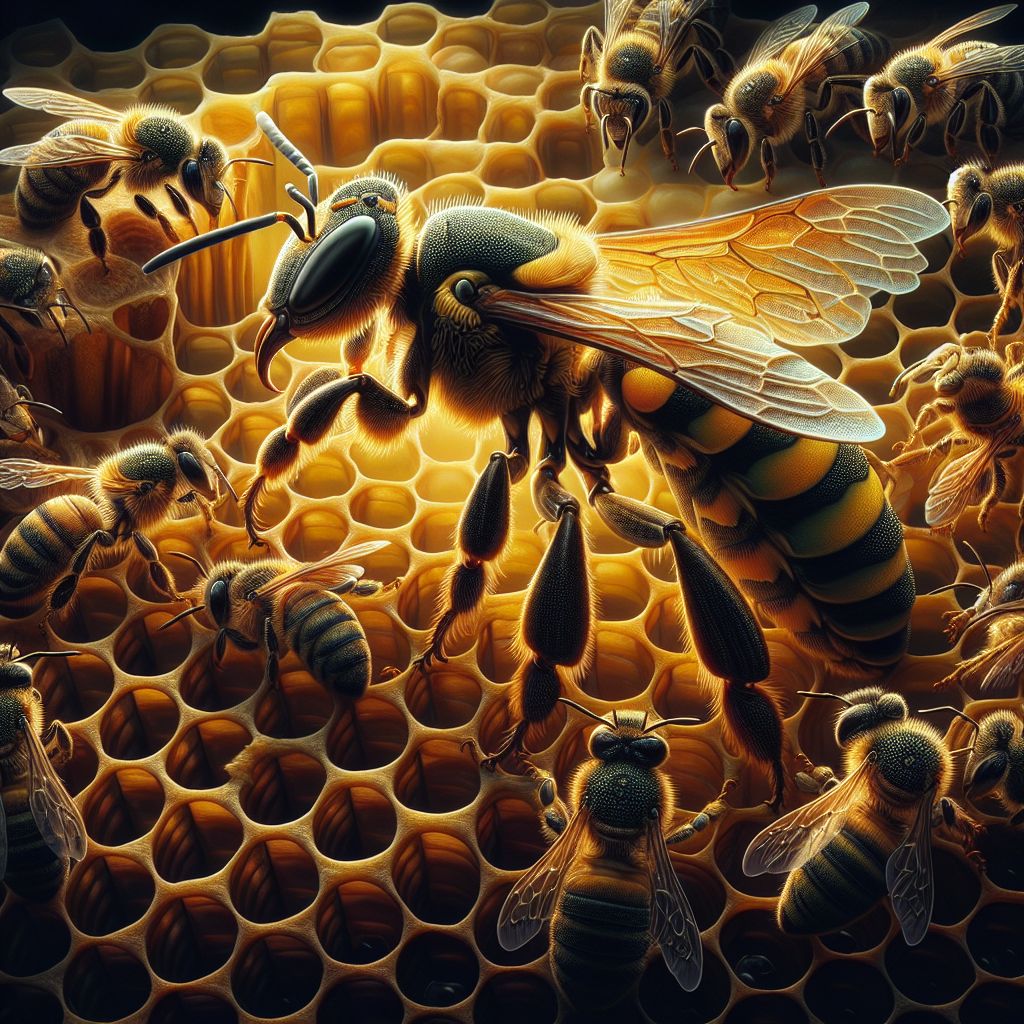
April showers bring May flowers, and with them, the need for a healthy queen to ramp up brood production. This is the time to confirm your queen’s presence and assess her performance. A good brood pattern — eggs, larvae, and capped brood in a compact area — is a sign of a strong queen. If the pattern is spotty or if you can’t find evidence of a laying queen, it might be time to consider requeening.
Preventing Swarming: Techniques and Timing
With the hive growing, swarming can be a concern. Swarming is a natural process where the old queen and a portion of the colony leave to form a new hive. Preventing swarming is crucial because it can significantly reduce your hive’s population and honey production. Here are some techniques to prevent swarming:
-
Regularly check for and remove queen cells, which are larger and peanut-shaped.
-
Ensure the hive has plenty of space by adding extra frames or boxes.
-
Consider splitting the hive if it’s particularly strong or crowded.
These steps will help keep your colony intact and your queen laying steadily throughout the prime spring buildup.
May: Managing the Surge
Adding Supers and Expanding the Brood Area
By May, your bees will be in full foraging mode, and the hive will be bustling with activity. This is the time to add supers — the boxes that house the honeycomb where bees store surplus honey. Adding supers not only provides space for honey but also encourages the queen to lay more eggs by expanding the brood area. This strategic addition can significantly increase your hive’s productivity.
Monitoring for Pests and Diseases

With the uptick in hive activity, pests and diseases can become a threat. Regularly inspect your bees for signs of trouble, such as varroa mites or foulbrood, and consult a beehive maintenance guide for seasonal care tips.
-
Varroa mites, which can be spotted on bees or in the brood.
-
Brood diseases like American Foulbrood or Chalkbrood, identifiable by irregular brood patterns and discolored larvae.
-
Pests like wax moths or small hive beetles, which can damage comb and honey stores.
Early detection and treatment are key to keeping your bees healthy and your hive productive.
June: Mid-Season Maintenance
Queen Rearing and Hive Division
June is often a time of abundance in the hive, and it presents an opportunity for beekeepers to rear new queens or divide hives. If you’re interested in increasing your apiary or replacing an older queen, now is the time to do it. Reared queens will have time to mate and begin laying before the end of the summer, ensuring strong colonies going into fall.
Varroa Mite Checks and Treatments
Varroa mites are one of the most significant threats to bee health. In June, when the bee population is high, it’s essential to check mite levels using methods like the sugar shake or alcohol wash. If mite levels are above the threshold, treatments such as Apivar or oxalic acid vaporization can be applied. Remember:
Always follow the label instructions and avoid treating with chemicals during honey flow to keep your honey pure and safe for consumption.
July: Preparing for the Harvest

Optimizing Honey Storage Space
As the main nectar flow hits its peak, July is all about optimizing honey storage space. Keep an eye on the supers and add more as needed. A full super can be removed and extracted to make room for more. The key is to stay ahead of your bees’ production to avoid overcrowding and to encourage maximum honey storage.
Ensuring Adequate Ventilation and Hydration
Heat and humidity can build up inside the hive during the hot summer months, which can stress your bees and even lead to comb collapse. To prevent this:
-
Ensure your hive has good airflow by using ventilated covers or propping the lid slightly.
-
Provide a water source close to the hive so bees can cool the hive and themselves.
These measures help maintain a comfortable environment for your bees to thrive and continue producing honey.
August: Assessing Hive Strength
As the dog days of summer roll in, the hive’s strength is put to the test. August can be a tricky month for beekeepers, as it often marks the beginning of the end for the year’s nectar flow. This is the time to assess your hive’s strength and prepare for the late-summer blooms. A strong hive will have plenty of bees, a healthy queen, and adequate honey stores.
Preparing for Late-Summer Blooms

Even though the main nectar flow may be waning, there are still opportunities for your bees to collect nectar and pollen. Goldenrod and aster can provide a late-season boost to your bees’ food stores. Encourage your bees to take full advantage of these blooms by ensuring they have enough room to store the nectar and pollen they collect.
Examining Honey Surplus and Planning Harvests
By August, you should have a good idea of your hive’s honey surplus. If you have more than enough honey for your bees to survive the winter, you can plan to harvest. Remember, it’s essential to leave enough honey for the bees — they’ll need it to make it through the colder months. A general rule is to leave at least 60 pounds of honey for the bees, but this can vary depending on your local climate and the length of the winter.
September: The Wind-Down
Feeding and Preparing for Winter
In September, the focus shifts to preparing your bees for winter. Begin feeding your bees if the honey stores are insufficient. A 2:1 sugar syrup can help the bees to build up their stores. This is also the time to start reducing the hive’s entrance to prevent robbing and to make it easier for the bees to defend their home.
Assessing Queen Performance
Now is also a good time to assess your queen’s performance. If she’s still laying well and the brood pattern looks good, she’s likely to make it through the winter. If not, consider requeening while the weather still allows for it.
October: Last Minute Touch-Ups
Final Pest and Disease Checks
As the weather cools, pests and diseases can become more of a problem. Conduct a final thorough check for varroa mites, and treat if necessary. Look for signs of brood diseases and take action to address any issues before sealing the hive up for winter.
Securing Hives Against Weather Changes
October’s unpredictable weather means it’s time to secure your hives against the elements. Check that your hives are in a location that’s protected from strong winds, and ensure that they’re weighted down or strapped to prevent tipping during storms.
November: Pre-Winter Wrap Up
As the leaves fall and the first frosts hint at the coming winter, it’s time to wrap up your beekeeping tasks. November is about putting the finishing touches on your winter preparations.
Installing Mouse Guards and Reducing Entrances
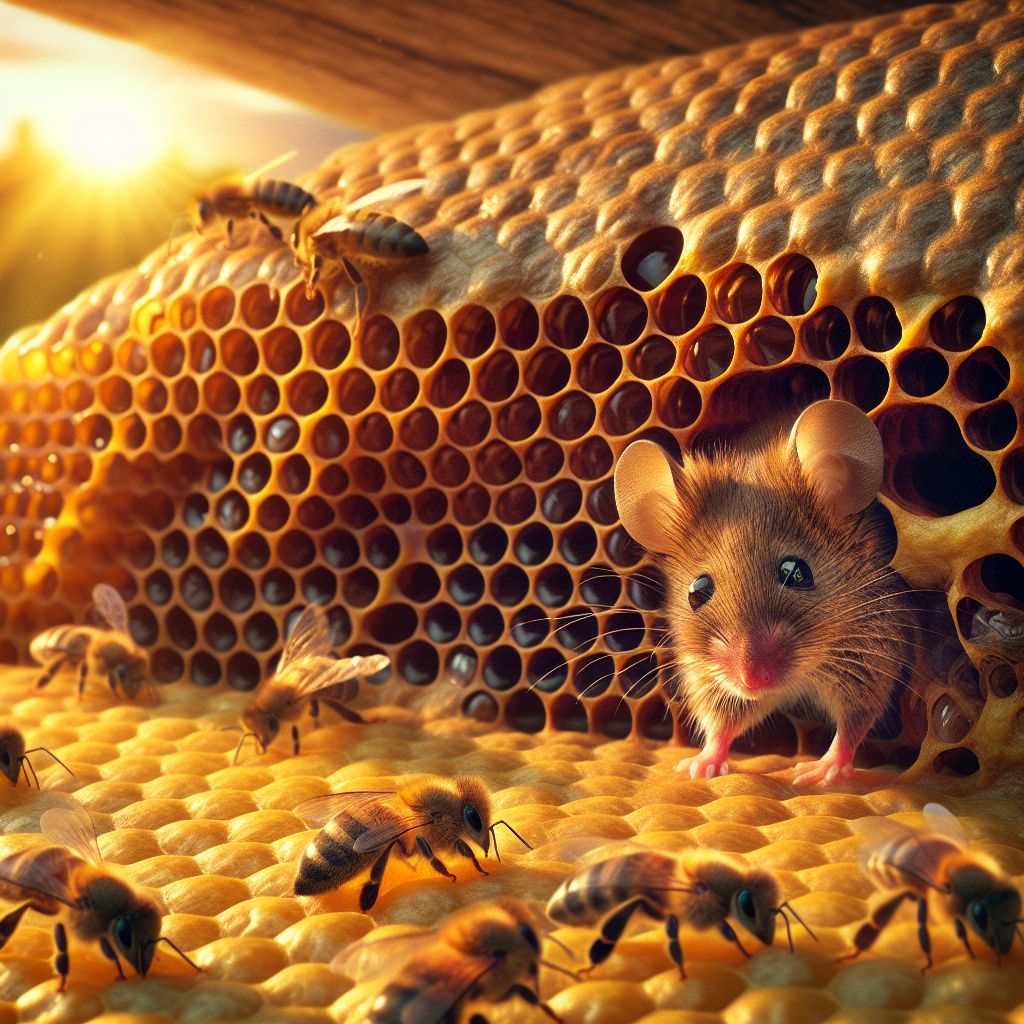
Mice can be a problem in the winter as they seek out warm places to nest. Install mouse guards to keep them out of your hives. Reducing the hive entrances will also help your bees defend against robbing and keep out cold drafts.
Insulation Techniques and Final Feedings
Depending on your climate, you may need to insulate your hives to help your bees keep warm. Wrap hives with insulation material, but be sure to allow for proper ventilation to prevent moisture buildup. Also, provide a final feeding to ensure your bees have enough stores to last through the winter.
December: The Quiet Month
Cataloguing Year-End Hive Health
December is a time for reflection and planning. Take this time to catalog your year-end hive health, noting any issues that arose and how you addressed them. This record-keeping will be invaluable for planning next year’s beekeeping activities.
Planning for Spring and Ordering Supplies
Finally, use the downtime to plan for the spring. Order any supplies you’ll need, such as new frames, foundation, or even bees if you’re expanding your apiary. Being prepared will make the spring rush much smoother and more enjoyable.
Frequently Asked Questions (FAQ)
What’s the Best Time of Day for Spring Hive Inspections?
The best time for spring hive inspections is on a warm, sunny day when the bees are active and flying. Late morning to early afternoon is ideal, as the temperature is warmer and the forager bees are out, reducing the hive’s population and making the inspection less intrusive.
How Do I Know if My Hive Needs Feeding?
If your hive is light on stores or if you notice bees foraging on cold days when they should be clustered, it’s a sign they may need feeding. A simple way to check is by lifting the back of the hive to gauge its weight; a heavy hive likely has enough stores, while a light one may need supplemental feeding.
Can I Introduce a New Queen in the Spring?
Yes, you can introduce a new queen in the spring. It’s actually a great time to do so, as the hive is building up and the new queen will have plenty of time to establish herself and lay eggs before the main nectar flow begins.
When Should I Begin Treating for Varroa Mites?
Begin treating for varroa mites in the spring, once the weather warms up and before the honey flow begins. This will help keep mite populations in check and ensure the health of your hive going into the more active months.
Is There a Way to Prevent Swarming?
While you can’t completely prevent swarming, you can reduce the likelihood by:
-
Providing plenty of space for the queen to lay and for bees to store nectar and pollen.
-
Regularly checking for and removing swarm cells.
-
Managing ventilation and hive temperature to reduce overcrowding stress.
These measures can encourage your bees to stay put and continue working in the hive you’ve provided for them. For more detailed guidance, explore our seasonal beehive maintenance guide.