Key Takeaways
-
Bees play a crucial role in pollinating plants and maintaining the health of your garden.
-
A bee house garden should include a clean, safe water source, a variety of plants for nectar and pollen, and nesting opportunities.
-
You can create a bee watering station with simple materials like shallow dishes, stones, and natural elements.
-
Selecting the right plants is key; opt for native flowers, herbs, and shrubs that provide food and shelter for bees.
-
Regular maintenance of your bee garden ensures a safe habitat for bees and maximizes their beneficial presence.
Creating a Buzz with Bee-Friendly Gardens

Imagine your garden alive with the gentle hum of bees, each one a tiny but mighty worker contributing to the health of your plants and the environment. It’s not just a dream—it’s an achievable goal. And it all starts with understanding the pivotal role bees play and how we can invite them into our gardens with bee house garden designs.
Understanding the Role of Bees in Your Garden
Bees are the superheroes of pollination. They transfer pollen from one flower to another, fertilizing plants so they can produce fruits and seeds. Without bees, our gardens would be less vibrant and our plates less colorful. By creating a bee-friendly garden, we’re not only helping these essential pollinators, but we’re also enhancing our own little slice of nature.
Essential Components of a Bee House Garden
To transform your garden into a bee haven, you’ll need to think about what bees are searching for: water, food, and shelter. A successful bee house garden design caters to all these needs, ensuring that bees can thrive and, in turn, help your garden flourish.
Water Features that Make a Splash
Just like us, bees need water to survive. But a bee’s needs are specific: they require shallow, clean water sources they can access without drowning. This is where creativity comes in, as you can design water features that are both functional for bees and aesthetically pleasing for your garden.
“Creating a bee watering station is a simple and meaningful way to provide clean drinking water for the bees and support the whole life of the hive.” – Lindsay Sheehan
Building a Bee Watering Hole

Let’s dive into constructing a bee watering hole. It doesn’t have to be complicated; a shallow dish or a birdbath can become a bee oasis with a few tweaks. Here’s what you need to do:
-
Choose a shallow container that bees can easily land on and wade in without risk of submersion.
-
Add stones, pebbles, or marbles to the water to give bees a safe place to land and drink.
-
Keep the water clean and refill it regularly to ensure a constant supply for your buzzing visitors.
Remember, the key is to create a safe and inviting space for bees to hydrate. A well-designed bee watering station can become the talk of the hive and a focal point in your garden.
Choosing the Right Materials for Your Water Feature
When selecting materials for your bee watering station, it’s important to choose items that are safe for bees and can withstand outdoor conditions. Let’s look at some options:
Stones and Pebbles
Smooth stones and pebbles are perfect for bee baths because they provide a textured surface for bees to grip. Make sure they’re not too slippery when wet, as bees need to maintain their footing.
Natural Elements
Incorporating natural elements like twigs, leaves, or even moss can mimic a bee’s natural drinking environment. These materials can also add a rustic charm to your garden design.
Maintaining Clean and Safe Bee Water Stations
Once your bee watering station is set up, maintenance is straightforward but essential. Clean the water source regularly to prevent the growth of algae and bacteria, which can harm bees. Refill the station with fresh water often, especially during hot or dry periods.
In the next part, we’ll delve into choosing the right plants to attract pollinators and designing elements that make your garden a welcoming place for bees. Stay tuned for more buzz-attracting tips that will make your bee house garden a hive of activity.
Plant Selections to Attract Pollinators

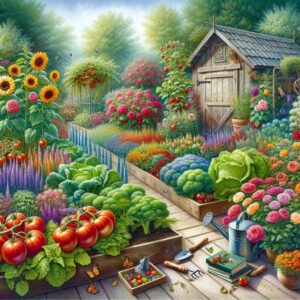
When it comes to inviting bees to your garden, the plants you choose are like putting out a welcome mat. Bees are on the lookout for two main things in flowers: nectar, which provides energy, and pollen, which is a source of protein. To create a smorgasbord for these hardworking pollinators, diversity is key. A variety of flowering plants that bloom at different times ensures that bees have a constant source of food throughout the growing season.
Choosing Flowers that Bees Love
Bees have good taste when it comes to flowers, and they’re particularly attracted to certain types. Here’s a quick list to get you started:
-
Sunflowers – With their large, flat faces, sunflowers are like landing pads for bees.
-
Lavender – The soothing scent of lavender is irresistible to bees and humans alike.
-
Coneflowers – These hardy blooms are a favorite for many pollinators, not just bees.
-
Borage – Known as a bee’s delight, borage produces a blue flower that bees adore.
Most importantly, opt for native plants whenever possible. They’re already adapted to your local climate and soil, making them easier to grow, and they’re often more appealing to local bee species.
Herbs and Shrubs with Dual-Purpose

Besides flowers, consider planting herbs and shrubs. Many herbs such as rosemary, thyme, and mint flower profusely and provide excellent forage for bees. Shrubs like butterfly bush and lilac not only add structure to your garden but also offer abundant blooms for bees to visit. The bonus? You’ll get to enjoy the fresh herbs and the delightful scents of flowering shrubs, too.
When selecting plants, keep in mind the importance of avoiding pesticides, which can be harmful to bees. Organic gardening practices aren’t just good for the bees; they’re better for the environment and for us.
Design Elements that Welcome Bees
Creating a bee-friendly garden is about more than just selecting the right plants. It’s about designing a space that caters to bees’ needs for shelter and nesting. By including certain design elements, you can make your garden a sanctuary for these vital creatures.
Incorporating Bee Hotels into Your Landscape
Bee hotels provide nesting sites for solitary bees, which are excellent pollinators and often lack natural nesting spots. You can make a simple bee hotel by drilling holes of various sizes into a block of untreated wood or by bundling hollow stems, like bamboo, together. Position your bee hotel facing east to catch the morning sun and mount it at least a meter off the ground to protect it from predators and moisture.
However, not all bee hotels are created equal. The diameter of the holes should vary to accommodate different species of bees, and the depth should be enough to encourage egg-laying. Make sure to clean or replace your bee hotels annually to prevent the spread of parasites and diseases.
Location Tips for Maximum Buzz
Where you place your bee hotels and water stations can make a big difference. Here are some tips to ensure your bee amenities are a hit:
-
Keep them near flowering plants to make it easy for bees to find food.
-
Ensure they’re visible but protected from high winds and heavy rain.
-
Avoid placing them near high-traffic areas to reduce disturbances to the bees.
By thoughtfully positioning these elements, you’ll encourage more bees to take up residence in your garden.
DIY vs. Store-bought Bee Hotels
There’s a certain charm to DIY bee hotels, and they can be a fun project to tackle. Plus, you can use recycled materials, which is a win for the environment. Store-bought bee hotels are convenient and often come with a sleek design, but they may not always meet the specific needs of your local bee population. If you do buy one, choose a reputable brand that understands bee biology and habitats.
Shelter and Nesting: More Than Just a Garden
Your bee house garden is more than just a collection of plants and water features; it’s a habitat. Providing shelter, such as dense shrubs or grasses, can offer bees protection from predators and harsh weather. Nesting materials, like dead wood and undisturbed patches of ground, can attract ground-nesting bees. By considering the full spectrum of bees’ needs, you’re not just designing a garden—you’re crafting an ecosystem. Discover more about bee house attraction techniques to enhance your garden’s appeal to these vital pollinators.
In the final part of this series, we’ll cover practical tips for maintaining your bee garden and keeping it a safe haven for your buzzing friends. We’ll also answer some frequently asked questions to help you become a true bee garden champion.
Practical Tips for a Thriving Bee Garden
Now that you’ve laid the groundwork for a bee-friendly garden, let’s focus on upkeep. Regular maintenance is vital to keep your garden buzzing with activity. This includes monitoring plants for health, ensuring the water station is clean and filled, and watching for any signs of disease or pests that could affect your bee population.
Regular Maintenance to Keep Bees Buzzing
Inspect your bee hotels and replace or clean them as needed to prevent mites and mold. Deadhead flowers to encourage more blooms, and keep an eye on your plants’ watering needs, especially during dry spells. A well-maintained garden is not only beautiful but also a beacon for bees.
Bee Safety: Pesticides and Predators
It’s crucial to avoid using pesticides in your bee garden. If you must manage pests, opt for natural alternatives that won’t harm bees. Also, be mindful of predators. While a healthy garden ecosystem includes a variety of creatures, you can take steps to protect bees by providing hiding spots and avoiding chemicals that could attract bee predators.
FAQ
Let’s address some common questions you might have as you embark on creating your bee-friendly garden:
How often should I change the water in the bee bath?
It’s best to change the water every few days to keep it fresh and prevent the growth of algae. In hot weather, you may need to refill it more frequently due to evaporation. For more information on helping our pollinator friends, check out these bee watering station ideas.
Cleanliness is key. Rinse out the container with clean water and scrub it if necessary to remove any dirt or algae before refilling. This simple step ensures that your bee bath remains a safe drinking spot for your pollinator pals.
What plants should I avoid in a bee-friendly garden?

Avoid plants that are toxic to bees or have been treated with pesticides. Some common culprits include azaleas, rhododendrons, and oleander. Research before planting and always choose organic options when available.
Can I use tap water for my bee watering station?
Yes, tap water is generally safe for bees, but if your water is heavily chlorinated, it’s best to let it sit for a day before adding it to the bee bath to allow the chlorine to dissipate.
Another tip is to add a pinch of salt or a few drops of honey to the water to mimic natural minerals found in water sources bees may encounter in the wild. Just remember, moderation is key—too much salt or sugar can be harmful.
What materials work best for DIY bee houses?
Untreated wood, bamboo, and reeds are excellent materials for DIY bee houses. Ensure the holes are smooth and vary in size to accommodate different bee species. Avoid using plastic or metal, which can create unsuitable temperatures for bees.
Keep in mind that different bee species have different preferences. Some like hollow tubes, while others prefer solid wood with drilled holes. Cater to a variety of species to increase your garden’s biodiversity.
When is the best time to set up a bee garden?
The best time to set up a bee garden is in the early spring when bees emerge from hibernation and start looking for food and nesting sites. This gives them time to establish themselves in your garden before the main pollination season.
However, it’s never too late to start. Even if you begin in the summer or fall, you can still provide resources for bees that will benefit them in the following season. Every step you take makes a difference in supporting these essential pollinators.
Bee House Garden Designs: Unique Water Features & Buzz-Attracting Tips