Imagine the sweet reward of honey, harvested directly from the hive without disturbing the bees. It’s not just a dream anymore; it’s a reality with the advent of Flow Hives. This innovative approach to beekeeping has transformed the way we interact with these incredible pollinators and harvest their golden produce.
Let’s dive into the world of Flow Hives and discover why they’re making such a buzz in the beekeeping community. You’ll learn not just about the hives themselves, but also how to set them up, maintain them, and of course, the sweetest part—harvesting the honey.

Key Takeaways
-
Flow Hives offer a less invasive method to harvest honey, directly from the hive.
-
The Flow Hive Classic is widely used in over 130 countries and is suitable for beekeepers of all levels.
-
Flow Hive 2+ includes the latest innovations for hive health management.
-
Regular inspections and maintenance are crucial, even with a Flow Hive.
-
Flow Hives can be used in various climates and are adaptable to different beekeeping practices.
What Is a Flow Hive?
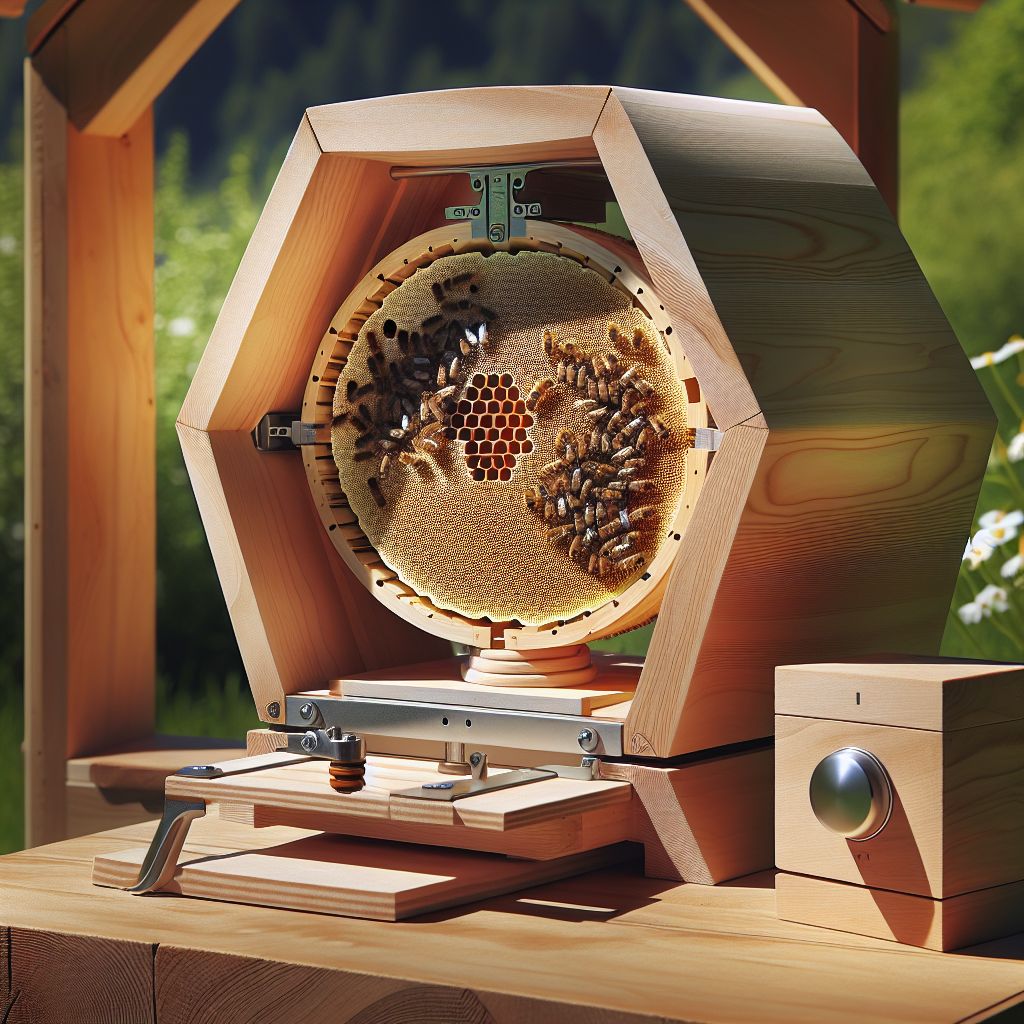
At its core, a Flow Hive is a beehive that incorporates a patented technology allowing beekeepers to extract honey without opening the hive and with minimal disturbance to the bees. It’s an incredible leap forward in beekeeping tech, designed to make the process of honey collection easier, cleaner, and more efficient. The heart of this system is the Flow Frame, which bees fill with honey and cap as they would in a traditional frame.
When it’s time to harvest, instead of removing the frames, you simply insert a tool and turn it. This action shifts the cells within the Flow Frame, creating channels for the honey to flow down and out of the hive, straight into your jars. It’s as mesmerizing as it sounds, and it’s a game-changer for beekeepers and bees alike.
Why Flow Hives are Buzzing in Beekeeping
Flow Hives have garnered attention for several reasons. First, they make the honey harvesting process much less labor-intensive. You no longer need to suit up, smoke the bees, and remove the frames, which can be a heavy, sticky process. Plus, the bees are less disturbed by the harvest, reducing stress on the colony.
But that’s not all. Flow Hives also provide an educational window into the world of bees. Many models include a clear end-frame view, so you can watch your bees at work without opening the hive. This isn’t just fascinating; it’s a powerful tool for raising awareness about the importance of bees for our ecosystems.
Most importantly, the innovation behind Flow Hives has brought a surge of interest to beekeeping, inviting a new generation to take part in this vital and rewarding pursuit.
Top Rated Flow Hives of 2023
With several models available, it can be overwhelming to choose the right Flow Hive. Let’s break down the top contenders so you can decide which hive will best suit your beekeeping aspirations.
Flow Hive 2+
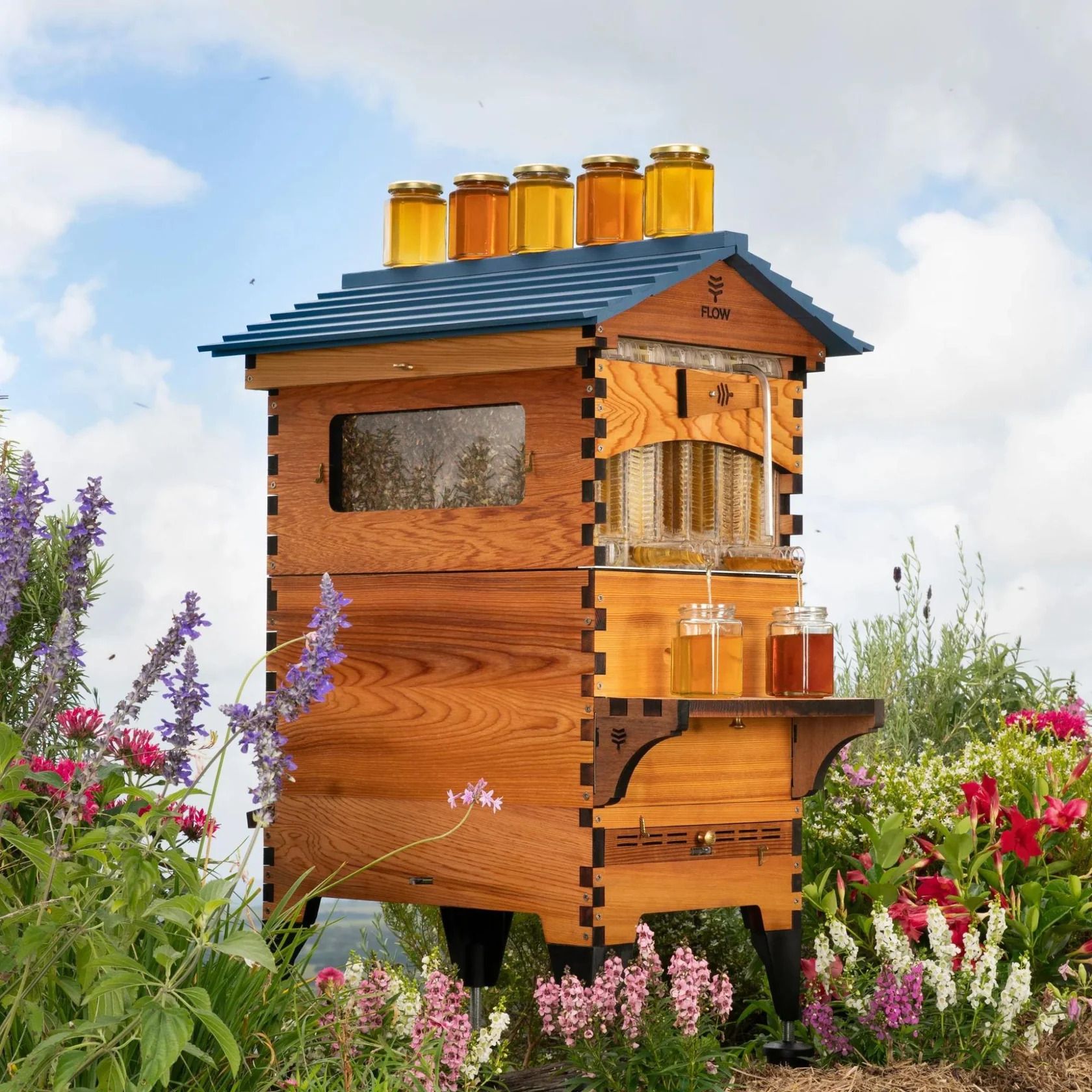
The Flow Hive 2+ is the cream of the crop, offering premium features for the beekeeper who wants the best. Crafted from beautiful western red cedar, it includes an integrated pest management screen, a multifunctional tray for catching debris and monitoring mite levels, and an adjustable stand to keep your hive off the ground and level.
It’s not just about good looks and convenience; the Flow Hive 2+ also has improved functionality. The latest model includes an upgraded harvesting system, a redesigned base for better airflow, and additional features for hive health management like ant-guards and an entrance reducer. It’s the ultimate package for those who want to marry tradition with innovation.
Flow Hive Classic
The Flow Hive Classic is where it all started. It’s the original model that captured the world’s imagination, allowing beekeepers to harvest honey without opening the hive. The Classic is a perfect starting point for beginners but is also loved by seasoned beekeepers for its simplicity and effectiveness.
Its design is tried and true, offering the same revolutionary Flow technology in a more basic setup. It’s also made from sustainably sourced materials, showing that you can care for the bees and the planet at the same time.
Flow Hive Hybrid
The Flow Hive Hybrid offers a blend of traditional and Flow frames in one super. This mix allows beekeepers to experience the best of both worlds—the ease of honey harvesting with Flow frames and the natural comb building of traditional frames.
This model is particularly appealing to those who appreciate the artisanal aspects of beekeeping but want to incorporate some of the conveniences of modern technology. It’s also a great choice for educational purposes, as it provides a clear view of different aspects of bee behavior and honey production.
Choosing the Perfect Location

Before you can revel in the wonders of beekeeping, you need to find the ideal spot for your Flow Hive. It’s crucial to choose a location that meets a few key criteria to ensure the health and productivity of your bee colony. Look for a spot that gets morning sunlight but is shaded in the afternoon, has dry ground, and is shielded from strong winds. Ensure there’s a water source nearby, as bees need water just like we do. And remember, your bees will need space for their flight path, so keep the area in front of the hive clear.
Assembling Your Flow Hive
Assembling your Flow Hive is a bit like putting together a piece of flat-pack furniture, but way more rewarding. Each piece is precision-cut and designed to fit together seamlessly. Start by laying out all the parts and cross-referencing them with the instruction manual. Then, step by step, you’ll build the brood box, add the frames, and construct the super that houses the Flow Frames. Make sure to follow the instructions carefully; a well-assembled hive is crucial for the well-being of your bees.
Don’t rush the process. Take your time to ensure everything fits snugly and securely. If you’re feeling unsure, there are plenty of resources available, including online tutorials and beekeeping forums, where you can seek advice from experienced Flow Hive users.
Attracting Bees to Your New Hive
With your Flow Hive assembled, it’s time to welcome your new tenants. If you’re starting with a package of bees, gently pour them into the brood box and introduce the queen according to the instructions provided. If you’re catching a swarm or transferring bees from another hive, make sure to do so carefully and respectfully. A little bit of lemongrass oil near the entrance can help attract scout bees to your new hive.
Once your bees are settled, give them some space to acclimate. They’ll start to forage, build comb, and, most importantly, make honey. Keep an eye on them from a distance, but resist the temptation to open the hive too often. The bees need time to establish their new home without interruption.
Harvesting Made Easy with Flow Technology
The moment you’ve been waiting for—harvesting honey from your Flow Hive—is straightforward and gratifying. Thanks to the innovative design of Flow Frames, you can harvest honey without pulling out frames or disturbing the bees’ hard work. The honey flows out of the hive and into your jars, ready for you to enjoy or share with friends and family.
The Revolutionary Flow Frame Design
The secret to the Flow Hive’s success lies in its revolutionary Flow Frames. These frames are made up of partially formed honeycomb cells where the bees deposit honey. When the cells are full and capped, you simply insert a key and turn it. This action causes the cells to shift and form channels, allowing the honey to flow out through a tube and into your collection jar. It’s a sight to behold and a testament to human ingenuity working in harmony with nature.
Step-by-Step: Harvesting Your Honey
Harvesting honey with a Flow Hive is a breeze. Start by ensuring your collection jars are clean and ready to go. Then, insert the Flow Key into the frame’s operating slot and give it a 90-degree turn. You’ll see honey start to flow almost immediately. It’s a magical experience, watching the honey cascade out of the hive, through the tube, and into your jars. Once the flow slows to a drip, turn the key back to its original position, and the cells will reset, ready for the bees to fill them again.
Maintaining Your Flow Hive for Sustainable Beekeeping
While Flow Hives make honey harvesting simpler, they don’t eliminate the need for regular hive maintenance. Beekeeping is a commitment, and to ensure the health of your bees and the productivity of your hive, you must stay vigilant. For a detailed approach, check out this beehive maintenance guide with seasonal care tips.
Regular Inspection and Care
Regular inspections are key to a healthy hive. At least once a week during peak season, suit up and take a look inside. Check for signs of disease, pests, and ensure the queen is laying eggs. Also, inspect the Flow Frames to make sure they’re operating correctly. Remember, the well-being of your bees always comes first, and a healthy colony is a productive one.
Managing Pests and Diseases
Beekeeping can have its challenges, and pests and diseases are among them. Varroa mites, hive beetles, and wax moths can all pose a threat to your bees. Use the integrated pest management features of your Flow Hive, such as the screened bottom board, to help monitor and control these threats. Stay informed about the best practices for treating any issues you encounter, and don’t hesitate to reach out to local beekeeping communities for support.
Prevention is the best medicine in beekeeping. By keeping your hive clean, well-maintained, and monitoring for early signs of trouble, you can protect your bees from most common ailments. This proactive approach will save you a lot of time and ensure your hive thrives.
Common Questions from Aspiring Flow Hive Beekeepers
Transitioning to a Flow Hive or starting your beekeeping journey with one can raise many questions. Let’s address some of the most common queries to help you get started with confidence.
Is the Flow Hive Right for Beginners?
Yes, the Flow Hive is a fantastic option for beginners. Its design simplifies the most challenging part of beekeeping—honey harvesting. However, it’s important to remember that beekeeping involves more than just harvesting honey. You’ll still need to learn about bee biology, hive management, and pest control. The good news is, there’s a wealth of resources available, and the beekeeping community is incredibly supportive.
Most importantly, the Flow Hive can make the learning process more enjoyable. Watching the bees through the clear end-frame view, and harvesting honey without the traditional mess, can make for a more engaging and less daunting experience.
Because beekeeping is a hands-on activity, expect to learn as you go. Mistakes may happen, but they’re valuable learning opportunities. With a Flow Hive, you’ll find that the journey is just as sweet as the honey you’ll harvest.
How Does the Flow Hive Affect the Bees?
One common concern is the impact of Flow Hives on the bees themselves. Rest assured, the design of the Flow Hive aims to minimize stress on the bees during the harvesting process. Since you don’t have to open the hive and remove the frames, the bees are less disturbed, and their home remains intact. This can lead to a happier, healthier colony.
However, it’s important to understand that the Flow Hive doesn’t eliminate the need for regular hive inspections. Beekeepers must still monitor the health of the colony, check for pests and diseases, and ensure the queen is laying properly. Essentially, Flow Hives offer a more gentle method of honey extraction, but they don’t change the basic requirements of responsible beekeeping.
Remember, beekeeping is about balance and respect for these incredible insects. While Flow Hives provide an easier way to harvest honey, they don’t replace the need for knowledge and care in bee management.
Can the Flow Hive Be Used in Any Climate?
Yes, Flow Hives are versatile and can be used in various climates. The key is to ensure that the hive is adapted to your local conditions. For colder regions, additional insulation might be necessary during winter months to keep the colony warm. In very hot climates, providing shade and ventilation will help keep the bees cool.
Always consult with local beekeepers and do your research to understand how best to manage a Flow Hive in your specific environment. With the right adjustments, Flow Hives can be successfully integrated into any beekeeping operation, regardless of climate.
Frequently Asked Questions
As we wrap up this guide, let’s address some frequently asked questions about Flow Hives to ensure you have all the information you need to get started.
How Long Does It Take to Harvest Honey with a Flow Hive?
Harvesting honey with a Flow Hive is impressively quick and can be done in a matter of minutes once the frames are full and capped by the bees. The actual flow of honey from the hive to your jar can take anywhere from 20 minutes to an hour, depending on the temperature and viscosity of the honey. The warmer the day, the more fluid the honey, and the faster it will flow.
What Is the Difference Between Flow Hive Models?
The main differences between Flow Hive models are in their design, capacity, and additional features. For example:
The Flow Hive Classic is the original model and is great for beginners. It has a six-frame capacity and is made from sustainably sourced wood.
The Flow Hive 2+ is the premium model with additional features like an integrated pest management screen, a multifunctional tray, and a harvesting shelf. It’s designed for those who want the best in terms of functionality and convenience.
The Flow Hive Hybrid allows for traditional and Flow frames within the same super, giving beekeepers the flexibility to manage their hive in a more hands-on manner if they choose.
Choosing the right model depends on your budget, interest level, and how much you want to interact with your bees during the honey harvesting process.
How Sustainable Is the Flow Hive in Practice?
Flow Hives are designed with sustainability in mind. They are made from high-quality, durable materials meant to last many seasons. The company also focuses on responsible sourcing and production practices.
Furthermore, the ease of honey harvesting encourages more people to take up beekeeping, which can have a positive impact on local ecosystems by increasing pollinator populations.
However, the sustainability of any beekeeping practice ultimately depends on the beekeeper. Proper management, ethical practices, and a commitment to the environment are what make beekeeping sustainable, regardless of the hive type.
Can Flow Hives Be Integrated with Traditional Beekeeping Practices?
Yes, Flow Hives can be integrated with traditional beekeeping practices. Many beekeepers use Flow Hives alongside their conventional hives. The Flow Hive can serve as an additional resource for honey harvesting while still allowing beekeepers to engage in regular beekeeping activities like frame inspection, swarm control, and wax production.
It’s also an excellent tool for education and outreach, as it provides a clear, mess-free way to demonstrate honey harvesting to the public.
What Are the Benefits of the Flow Hive’s Automated System Over Manual Extraction?
The benefits of the Flow Hive’s automated system over manual extraction are numerous. The most obvious is the ease of harvesting. With traditional extraction, you must remove frames, uncap them, use an extractor, and then filter the honey—a labor-intensive process. The Flow Hive simplifies this by allowing honey to be tapped directly from the hive into your jar.
Additionally, the Flow Hive reduces disturbance to the bees, leading to a more peaceful and productive colony. There’s also less mess and less waste, as the honey is not exposed to the air until it hits your jar, reducing the risk of contamination.
Lastly, the Flow Hive is an excellent educational tool. The clear end frames of many models allow beekeepers and onlookers to watch the bees at work, providing a unique window into the world of beekeeping.
In conclusion, the Flow Hive is a revolutionary tool that has changed the face of beekeeping. It offers a less invasive, more sustainable, and easier method of honey harvesting. Whether you’re a seasoned beekeeper or just starting, a Flow Hive can be a fantastic addition to your beekeeping practice. With proper care, management, and a little bit of love, your Flow Hive will help you and your bees thrive together.