Key Takeaways
-
Bamboo bee houses provide a safe habitat for native bees, essential pollinators in our ecosystems.
-
When selecting a bamboo bee house kit, look for sustainable materials like FSC-certified wood and a nontoxic, water-based finish.
-
Proper placement of your bee house is crucial—hang it 5-7 feet high on a wall that gets morning sun and is near native, pesticide-free plants.
-
Assembling a bamboo bee house is straightforward and requires minimal tools, making it an excellent project for families.
-
Maintaining and enhancing your bee habitat with companion planting can significantly benefit your local bee populations.
Why Bamboo Bee Houses Are Buzzing With Potential

There’s a quiet revolution happening in gardens across the country. Bamboo bee houses are popping up in backyards, community gardens, and schools, offering a safe haven for our native bee populations. These small, simple structures can make a big difference in the health of our ecosystems. Bees are super pollinators, and by providing them with a place to thrive, we’re taking a step towards a greener, more sustainable future.
The Crucial Role of Bees in Our Ecosystem
Let’s talk about why bees are so important. These little insects are responsible for pollinating a third of the food we eat. They flutter from flower to flower, spreading pollen, which helps plants produce fruits and seeds. But bees do more than just help with our food supply. They also support the growth of trees, flowers, and other plants, which serve as food and shelter for wildlife and help to maintain healthy, balanced ecosystems.
Unfortunately, bee populations are declining due to habitat loss, pesticides, and other environmental pressures. This is where bamboo bee houses come in as a lifeline. By setting up a bee house in your garden, you’re giving bees a place to nest and reproduce, which can help boost their numbers and contribute to a healthier environment.
Understanding the Eco-Friendly Nature of Bamboo
Bamboo is a superstar when it comes to eco-friendly materials. It’s a fast-growing, renewable resource that doesn’t require pesticides or fertilizers to thrive. Plus, bamboo absorbs carbon dioxide and releases more oxygen into the atmosphere than most other plants. So, not only are you helping bees with a bamboo bee house, but you’re also making a positive impact on the planet.
Choosing the Best Bamboo Bee House Kit
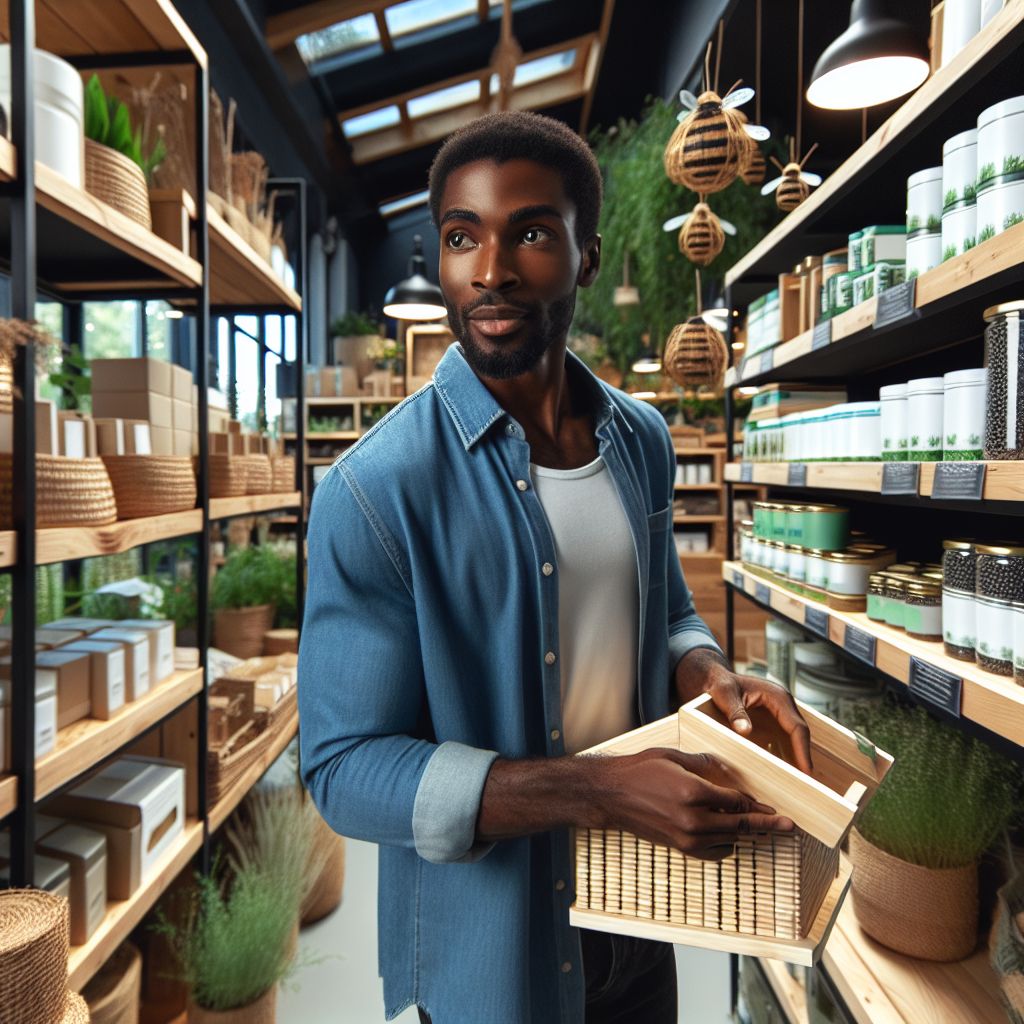
Now that you know the ‘why’, let’s dive into the ‘how’. Picking the right bamboo bee house kit is your first step. A good kit should be easy to assemble, made from sustainable materials, and designed to attract bees naturally.
Materials and Design: What to Look For
The best bamboo bee house kits are crafted with care for the environment and the bees. Look for these features:
-
FSC-certified wood: This certification ensures that the wood used comes from responsibly managed forests.
-
Nontoxic, water-based finish: A safe finish protects the wood without harming the bees or the environment.
-
Metal roof: A durable metal roof will protect the bee house from the elements.
Bee houses should have bamboo tubes of varying sizes to attract different species of bees. The tubes should be smooth and free of splinters to provide a safe environment for bees to lay their eggs.
Size and Placement Tips for Maximum Attraction
The size of your bee house matters. It should be large enough to host a healthy bee population but not so big that it’s unwieldy. A typical size might be 8 inches long by 5.5 inches wide by 15.75 inches high.
As for placement, bees prefer a warm, sunny spot that’s protected from strong winds. Hang your bee house 5 to 7 feet off the ground and make sure it faces the morning sun. Proximity to native, pesticide-free flowering plants will provide the bees with the necessary resources to thrive.
Step-by-Step Construction of Your New Bee Haven

Building your bamboo bee house is a fun and rewarding project. You’ll need a few basic tools like a hammer and perhaps some wood glue, depending on your kit’s design. Most kits come with pre-cut pieces and all the necessary hardware, making assembly a breeze.
Gathering Your Tools and Materials
Before you start assembling your bee house, make sure you have everything you need:
-
A bamboo bee house kit with pre-cut pieces and hardware
-
A hammer for any nails or pegs
-
Wood glue if required by the design
-
Protective gloves to handle the bamboo safely
Once you’ve got your tools at the ready, lay out all the pieces of your kit and familiarize yourself with the parts. Most kits will include a set of instructions, but if not, don’t worry—the assembly is usually intuitive.
Setting Up Your Bamboo Bee House for Success
After the satisfying work of assembling your bamboo bee house, it’s time to think about where it will make the most impact. Just like real estate, location is everything. Your bee house won’t just be a charming addition to your garden; it’ll be a bustling hub for native bees if placed correctly.
To set your bee house up for success, think like a bee. Bees are more likely to take up residence in your bamboo sanctuary if it meets their needs for warmth, safety, and food. A poorly placed bee house might look nice, but it won’t help our buzzing friends—or your garden.
So, where do you start? First, consider the path of the sun. Bees love the morning light, so a spot that catches those early rays is ideal. It warms the bees and gets them going after a cool night. Also, make sure your bee house is sheltered from harsh weather. A little shade in the afternoon can prevent overheating in the hotter months.
Lastly, bees need food, and they need it close by. Planting native, pesticide-free flowers and shrubs nearby provides bees with a buffet of nectar and pollen. This not only draws them to your bee house but also keeps them coming back, ensuring pollination for your garden.
Remember, a bee house isn’t just a piece of garden decor—it’s a living space for nature’s little workers. Place it with care, and you’ll be rewarded with a thriving garden and the joy of supporting our vital bee populations.
Best Practices for Placement and Orientation
For the bees to find and love their new home, follow these best practices for bee house placement:
-
Hang the bee house facing east or southeast to catch the morning sun.
-
Ensure it’s mounted 5 to 7 feet above the ground to keep it out of reach of curious pets and pests.
-
Choose a location that’s sheltered from strong winds and heavy rain—under the eaves of a shed or garage can be ideal.
-
Avoid placing the bee house near bird feeders or baths to reduce potential predator threats.
-
Be patient. It may take a little time for bees to discover your bee house, but once they do, they’ll be regular visitors.
Attracting Bees: Natural Lures and Garden Tips
Even the best bee house won’t be effective if there’s nothing to attract bees to your garden. Bees are looking for two main things: food and nesting material. Here’s how you can provide both:
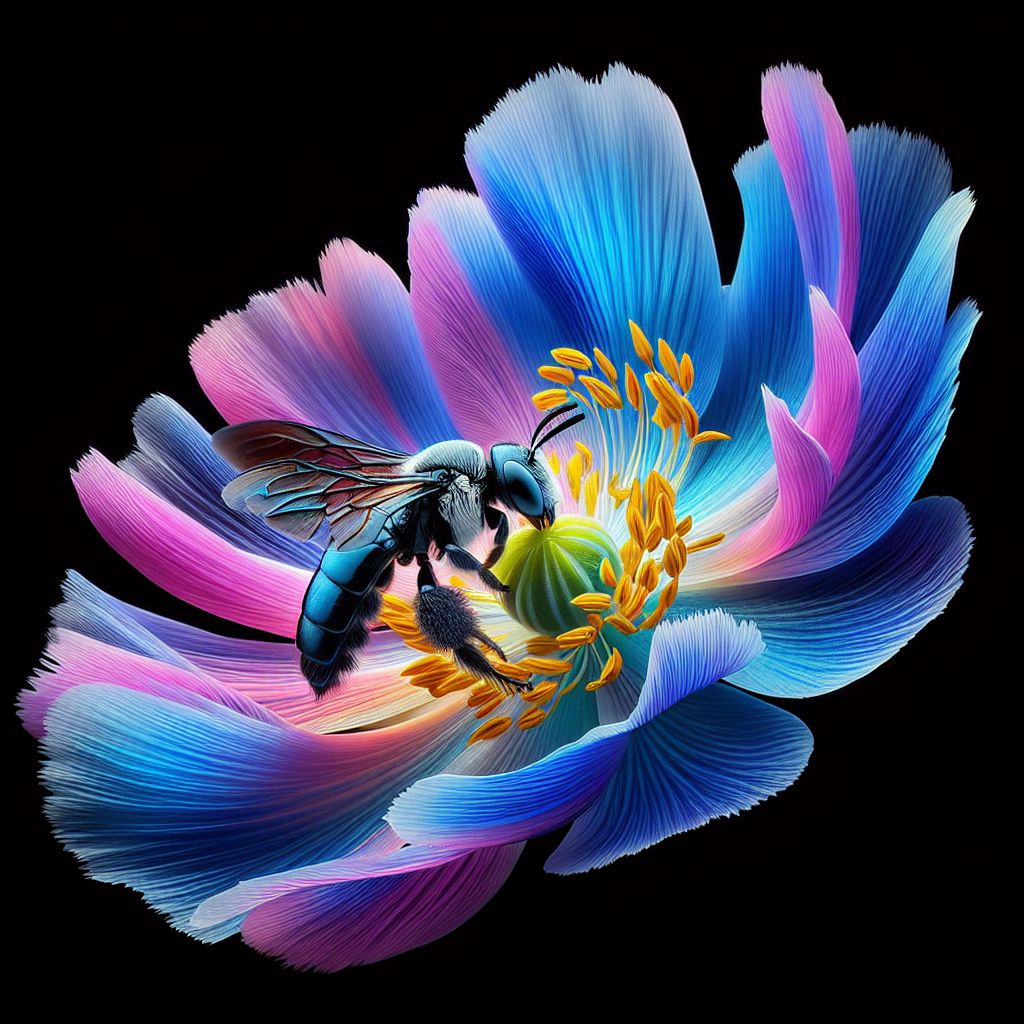
First, let’s talk about food. Bees love a variety of flowers, especially those that are native to your area. Native plants are already adapted to your local climate and soil, making them a sustainable choice for your garden. They also tend to attract native bees, which are the ones you’re trying to help.
Besides that, consider leaving some areas of your garden a little wild. A few patches of bare earth, some dead wood, and a water source can make your garden a paradise for bees. And don’t be too quick to tidy up fallen leaves—they can provide essential nesting material for wild bees.
DIY Pollinator Habitat Enhancements

Your bamboo bee house is just the beginning. With a few extra steps, you can transform your garden into a pollinator paradise. This doesn’t just benefit the bees; it enhances the beauty and health of your garden, too.
Think of your bee house as the centerpiece of a larger habitat. By adding certain elements to your garden, you can create an environment that supports a variety of pollinators. This diversity not only makes your garden more resilient, but it also ensures that a wide range of plants get the pollination they need.
-
Leave some garden areas unmulched for ground-nesting bees.
-
Install a shallow water dish with pebbles for bees to land on and drink safely.
-
Let a few plants go to seed, providing food for bees and other beneficial insects.
-
Avoid using pesticides or herbicides, which can harm bees and other pollinators.
By following these steps, you’re not just building a bee house—you’re creating a thriving ecosystem in your own backyard.
Companion Planting for Your Bamboo Bee House
Companion planting is a fantastic way to attract more bees to your bee house. Certain plants are like magnets for bees, and when you plant them near your bee house, you’re practically rolling out the red carpet. Here are a few bee favorites to consider:
-
Lavender: With its soothing fragrance and rich nectar, lavender is a bee favorite.
-
Sunflowers: Their large, pollen-rich heads are a feast for bees.
-
Borage: Also known as bee bread, borage is a powerhouse for pollinators.
-
Wildflowers: A mix of native wildflowers provides a variety of nectar and pollen sources.
By planting these alongside your bee house, you’re ensuring that bees have plenty of reasons to stick around.
Maintenance and Seasonal Care of Bee Houses
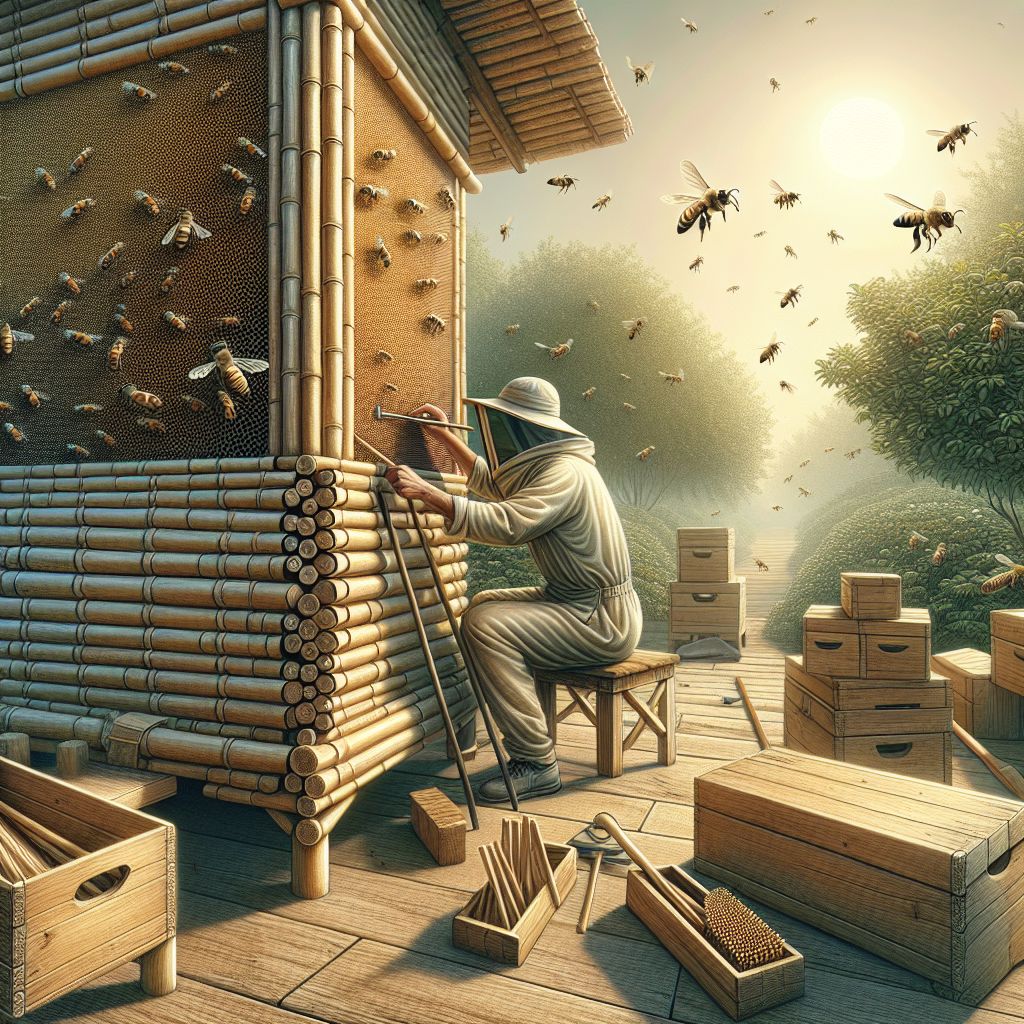
Caring for your bamboo bee house is simple but important. Proper maintenance ensures that the house remains a safe and attractive spot for bees year after year. Here’s what you need to do:
-
Inspect the bee house regularly for signs of wear or damage, and make repairs as needed.
-
Clean out old nesting materials at the end of the season to prevent disease and parasites.
-
Reapply a nontoxic, water-based finish to the wood as necessary to protect it from the elements.
With these steps, your bamboo bee house will continue to be a bustling bee hub for seasons to come.
Sustaining Bee Populations for a Greener Future
Individual efforts like installing a bamboo bee house are great, but they’re just the start. To really make a difference, we need to think bigger. Community efforts can amplify the impact of individual actions, creating a network of habitats that can sustain healthy bee populations.
Imagine a neighborhood where every yard has a bee house, where local parks include pollinator gardens, and where schools teach children about the importance of bees. This is the kind of community effort that can change the future for bees and for us.
Community Efforts in Bee Conservation
“It’s not just about one bee house. It’s about creating a tapestry of habitats that can support bees throughout our communities. When we work together, the impact is so much greater.” – A local beekeeper
Here are some ways to get involved:
-
Organize a community garden with a dedicated space for pollinators.
-
Work with local schools to set up educational programs and bee houses on school grounds.
-
Partner with local businesses to sponsor bee habitats in public spaces.
-
Advocate for city policies that support pollinators, like planting native plants in public areas and reducing pesticide use.
By joining forces, we can create a mosaic of habitats that not only help bees but also beautify our communities and bring people together.
In the end, nurturing nature-minded communities isn’t just about the bees. It’s about all of us. It’s about creating a world where nature and humanity thrive together. So, let’s roll up our sleeves, get our hands a little dirty, and build a future that’s buzzing with life.
Individual efforts like installing a bamboo bee house are a fantastic start, but when we think bigger and involve our communities, the impact on bee conservation can be profound. Imagine neighborhoods where each yard is a haven for pollinators, local parks include vibrant pollinator gardens, and schools educate young minds on the importance of bees. Such collective action can significantly change the future for bees and for us.
Sustaining Bee Populations for a Greener Future

Creating a tapestry of habitats across communities can sustain healthy bee populations and contribute to a greener future. By working together, we can enhance the efforts of individual actions, creating a network of support for these essential pollinators.
Community Efforts in Bee Conservation
“It’s not just about one bee house. It’s about creating a tapestry of habitats that can support bees throughout our communities. When we work together, the impact is so much greater.” – A local beekeeper
Here are some ways to get involved and encourage community efforts in bee conservation:
-
Organize community garden projects with dedicated spaces for pollinators.
-
Collaborate with local schools to establish educational programs and bee houses on campus.
-
Partner with businesses to sponsor bee habitats in public areas.
-
Advocate for city policies that are friendly to pollinators, such as planting native plants in public spaces and reducing pesticide use.
Such community-driven initiatives not only aid in sustaining bee populations but also beautify our neighborhoods and foster a sense of togetherness.
Nurturing nature-minded communities transcends individual actions and becomes a collective movement towards a world where nature and humanity can coexist and thrive. So, let’s embrace the challenge, get our hands into the soil, and build a future that buzzes with the vibrant life of bees.
FAQs About Bamboo Bee House Kits
How Long Do Bamboo Bee Houses Last?
Bamboo bee houses are designed for durability, but their lifespan can vary based on weather conditions and maintenance. Generally, you can expect your bee house to last several years if it’s well-maintained. Inspect your bee house regularly and apply a new coat of nontoxic, water-based finish as needed to protect it from the elements.
What Types of Bees Will a Bamboo Bee House Attract?
Bamboo bee houses are most attractive to solitary bees, like mason bees and leafcutter bees. These non-aggressive bees are excellent pollinators and are less likely to sting since they don’t have a hive to defend. They prefer the bamboo tubes for laying their eggs, which makes these bee houses ideal for supporting their populations.
Are Bee Houses Safe for Kids and Pets?
Yes, bee houses are safe for kids and pets. Solitary bees are non-aggressive and typically only sting when handled roughly or trapped. Placing the bee house out of reach ensures safety for everyone while providing a fascinating opportunity to observe these beneficial insects at work.
When Is the Best Time to Install a Bee House?
The best time to install a bee house is early spring, just before the bees start looking for nesting sites. This timing gives bees the chance to find and use the house for the current season’s reproductive cycle. However, you can put up a bee house at any time during the warmer months.
Can Bamboo Bee Houses Be Used in Urban Areas?
Absolutely! Bamboo bee houses are perfect for urban areas where green spaces might be limited. They provide essential nesting sites for bees in environments where natural habitats are scarce. Even a small balcony or rooftop garden can benefit from a bamboo bee house.