

Featured
-
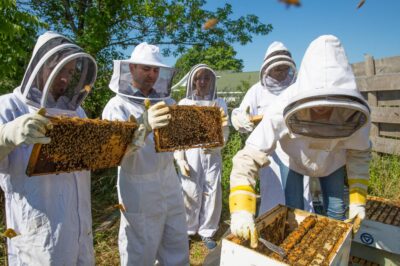
Urban Beekeeping Association Benefits & Joining Importance
Urban beekeeping is more than just a hobby. Joining an urban beekeeping association offers support, learning through workshops and mentorship, and economic opportunities. These associations enhance urban biodiversity and community engagement, making them vital for anyone interested in sustainable city living and environmental responsibility…
-
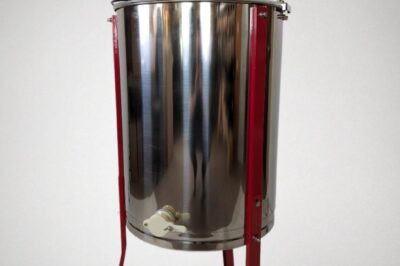
Small-Space Honey Extractors: Hassle-Free Honey Harvesting Guide
Small-space honey extractors are perfect for urban beekeepers, offering a seamless honey harvesting experience without needing large equipment. Ideal for limited spaces, these extractors come in manual and electric models. Consider capacity and materials like stainless steel for durability and ease of cleaning to ensure hassle-free honey extraction…
-
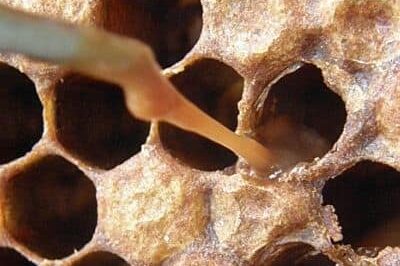
American Foulbrood Identification Treatment: Antibiotics Guide & Solutions
American Foulbrood (AFB) is a destructive bee disease caused by the bacterium Paenibacillus larvae. Identifying symptoms like spotty brood patterns and foul odor is crucial. Early diagnosis and careful antibiotic use, combined with prevention strategies, are key to managing and controlling AFB in beekeeping…
-

Urban Apis Mellifera Beekeeping & Honeybee Habitats
Urban beekeeping is transforming cities into thriving ecosystems. With diverse city flora providing bees with rich diets, urban apiculture supports biodiversity. Key considerations include location, regulations, and resources. Engaging communities fosters understanding and development in this buzzing urban movement…
-
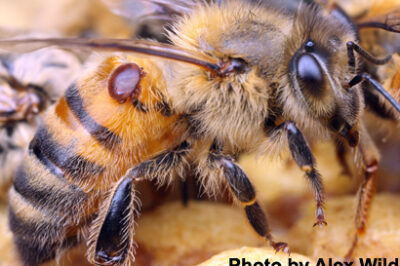
Varroa Mites Solutions & Treatments for Hive Kits
Varroa mites pose a significant threat to bee colonies, impacting their health and honey production. Essential management includes chemical treatments like Apivar, organic alternatives such as Oxalic Acid, and non-chemical methods like drone brood removal. Discover effective strategies to protect and maintain thriving hives with these solutions…
-

City Beekeeping Ordinance Compliance Guide & Tips
Urban beekeeping is a rewarding way to support local ecosystems. Ensure compliance by checking local ordinances, understanding permit requirements, and respecting zoning laws. Engage with local associations and communicate with neighbors to foster a supportive environment for your beekeeping activities, ensuring peace and legality in urban areas…
-

Best Pollinator-Friendly Plants for Hive Health & Growth
Planting pollinator-friendly plants is vital for bee hive health and ecosystem balance. With over 80% of flowering plants relying on pollinators, choosing diverse species like anise hyssop ensures bees get essential nutrients. Organically grown plants promote healthy populations, supporting biodiversity and food production…
-

Remote Hive Monitoring Tools & Methods for Bee Safety
Remote hive monitoring tools ensure bee safety by offering real-time data on hive conditions. Detecting early signs of issues like colony collapse enables timely interventions. These tools are essential for non-intrusive monitoring, providing alerts and scalability for beekeepers to maintain healthy colonies efficiently…
-

Urban Beekeeper Suit Tips & Essential Advice
Urban beekeeping is thriving, making wearing a bee suit crucial for safety. Choose ventilated, cotton-polyester suits for protection and comfort. Proper maintenance ensures your suit’s longevity and effectiveness. Gear up properly to enjoy the sweet rewards of beekeeping in the bustling city environment…
-
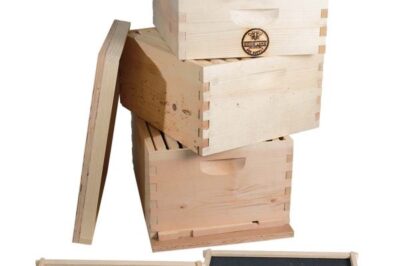
Beginner Beehive Kit Setup Guide & Backyard Tips
Start your beekeeping journey with confidence! Discover the essentials of beginner beehive kits, learn how to select the perfect location in your backyard, and get vital tips for maintaining a thriving hive. Embrace the rewarding world of beekeeping and support your local ecosystem…
Follow Us
Categories
- Bee Health Products 1
- Bee Suits 27
- BeeHives 9
- Beekeping 65
- General 167
- Honey 5
- Pollinators 5
- Queen Bee 3
- Urban Beekeeping 21
- Waggle Dance 1