
Site Selection: Where to Set Up Your Hive
Choosing the right spot for your bee house is perhaps the most important decision you’ll make as an urban beekeeper. The ideal location is easily accessible, safe for both bees and people and exposed to ample sunlight. It should also be shielded from strong winds and offer a clear flight path for your bees. Let’s dive into how to assess these factors on your rooftop.

Assessing Rooftop Accessibility and Safety
Before you hoist your hives onto the roof, consider how you’ll get them up there—and how you’ll access them for regular maintenance. You’ll need a stable, secure way to transport equipment and harvest honey. Safety is paramount, so ensure that the roof can be safely navigated and that there are guardrails or barriers to prevent falls.
Understanding Local Regulations and Permissions
Before setting up your bee house, you must navigate the legal landscape. Check with your city’s zoning laws and obtain any necessary permits. Some areas have restrictions on the number of hives you can keep or require beekeepers to register their hives. It’s also wise to inform your neighbors and ensure they’re comfortable with your beekeeping plans.
Now that we’ve covered the basics, let’s move on to designing your bee house and preparing your rooftop for your new pollinator pals. Stay tuned for detailed insights on choosing the right equipment, creating a bee-friendly environment, and more. And remember, urban beekeeping is not just a hobby; it’s a step towards a more sustainable and eco-friendly urban life.
Creating a Bee-Friendly Environment
Once you’ve determined that your rooftop is a viable spot for beekeeping, the next step is to create an environment that will support your bees’ health and productivity. Bees need a habitat that provides them with the resources necessary for survival—this includes flowers for foraging, water for hydration, and protection from predators and harsh weather conditions.
Start by planting a variety of flowering plants on your rooftop or in nearby areas. Choose plants that bloom at different times of the year to provide a consistent source of nectar and pollen. Additionally, set up a water source, like a shallow dish with pebbles or marbles for the bees to land on while they drink. Remember, a bee-friendly environment is not just about the hive, but the ecosystem that supports it.
Key Takeaways
-
Urban beekeeping is a rewarding practice that helps the environment and enhances local ecosystems.
-
Choosing the right spot for a rooftop bee house is crucial for the safety and productivity of your bee colony.
-
Ensure your rooftop is accessible, safe, and complies with local regulations before setting up your hive.
-
Designing a bee-friendly environment includes selecting the proper equipment and creating a welcoming habitat for bees.
-
Regular maintenance and understanding the seasonal needs of your bees are key to successful rooftop beekeeping.
Why Rooftop Beekeeping?
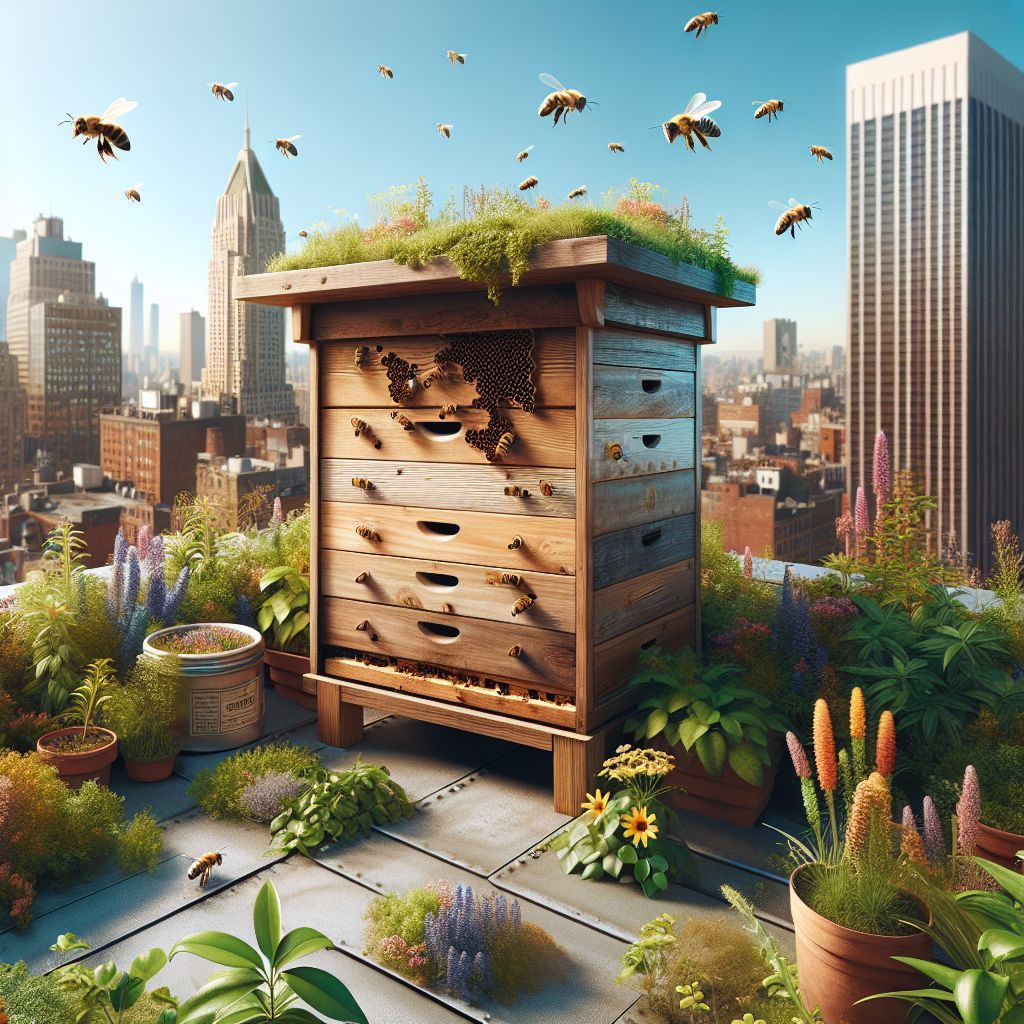
Imagine a city buzzing with more than just traffic and crowds—a city that plays a vital role in the conservation of bees. Urban beekeeping turns rooftops into thriving sanctuaries for bees, contributing to biodiversity and local food production. It’s a small step with a big impact, and it all starts with finding the ideal spot for your rooftop bee house.
The Rise of Urban Beekeeping
In recent years, urban beekeeping has soared in popularity. It’s not just about the honey—city dwellers have become increasingly aware of the crucial role bees play in our ecosystems. As green spaces shrink, rooftops offer a unique opportunity to support these vital pollinators. Plus, urban beekeeping brings communities together, fostering a connection to nature even in the heart of the city.
Environmental and Social Benefits
Beekeeping in the city isn’t just good for bees; it’s great for people too. Bees pollinate urban gardens, parks, and window boxes, increasing the health and yield of local plants. This can lead to more vibrant and diverse green spaces, which enhance the quality of life for city residents. Moreover, urban beekeeping can educate and inspire people to take action in supporting the environment.
Preparing the Rooftop
Preparing your rooftop for a bee house involves more than just clearing a space for the hive. It’s about creating a secure, welcoming environment where your bees can thrive. This means considering the rooftop’s condition, exposure to elements, and any potential hazards.
-
Inspect the roof for any damage or weak spots that could compromise the safety of your hive.
-
Choose a location on the roof that receives morning sunlight but is shaded during the hottest part of the day.
-
Ensure the hive is anchored securely to prevent it from tipping over in strong winds.
-
Consider the weight of a fully stocked hive and whether your rooftop can support it.
-
Keep the hive away from rooftop equipment like air conditioning units that could disrupt the bees.
By addressing these factors, you’ll set the stage for a successful beekeeping experience right from the start.
Ensuring Structural Integrity
Bees and their hives can be heavy, especially when full of honey. It’s crucial to ensure that your rooftop can support the weight. Consult with a structural engineer if necessary. They can assess your roof and recommend any reinforcements needed to safely support your beekeeping operation.
Once you’ve confirmed that your rooftop is structurally sound, it’s time to think about how you’ll protect your hive from the elements and pests.
For example, urban beekeeper Emily from New York installed a green roof with native wildflowers around her hives, not only to provide forage but also to manage stormwater and insulate the building below.
Securing Hive from Elements and Pests
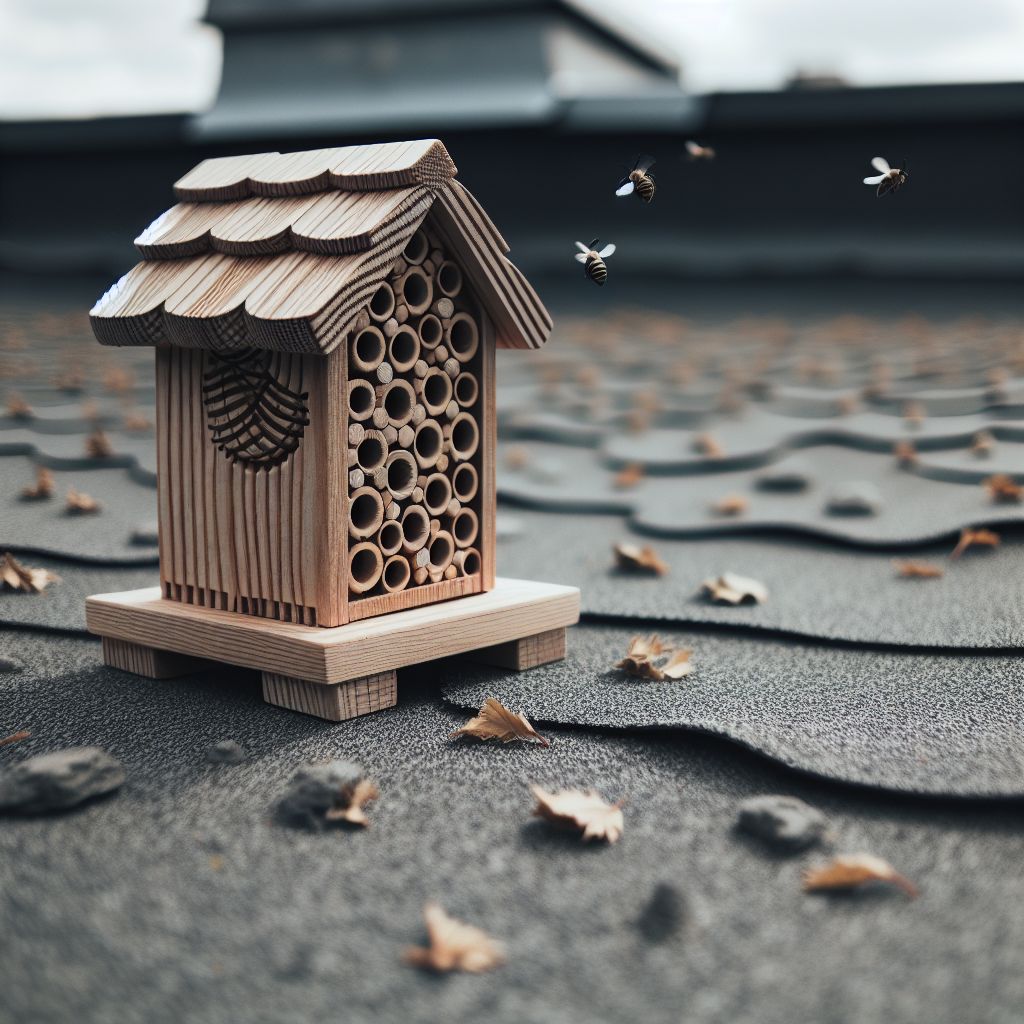
Weather can be unpredictable, and pests are always a concern for beekeepers. To secure your hive, start by elevating it off the roof surface. This improves air circulation and prevents water pooling. Use a hive stand or build a custom platform to keep the hive dry during rain.
Next, consider wind. In high-rise situations, winds can be stronger and more frequent. Position the hive so that the entrance faces away from prevailing winds and secure it with straps or weights. For pests like ants and mice, keep the area clean and use barriers or traps as needed.
Best Practices for Rooftop Beekeeping
Regular maintenance is the backbone of successful beekeeping. Inspect your hives regularly to check for signs of disease, queen health, and food stores. Always have a plan for swarm control, and remember to provide supplemental feeding during scarce times.

Regular Maintenance Checks
Set a schedule for inspecting your hives and stick to it. Frequent checks will help you catch issues early on, which is essential in the confined space of a rooftop. Look for pests, mold, and ensure that the bees have enough space to grow. Keeping detailed records of your inspections can help you track your hive’s progress and health over time.
Hive Management Throughout the Seasons
Bees’ needs change with the seasons, and your management practices should too. In spring, focus on swarm prevention and splitting hives if necessary. Summer is all about monitoring growth and preparing for the honey flow. Come fall, it’s time to ensure the bees have enough stores for winter, and during winter, keep an eye on the hive’s weight and food levels.
Hive Installation: A Step-by-Step Guide
Installing your hive is an exciting moment. It’s the culmination of all your preparation and hard work. But it’s important to do it right to ensure your bees’ best chance at success.
First, gather all your equipment and tools. You’ll need your hive components, protective gear, a smoker, and of course, your bees. Transport everything to the roof safely, using a sturdy ladder or hoist system if necessary.
Setting Up Your Bee House
Assemble your hive according to the manufacturer’s instructions, making sure it’s level and stable. Place the hive on its stand or platform and secure it in place. Once your hive is set up, it’s time to introduce the bees to their new home.
Bees’ Introduction to Their New Home
When introducing bees to a new hive, do so gently and with care. Release the bees near the hive entrance and allow them to enter at their own pace. Use your smoker to calm the bees if needed. Once the bees are in, close up the hive and give them time to acclimate to their new surroundings.

Harvesting the Honey: When and How
The reward for all your efforts is the sweet taste of honey, but it’s important to harvest at the right time and in the right way to ensure the health of your bee colony.
Identifying Harvest Time
Honey can be harvested once the bees have capped the comb, indicating that the honey is ready. This usually happens in late summer or early fall. Before you harvest, make sure the bees have enough honey left to sustain them through the winter.
With these steps and best practices, you’re well on your way to becoming a successful urban beekeeper. Remember, each rooftop and colony is unique, so stay observant, adaptable, and always keep learning. Happy beekeeping!
Collecting Honey with Care
When the flowers bloom and your bees have been busy, the time comes to reap the rewards. Collecting honey is a delicate process that requires attention to timing, technique, and the well-being of your bees. It’s best done on a warm day when most bees are foraging, as fewer bees in the hive mean less stress for both you and them.
The Impact of Beekeeping on Community and Ecology
Urban beekeeping does more than just produce honey. It has a profound impact on the local community and ecology. Hives act as a hub for education, bringing neighbors together to learn about the importance of pollinators. Moreover, bees enhance urban biodiversity by pollinating local gardens and parks, which can lead to more robust and varied plant life.
Building Awareness and Education
One of the most beautiful aspects of urban beekeeping is the opportunity it presents for education and awareness. By hosting workshops or open hive days, you can teach others about the importance of bees. This knowledge can spark a community-wide effort to plant more bee-friendly flowers and reduce pesticide use, creating a healthier environment for all.
Creating a Network of Urban Beekeepers
As an urban beekeeper, you’re not alone. Cities often have networks of beekeepers who share tips, equipment, and stories. Joining a local beekeeping club or online community can provide invaluable support. Through these networks, you can also participate in larger conservation efforts and contribute to the global movement to protect our precious pollinators.
FAQs
What are the Benefits of Urban Beekeeping?
Urban beekeeping offers numerous benefits, including promoting biodiversity, pollinating local plants, producing honey, and providing educational opportunities. It’s a sustainable hobby that connects you with nature and your community, even in a bustling city environment.
How Do You Ensure Rooftop Hive Safety?
To ensure rooftop hive safety, you need to consider several factors. Make sure the roof can bear the weight of the hive, provide secure access for maintenance, and protect the hive from extreme weather. It’s also essential to follow local regulations and maintain good relations with neighbors.
Take the case of Anna in Chicago, who installed a “bee buffer zone” of potted plants around her rooftop hives to prevent any potential issues with neighbors. This not only enhanced the safety and aesthetics of her rooftop but also provided additional forage for her bees.
What is the Ideal Location for a Rooftop Bee House?
The ideal location for a rooftop bee house is a spot that’s safe, secure, and meets the needs of your bees. Look for an area that gets morning sun, has some afternoon shade, and is protected from strong winds. Ensure there’s a water source nearby and that the flight path is clear of obstructions.
How Do You Protect Bees from Extreme Weather on Rooftops?
Protecting bees from extreme weather involves proper hive placement, insulation, and ventilation. Use windbreaks to shield the hive from gusts and elevate the hive to prevent water damage. In winter, wrap the hive with insulation to keep the bees warm, and always ensure there’s adequate ventilation to prevent moisture buildup.
Can You Harvest Honey From a Rooftop Bee House?
Yes, you can harvest honey from a rooftop bee house. With careful planning and management, urban hives can be just as productive as rural ones. Just remember to leave enough honey for the bees to sustain themselves, especially during the colder months.