
Key Takeaways
Urban beekeeping supports biodiversity and local agriculture, but requires careful consideration of location and local laws.
Effective communication and outreach can transform neighbors into beekeeping allies.
Proper hive management and maintenance are essential to prevent swarming and ensure bee safety.
Pollination by urban bees can significantly benefit local gardens and green spaces.
Understanding the specific challenges and advantages of urban beekeeping leads to successful integration into city environments.
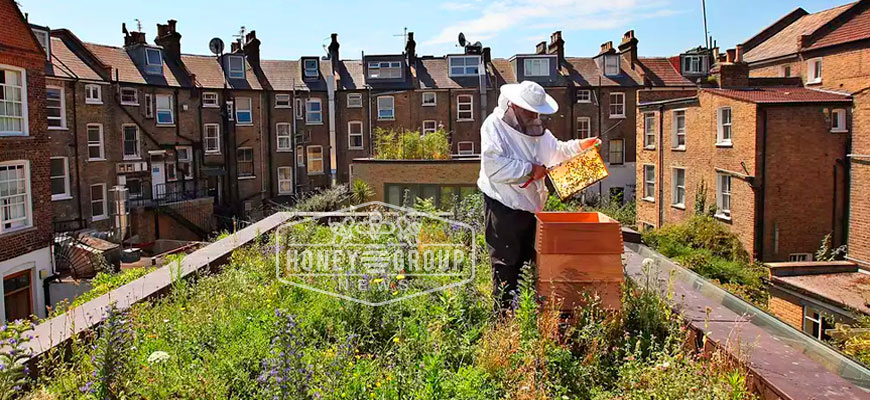
“The urban beekeeping | HONEY GROUP CHILE” from honeygroupchile.cl
Bees as Urban Environmental Allies
Urban environments, often seen as concrete jungles, are becoming increasingly greener thanks to the introduction of beekeeping practices. These tiny pollinators are not just producing honey; they are vital players in sustaining biodiversity within city limits. By transferring pollen from one flower to another, bees are essential for the growth of many plants, including those that produce fruits and vegetables. Therefore, urban beekeeping isn’t just a hobby; it’s an environmental imperative.
The Mutual Benefits of Bee-Neighbor Harmony
When bees thrive in urban settings, the entire community benefits. These insects enhance local ecosystems by pollinating plants, which can lead to more green spaces and a richer urban flora. In turn, this can improve air quality and create a more aesthetically pleasing environment. Additionally, local beekeepers can harvest and share honey, which is not only delicious but also promotes the concept of local food sourcing.
Getting Started: Establishing an Urban Hive
Choosing the Right Location for Your Hive
The success of urban beekeeping starts with selecting an appropriate site for your hive. You’ll want a spot that provides ample sunlight, protection from strong winds, and easy access for you to manage the hive. Rooftops, balconies, and backyards can all be suitable locations, but you must also consider the flight path of bees and ensure they won’t become a nuisance to your neighbors.
Understanding Local Regulations and Bylaws
Before setting up your urban beekeeping operation, it’s crucial to familiarize yourself with the local regulations. Many cities have specific bylaws that dictate how and where you can keep bees. These rules might include restrictions on the number of hives, distance from property lines, and requirements for water and forage sources. Compliance with these regulations not only keeps you on the right side of the law but also demonstrates your commitment to responsible beekeeping.
Creating a Bee-Friendly Community
Outreach and Education: Making Allies out of Neighbors

“Urban beekeeping becoming an …” from inews.co.uk
One of the keys to successful urban beekeeping is building a supportive community. Educating your neighbors about the benefits of bees and addressing their concerns proactively can go a long way in fostering positive relationships. Share interesting bee facts, dispel common myths, and explain how bees are generally non-aggressive and beneficial to the environment. Knowledge is power, and informed neighbors are more likely to be supportive.
Hosting Bee-Centric Community Events
Hosting events centered around beekeeping can also help integrate your hobby into the neighborhood. Consider organizing workshops, honey tastings, or open days where people can visit your hives and learn more about beekeeping. Such activities can turn curiosity into enthusiasm and encourage community members to become bee advocates.
Maintaining the Peace: Best Practices for Urban Beekeepers
As urban beekeepers, we have a unique responsibility to maintain harmony not only within our hives but also with our human neighbors. To keep the peace, it’s important to adopt best practices that prioritize safety, hive health, and community relations. By doing so, we ensure that our beekeeping activities contribute positively to urban life.
Ensuring Bee Safety and Minimizing Swarming
Swarming is a natural process for bees but can cause alarm among city dwellers unfamiliar with bee behavior. To minimize swarming, keep your bees happy by providing enough space in the hive for the colony to grow. Regularly inspect your hives for signs of overcrowding and take action, such as adding supers or managing the brood area, to give your bees the room they need. For more urban beekeeping tips, consider reading this ultimate rooftop beekeeping guide.
Another critical aspect of bee safety is choosing the right breed. Gentle breeds like the Italian honey bee are more suitable for urban settings as they are less prone to swarming and are less aggressive. This makes them ideal neighbors for both beekeepers and the surrounding community.
Dealing with Concerns: Tips for Conflict Resolution
Even with the best management practices, conflicts can arise. When neighbors express concerns, address them promptly and with empathy. Listen to their issues, provide clear and factual information, and, if necessary, make reasonable adjustments to your beekeeping practices. Maintaining open communication lines is key to resolving disputes amicably and keeping neighborly relations sweet.
The Delicate Dance: Pollination and Urban Agriculture
“Urban Beekeeping …” from www.npr.org
Urban beekeeping is not only about honey production; it’s also about supporting the intricate dance of pollination that is vital to urban agriculture. Bees play a critical role in the health of our local food systems by pollinating community gardens, home vegetable patches, and even balcony container plants.
Supporting Local Food Systems with Your Bees
Your urban beehive can become a pillar of the local food system. By facilitating pollination, you’re helping to increase the yield and quality of fruits and vegetables within the city. This not only benefits urban gardeners but also contributes to food security and sustainability. Sharing your honey with the community can further showcase the direct link between bees and the bounty of fresh produce they help to provide.
Partner with local community gardens to support their pollination needs.
Offer educational sessions on the importance of bees in food production.
Share honey harvests with those who have gardens that your bees have helped pollinate.
By integrating your beekeeping practice with local food production, you’re helping to create a more resilient and connected urban ecosystem.
Urban beekeeping can also contribute to scientific research on pollinators and urban ecology. Collaborating with local universities or citizen science projects can provide valuable data on bee health and behavior, further underscoring the importance of bees in our cities.
Collaborating with Urban Gardens and Green Spaces
Collaboration with urban gardens and green spaces can extend the reach of your bees and the benefits they provide. By working together, you can create a network of pollinator-friendly areas that offer a variety of foraging options for bees, enhancing their health and the overall biodiversity of the urban landscape.
Bee-Proofing Your Urban Paradise
To ensure the longevity and success of your urban beekeeping endeavor, it’s essential to bee-proof your space. This means regular hive inspections to check for pests and diseases, providing a water source to keep bees from venturing into neighbor’s spaces, and planting a variety of flowers that bloom at different times to keep your bees well-fed throughout the year.
By following these steps and maintaining a commitment to responsible beekeeping, you can enjoy the rewards of urban beekeeping while fostering a healthy relationship with your community.
Sustainable Practices for Long-Term Success
Sustainable urban beekeeping hinges on the health of the bees and the environment they inhabit. It’s about more than just setting up a hive and harvesting honey. To ensure your beekeeping practices contribute positively to the urban ecosystem, focus on creating a diverse garden that blooms throughout the year, providing bees with a constant food source. Additionally, avoid the use of pesticides and chemicals that could harm your bees or the local environment. Remember, healthy bees mean a thriving hive and a happier urban community.
Frequently Asked Questions
What Are the First Steps to Starting an Urban Beehive?
The first steps to starting an urban beehive include researching and understanding the local regulations concerning beekeeping in your area. Next, educate yourself about bee biology and hive management. You’ll then need to acquire the necessary equipment, such as a beehive, protective gear, and tools for hive maintenance. Finally, purchase your bees from a reputable source and install them in your hive during the appropriate season, which is usually spring.
How Can I Convince My Neighbors to Support My Beekeeping?
To garner support from your neighbors, open a dialogue about your beekeeping intentions. Share educational materials that highlight the benefits of bees to urban environments, such as pollination and biodiversity. Offer to address any concerns they may have and keep them informed about your beekeeping activities. You can even sweeten the deal by sharing some of the honey your bees produce.
Transparency and communication are key. Let your neighbors know that bees are generally non-aggressive and are less likely to sting when foraging than when they feel their hive is threatened. Reassure them that you’ll be managing the hive responsibly to minimize any potential issues.
Most importantly, demonstrate your commitment to safety by explaining the measures you’ll take to prevent swarming and ensuring that the bees’ flight paths do not interfere with common areas. This proactive approach can help build trust and support for your beekeeping endeavors.
Example: “After I shared some of the delicious honey my bees produced and explained how bees are crucial for pollinating our local gardens, my initially hesitant neighbor became one of my biggest supporters.” – A successful urban beekeeper
What Should I Do if My Bees Swarm in a Public Area?
If your bees swarm in a public area, it’s important to act quickly and responsibly. First, inform local authorities if necessary and put up signs warning the public about the swarm. Contact a professional beekeeper or a beekeeping association to safely collect and relocate the swarm. Remain calm and assure any concerned onlookers that the bees are at their least aggressive when swarming, as they have no hive to defend.
After the swarm has been dealt with, review your beekeeping practices to prevent future occurrences. This might involve re-queening the hive with a less swarm-prone breed or adjusting your hive management techniques to reduce overcrowding.
Can Urban Beekeeping Really Impact Local Plant Life?
Absolutely. Urban beekeeping can have a profound impact on local plant life. Bees are essential pollinators, and their presence in urban settings helps to increase the diversity and health of plants. This can lead to more robust gardens and green spaces, which not only beautify the city but also provide habitats for other wildlife. The increased pollination can also lead to higher yields in urban vegetable gardens and community food projects.
Bee pollination can lead to the growth of healthier and more abundant fruits and vegetables in urban gardens.
Bees contribute to the reproduction of wildflowers and other native plants, enhancing urban biodiversity.
The presence of bees can encourage city dwellers to plant more bee-friendly flora, creating a virtuous cycle of greening and
biodiversity.
Moreover, urban beekeeping can serve as a platform for education and awareness about the importance of pollinators and the challenges they face, such as habitat loss and pesticide use.
How Is Urban Beekeeping Different from Rural Beekeeping?
Urban beekeeping differs from rural beekeeping in several ways. The most significant difference is the environment in which the bees are kept. Urban beekeepers often face space constraints and must be more creative with hive placement, such as using rooftops or small backyards. Additionally, urban beekeepers typically have closer proximity to their neighbors, which requires careful management to maintain good relations.
Urban areas can offer a more diverse range of foraging options for bees due to the variety of flowering plants in gardens and parks. However, urban beekeepers must also be vigilant about potential contaminants and pollutants that could affect their bees.
Finally, urban beekeepers often have greater opportunities for community engagement and education, as there is typically more interest and curiosity about beekeeping in densely populated areas.
By understanding these differences and adapting to the unique challenges of urban environments, beekeepers can successfully integrate their practices into the fabric of city life, contributing to the sustainability and well-being of their urban communities.
Urban beekeeping is a growing trend that not only supports the health of our environment but also provides community members with the joy of nurturing these essential pollinators. By integrating bee-friendly practices, such as setting up bee house education kits and planting native flora, urban dwellers can create a sustainable habitat for bees. This initiative not only enhances biodiversity but also fosters a sense of stewardship and connection to nature within the urban landscape.




Leave a Reply