
Key Takeaways
Discover why observing bees is beneficial for both personal enjoyment and the environment.
Learn what tools you’ll need for effective bee observation, even on a budget.
Get tips on the best times and places to observe bees to enhance your experience.
Understand the basics of bee behavior to identify different species and their roles.
Find out how to safely approach a beehive and the precautions to take.
Why Observe Bees?
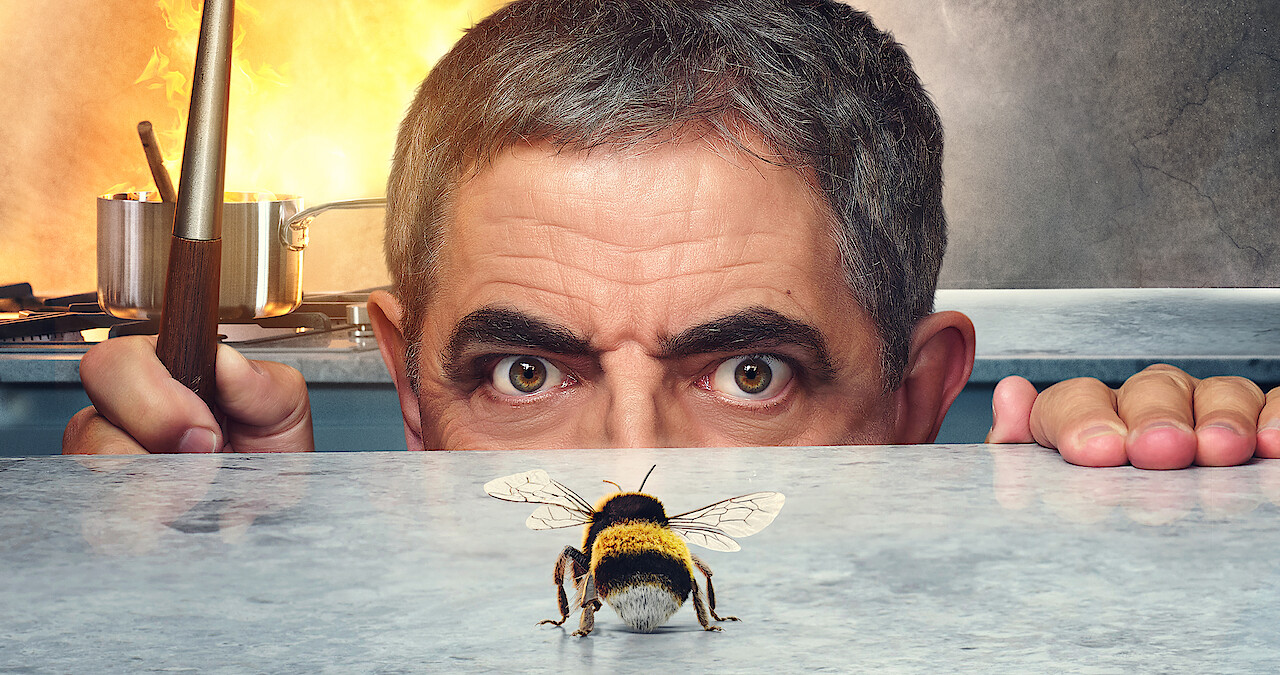
“Are Bees Jerks? We Asked an Expert …” from www.netflix.com and used with no modifications.
Have you ever watched a bee as it flits from flower to flower? There’s something mesmerizing about their tireless work. Observing bees isn’t just fascinating; it’s a way to connect with nature and contribute to our understanding of these essential pollinators. Bees play a critical role in our ecosystem by pollinating plants, which is crucial for food production. By watching them, we learn about their behaviors, preferences, and the challenges they face. Plus, it’s a great way to spend time outdoors, get a little sunshine, and maybe even find a new hobby!
Basic Tools for the Aspiring Bee Observer
Before you set out on your bee observation journey, you’ll need a few basic tools. Don’t worry; you won’t have to break the bank. Here’s what you should have:
Binoculars: A good pair of binoculars can help you see bees up close without disturbing them.
Notebook and Pen: Jot down your observations, the weather, and the types of bees and plants you encounter.
Camera: If you want to capture your findings, a camera with a macro lens is ideal for detailed photos.
Bee Guidebook: This will help you identify different species and understand their behaviors.
Protective Clothing: If you plan to get close, a hat with a veil, gloves, and a light-colored long-sleeved shirt are recommended.

Preparing for Your Bee Observation Adventure
Now that you have your gear, let’s get ready for the adventure. Start by learning a bit about bees from books or online resources. Familiarize yourself with the local species and their habits. This knowledge will enrich your experience and help you know what to look out for. Next, choose a location. Your own backyard can be a great place to start if you have flowering plants. Otherwise, a local park or garden with a variety of flowers will attract many bees. Remember, the key is to be patient and respectful of their space.
Most importantly, ensure you’re not allergic to bees. If you’re not sure, it’s best to get tested by a medical professional before getting too close. Always have an epinephrine auto-injector (like an EpiPen) handy if you’re observing bees in the wild, just in case.
Best Times and Places to Observe Bees
Bees are most active on warm, sunny days, so plan your observation during these conditions. Early morning is a great time to see them leaving the hive, while late afternoon is perfect for watching them return. Look for areas with abundant wildflowers or gardens with a variety of blooms — bees love diversity!
Here’s a quick tip: Avoid wearing dark colors or floral prints, as these can either make bees perceive you as a predator or attract them to you, thinking you’re a flower!
Understanding Bee Behavior and Communication
Bee behavior is complex and fascinating. They communicate through dances, pheromones, and sounds. For instance, the famous ‘waggle dance’ tells other bees where to find food. When observing, notice how bees interact with each other and their environment. Are they visiting certain flowers more than others? Do they seem to be communicating? These observations can tell you a lot about what’s happening in their world.

from www.rawpixel.com and used with no modifications.
Because bees are sensitive to disturbances, move slowly and calmly around them. Quick movements can be perceived as a threat, causing them to become defensive. Therefore, when you’re observing, it’s all about being a respectful guest in their home.
Tips for Taking Clear and Close-up Bee Photos
When you’re ready to capture the beauty of bees, a camera with a macro lens is your best friend. It allows you to get detailed shots without getting too close and risking a sting. Always focus on the eyes of the bee; if the eyes are in focus, the rest of the bee usually will be too. Use a fast shutter speed to freeze the action, as bees can move quickly. If you’re using a smartphone, many now have excellent macro capabilities or attachable lenses. Just be sure to move slowly to not startle your subject.
The Ethical Considerations of Bee Photography
While photographing bees can be rewarding, it’s vital to prioritize their welfare over getting the perfect shot. Avoid using flash, as it can disorient and stress the bees. Also, be mindful not to block their path to and from the hive or flowers. Remember, you’re in their space, and their well-being comes first.
Contributing to Bee Conservation Through Citizen Science
Did you know that by observing bees, you can contribute to their conservation? Citizen science projects like Bumble Bee Watch or The Great Sunflower Project allow you to share your observations with scientists. Your data helps track bee populations and health, providing valuable insights for conservation efforts.
Documenting Your Observations for Research

“Concentrated woman writing notes in …” from www.pexels.com and used with no modifications.
To make your observations useful for research, record the date, time, location, weather conditions, and types of bees and plants you observe. Take clear photos or videos if possible. This information can be submitted to citizen science projects or local conservation groups to help monitor and protect bee populations.
For example, noting that you observed a high number of bees around lavender plants in your garden during a sunny afternoon provides useful data for understanding bee foraging patterns and plant preferences.
Supporting Local Bee Populations
Besides observing and documenting, you can support local bees by planting native flowers, setting up a bee bath with fresh water, and avoiding pesticides in your garden. Encouraging others to do the same multiplies the positive impact on bee health and biodiversity in your community.
Bees and Plants: Understanding Their Symbiotic Relationship
Bees and plants have a mutualistic relationship; bees get food from flowers in the form of nectar and pollen, while plants get their chance to reproduce through pollination. This partnership is vital for the health of our ecosystems and for agricultural crops worldwide.
The Importance of Pollination
Pollination leads to the production of fruits, seeds, and more plants.
It’s estimated that one-third of the food we consume relies on pollination by bees.
Without bees, many plants would fail to reproduce, disrupting food chains.
By observing bees, you’re witnessing this crucial process in real-time, which is not only educational but also a reminder of the interconnectedness of life.

The Secret Life of Bees | Science …” from www.smithsonianmag.com and used with no modifications.
Selecting Plants to Attract and Nourish Bees
To turn your garden into a bee haven, select a variety of plants that bloom at different times throughout the year. This ensures a constant food source for bees. Focus on native plants, as they are well-suited for local bees and generally require less maintenance. Flowers with single petals also tend to be easier for bees to access than double petals.
For example, lavender, borage, and rosemary are excellent choices for attracting bees, and they’ll make your garden smell amazing, too!
“Creating a bee-friendly garden not only supports local bee populations but also brings a delightful buzz and vitality to your outdoor space.”
Bee Safety and First-Aid: What to Do in Case of a Sting
While observing bees is generally safe if you respect their space, stings can happen. If you get stung, don’t panic. Gently scrape the stinger out with a fingernail or a credit card as quickly as possible to minimize the amount of venom injected. Then, wash the area with soap and water and apply a cold pack to reduce swelling. If you experience severe reactions like difficulty breathing or swelling of the throat, seek medical attention immediately. For more information on bee safety and how to create a supportive environment for them, consider reading our guide on bee conservation strategies.
Remember, bees usually sting only if they feel threatened, so keeping calm and moving slowly is key to avoiding stings.
Identifying and Avoiding Triggers for Bee Aggression
Understanding what might upset bees is crucial for safe observation. Bees may become aggressive if they perceive a threat to their hive, if they are disturbed by loud noises, or if they encounter strong scents. It’s best to observe quietly, wear unscented products, and keep a respectful distance from their hive. If you notice bees flying erratically or becoming more vocal, it’s a sign to step back and give them space.
Also, be aware of your clothing; bees are attracted to bright colors and floral patterns. Stick to light-colored attire to make yourself less interesting to these curious creatures. Remember, your goal is to blend in with the environment, not stand out.
Immediate Steps Following a Bee Sting
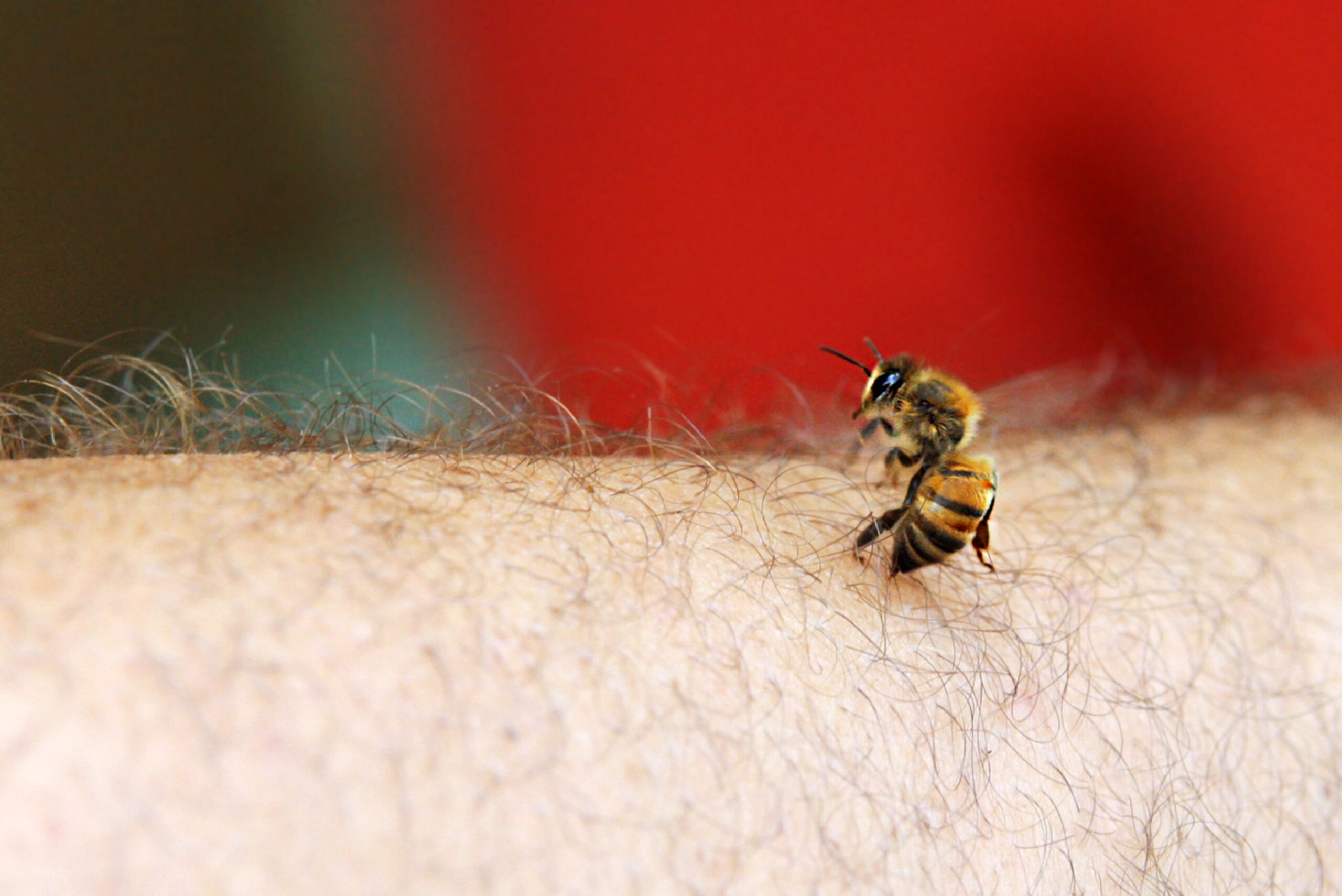
“Bee Sting Allergy Reactions – Are You …” from www.prevention.com and used with no modifications.
If a bee does sting you, remain calm. Swiftly remove the stinger by scraping it out sideways with a fingernail or a blunt object like a credit card. Do not squeeze the stinger or use tweezers, as this can release more venom into the skin. After removing the stinger, clean the area with soap and water to prevent infection.
Apply a cold compress to reduce swelling and pain. Over-the-counter pain relievers or antihistamines can help manage discomfort and any allergic reactions. If you notice symptoms of anaphylaxis, such as difficulty breathing, dizziness, or a rapid pulse, seek emergency medical attention immediately.
Scrape the stinger out sideways to avoid additional venom release.
Clean the sting area with soap and water.
Use a cold compress to alleviate swelling and pain.
Take pain relievers or antihistamines if necessary.
Seek emergency help if severe allergic reactions occur.
The Unseen Benefits of Observing Bees
Beyond the joy of witnessing the bustling life of bees, there are many unseen benefits to bee observation. It fosters a deeper connection with nature and an appreciation for the intricate balance of ecosystems. Observing bees can be a meditative practice that calms the mind and reduces stress. It can also inspire a sense of responsibility to protect these vital insects and their habitats.
Emotional and Educational Rewards of Bee Watching
Watching bees can be incredibly soothing and rewarding. Observing their diligent work and complex social structures provides a unique educational experience outside of traditional classrooms. It can spark curiosity in people of all ages, leading to a lifelong interest in entomology, botany, and environmental science.
The Bigger Picture: Bees and Environmental Stewardship
As observers, we become stewards of the environment. By understanding the role of bees in pollination, we’re more likely to engage in practices that support their health and habitats. This can include planting bee-friendly gardens, supporting local beekeepers, and advocating for policies that protect pollinators. Our observations can contribute to larger conservation efforts, helping to ensure that bees continue to thrive for generations to come.
Furthermore, sharing our bee observations with others raises awareness about the importance of bees, encouraging collective action to protect these vital creatures and their ecosystems.
FAQs
Is it Safe to Observe Bees if you have an Allergy?
Always carry an EpiPen or similar emergency allergy medication if you have a known bee allergy.
Observe bees from a greater distance to minimize the risk of getting stung.
Consider watching bees through a window or wearing a full bee suit for extra protection.
While it’s possible to observe bees even if you have an allergy, it’s essential to take precautions. Always have an emergency plan in place and never observe alone. Inform someone about your location and what to do in case of an allergic reaction.
Ultimately, the safety of bee observation for those with allergies depends on individual circumstances and should be discussed with a healthcare professional.
Can Observing Bees Help with Stress Relief?
Yes, bee observation can be a form of stress relief. The gentle hum of bees and the focus required to watch them can be a form of mindfulness, helping to clear the mind and provide a sense of peace. It’s a way to take a break from the hustle and bustle of daily life and immerse yourself in the simple beauty of nature.
What Should You Do if a Bee Lands on You?
If a bee lands on you, stay still and remain calm. Bees usually land on people out of curiosity, not aggression. They will most likely fly away after realizing you’re not a flower. Avoid swatting at the bee or making sudden movements, as this could provoke a sting.
How Can Kids Get Involved in Bee Observation?
Kids can get involved in bee observation by participating in guided nature walks, educational programs, and citizen science projects. They can also help plant bee-friendly gardens or make bee baths. It’s a wonderful way for them to learn about the environment and develop respect for wildlife.
Always supervise children during bee observation to ensure they understand how to behave around bees and what to do if they encounter a bee up close.
What are the Best Resources for Learning More About Bees?
For those eager to learn more about bees, there are many resources available:
Books such as “The Beekeeper’s Bible” and “The Lives of Bees” offer in-depth knowledge.
Websites like the Xerces Society and Bee Informed Partnership provide current research and conservation initiatives.
Local beekeeping clubs and nature centers often hold workshops and talks on bees and pollination.
Online courses and webinars can offer structured learning experiences about bee biology and ecology.
Whether you’re a budding bee enthusiast or a seasoned observer, there’s always more to learn about these remarkable insects. Embrace the opportunity to deepen your understanding and share your passion with others. Together, we can ensure that bees continue to buzz in our gardens and fields for years to come.



Leave a Reply