Article-at-a-Glance
-
Understand the importance of bees to our ecosystem and the threats they face.
-
Learn the steps to create a sustainable bee habitat, starting with selecting the right location and plants.
-
Discover how to provide shelter, food, and water to support bee populations year-round.
-
Adopt organic pest control methods to maintain a bee-friendly environment.
-
Engage in broader eco-conscious practices that benefit pollinators and the planet.
Bees are tiny but mighty architects of our world’s food supply. They pollinate a third of the food we eat, making them critical players in our ecosystem. But they’re in trouble, and they need our help. As stewards of the planet, it’s our responsibility to step up and make changes. I’m here to guide you through creating a sanctuary for these vital creatures. It’s simpler than you might think, and the rewards are sweet as honey.
Why Bees Need Our Help Now More Than Ever
Our buzzing friends are facing challenges like never before. Habitats are disappearing at an alarming rate due to urban sprawl, intensive agriculture, and climate change. Pesticides and diseases further threaten their populations. But why should we care? Because without bees, our plates would look dramatically different. Many fruits, vegetables, and nuts rely on bees for pollination. So, when we talk about saving bees, we’re really talking about saving ourselves.
The Plight of Pollinators
The statistics are startling. Some species of bees are on the brink of extinction. It’s not just honeybees; native bees are also at risk. These include solitary bees and bumblebees, which play just as crucial a role in pollination. This decline in bee populations isn’t just a natural history footnote; it’s an urgent call to action.
Threats to Bee Populations
Bees face a myriad of threats. Habitat loss, pesticides, and climate change are the big three, but diseases and competition from invasive species also play a role. Most importantly, these threats are often interconnected, compounding the risks bees face. For example, weakened by exposure to pesticides, bees are more susceptible to diseases and less able to cope with changing climates.
Starting Your Bee-Supportive Garden

Let’s get into the nitty-gritty of building a bee-friendly environment. It starts with your garden. Whether you have acres of land or a small balcony, you can make a difference. And it’s not just about beauty; it’s about creating a functional space that caters to the needs of bees. Here’s how to get started:
Selecting the Right Location
First things first, pick a spot. Bees thrive in sunny, sheltered areas. They’re cold-blooded, so they need the sun’s warmth to get going. If you’re working with limited space, don’t fret. Window boxes or planters can also be a haven for bees. Just make sure they get plenty of sunlight.
Choosing Plants Bees Love
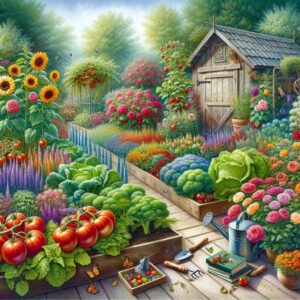
When selecting plants, diversity is key. Bees need a variety of nectar and pollen sources throughout the year. Opt for native plants, which are already adapted to your local climate and are often more attractive to native bees. Here’s a quick list to get you started:
-
Sunflowers – These are like bee magnets, offering plenty of nectar and pollen.
-
Lavender – Its calming scent isn’t just for us; bees love it too.
-
Rosemary – An excellent early spring source of nectar for bees.
-
Goldenrod – A fall favorite for bees, providing nectar late in the season.
Remember, the goal is to have something in bloom from early spring to late fall. This provides bees with a constant food source.
Now, let’s pause here. You’ve got the beginnings of a plan, and that’s a great start. In the next section, we’ll dive deeper into creating the perfect habitat and maintaining it throughout the year. Stay tuned, because there’s more to explore in the fascinating world of bees and how we can support them right in our backyards.
Providing Shelter and Nesting Sites
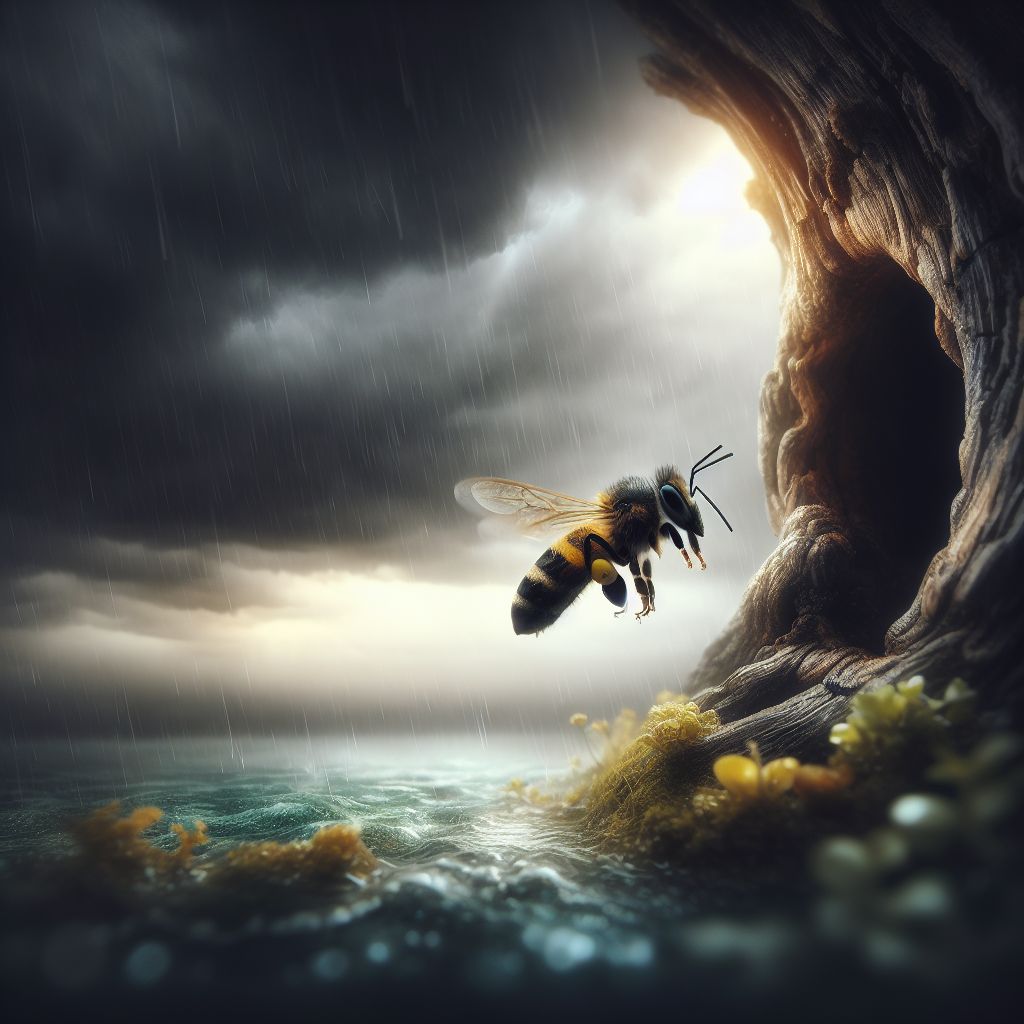
To make your garden a bee utopia, you need to think about where these tiny travelers will rest and raise their young. Bees need shelter from the elements and predators, as well as a cozy place to nest. Some bees burrow into the ground, while others prefer hollow stems or pre-made bee hotels. You can encourage ground-nesting bees by leaving patches of bare, undisturbed soil. For cavity-nesters, try setting up a bee hotel or leaving dead wood and hollow stems in your garden. It’s like building a birdhouse, but for bees!
Remember, bees aren’t looking for five-star accommodations. Simplicity works best. A bundle of bamboo tubes or a block of wood with holes drilled into it can be a palace for a bee. Just ensure that the materials are untreated and the holes are smooth to prevent wing damage.
Ensuring Water and Food Availability
Like all living creatures, bees need water to survive. A shallow water source with landing spots, like stones or floating wood, is perfect. This prevents bees from drowning while allowing them to sip safely. As for food, the variety of plants you’ve chosen will provide nectar and pollen. But here’s a tip: avoid hybrid plants as they can be less generous with nectar and pollen. Stick with heirlooms and natives to keep your bees well-fed.
Year-Round Bee Garden Maintenance
Maintaining a bee garden isn’t just a spring or summer activity; it’s a year-round commitment. Each season brings different needs for your buzzing friends. In spring, they’re on the lookout for early bloomers. During summer, ensure a continuous bloom to provide consistent food. In fall, late bloomers are key, and as winter approaches, bees need to find places to hibernate. It’s a cycle, and you’re an essential part of it.
Caring for Bees During Different Seasons

As the seasons change, so should your garden care. In the spring, clean up any debris gently to avoid disturbing nesting sites. In summer, keep the blooms coming and provide plenty of water. When fall rolls around, leave some garden debris for bees to use as shelter. And in winter? Let your garden rest and plan for the next year. Your dormant garden is a safe haven for overwintering bees.
Organic Pest Control Methods
Using chemicals in your garden is a no-go if you want to keep bees safe. Instead, opt for organic pest control methods. Introduce beneficial insects, like ladybugs, to control pests naturally. Or use barriers, like netting, to protect plants. Companion planting can also deter pests; for example, marigolds repel nematodes and other garden pests.
-
Introduce beneficial insects like ladybugs or lacewings.
-
Use physical barriers to protect plants from pests.
-
Plant companion plants that naturally deter pests.
Remember, the health of your garden reflects the health of its inhabitants. By avoiding harmful pesticides, you’re not only helping bees but also contributing to the overall well-being of your local ecosystem.
Beyond the Garden: Bee-Safe Practices in Daily Life
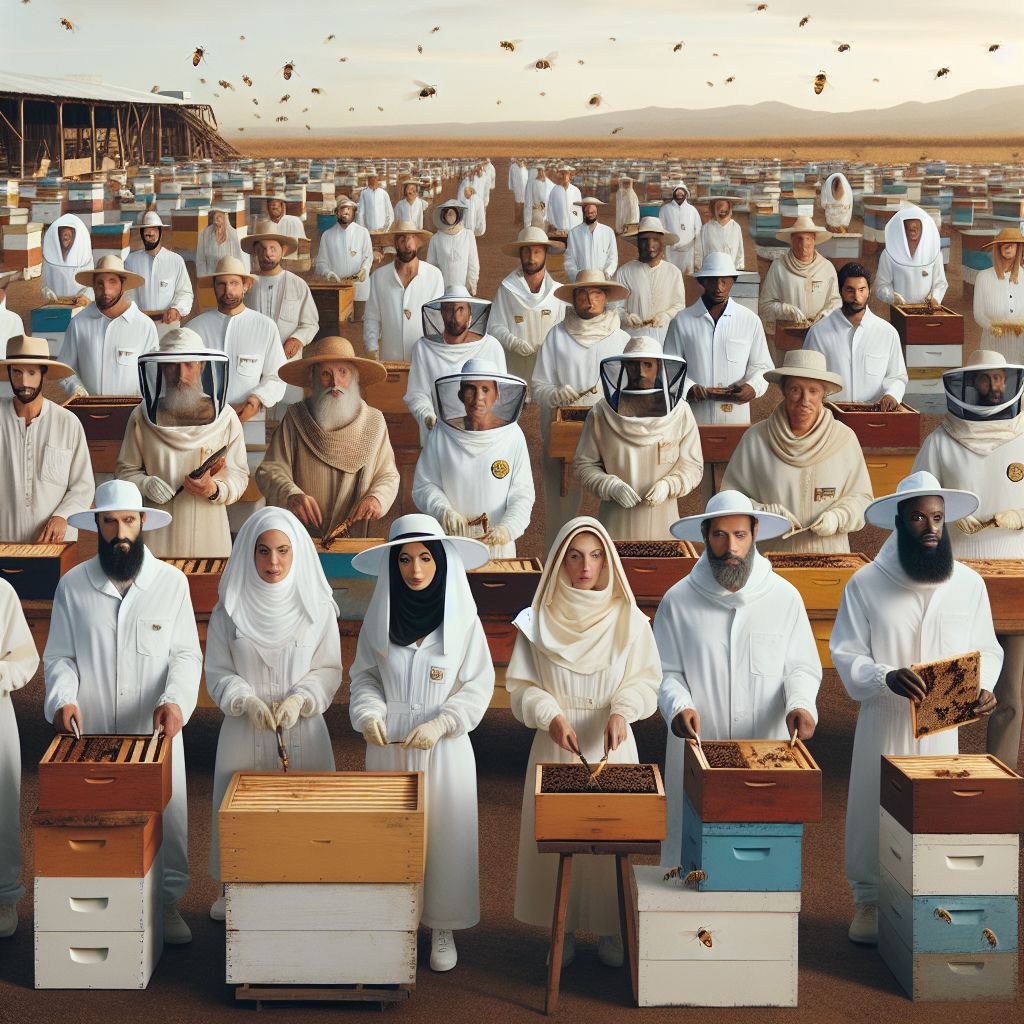
Your commitment to bees doesn’t have to stop at the garden gate. There are many ways to extend your impact. For instance, support local beekeepers by buying their honey and beeswax products. This helps sustain their bee-friendly practices and contributes to the local economy. Additionally, reduce your use of plastics and recycle whenever possible. Plastics end up in the environment and can harm bees and other wildlife.
Another simple yet effective action is to spread the word. Share your knowledge about bees and their importance with friends, family, and on social media. The more people who understand and care, the better the chances for bees’ survival.
-
Support local beekeepers by buying their products.
-
Reduce plastic usage and recycle to protect the environment.
-
Educate others about the importance of bees.
Every small action can lead to big changes. By transforming your daily habits, you’re contributing to a larger movement that supports bees and the health of our planet. Learn more about how to attract bees to your garden and enhance their habitat.
Supporting Local, Sustainable Agriculture
Local farmers often use more bee-friendly practices than large-scale agricultural operations. By purchasing from local markets, you’re voting with your wallet for sustainable farming. This not only helps bees but also promotes biodiversity and reduces the carbon footprint associated with transporting food long distances.
Advocating for Pollinator-Friendly Policies
Lastly, bees need advocates. Get involved with local community groups or campaigns that focus on creating pollinator-friendly spaces. Encourage your city to plant more flowers and reduce pesticide use. You can even contact your representatives to push for policies that protect pollinators. Your voice matters, and when combined with others, it can resonate loudly for the sake of bees and the environment.
Building a sustainable habitat for bees is a rewarding journey. It’s about more than just gardening; it’s about fostering a relationship with nature and taking responsibility for the well-being of our planet. By following these guidelines and best practices, you can make a real difference for bees and contribute to a healthier, more vibrant ecosystem.
Building a sustainable habitat for bees is a rewarding journey. It’s about more than just gardening; it’s about fostering a relationship with nature and taking responsibility for the well-being of our planet. By following these guidelines and best practices, you can make a real difference for bees and contribute to a healthier, more vibrant ecosystem.
FAQ
What are the best plants for attracting bees?
-
Sunflowers – These tall, bright flowers are bee favorites.
-
Lavender – Bees can’t resist the fragrant and abundant nectar.
-
Clover – Both red and white clover are excellent for bees.
-
Borage – Known as a bee’s delight, it replenishes nectar quickly.
When choosing plants, think about bloom times to provide nectar throughout the seasons. Also, local native plants are usually the best choice as they’ve co-evolved with local bee populations.
How often should I water my bee garden?
Your bee garden will need regular watering, especially during dry spells. Early morning or late afternoon watering is best to avoid peak foraging times for bees. Ensure the soil is moist but not waterlogged to prevent root rot in plants and create a muddy mess for ground-nesting bees.
Example: If you’re experiencing a particularly hot and dry summer, you might need to water your bee garden every other day to keep plants healthy and ensure bees have access to water.
Remember to include a shallow water source for the bees themselves. A bird bath with pebbles or marbles for bees to land on will do nicely.
Can I still create a bee habitat if I have a small space?
Definitely! Even a few potted plants on a balcony can make a difference. Choose compact, nectar-rich plants like marjoram or thyme. You can also hang a small bee hotel on a wall or railing to provide nesting sites.
What should I do if I find a swarm of bees?
Don’t panic. Swarms are a natural part of the bees’ reproductive cycle and are generally not aggressive. Contact a local beekeeper or beekeeping association; they can safely relocate the swarm without harming the bees.
How can I educate others about the importance of bees?
Start conversations, share articles, and invite friends to see your bee garden. You can also volunteer at local schools or community gardens to spread knowledge. The more we talk about bees and their role in our ecosystem, the more people will understand and want to help.
Every small action can lead to big changes. By transforming your daily habits, you’re contributing to a larger movement that supports bees and the health of our planet. So go ahead, plant those flowers, build that bee hotel, and spread the word. The bees—and our future generations—will thank you.