
Key Takeaways
Understand why creating a bee-friendly garden wall is crucial for supporting pollinator populations.
Learn how to select the right plants and materials for a durable and attractive garden wall.
Get step-by-step instructions for preparing the location and building a strong foundation for your garden wall.
Discover the importance of seasonal care and how to attract a diverse bee population.
Find answers to frequently asked questions about bee-friendly garden walls, maintenance, and space requirements.
Why a Bee-Friendly Garden Wall?

Imagine a world without the vibrant colors of flowers or the sweet taste of fruits. That’s a world without bees, and it’s a potential future we face if we don’t take action. Bees are crucial pollinators, but their populations are declining at an alarming rate. By creating a bee-friendly garden wall, you not only contribute to their conservation but also bring life and beauty to your own space.
The Plight of Pollinators
Pollinators like bees are under threat from habitat loss, pesticides, and climate change. These factors reduce their food sources and nesting habitats. As a result, the bees’ ability to pollinate and support our food systems is compromised. By installing a bee-friendly garden wall, you provide these essential creatures with a safe haven and a source of nourishment.
A Ripple Effect on Ecosystems
The decline of bee populations doesn’t just affect them; it has a profound impact on entire ecosystems and our food supply. Many plants depend on bees for pollination, which in turn supports wildlife that rely on those plants. A single bee-friendly wall can become a cornerstone for biodiversity in your neighborhood.
Essentials for Your Bee-Friendly Wall
Selecting the Right Plants

When planning your garden wall, plant selection is key. You want to choose varieties that not only look good but also provide maximum benefit for bees. Opt for native plants, as they are well-suited to local bees and require less maintenance. Look for plants with a long blooming period to provide a consistent food source.
Materials and Structure for Longevity
It’s not just about the plants; the materials you use for your garden wall are just as important. Choose natural, untreated materials like wood or stone that are safe for bees and can withstand the elements. The structure of the wall should provide nooks and crannies for bees to nest and take refuge.
Location and Preparation

Before you start building your bee-friendly garden wall, choosing the right location is crucial. You’ll want a spot that gets plenty of sunlight, as most flowering plants that attract bees need full sun to thrive. It should also be protected from strong winds that could damage the plants or deter bees from visiting. Once you’ve found the perfect spot, prepare the area by clearing any weeds or debris, and ensure the ground is level to provide a stable base for your wall.
Building Your Wall’s Foundation
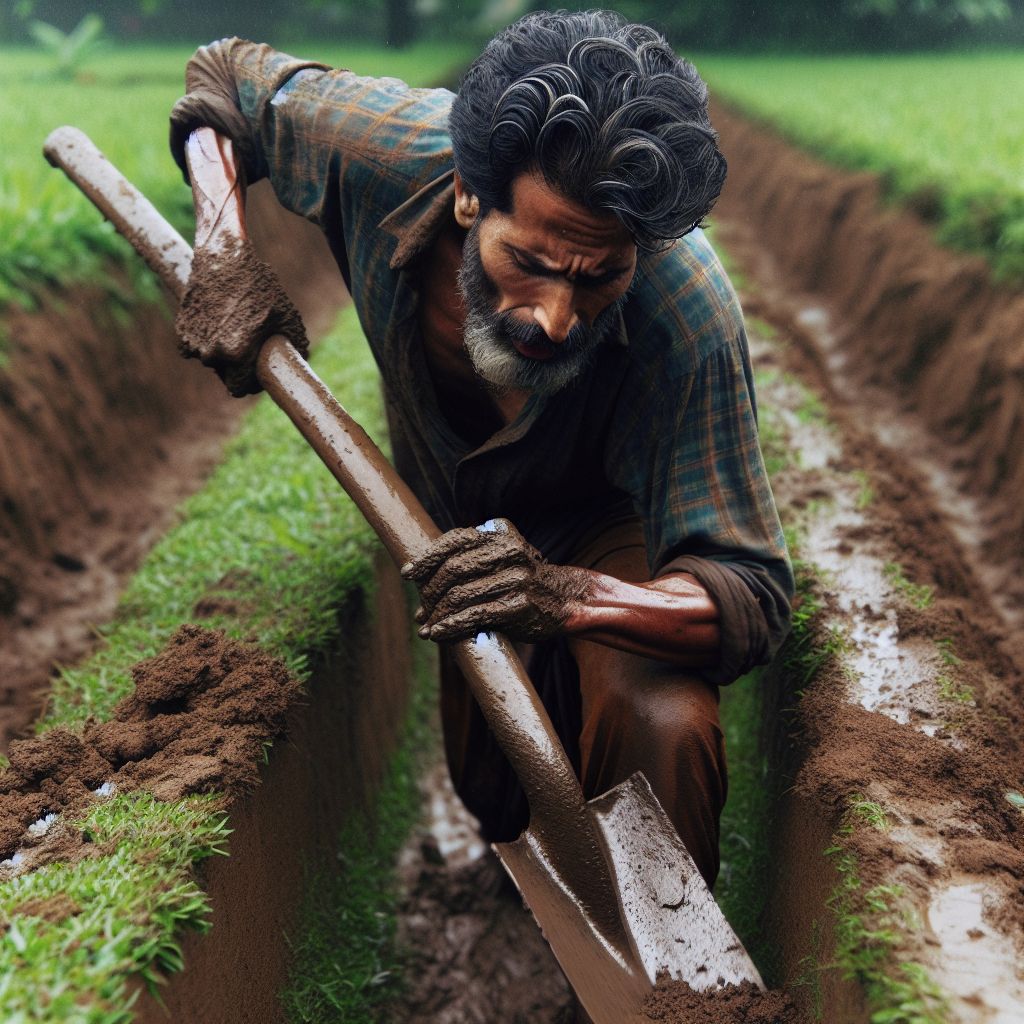
A solid foundation is essential for the longevity of your garden wall. If you’re using heavy materials like bricks or stones, you may need to dig a trench and fill it with a layer of gravel for drainage, followed by a layer of sand to provide a level base. For wooden walls, consider using posts anchored in concrete to prevent rot and ensure stability. Always check for any utility lines before digging and adhere to local building codes and regulations.
Planting with Purpose
When it’s time to plant, think about the arrangement of your plants. Grouping similar plants together not only creates a visually appealing pattern but also makes it easier for bees to forage. Include a variety of plants that bloom at different times throughout the year to ensure a continuous food supply. Remember to plant densely to give bees plenty of options while also conserving water and reducing weed growth.
Here are some steps to guide you through the planting process:
Start with a layer of high-quality soil that’s rich in organic matter to support plant growth.
Arrange your plants while they’re still in their pots to get a sense of how they’ll look once planted.
Plant from the back of the wall to the front, placing taller plants behind shorter ones for easy access to sunlight.
Water the plants thoroughly after planting to help them settle in their new home.
Maintaining a Flourishing Habitat
Regularly check for and remove invasive weeds that compete with your bee-friendly plants.
Minimize the use of pesticides, or better yet, avoid them altogether to protect the bees.
Refresh the wall with new plants as needed to replace any that didn’t thrive.
Seasonal Care for Your Garden Wall

Just like any garden, your bee-friendly wall will need seasonal maintenance. In the spring, prune any dead or damaged branches to encourage new growth. During the summer, ensure the plants are well-watered, especially during dry spells. Come fall, it’s a good time to add mulch to protect the plants’ roots from the cold. In winter, let the garden rest, but plan for any new additions you might want to make in the spring.
Remember:
“A bee-friendly garden is a commitment to nature. It requires time, patience, and care, but the rewards are immeasurable not only for the bees but for our environment as well.”
Attracting a Diverse Bee Population
To attract a wide range of bee species, include a variety of plant shapes and sizes in your garden wall. Some bees are small and can only access certain types of flowers, while others have longer tongues suited for different shapes. Providing a range of habitats, such as bare soil for ground-nesting bees and wood cavities for solitary bees, will also encourage diversity.
By following these guidelines and putting in the effort to maintain your bee-friendly garden wall, you’ll create a vibrant and vital sanctuary for bees and a stunning feature for your garden that you can enjoy year after year.
FAQ
When it comes to establishing a bee-friendly garden wall, several questions often arise. Let’s tackle some of the most common inquiries to ensure your garden wall is a success.
What are the best plants for a bee-friendly garden wall?
The best plants for a bee-friendly garden wall are those that provide nectar and pollen throughout the growing season. For an in-depth guide, consider exploring how to grow a bee sanctuary with native prairie flower seeds, which includes top choices for your garden.
Lavender – with its fragrant and long-lasting blooms, it’s a bee favorite.
Catmint – offers a long blooming period and is incredibly hardy.
Sunflowers – their large, bright flowers are excellent for bees, and they add height to your wall.
Coneflowers – they come in various colors and are beloved by bees for their nectar.
Borage – known as a bee magnet, this plant also replenishes soil nutrients.
Remember to choose plants that are native to your region for the best results.
How often should the garden wall be maintained?
Your bee-friendly garden wall should be checked regularly for plant health, watering needs, and structural integrity. For optimal upkeep, follow this maintenance schedule:
Weekly – check for weeds and water as necessary.
Seasonally – prune, replace any failing plants, and refresh mulch.
Annually – inspect the wall’s structure for any repairs and plan for new plant additions.
Consistent care ensures a thriving environment for bees and a beautiful display for you to enjoy.
Can a bee-friendly garden wall fit in a small space?
Absolutely! A bee-friendly garden wall can be adapted to fit even the smallest of spaces. Vertical gardening techniques allow you to maximize your available area. Whether it’s a small section of a fence transformed into a pollinator paradise or a compact freestanding wall, there are options to suit every space constraint.
Is it necessary to use organic materials for the wall structure?
While it’s not strictly necessary to use organic materials for your garden wall, it is highly recommended. Organic materials like untreated wood or natural stone are not only safer for bees but also blend seamlessly into the garden environment. They also avoid the potential for chemicals to leach into the soil and harm the pollinators you’re trying to attract.
How can I encourage bees to visit my garden wall?
To encourage bees to visit your garden wall, consider the following tips:
Plant a diverse array of flowers that bloom at different times to provide a steady food source.
Include a water source, like a shallow dish with pebbles, for bees to drink from.
Avoid using pesticides, which can harm bees and other beneficial insects.
Leave some areas of bare soil or provide bee hotels for nesting opportunities.
With the right combination of plants, water, and shelter, your garden wall will become a buzzing hub of bee activity.


Leave a Reply