
When it comes to supporting our buzzing friends, the bees, creating a safe haven for them isn’t just a fun DIY project—it’s a step towards supporting the entire ecosystem. Bamboo, a sustainable and sturdy material, is perfect for making bee houses. Not only does it provide the ideal environment for solitary bees, but it’s also a material you can feel good about using. Let’s dive into the crafting steps to build your very own bamboo bee house.
Key Takeaways
-
Bamboo is an eco-friendly material that’s perfect for making bee houses due to its natural hollow structure.
-
Creating a bee house from bamboo can be done with simple tools and materials, making it an accessible project for all ages.
-
The ideal placement for a bamboo bee house is in a sunny, dry location facing south or southeast to attract bees.
-
Regular maintenance, such as cleaning and monitoring, is essential to keep your bee house a safe place for bees.
-
Adding a variety of plants that attract bees can help turn your garden into a thriving sanctuary for these vital pollinators.
Why Bamboo for Bee Houses?
There’s a reason why bamboo is the go-to material for many eco-conscious crafters. This fast-growing grass is incredibly renewable, making it a guilt-free choice for your projects. But why do bees love it? The natural hollow structure of bamboo mimics the bees’ preferred nesting spots in the wild, providing them with a cozy and secure environment to lay their eggs and raise their young.
Environmental Benefits of Bamboo

Bamboo is not just a favorite snack for pandas—it’s a super plant that grows quickly, requires no fertilizer, and regenerates from its own roots. That means less impact on the environment and a home for bees that’s as green as it gets.
Why Bees Love Bamboo
Our solitary bee friends, like mason bees, are looking for snug tunnels to call home. Bamboo’s natural tubes offer the perfect size and protection from predators and the elements. Plus, these tubes are easy for bees to navigate and customize with their own materials.
Gathering Your Sustainable Supplies
Before we start building, we need to gather our materials. We’re aiming for sustainability here, so let’s choose supplies that are kind to the earth and perfect for our purpose.
Choosing the Right Bamboo
Not all bamboo is created equal when it comes to making bee houses. Look for bamboo canes that have a range of diameters, ideally between 4 to 10 mm, which is just right for solitary bees. The bamboo should be dry and free from pesticides—remember, we’re crafting a safe space for these little pollinators.
For this project, you’ll need:
-
Bamboo canes with various diameters
-
A saw or sharp knife to cut the bamboo
-
Sandpaper to smooth any sharp edges
-
An eco-friendly sealant to protect the bamboo from the elements
Tools for Your DIY Project
Now, let’s talk tools. You’ll need a few basics to get started, including an eco-friendly sealant to protect the bamboo from the elements.
-
A hand saw or a power saw if you’re comfortable using one
-
A drill with a small bit for drainage holes
-
Non-toxic, waterproof wood glue
-
String or wire for hanging your finished bee house
Most importantly, ensure you have protective gear like gloves and safety glasses. Safety first, crafters!
Other Eco-friendly Materials You’ll Need
Besides bamboo, you’ll want a few other materials to complete your bee house:
-
An upcycled or recyclable plastic container to house the bamboo canes
-
Natural twine or untreated wood for the frame
-
Optional: Natural paints or stains to decorate your bee house

Keep in mind that bees are sensitive to strong smells, so if you decide to decorate, choose products that are low-VOC and bee-friendly.
Step-by-Step Crafting of Your Bamboo Bee House
Alright, it’s time to roll up our sleeves and start crafting. This is where the fun begins!
Preparing Your Bamboo Tubes
First, cut your bamboo canes into lengths of about 6-10 inches. This size is ideal for mason bees and other solitary bees. After cutting, use the sandpaper to smooth out any rough edges—bees have delicate wings and we don’t want to risk any injuries.
Here’s a tip: When cutting the bamboo, try to keep the natural nodes of the bamboo at one end of the tube. These nodes act as natural backstops for the bees.
Assembling the Bee House Structure
Now, grab your container. This could be an old plastic bottle or a wooden box—whatever you have on hand that can withstand the elements. Ensure that the container is deep enough to shield the bamboo from rain and has enough space to pack in your bamboo tubes snugly.
Arrange your bamboo tubes inside the container, keeping them level at the front. You can use non-toxic wood glue to keep them in place if needed. Remember, the goal is to create a cozy cluster of tunnels that our bee buddies can’t resist.
Once your bamboo is arranged, it’s time to seal the deal. Apply your eco-friendly sealant to the exterior of the container to protect it from moisture. This will help your bee house last longer and keep the bees dry and happy.
And there you have it, the first part of our guide to creating a sustainable haven for bees. Stay tuned for the next steps, where we’ll cover the best location for your new bee house and how to care for it. Crafting for the planet has never been more rewarding!
Securing the Tubes within the Structure
Once your bamboo tubes are neatly arranged, it’s essential to secure them so they stay in place and provide a stable home for the bees. If you’ve chosen a plastic container, you might opt to use the non-toxic wood glue to secure the tubes to the container’s sides. If you’re using a wooden box, you can gently nail or tack the tubes in place, being careful not to split the bamboo. The goal here is to ensure the tubes don’t jostle around, which could disturb the bees or cause them to abandon the house.

For added security, consider wrapping the entire bundle of bamboo tubes with natural twine. This not only helps to hold the tubes in place but also adds a rustic aesthetic to your bee house. Just make sure the twine is not too tight—bees need to be able to enter and exit their tubes with ease.
Placing Your Bee House for Maximum Buzz
Now that your bee house is assembled, it’s time to think about where to place it to attract the most bees. The location of your bee house can significantly impact how attractive it is to solitary bees looking for a nesting site.
Best Location for Bee Traffic
When it comes to placement, bees have their preferences. They love the warmth of the morning sun, so facing your bee house south or southeast is ideal. Position it about 3 to 6 feet off the ground to keep it out of the reach of many predators and to make it visible to passing bees. Be sure it’s in a location that is shielded from strong winds and isn’t directly exposed to harsh weather conditions.
Here are a few tips to ensure your bee house becomes a buzzing hub:
-
Place it against a flat surface that gets plenty of morning sun.
-
Ensure there’s no vegetation obstructing the entrance.
-
Keep it elevated to prevent moisture from seeping in and to deter predators.
Seasonal Adjustments and Considerations
As the seasons change, so do the needs of your bee house. During winter, consider moving the house to a sheltered spot to protect dormant bees from extreme cold and moisture. When spring arrives, move it back to its sunny spot to wake up the bees with the warmth of the new season.
Remember, bees are more likely to take up residence in your bee house if there are plenty of flowering plants nearby. So, plant a variety of native flowers, shrubs, and trees to provide bees with nectar and pollen throughout the year.
Maintenance and Care for Your DIY Bee House
Just like any other home, your bee house will need some upkeep to remain a safe and inviting place for bees. Let’s go over some maintenance and care tips to ensure your bee house stands the test of time and the buzz of its inhabitants.
Cleaning and Upkeep Tips
At the end of the bee season, usually in late fall, it’s a good idea to clean out your bee house. This helps prevent the spread of parasites and diseases that can harm bee populations. Carefully open the bee house and remove any debris or dead bees with a gentle brush or a blast of air. If you’ve used removable tubes, you can replace them with fresh ones for the next season.
Additionally, it’s crucial to check for any signs of wear and tear. Look for cracks, loose tubes, or water damage, and make repairs as necessary. This not only ensures the structural integrity of the bee house but also keeps your bee guests safe and secure.
Monitoring Bee Activity and Health
Keep an eye on your bee house throughout the active seasons. If you notice a lot of activity and bees coming and going, that’s a great sign! However, if you observe a sudden drop in bee traffic or signs of distress, it may indicate a problem. This could be due to pests, disease, or environmental factors. By monitoring the health of your bee house, you can take steps to address any issues promptly.
Expanding Your Bee Sanctuary
Once you’ve successfully established your first bamboo bee house, why stop there? You can expand your bee sanctuary by creating multiple houses and placing them around your garden or property. This not only increases the chances of attracting more bees but also helps to ensure a diverse and healthy bee population.
Consider these steps to expand your bee-friendly space:
-
Build additional bee houses and vary the tube sizes to attract different species.
-
Place houses at different heights and orientations to cater to various bee preferences.
-
Create a bee-friendly garden by planting a variety of plants that bloom at different times of the year, providing a constant food source for bees.
By following these steps and maintaining your bamboo bee house, you’re contributing to the well-being of bees and the environment. Plus, you’re engaging in a craft that’s as enjoyable as it is meaningful. Happy crafting and beekeeping!
Securing the Tubes within the Structure
Once your bamboo tubes are neatly arranged, it’s essential to secure them so they stay in place and provide a stable home for the bees. If you’ve chosen a plastic container, you might opt to use the non-toxic wood glue to secure the tubes to the container’s sides. If you’re using a wooden box, you can gently nail or tack the tubes in place, being careful not to split the bamboo. The goal here is to ensure the tubes don’t jostle around, which could disturb the bees or cause them to abandon the house. For more details on maintaining a stable environment for your bees, check out our bee house maintenance guide.
For added security, consider wrapping the entire bundle of bamboo tubes with natural twine. This not only helps to hold the tubes in place but also adds a rustic aesthetic to your bee house. Just make sure the twine is not too tight—bees need to be able to enter and exit their tubes with ease.
Placing Your Bee House for Maximum Buzz
Now that your bee house is assembled, it’s time to think about where to place it to attract the most bees. The location of your bee house can significantly impact how attractive it is to solitary bees looking for a nesting site.
Best Location for Bee Traffic

When it comes to placement, bees have their preferences. They love the warmth of the morning sun, so facing your bee house south or southeast is ideal. Position it about 3 to 6 feet off the ground to keep it out of the reach of many predators and to make it visible to passing bees. Be sure it’s in a location that is shielded from strong winds and isn’t directly exposed to harsh weather conditions.
-
Place it against a flat surface that gets plenty of morning sun.
-
Ensure there’s no vegetation obstructing the entrance.
-
Keep it elevated to prevent moisture from seeping in and to deter predators.
Seasonal Adjustments and Considerations
As the seasons change, so do the needs of your bee house. During winter, consider moving the house to a sheltered spot to protect dormant bees from extreme cold and moisture. When spring arrives, move it back to its sunny spot to wake up the bees with the warmth of the new season.
Remember, bees are more likely to take up residence in your bee house if there are plenty of flowering plants nearby. So, plant a variety of native flowers, shrubs, and trees to provide bees with nectar and pollen throughout the year.
Maintenance and Care for Your DIY Bee House
Just like any other home, your bee house will need some upkeep to remain a safe and inviting place for bees. Let’s go over some maintenance and care tips to ensure your bee house stands the test of time and the buzz of its inhabitants.
Cleaning and Upkeep Tips
At the end of the bee season, usually in late fall, it’s a good idea to clean out your bee house. This helps prevent the spread of parasites and diseases that can harm bee populations. Carefully open the bee house and remove any debris or dead bees with a gentle brush or a blast of air. If you’ve used removable tubes, you can replace them with fresh ones for the next season.
Additionally, it’s crucial to check for any signs of wear and tear. Look for cracks, loose tubes, or water damage, and make repairs as necessary. This not only ensures the structural integrity of the bee house but also keeps your bee guests safe and secure.
Monitoring Bee Activity and Health
Keep an eye on your bee house throughout the active seasons. If you notice a lot of activity and bees coming and going, that’s a great sign! However, if you observe a sudden drop in bee traffic or signs of distress, it may indicate a problem. This could be due to pests, disease, or environmental factors. By monitoring the health of your bee house, you can take steps to address any issues promptly.
Expanding Your Bee Sanctuary
Once you’ve successfully established your first bamboo bee house, why stop there? You can expand your bee sanctuary by creating multiple houses and placing them around your garden or property. This not only increases the chances of attracting more bees but also helps to ensure a diverse and healthy bee population.
-
Build additional bee houses and vary the tube sizes to attract different species.
-
Place houses at different heights and orientations to cater to various bee preferences.
-
Create a bee-friendly garden by planting a variety of plants that bloom at different times of the year, providing a constant food source for bees.
By following these steps and maintaining your bamboo bee house, you’re contributing to the well-being of bees and the environment. Plus, you’re engaging in a craft that’s as enjoyable as it is meaningful. Happy crafting and beekeeping!
Plants That Attract and Nourish Bees
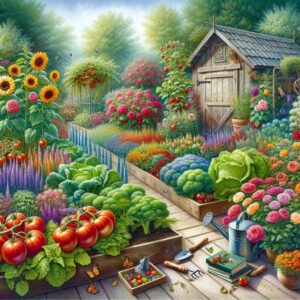
Now, let’s make your garden irresistible to bees. Planting a variety of flowers and shrubs not only makes your space more beautiful, but it also provides bees with the food they need to thrive. Consider plants like lavender, borage, and echinacea, which are known for their bee-friendly blooms. Here are a few more:
-
Sunflowers, which offer a plentiful supply of seeds and nectar.
-
Rosemary, whose flowers are a favorite for bees, and it’s a great herb for your kitchen too.
-
Butterfly bushes, which live up to their name by attracting a host of pollinators, including bees.
Remember, the key is to plant native species that bloom at different times throughout the year, providing a consistent source of nourishment for your bee pals.
Frequently Asked Questions (FAQ)
Now, you might have a few questions, and I’m here to answer them. Let’s clear up some common queries about building and maintaining bamboo bee houses.
How do I choose the best location for a bee house?
The best spot for your bee house is somewhere with morning sun, protection from wind, and no vegetation blocking the entrance. Ideally, mount it 3 to 6 feet above the ground, facing south or southeast.
What is the ideal size for bamboo tubes?
The ideal size for bamboo tubes is between 4 to 10 mm in diameter. This range accommodates different species of solitary bees and provides a snug fit for their nesting habits.
How often should I clean the bee house?
You should clean the bee house once a year, typically in late fall after the bees have completed their life cycles. This helps to prevent disease and keep the house inviting for the next season’s bees.
Can I use any type of bamboo?
While most types of bamboo can be used, ensure it’s dry, pesticide-free, and has a variety of diameters suitable for solitary bees. Avoid treated bamboos that may contain harmful chemicals.
Building a bamboo bee house is a fantastic way to support the local bee population. Not only does it provide a safe habitat for bees to thrive, but it also encourages a healthier garden ecosystem. If you’re looking to attract more bees to your garden, consider planting some lavender or creating a pollinator paradise with a variety of plants and flowers. This simple project can be a fun weekend activity and a great way to get involved in bee conservation.