Key Takeaways: Building a Home for Bees
Learn how to plan and build a bee hotel, a vital refuge for solitary bees.
Discover the materials and tools needed to create a bee-friendly habitat.
Understand the importance of bee hotels for local ecosystems and pollination.
Gain tips for safe placement and maintenance of your bee hotel.
Explore educational activities that connect students with nature and conservation.

Getting Started: Planning Your Bee Hotel
So, you’re ready to roll up your sleeves and help our buzzing friends? That’s fantastic! Building a bee hotel isn’t just about hammering and drilling; it’s about creating a haven for solitary bees who are vital pollinators in our ecosystems. These little architects prefer to work alone, and your bee hotel will provide them with the perfect spot to lay their eggs.
First things first, you’ll need a plan. Think about where you want to place your bee hotel. It should be somewhere with plenty of sunlight and protection from harsh weather. Also, consider the size – it doesn’t need to be massive, a small structure can make a huge difference. Once you’ve got a spot in mind, it’s time to gather your materials.
Materials You’ll Need
Untreated wood or logs for the structure
Bamboo canes or cardboard tubes for bee nests
A saw for cutting wood (make sure to get some help from an adult!)
Non-toxic, weather-resistant sealant to protect the wood
Hammer and nails or screws to put everything together
Drill with various sized bits, if you’re using logs
Make sure all the materials you choose are safe for bees and the environment. It’s best to avoid treated wood or toxic paints, as they can harm the bees. And remember, reusing materials is not only cost-effective but also eco-friendly!
Designing Your Bee Hotel

Designing your bee hotel can be as simple or as creative as you like. The key is to ensure there are plenty of small, tube-like spaces for the bees to lay their eggs. Solitary bees like mason bees and leafcutter bees will be your primary guests, and they’re not picky about aesthetics – they just need a safe and cozy space.
Here’s a simple design idea: stack blocks of wood with drilled holes or bamboo canes together, and encase them in a frame with a roof to protect from rain. The holes should be different sizes to welcome different species of bees, typically ranging from 2mm to 10mm in diameter.
Now, let’s get building!
Construction Time: Building the Bee Hotel Step-by-Step
It’s construction time! This is where the fun really begins. Follow these steps to create your bee sanctuary:
Assembling the Structure
Start by cutting your wood to create a back, sides, top, and bottom for your hotel. A simple rectangular shape works well.
Attach the sides to the back panel using nails or screws. Make sure it’s sturdy – we don’t want our bee guests to experience a hotel collapse!
Add the top and bottom pieces to form a box. Remember, the roof should overhang to provide shelter from the rain.
If you’re using logs, drill holes of various sizes into them, but not all the way through. These will be the bee rooms.
For bamboo or cardboard tubes, cut them to length so they fit snugly in your box.
Fill the box with your logs or tubes, packing them tightly so they don’t fall out.
Seal the wood with a non-toxic sealant to help it last longer. Just make sure it’s safe for bees!
And there you have it, the structure of your bee hotel is complete! But we’re not done yet…
Creating Spaces for Solitary Bees
Now, let’s focus on the rooms for our solitary bees. If you’re using bamboo canes or cardboard tubes, the work is pretty much done. But if you’re using logs, it’s important to drill holes at various angles to prevent water from collecting. This helps keep the bee babies dry and healthy.
Remember to smooth out any rough edges around the entrances – we wouldn’t want our bees to get splinters! And leave some wood surfaces rough. Some bees like to cling to rough textures when they land.
With the construction complete, your bee hotel is almost ready to open for business. But before we welcome our winged guests, let’s talk about keeping them safe.
Upkeeping Your Bee Hotel
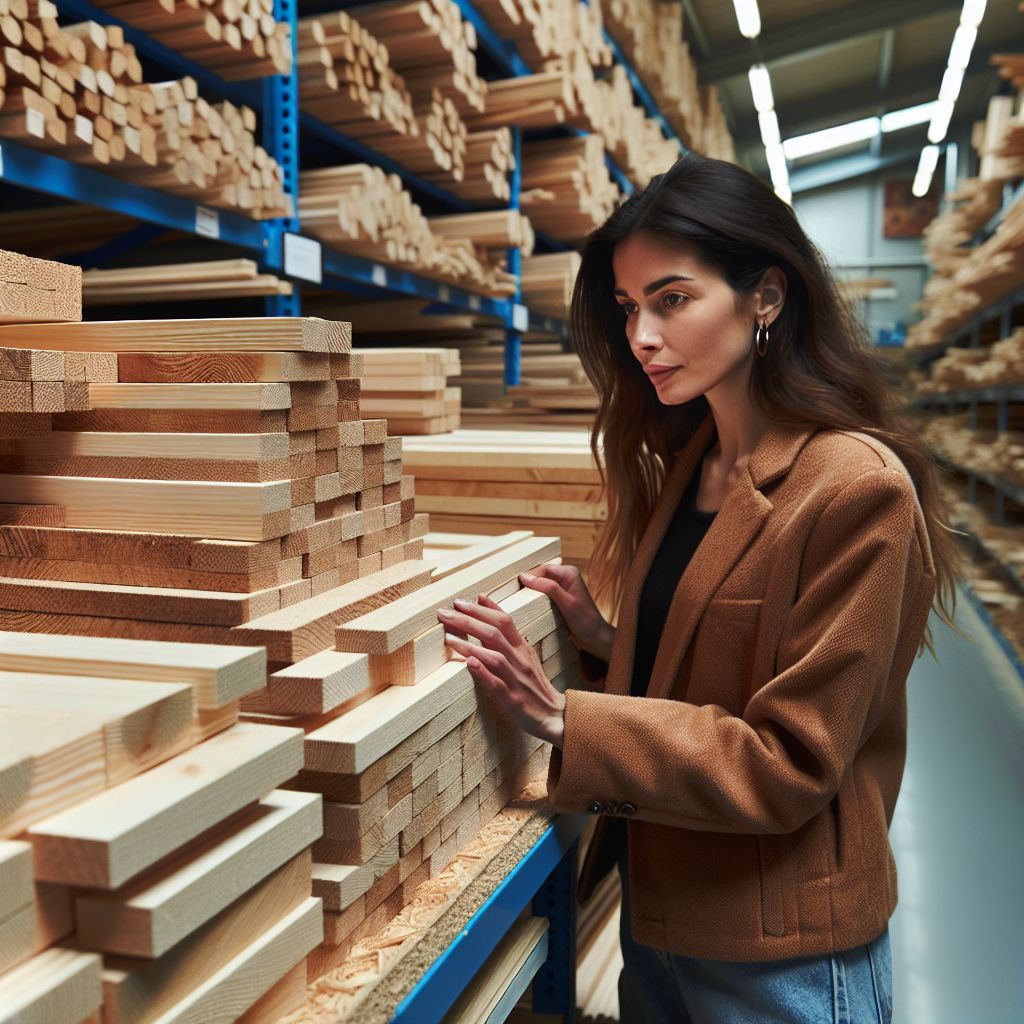
Just like any hotel, your bee hotel will need a little upkeep to stay welcoming. Most importantly, place it facing the morning sun, ideally towards the east, to warm the bees as they start their day. You’ll also want to make sure it’s at least a meter off the ground to keep it out of reach from curious critters and cold damp.
Every once in a while, check your hotel for signs of wear and tear. If you used cardboard tubes, they might need replacing after a season or two. And if you see any mold or mildew, it’s time for a cleanup. Be gentle, though – we want to preserve any bee larvae that might be developing inside.
At the end of the bee season, usually in late autumn, give your hotel a once-over. Remove any debris and ensure it’s secure for the winter months. Come spring, you’ll be ready to welcome back your buzzing guests for another season of pollination!
Engage and Educate: Classroom Activities Involving Bee Hotels
Now that your bee hotel is up and running, it’s time to turn it into a living classroom. There’s so much potential for learning here, from biology and ecology to responsibility and creativity. And remember, the goal is to engage young minds in the wonder of nature and the importance of conservation.
Let’s look at some activities that will make your bee hotel more than just a habitat, but a hub of education and inspiration.
Observation and Recording: Data Collection Projects
Observation is key in science, and your bee hotel is the perfect subject. Encourage students to keep a bee diary, noting which species visit, how often they come, and what they’re doing. This can be a daily or weekly task and can involve drawing or photographing the bees.
Over time, you’ll accumulate valuable data that can be analyzed and shared. Maybe you’ll notice patterns in bee activity, or discover which flowers attract the most bees. This is real science in action, and it’s happening right in your schoolyard!
Monitor the types of bees using the hotel
Record the frequency of visits
Document bee behavior and interactions
Take note of weather conditions and their effects
Use the data for math lessons in graphing and statistics
And as the seasons change, so will your observations. This ongoing project can provide continuous learning opportunities throughout the school year. For more detailed insights on creating a conducive environment for bees, consider exploring this sustainable bee habitat creation guide.
Art and Science: Integrating Bee Hotels into the Curriculum
Art can be a powerful tool for learning and expression, and your bee hotel project can inspire some truly buzz-worthy creations. Students can create bee-themed art, from paintings and sculptures to poetry and stories. This not only celebrates the bees but also helps raise awareness about their importance.
Science fairs are another great opportunity. Students can present their bee hotel data, explain the construction process, and even propose improvements for next year’s model. They can research bee behavior, the role of pollinators in our food supply, and the challenges bees face in the wild.
Most importantly, by integrating the bee hotel into different subjects, you’re showing students that learning isn’t confined to just one topic or classroom – it’s all connected, just like in the real world.
A Look at the Outcome: Success Stories from Schools
So, what happens after the buzz? Let’s take a look at some real-life success stories from schools that have embraced the bee hotel project.
Impact on Local Pollinator Populations

In one school, students noticed an increase in the number of bees in their garden after installing a bee hotel. They also observed more flowers blooming and a greater variety of birds visiting the area. Their little hotel had a big impact on the local ecosystem!
Another school partnered with a local university to track the diversity of bees using their hotel. They discovered several species they hadn’t known were in the area, contributing valuable information to local conservation efforts.
Student Experiences and Reflections
But it’s not just about the bees – it’s about the students, too. Many report feeling a deeper connection to nature and a greater sense of responsibility for their environment. One student said, “I never knew how important bees were until we built the bee hotel. Now, I want to help them however I can.”
Teachers also see the difference. “The bee hotel project has brought our science curriculum to life,” one shared. “It’s hands-on, it’s relevant, and most importantly, it’s inspiring our students to think about their impact on the world.”
These stories show that when we give students the opportunity to connect with nature, they rise to the occasion. They’re not just learning about the environment; they’re learning to care for it.
Beyond the Hotel: Promoting Biodiversity and Sustainability
Building a bee hotel is just the beginning. There are so many ways to expand this project and its positive impact on our planet.
Planting Bee-Friendly Gardens
Did you know that certain plants are like a gourmet buffet for bees? By planting a variety of bee-friendly flowers, you can provide food for your hotel’s guests and attract even more pollinators to the area.
Consider adding these blooms to your school garden:
Lavender – a bee favorite with a calming scent
Sunflowers – their large heads are perfect for bees to land on and feast
Wildflowers – a mix of native species will attract a variety of pollinators
And don’t forget about herbs! Plants like rosemary, thyme, and chives are not only useful for cooking but also great for bees.
With a bee-friendly garden and a bee hotel, you’re creating a pollinator paradise. And the best part? You’re doing it as a community, learning and growing together. That’s what makes this project so special – it’s not just about the bees; it’s about us, too.
The Big Picture: How Bee Hotels Contribute to Conservation Efforts
Bee hotels are more than just a school project; they’re part of a larger movement to support biodiversity and sustainability. By providing a habitat for solitary bees, we’re taking an active role in preserving pollinator populations that are crucial for the health of our ecosystems. These little insects are responsible for the pollination of many of the foods we eat and the flowers we enjoy. It’s a small step with a big impact, and every bee hotel contributes to a brighter, more biodiverse future.
FAQ: All About Building Bee Hotels in Schools
When it comes to bee hotels, questions abound! It’s natural to wonder about the specifics of starting such a project, especially in a school setting. Let’s dive into some common questions to clear up any confusion and ensure your bee hotel is a buzzing success.
What Types of Bees Will Use the Bee Hotel?
Solitary bees, like mason bees and leafcutter bees, are the primary users of bee hotels. Unlike honeybees, they don’t live in hives but instead nest individually in small cavities. Each tube or hole in your bee hotel will likely host a single bee, giving it a safe place to lay eggs and nurture its young.
How will the Bee Hotel Affect the Surrounding Environment?
A bee hotel positively impacts the environment by supporting pollinator populations. With more bees in the area, you can expect better pollination of local plants, which leads to healthier and more diverse gardens and green spaces. It’s a simple way to boost the ecological health of your school’s surroundings.
Is it Safe to Have a Bee Hotel on School Grounds?
Yes, it’s safe to have a bee hotel on school grounds. Solitary bees are non-aggressive and unlikely to sting unless handled or provoked. They’re focused on their own work and not on defending a hive like honeybees or wasps. With proper placement and some basic education, bee hotels can be a safe and educational addition to any school.
Can Building a Bee Hotel be a Cross-curricular Project?
Building a bee hotel is an excellent opportunity for cross-curricular learning. It can be integrated into subjects like science, art, mathematics, and environmental studies. For example, students can learn about bee biology and ecology, design and build the hotel as an engineering project, and use math skills to measure materials and track bee populations.
Example: At Lincoln Middle School, the bee hotel project became a school-wide endeavor. The art class decorated the hotel’s exterior, the woodshop class handled construction, and the science class took charge of bee species identification and data tracking.
What Seasons Are Best for Starting a Bee Hotel Project?
The best time to start a bee hotel project is in the spring or early summer. This is when solitary bees are most active and looking for nesting sites. By setting up your bee hotel during this time, you provide immediate lodging for these busy pollinators. However, planning can begin at any time during the school year, allowing ample time for gathering materials and educating students about the project.
Remember, the journey doesn’t end once the bee hotel is built. It’s the start of an ongoing exploration of the natural world and our place within it. By engaging in projects like this, we’re nurturing a generation of eco-conscious individuals who understand the importance of every creature, no matter how small, in the vast web of life.


Leave a Reply