
Key Takeaways
Urban beekeeping promotes healthy bee populations and boosts garden productivity.
Essential equipment includes a hive, protective gear, and basic tools like a smoker and hive tool.
Regular documentation helps monitor hive health and track seasonal changes.
Proper hive placement ensures bees have enough space and access to forage.
Joining local beekeeping groups can provide valuable support and resources.
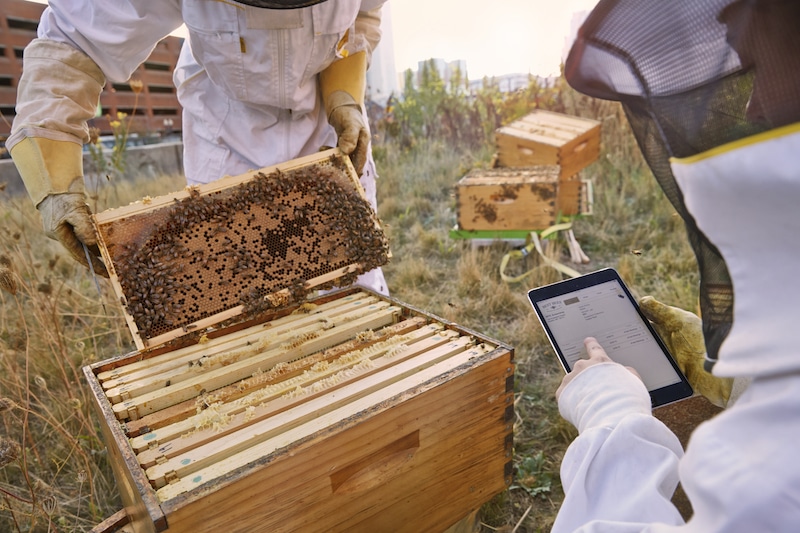
“Urban Beekeeping Problems and Benefits” from bestbees.com
Urban Beekeeping: Backyard Hive Documentation & Daily Life
Benefits of Urban Beekeeping
Urban beekeeping is not just a hobby; it’s a way to contribute to the environment while reaping numerous benefits. Having a beehive in your backyard can help pollinate your garden, leading to healthier plants and more bountiful harvests. Bees play a crucial role in pollinating flowers, fruits, and vegetables, ensuring that your garden thrives.
Besides that, urban beekeeping can be incredibly rewarding. There’s nothing quite like harvesting your own honey, knowing it came from your backyard. Honey from local bees is often more nutritious and can even help with seasonal allergies.
Most importantly, beekeeping helps support the declining bee population. By maintaining a hive, you provide a safe haven for bees, which are vital for biodiversity and the ecosystem.
What You Need to Start Urban Beekeeping
Essential Equipment for Your Beehive
Starting an urban beehive requires some essential equipment. Here’s what you’ll need to get started: urban beekeeping.
Beehive: This is where your bees will live. There are different types of hives, but the Langstroth hive is the most common for beginners.
Protective Gear: A bee suit, gloves, and a veil will protect you from stings while you work with your bees.
Hive Tool: This tool helps you open the hive and manipulate the frames.
Smoker: A smoker calms the bees, making it easier to work with them.
Feeder: This is used to feed your bees sugar water, especially when nectar sources are scarce.
Choosing the Right Bees for Your Hive
Selecting the right bees is crucial for a successful hive. Here are some factors to consider:
Bee Breed: Some bees are more docile and better suited for urban environments. Italian bees are a popular choice for beginners due to their gentle nature.
Source: Purchase bees from a reputable supplier to ensure they are healthy and disease-free.
Colony Strength: A strong colony with a healthy queen is essential for a thriving hive.
Setting Up Your Backyard Hive
Optimal Placement of Your Hive
Where you place your hive can significantly impact its success. Here are some tips for optimal placement: ensure the hive is in a location that gets morning sun and afternoon shade, and is sheltered from strong winds. For more detailed guidance on urban beekeeping, check out this comprehensive guide.
First, ensure your hive is in a sunny spot. Bees thrive in sunlight, and it helps keep the hive warm. Avoid placing the hive in a shaded area as it can lead to moisture buildup, which is detrimental to the bees. For more tips, check out Backyard Beekeeping 101.
Next, consider the flight path of your bees. Place the hive so that the entrance faces away from high-traffic areas like sidewalks and patios. This minimizes human-bee interactions and reduces the chances of stings.
Hive Installation Tips
When installing your hive, follow these steps: Backyard Beekeeping 101.
Level the Ground: Ensure the ground where you’ll place the hive is level to prevent it from tipping over.
Use a Hive Stand: Elevate the hive using a stand to protect it from moisture and pests.
Secure the Hive: Use straps or weights to secure the hive, especially if you live in a windy area.
Daily Hive Management Practices
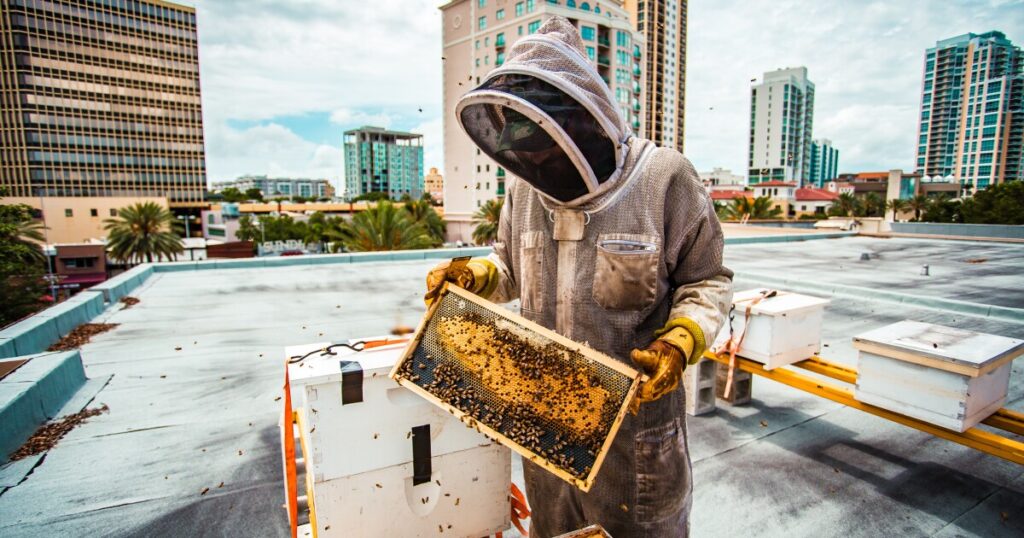
“Urban Beekeeping: New Hives An Artful …” from www.wusf.org
Regular Hive Inspections
Regular hive inspections are crucial for maintaining a healthy colony. During inspections, check for signs of disease, pests, and the overall health of the bees. Look for a healthy brood pattern, which indicates a productive queen. For more detailed guidance, refer to Backyard Beekeeping 101.
Feeding Your Bees
Feeding your bees may be necessary during times of nectar scarcity. Use a feeder to provide sugar water, especially in early spring and late fall. This ensures your bees have enough food to survive and thrive. For more detailed guidance, check out this resource on keeping backyard bees.
Monitoring Hive Health
Keeping your hive healthy is essential for successful urban beekeeping. Regularly monitoring the health of your hive helps you catch issues early before they become major problems. Inspect your hive every 7-10 days during the active season to check for signs of disease, pests, and overall bee activity.
“A healthy hive will have a steady hum of activity, with bees coming and going, and a clean, pleasant smell.” – Backyard Beekeeping 101
Look for a healthy brood pattern, which indicates a productive queen. The brood should be in a tight cluster with few empty cells. Also, ensure there are sufficient stores of honey and pollen.
Importance of Documentation
Documentation is a crucial aspect of beekeeping. Keeping detailed records of your hive’s activities and health can help you track patterns, identify issues early, and make informed decisions about hive management.
Why Keep Detailed Records?
Detailed records provide a historical account of your hive’s health and productivity. This information can be invaluable when troubleshooting problems or making decisions about hive management. Additionally, records can help you identify trends and make predictions about future hive behavior.
What to Document in Your Hive Log
Your hive log should include the following information:
Date of inspection
Weather conditions
Colony strength (number of bees)
Brood pattern and health
Honey and pollen stores
Presence of pests or diseases
Actions taken (e.g., feeding, treatments)
Seasonal Tasks and Activities
Beekeeping tasks vary throughout the year. Understanding what to do in each season will help you keep your hive healthy and productive.
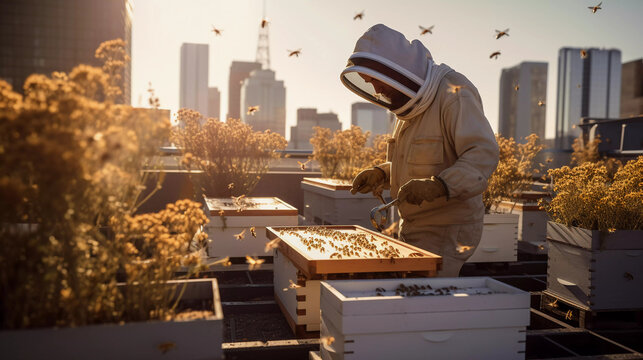
“Urban Beekeeping Images – Browse 2,358 …” from stock.adobe.com
Spring and Summer Maintenance
Spring is a critical time for beekeeping. As the weather warms, your bees will become more active and the queen will start laying more eggs. During this time, you should:
Inspect the hive for signs of disease or pests
Ensure the queen is laying a healthy brood pattern
Feed the bees if nectar sources are scarce
Expand the hive if the colony is growing rapidly
Summer is the peak season for bee activity. Continue regular inspections and monitor for signs of swarming. Provide additional space as needed and ensure the bees have access to water.
Fall and Winter Preparations
Fall is the time to prepare your hive for winter. As the weather cools, the bees will become less active and the queen will reduce her egg-laying. To prepare for winter:
Ensure the hive has sufficient honey stores for the winter
Reduce the hive entrance to prevent drafts and pests
Insulate the hive if necessary to keep it warm
Perform a final inspection and address any issues
“A well-prepared hive can survive even the harshest winter conditions.” – Backyard Beekeeping 101
For more information on hive insulation, check out this guide on the best polystyrene hive beekeeping tips.
During winter, limit hive inspections to avoid disturbing the bees. Check periodically to ensure the hive is still secure and that the bees have enough food.
Handling Common Issues
Even the best-managed hives can encounter problems. Knowing how to handle common issues will help you keep your hive healthy and productive.
“The key to successful beekeeping is being proactive and addressing issues before they become major problems.” – Backyard Beekeeping 101
Pest Control Strategies
Varroa Mites: Regularly monitor for varroa mites and use appropriate treatments if needed.
Wax Moths: Keep the hive clean and remove any weak or damaged combs to prevent wax moth infestations.
Small Hive Beetles: Use traps and maintain strong colonies to keep small hive beetles under control.
Besides that, maintaining a clean and well-managed hive will help prevent many pest issues.
Dealing with Swarming
Swarming is a natural behavior where a portion of the colony leaves to form a new hive. While swarming is a sign of a healthy colony, it can reduce your hive’s population. To prevent swarming:
Provide ample space for the colony to grow
Monitor for signs of swarming, such as queen cells
Perform regular hive inspections and manage the brood nest
If your hive does swarm, try to capture the swarm and reintroduce it to your apiary.
Harvesting and Utilizing Bee Products
One of the most rewarding aspects of beekeeping is harvesting honey and other bee products. Here’s how to do it:
Harvesting Honey
Harvesting honey typically occurs in late summer or early fall. To harvest honey:
Ensure the honey is capped, indicating it has the right moisture content
Use a bee escape or fume board to remove bees from the honey super
Extract the honey using an extractor and filter out any impurities
Store the honey in clean, airtight containers to preserve its quality. For more information on urban beekeeping, check out this beginner’s guide.
Keeping your hive healthy is essential for successful urban beekeeping. Regularly monitoring the health of your hive helps you catch issues early before they become major problems. Inspect your hive every 7-10 days during the active season to check for signs of disease, pests, and overall bee activity.
“A healthy hive will have a steady hum of activity, with bees coming and going, and a clean, pleasant smell.” – Backyard Beekeeping 101
Look for a healthy brood pattern, which indicates a productive queen. The brood should be in a tight cluster with few empty cells. Also, ensure there are sufficient stores of honey and pollen. For more information on hive management, check out these beekeeping tips and techniques.
Engaging with Your Community
Engaging with your community can enhance your beekeeping experience and provide valuable support and resources.
Educating Your Neighbors
Educate your neighbors about the benefits of beekeeping and the important role bees play in the environment. This can help alleviate any concerns they may have and foster a supportive community.
Consider hosting an open hive day where you can demonstrate hive management practices and answer questions. Sharing honey and other bee products can also help build goodwill. For more insights, check out this guide on enhancing urban beekeeping.
Joining Local Beekeeping Groups
Joining local beekeeping groups can provide you with a wealth of knowledge and support. These groups often host meetings, workshops, and events where you can learn from experienced beekeepers and share your experiences.
“Being part of a beekeeping community can make all the difference in your beekeeping journey.” – Backyard Beekeeping 101
Frequently Asked Questions (FAQ)
How much space do I need for a backyard beehive?
You need at least 6-8 feet of space around your hive. This gives your bees enough room to fly around the hive and reduces the chances of human-bee interactions.
What should I do if my bees become aggressive?
If your bees become aggressive, check for any disturbances or threats to the hive. Ensure the hive is not exposed to excessive noise, vibrations, or predators. If the aggression persists, consider requeening the hive with a more docile queen.
How do I know if my hive is healthy?
A healthy hive will have a steady hum of activity, with bees coming and going, and a clean, pleasant smell. The brood pattern should be in a tight cluster with few empty cells, and there should be sufficient stores of honey and pollen.
Regular hive inspections
Monitoring for pests and diseases
Ensuring the queen is laying a healthy brood pattern
Can I keep bees if I live in an apartment?
Yes, you can keep bees if you live in an apartment, but it requires careful planning. Consider rooftop or balcony beekeeping, and ensure you have permission from your building management. Also, check local regulations regarding urban beekeeping.
Do I need to get a permit for urban beekeeping?
Check with your city or local government for specific regulations regarding urban beekeeping. Some cities require permits or have specific ordinances you must follow.
Urban beekeeping has become increasingly popular as more people recognize the benefits of keeping bees in their backyards. Not only do bees provide honey, but they also play a crucial role in pollinating plants, which is essential for the environment. For those new to the practice, understanding the basics is key. For instance, beginner beekeepers should start with learning about the different types of bees and their specific needs. Regular maintenance and monitoring of the hive are also important to ensure the health and productivity of the bees.



Leave a Reply