
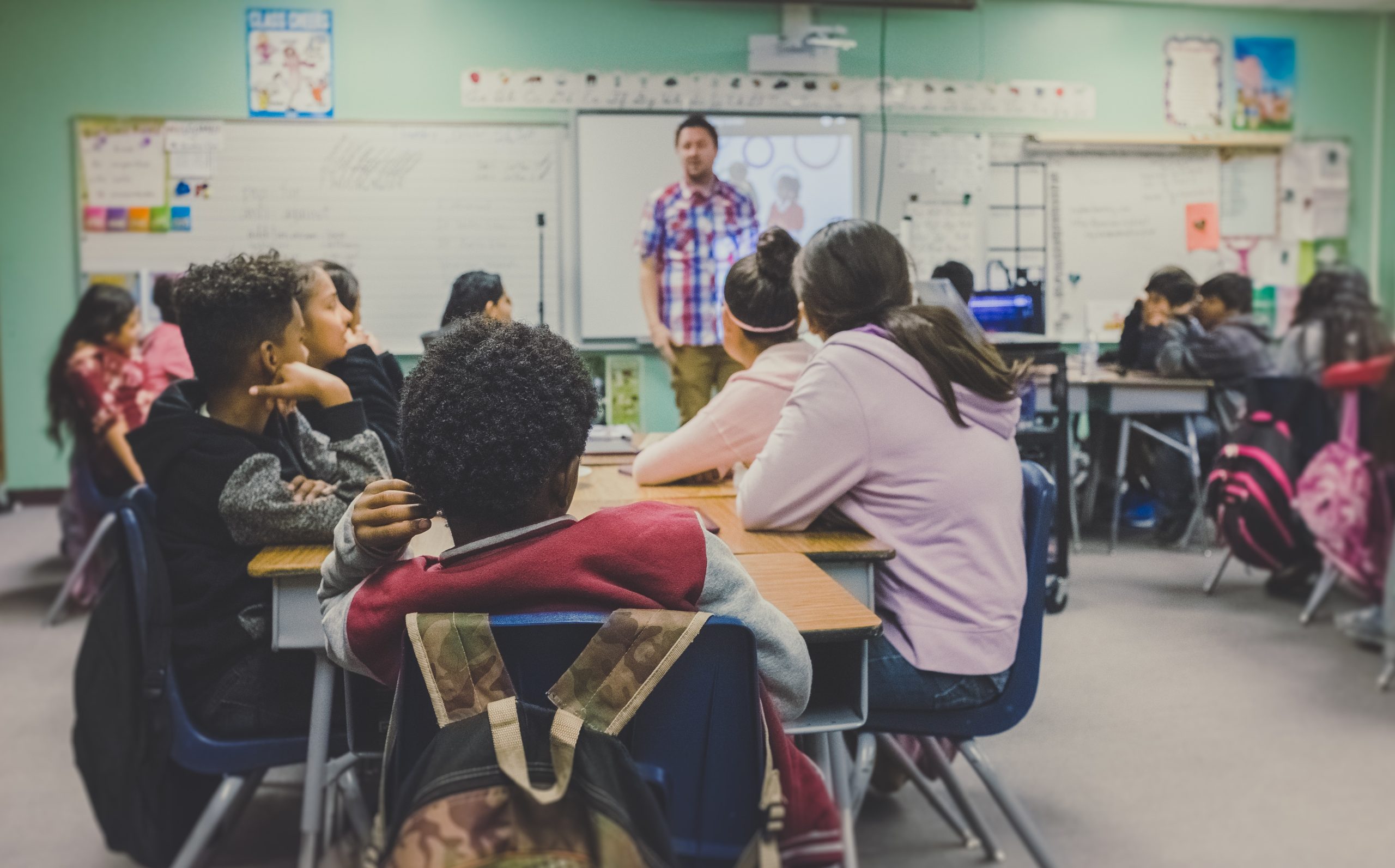
“Environmental Education …” from www.onepak.com
What if we lived in a world where every learner is an eco-conscious decision-maker, equipped with the understanding and passion to protect our planet? That’s the goal of environmental education, and achieving it starts with the right tools and resources. As we embark on this journey together, let’s explore the most effective ways to inspire and educate the next generation of environmental stewards.
Key Takeaways
Environmental education is essential for fostering eco-conscious learners and future stewards of our planet.
Digital platforms, project kits, and simulation software are among the top tools for engaging students in environmental learning.
Integrating environmental education into existing curriculums aligns learning with global sustainability goals.
Hands-on, project-based learning resources are key to active engagement and practical understanding of environmental issues.
Measuring the impact of these educational tools is crucial for continuous improvement and effectiveness.
Unearth the Potential of Environmental Education
Environmental education isn’t just about reading facts from a textbook; it’s about creating a deep, personal connection with the environment around us. It’s about understanding the intricate balance of ecosystems and the impact of our actions on the planet. Most importantly, it’s about empowering young minds to think critically and act responsibly.
Defining Environmental Education
At its core, environmental education is the process of recognizing value, clarifying concepts, and developing the skills and attitudes necessary to understand and appreciate the interrelationship between humans, their culture, and their biophysical surroundings. It also entails practice in decision-making and self-formulation of a code of behavior about issues concerning environmental quality.
Why Environmental Education Matters
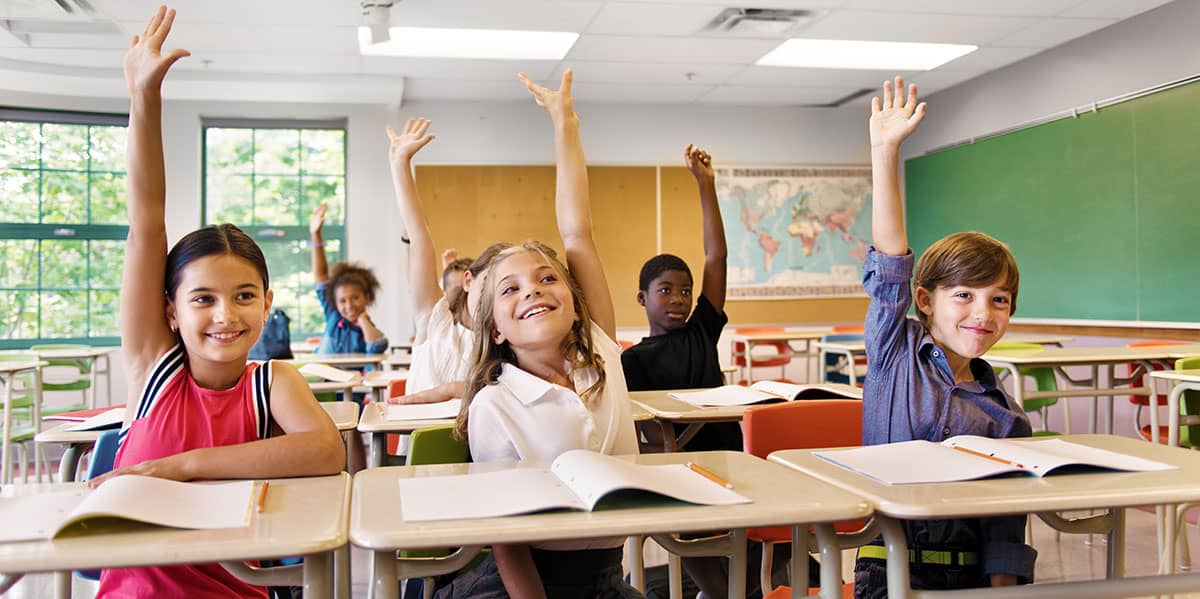
“Positive Classroom Learning Environment” from blog.schoolspecialty.com
Environmental education matters because it builds knowledge, skills, and attitudes necessary for people to understand and address environmental issues. It fosters a generation that can create sustainable solutions for the challenges we face. It is crucial for the health of our planet that we invest in educating our youth about the environment.
The Toolbox for Green Learning
So, how do we go about equipping our young learners with the knowledge and skills they need to be environmental champions? The answer lies in a diverse toolbox of educational resources designed to engage, inspire, and educate.
Interactive Digital Platforms
In today’s digital age, interactive platforms are a powerful way to bring environmental education to life. These platforms can take students on virtual field trips, allow them to conduct experiments in a digital laboratory, and engage them with gamified learning experiences that make complex concepts more accessible. For those interested in protecting pollinators with education resources, digital tools offer innovative ways to learn and participate in conservation efforts.
Online simulations of ecological systems
Interactive games that teach resource management
Virtual reality experiences of diverse ecosystems
For example, platforms like iNaturalist encourage students to become citizen scientists by documenting local biodiversity, fostering a sense of connection and responsibility towards their immediate environment.
Hands-On Project Kits
“National Environmental Education Week …” from tryengineering.org
Hands-on learning is an effective way to cement environmental concepts. Project kits that allow students to grow their own plants, test water quality, or even set up a mini renewable energy system can be invaluable. They offer experiential learning opportunities that books or lectures alone cannot provide.
Such kits often come with step-by-step instructions and all the necessary materials, making it easy for educators to integrate them into their lessons:
Seed planting kits to learn about plant life cycles and the importance of vegetation
Water testing kits to explore local water health and learn about aquatic ecosystems
Solar panel kits to understand renewable energy sources and their role in combating climate change
By getting their hands dirty, students not only learn about environmental science but also develop a personal connection to the earth and a sense of stewardship.
Environmental Simulation Software
Simulation software can transport students into different scenarios where they can see the outcomes of their decisions in real-time. For instance, a simulation program that models the effects of pollution on a lake ecosystem can help students understand the consequences of industrial activities and the importance of conservation efforts.

“Environmental Manager: What Is It? and …” from www.ziprecruiter.com
These types of resources allow learners to experiment with environmental management strategies in a risk-free setting, helping them to grasp complex concepts such as:
The balance of natural resource use and conservation
The impact of human activities on climate change
The interconnectedness of ecosystems and the importance of biodiversity
By experimenting with different variables and seeing the potential long-term effects, students learn the importance of sustainability and environmental planning.
These tools and resources are just the beginning. They are the seeds we plant in the fertile minds of our learners, growing into the knowledge and values that will shape their decisions for years to come. As we continue to explore the best environmental education resources, remember that each tool has the potential to turn a curious student into a passionate environmental advocate.
Measuring Learning Outcomes
How do we know if these tools are making a difference? Measuring learning outcomes is essential to ensure that environmental education resources are not only engaging but also effective. To assess the impact, educators can use a variety of methods, such as pre-and post-lesson surveys, quizzes, and practical demonstrations of learned concepts. Observing changes in student behavior, like increased recycling or conservation efforts, also provides valuable feedback on the effectiveness of the resources. For a hands-on approach, resources like bee hotel educational tools can be particularly impactful in teaching about ecosystems and conservation.
Resource Spotlight: Top Picks for Effective Environmental Learning
With an abundance of resources available, selecting the most impactful ones can be daunting. Let’s narrow down the field to some top picks that have proven to engage learners and deepen their understanding of environmental issues.
Discover Nature Apps
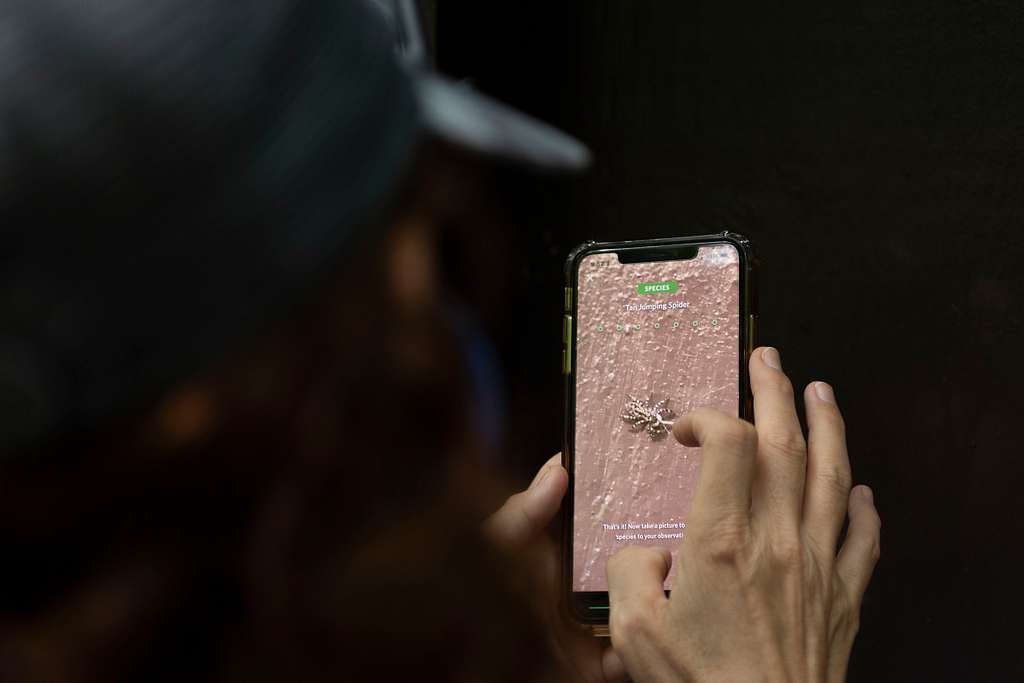
“identify backyard organisms! – PICRYL …” from picryl.com
Apps like ‘Seek’ by iNaturalist use the power of technology to turn a simple walk in the park into an interactive learning experience. By using the camera on their device, students can scan plants and animals they encounter and receive information on the species and its role in the ecosystem. This not only educates but also encourages outdoor exploration and a deeper appreciation for biodiversity.
Recycling and Composting Guides
Understanding the life cycle of products and the importance of responsible waste management is crucial for sustainability. Guides and tutorials on recycling and composting can be integrated into science and social studies curricula to provide practical knowledge. For example, the ‘Recycle City’ challenge by the EPA offers an interactive way to learn about waste management and its impact on a community’s health and environment. Additionally, exploring resources such as bee conservation materials can enrich students’ understanding of environmental science.
Energy Conservation Simulations
Simulations like ‘Energy City’ allow students to manage the energy needs of a virtual city and see the effects of their choices on the environment and economy. This kind of resource helps to illustrate the complexities of energy conservation and the importance of transitioning to renewable energy sources.
Virtual labs for experimenting with energy efficiency
Interactive calculators to measure carbon footprints
Online games that simulate the effects of energy choices on climate change
Such tools bring abstract concepts to life, making the invisible impacts of energy use visible and tangible for learners.
Wildlife Identification Tools
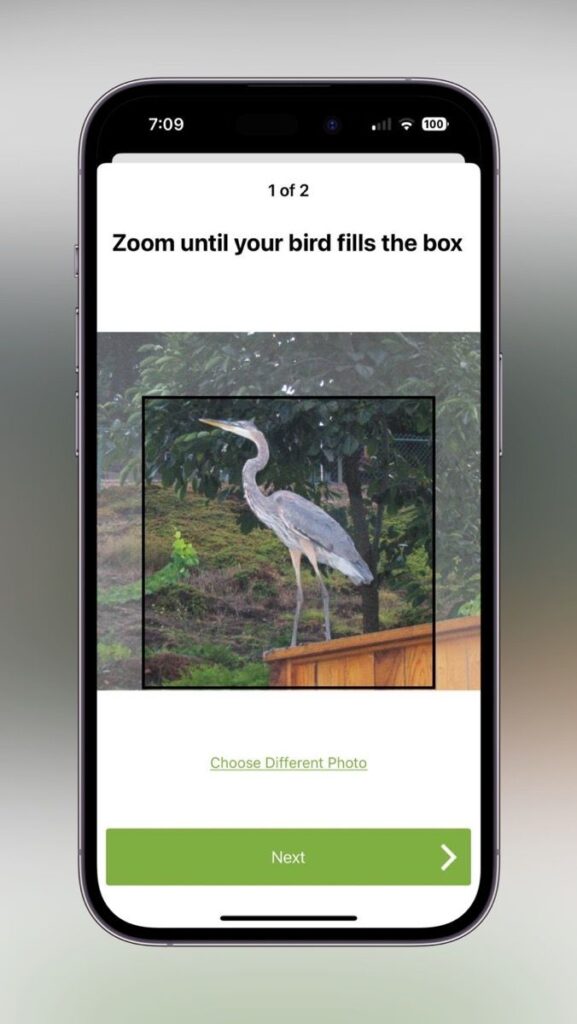
Tools like ‘Merlin Bird ID’ by the Cornell Lab of Ornithology empower students to identify birds and their calls. This not only sparks interest in ornithology but also encourages students to think about habitat conservation and the role of birds in ecosystem health.
Sustainable Living Educational Games
Games like ‘My Garbology’ teach students about the waste we generate and how we can make more sustainable choices. By gamifying the learning process, students can engage with serious topics like waste reduction in a fun and memorable way.
Active Engagement: Project-Based Learning Resources
Project-based learning is one of the most effective ways to engage students with environmental education. By working on real-world projects, students apply their knowledge in a practical setting, which enhances learning and retention.
Community Garden Implementation Plans
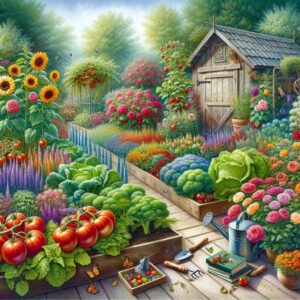
Implementing a community garden at school not only beautifies the space but also serves as a living classroom. Students learn about plant biology, the importance of local food systems, and the basics of sustainable agriculture. A step-by-step plan can guide educators through the process, from soil preparation to harvest, integrating subjects like math, science, and social studies.
Water Quality Testing Protocols
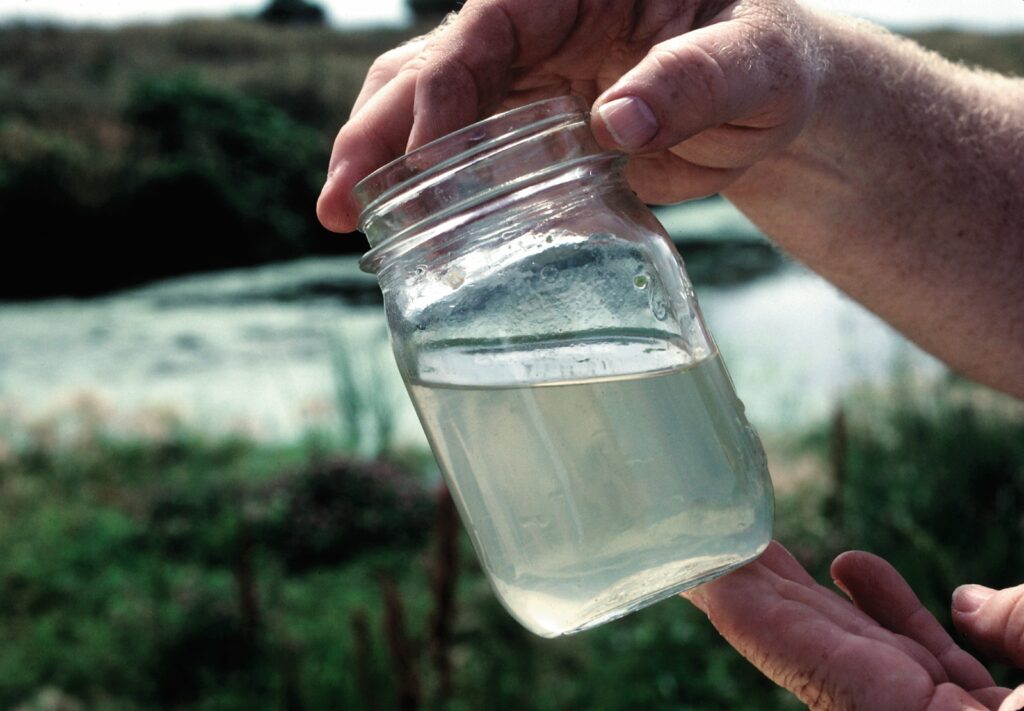
“Testing water quality: When labs don’t …” from nl4worldbank.org
Water quality testing is a hands-on science project that can have real-world impact. Students can collect samples from local water bodies, test for pollutants, and analyze the data to understand the health of their environment. This project can also connect students with local water conservation efforts and inspire them to become involved in community initiatives.
These resources represent a small fraction of the tools available to educators, but they are among the most dynamic and impactful. Incorporating them into learning experiences not only educates but also instills a lifelong commitment to environmental stewardship in students.
Lessons from the Field: Successful Case Examples
Seeing these tools in action can be inspiring. Let’s look at some success stories from schools and programs that have effectively integrated environmental education into their curriculum.
Schools That Lead in Green Initiatives
There are schools around the world that are pioneering green initiatives and setting examples for others to follow. From solar panel installations to zero-waste programs, these schools are not just teaching about the environment; they are living it. Their stories can serve as a blueprint for other educational institutions looking to make a difference. For instance, incorporating education resources on native bee conservation can be a significant step towards environmental stewardship.
By learning from these examples, educators can see the tangible benefits of environmental education and be inspired to create similar programs in their own schools.
As we continue to explore the vast array of environmental education resources, it’s clear that the key to inspiring eco-conscious learners lies in providing diverse, engaging, and practical tools. These resources not only educate but also empower students to take action for a sustainable future. By harnessing the power of these tools, educators can cultivate a generation of informed and motivated environmental stewards.
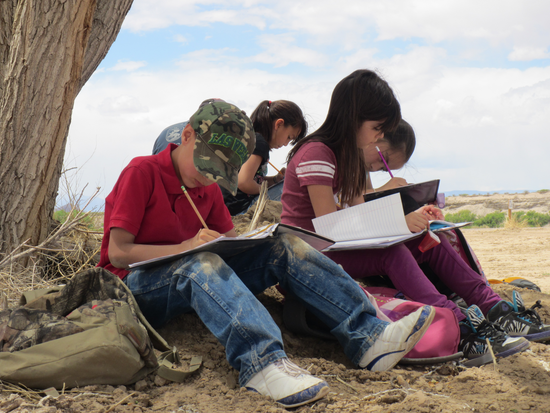
“Environmental Education …” from eenm.org
Charting a course for the effective implementation of environmental education tools is akin to navigating a ship towards a brighter, greener future. The compass? A strategic approach that ensures every learner has access to these resources and the opportunity to grow into an informed, environmentally responsible individual. To further this mission, exploring native bee conservation guides can provide valuable insights into protecting pollinators through education.
Strategizing for Inclusivity in Environmental Education
Inclusivity in environmental education means ensuring that every student, regardless of background or learning style, has the opportunity to engage with and benefit from these resources. It’s about adapting tools to meet diverse needs and creating an environment where all voices are heard and valued in the conversation about environmental stewardship.
Partnerships and Community Involvement Techniques
Building partnerships with local environmental organizations, government agencies, and businesses can greatly enhance the resources available to educators and students. Community involvement brings real-world context to learning and provides students with role models and mentors who are actively engaged in environmental conservation.
Invite local environmentalists to speak in the classroom
Collaborate with community gardens to offer hands-on learning experiences
Partner with businesses to provide resources for sustainability projects
Such collaborations not only enrich the educational experience but also help to embed a sense of community and shared responsibility for the environment.
Frequently Asked Questions (FAQ)
How Can I Integrate These Resources into an Existing Curriculum?
Integrating environmental education resources into an existing curriculum can be seamless when aligned with learning objectives. Start by identifying areas within the current curriculum where environmental topics naturally fit, such as science units on ecosystems or social studies discussions on community. Then, weave in the tools and resources that enhance those lessons and bring the topics to life.
What Are Some Cost-Effective Environmental Education Resources?
Cost-effective resources are plentiful and can range from free online materials to affordable project kits. Many governmental and non-profit organizations offer free downloadable lesson plans, activities, and guides. Additionally, leveraging local resources such as parks for field trips or community experts for guest lectures can be a budget-friendly way to enhance environmental education.
How to Measure the Impact of Environmental Education Tools?
Measuring the impact of environmental education tools can be done through various forms of assessment, such as quizzes, project presentations, or reflective journals. Additionally, observing changes in student behavior, such as increased recycling or participation in environmental initiatives, can be indicative of the tools’ effectiveness. For practical application, schools can incorporate resources like bee hotel educational tools to help students learn about pollinators and ecosystem support.
Are There Environmental Education Resources for Non-Traditional Settings?
Absolutely. Environmental education is not confined to the classroom. There are resources designed for homeschool settings, after-school programs, and community workshops. These include outdoor activity guides, online courses, and interactive apps that can be used in various settings to teach environmental concepts.
What Support Is Available for Educators New to Environmental Education?
Educators new to environmental education can find support through professional development workshops, online forums, and educator networks dedicated to sustainability. Many organizations offer training and resources to help teachers integrate environmental education into their practice effectively.
By harnessing the collective power of these tools and resources, educators can cultivate a generation of informed and motivated environmental stewards. As we equip our learners with the knowledge and skills necessary for environmental responsibility, we take steps toward a more sustainable and conscious future. The journey of a thousand miles begins with a single step, and with these environmental education resources, we are paving the way for our children to make a world of difference.

Leave a Reply