
Key Takeaways
Understanding the importance of a bee house with a viewing window for conservation and education.
Materials and design features to look for when choosing a bee house.
Step-by-step guidance on how to install a bee house to ensure safety and effectiveness.
Tips for creating a bee-friendly environment to encourage bee visitation and habitation.
Best practices for maintaining and caring for your bee house throughout the seasons.
Welcome to the World of Bee Conservation
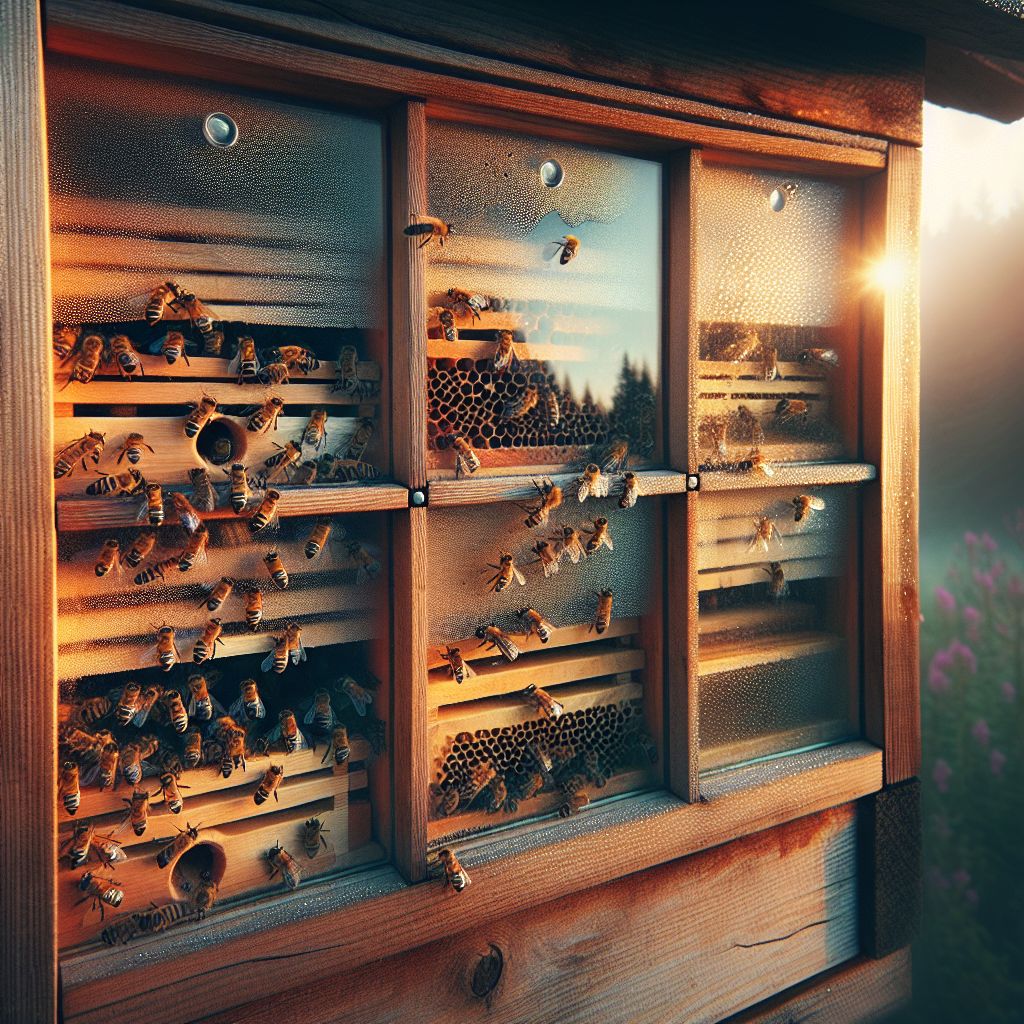
Bees are the unsung heroes of our ecosystems, playing a critical role in pollinating the plants that provide us with fruits, vegetables, and flowers. Yet, their populations are declining at an alarming rate. By setting up a bee house with a viewing window in our gardens, we not only contribute to the conservation of these essential creatures but also get a fascinating peek into their world.
Why a Viewing Window?
Most importantly, a viewing window in a bee house is more than just an educational tool; it’s a window into the health and activity of the bee colony. It allows us to observe bees without disturbing them, understand their behaviors, and recognize when the bee house needs maintenance.
A Glance into the Busy Lives of Bees
With a bee house viewing window, you can watch as bees diligently work to build their nests and care for their young. It’s an engaging way to connect with nature and inspire a passion for bee conservation in both young and old.
Choosing the Right Bee House Viewing Window
When selecting a bee house, it’s crucial to consider the design and materials. The house should mimic bees’ natural nesting conditions to make it as inviting as possible for these pollinators.
Materials That Make A Difference

For the construction of the bee house, aim for natural, untreated wood, like cedar or pine. Avoid treated woods or plastics that can off-gas chemicals harmful to bees. The viewing window should be made from a transparent, durable material such as acrylic or tempered glass that can withstand the elements while providing a clear view.
Size and Placement for Optimum Bee Activity
The size of the bee house and its compartments should be appropriate for the species you aim to attract. Generally, tubes or holes ranging from 1/8 inch to 3/8 inch in diameter are suitable for various native bees. The house should be placed at a height of 3 to 6 feet above the ground and in a location that receives morning sunlight to encourage bees to become active early in the day.
Let’s dive into the details of installing your bee house to ensure it’s a buzzing success.
Step-By-Step Installation Guide
Installing a bee house with a viewing window is a simple process that can be a fun weekend project. Here’s how to do it: For detailed instructions, check out this easy DIY beehouse guide & tips.
Tools You’ll Need
Drill with appropriate bits
Screws or mounting hardware
Level
Measuring tape
Securing Your Bee House

Choose a spot that’s sheltered from strong winds and rain. Mount the bee house onto a stable post or wall using screws, ensuring that it’s secure and won’t sway. This stability is crucial for the bees’ ability to accurately locate and return to their nesting sites.
Positioning for Bee Traffic and Safety
Face the bee house towards the east or southeast to catch the morning sun, and tilt it slightly forward to prevent water from pooling in the nesting tubes. Ensure there’s a clear flight path for bees to enter and exit the house without obstruction.
Stay tuned for the next section where we’ll explore how to create a bee-friendly environment and maintain your bee house for the wellbeing of your buzzing guests.
Creating a Bee-Friendly Environment
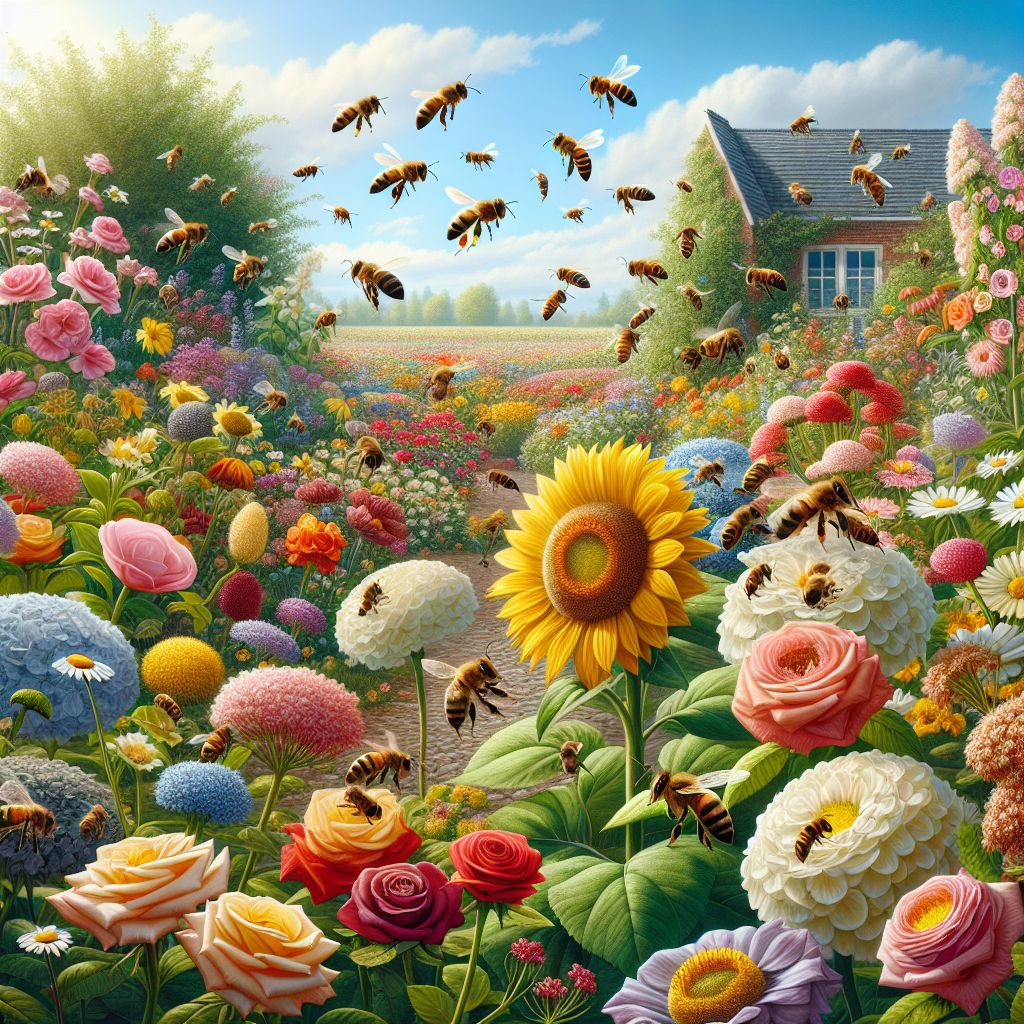
To ensure your bee house is more than just a decorative feature, you need to create an environment that bees can’t resist. This means planting a variety of flowers and providing the resources bees need to thrive. A bee-friendly garden not only supports the health of local bee populations but also enhances the beauty and productivity of your space.
Selecting Plants That Attract Bees
When choosing plants for your garden, focus on those that produce nectar and pollen, which are essential food sources for bees. Opt for a mix of native wildflowers, herbs, and shrubs that bloom at different times of the year to provide a continuous food supply. Here are some bee favorites:
Lavender
Sunflowers
Coneflowers (Echinacea)
Borage
Rosemary
Bee balm (Monarda)

Water Sources and Shelter
Besides that, bees need water for hydration and to regulate the temperature of their hives. A shallow water source with landing spots, like a birdbath with stones or floating wood, allows bees to drink without drowning. Also, provide shelter from extreme weather by allowing areas of your garden to grow a little wild, with piles of twigs or undisturbed ground for ground-nesting bees.
Remember, the use of pesticides can be harmful to bees. If you must use them, choose bee-friendly options and apply them in the evening when bees are less active.
Maintenance and Care for Your Bee House
Like any other part of your garden, bee houses require regular maintenance to keep them safe and attractive to bees. Let’s break down what you need to do to keep your bee house buzzing with activity.
Cleaning and Upkeep Best Practices
At the end of the bee season, usually in late autumn, it’s time to clean out your bee house. Carefully open the viewing window and remove any empty or damaged nesting materials. Replace them with fresh tubes or blocks as needed. This helps prevent the spread of parasites and diseases that can harm bee populations.
Always wear gloves when handling the nesting materials, and avoid using harsh chemicals that could leave harmful residues.
Seasonal Adjustments for Your Bee House
As the seasons change, so do the needs of your bee house. In winter, ensure that the house is shielded from harsh weather. In spring, clean the viewing window for a clear view and check that the house is secure after winter storms. Throughout the summer, keep an eye on the bee activity and make sure the water sources are replenished regularly.
With these simple steps, you can make a significant difference in supporting our vital bee populations. Not only will you gain a deeper appreciation for these incredible pollinators, but you’ll also enjoy the blooms and bounty they help provide in your garden.
FAQs
How often should I clean the viewing window and bee house?
For the health of your resident bees and to maintain a clear view into their world, it’s recommended to clean the viewing window at least once a year, typically in late autumn or early winter when the bees are less active. As for the bee house itself, a yearly check-up to clear out old nesting materials and debris is crucial to prevent diseases and parasites.
Remember, while cleaning, be gentle and respectful of any bees that might still be present. It’s best to do this during a time when bees are dormant to minimize disturbance to their habitat.
What materials are safe and non-toxic for bees?
Untreated wood (such as pine or cedar)
Bamboo
Paper straws or cardboard tubes
Natural reeds
When constructing or purchasing a bee house, it’s vital to choose materials that won’t harm the bees. Steer clear of treated woods, lead-based paints, or varnishes. Instead, opt for natural and untreated materials that provide a safe environment for the bees to nest.
Also, the adhesives used in the construction of the bee house should be non-toxic and weather-resistant to ensure the structure’s durability without posing a risk to the bees.
Can I use a bee house with a viewing window if I have pets or children?
Absolutely! A bee house with a viewing window can be a fantastic educational tool for children and a source of interest for pets. Just ensure that it’s installed securely out of reach to prevent any curious paws or hands from disturbing the bees. It’s also an excellent opportunity to teach children about the importance of bees and how to respect wildlife.
Keep in mind that while most solitary bees are non-aggressive, it’s always best to supervise interactions between children, pets, and the bee house to ensure everyone’s safety.
Which direction should the bee house face?
The ideal direction for a bee house is facing east or southeast. This orientation takes advantage of the morning sun to warm the bees and encourage early activity. Additionally, ensure that the bee house is not in the path of strong winds, which can deter bees from using the house.
Also, consider the angle of the bee house. A slight forward tilt can help prevent rainwater from entering the nesting tubes, keeping the interior dry and cozy for the bees. For more details on construction and design, see our customizable modular hive designs.
How can I tell if my bee house is being used?
There are a few telltale signs that your bee house is a hit with the local bee population:
Observing bees entering and exiting the tubes
Seeing mud or plant material sealing the ends of the tubes, indicating that bees have laid eggs inside
Noticing increased activity around flowering plants in your garden
With a viewing window, you’ll have the added benefit of being able to see the bees at work without opening the bee house and potentially disturbing them.


Leave a Reply