
Key Takeaways
-
Solar bee waterers provide a sustainable way to offer water to bees while conserving energy.
-
Choosing a sunny location is crucial for the efficiency of solar-powered devices.
-
Assembling a solar bee waterer is straightforward with the right tools and materials.
-
Creating a bee-friendly garden enhances the effectiveness of solar bee waterers.
-
Maintenance is simple but essential to keep the solar bee waterer functioning optimally.

Why Solar Bee Waterers Are Buzzing With Potential
Bees play a vital role in our ecosystem, pollinating plants that give us food, flowers, and even the coffee we enjoy every morning. But bees need our help. With their populations declining, it’s more important than ever to provide them with a safe environment and the resources they need to thrive. That’s where solar bee waterers come in—these innovative devices harness the power of the sun to give bees the water they need without wasting electricity.
Conserving Water and Protecting Pollinators
Water conservation is a hot topic, and for good reason. Our planet’s resources are precious, and we all need to do our part to use them wisely. By using a solar bee waterer, you’re not only providing bees with a vital resource but also doing it in a way that conserves water and energy. It’s a win-win for you and the environment.
Steps to a Successful Solar Bee Waterer Setup
Setting up a solar bee waterer is not just about slapping a few panels together and calling it a day. It’s about understanding the needs of the bees and the environment. To make sure your waterer is a beacon of sustainability, follow these steps:
Choosing the Perfect Spot for Your Solar Bee Waterer

Understanding Sunlight Exposure
First things first, you need to pick a spot that gets plenty of sunlight. Solar devices need sun to work, so find a place that’s sunny most of the day. This will ensure that your solar panels can collect enough energy to power the waterer, and that the bees can find it easily during their busiest foraging times.
Accessibility for Bees and Maintenance
Accessibility is key. Make sure the waterer is within easy flying distance of where the bees are active, but also somewhere that’s convenient for you to check on and maintain. Keep in mind that you’ll need to refill the water and clean the waterer regularly to keep it inviting for the bees and in good working order.
Now, let’s roll up our sleeves and get to the assembly part. This is where the magic happens, and you’ll see your solar bee waterer come to life. Ready? Let’s dive in.
Assembling your solar bee waterer might seem like a complex task, but with a little guidance, it’s something you can do with ease. The goal here is to create a water source that is both bee-friendly and eco-friendly, harnessing solar power to keep the water moving and fresh. This prevents stagnation and discourages mosquito breeding.
Assembling Your Solar Bee Waterer
Gathering the Necessary Tools and Materials
Before you begin, make sure you have all the necessary tools and materials. You’ll need a solar panel kit, a small water pump, a basin or shallow dish to hold water, pebbles or marbles (for bees to land on), and clean water. Also, ensure you have basic tools like a screwdriver, pliers, and perhaps a drill, depending on your setup.
Step-by-Step Assembly Instructions
Follow these simple steps to put your solar bee waterer together:
-
Attach the solar panel to a secure spot near the water basin. Make sure it faces the sun at its peak.
-
Connect the water pump to the solar panel using the cables provided. Waterproof the connections if they’re not already.
-
Place the pump in the basin and fill it with clean water.
-
Add pebbles or marbles to the basin to give bees a safe place to land and drink without drowning.
-
Test the setup by ensuring the solar panel is in full sunlight and watch the pump start to circulate the water.
With these steps, your solar bee waterer is ready to welcome its first visitors! It’s a simple yet effective way to provide a vital resource for bees while being mindful of our environmental footprint. For more insights on maintaining a healthy environment for your bees, check out our Beehive Maintenance Guide.
Making Your Garden a Haven for Bees

Now that your solar bee waterer is in place, let’s turn our attention to the rest of the garden. A few changes can make your outdoor space a paradise for pollinators:
-
Plant a variety of flowers that bloom at different times of the year to provide a constant food source.
-
Avoid using pesticides, which can be harmful to bees and other beneficial insects.
-
Leave some areas of your garden wild to offer shelter and nesting spots for bees.
These steps will not only help the bees but will also bring more life and color to your garden. It’s a beautiful symbiosis: a healthier, more vibrant garden supports a stronger, more resilient bee population.
Staying Energy Efficient with Solar Power
Using solar power for your bee waterer is a smart choice. It’s renewable, which means it’s available every day without depleting the planet’s resources. And because it’s clean energy, it reduces your carbon footprint, helping to combat climate change.
Additional Tips for a Bee-Friendly Environment
Besides the waterer, consider these extra tips to attract bees to your garden to make your garden even more welcoming:
-
Create a mud source for mason bees, who use it to build their nests.
-
Install bee hotels to offer solitary bees a place to lay their eggs.
-
Provide a diverse range of plants to support a variety of bee species.
Every small action you take can have a big impact on the health of your local bee population.
The Many Perks of Installing a Solar Bee Waterer
Environmental Benefits
By installing a solar bee waterer, you’re contributing to the well-being of the environment in several ways. You’re supporting biodiversity by providing bees with the resources they need to thrive. You’re also using renewable energy, which reduces reliance on fossil fuels and lowers greenhouse gas emissions.
Long-term Cost Savings
While there’s an upfront cost to purchasing and setting up a solar bee waterer, the long-term savings can be significant. Solar power is free once you’ve got the equipment, so you’ll save on electricity costs. Additionally, a healthy bee population ensures better pollination, which can lead to more abundant harvests if you’re growing fruits and vegetables.
Let’s talk about maintenance. Like any garden feature, a solar bee waterer requires some upkeep to stay in good working order. But don’t worry—it’s not a big time commitment, and the rewards are well worth the effort.
Maintaining Your Solar Bee Waterer for Peak Performance
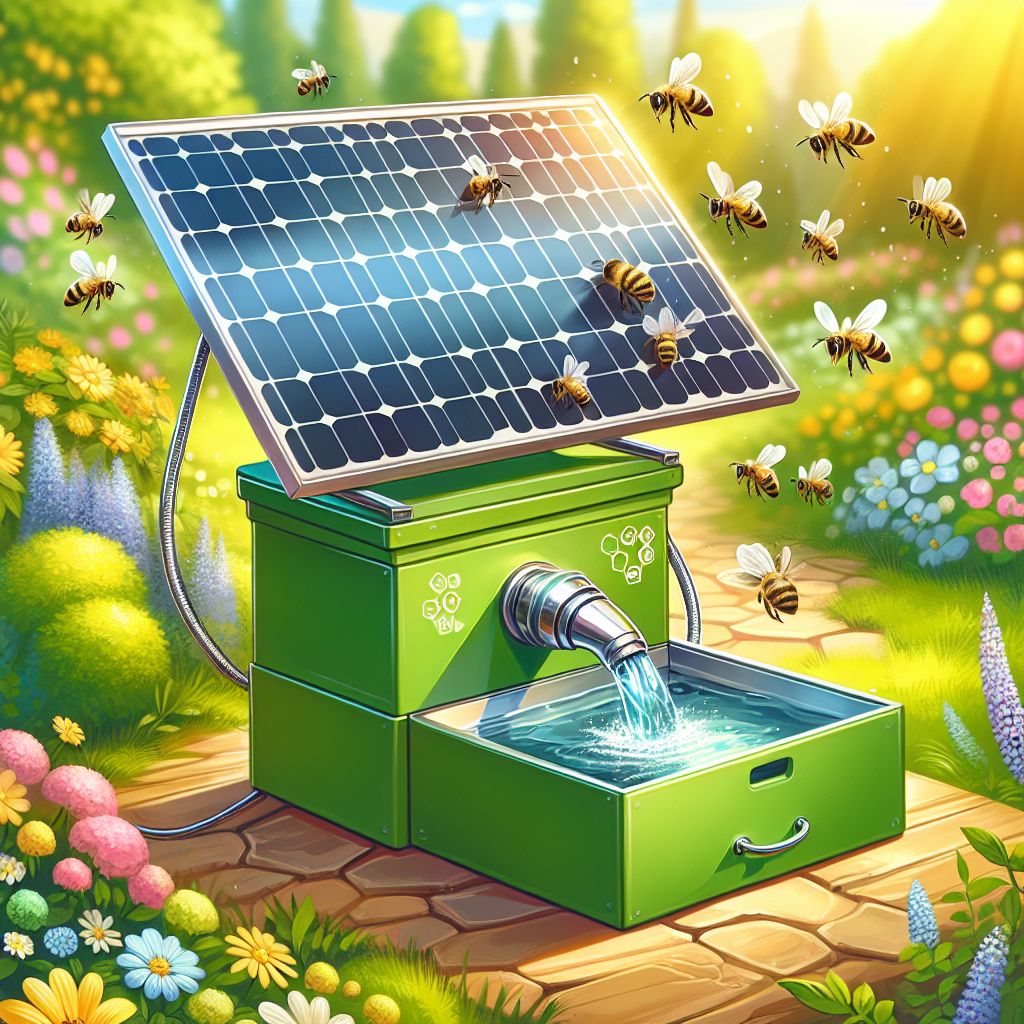
Maintenance is key to the longevity and effectiveness of your solar bee waterer. Here’s what you need to do:
-
Regularly check the water level and refill as necessary.
-
Clean the basin and pebbles to prevent algae growth and keep the water fresh.
-
Inspect the solar panel and pump for any damage or debris that could affect their performance.
A little bit of care goes a long way in ensuring that your solar bee waterer continues to serve your garden’s pollinators for years to come.
Regular Cleaning Schedule
Set a regular cleaning schedule for your waterer—once a week is usually sufficient. This will help prevent the spread of disease among bees and ensure the water is always fresh and appealing. Plus, it’s a great opportunity to observe the bees and other wildlife that your garden attracts.
In conclusion, solar bee waterers are an excellent addition to any eco-conscious garden. They’re not just good for the bees; they’re good for the planet and for us. By following this guide, you’ll not only create a thriving haven for bees but also take a meaningful step toward sustainable living. And that’s something to buzz about!
Monitoring and Troubleshooting
Even the best setups can encounter issues, but with a keen eye, you can spot and resolve them quickly. If the water isn’t flowing, check the solar panel’s connection to the pump and ensure it’s free of debris. If the water looks dirty, it’s time for a clean. Remember, a little troubleshooting can prevent bigger problems down the line.
Frequently Asked Questions (FAQ)
Got questions? You’re not alone. Here are some common queries gardeners have about solar bee waterers:
Understanding the ins and outs of solar bee waterers can help you get the most out of your device and ensure that it serves your garden’s ecosystem for years to come.
And remember, if you encounter a problem that you can’t solve, don’t hesitate to reach out to the manufacturer or a local expert for help.
-
What are the best practices for positioning my solar bee waterer?
-
Can I use tap water in my solar bee waterer?
-
How do I winterize my solar bee waterer?
What Makes Solar Bee Waterers Eco-Friendly?
Solar bee waterers are eco-friendly because they utilize renewable solar energy to operate, reducing reliance on non-renewable resources and minimizing your carbon footprint. They also help conserve water by recirculating it and providing a vital resource for pollinators, which are essential for a healthy ecosystem.
Moreover, by encouraging pollination in your garden, you’re contributing to the growth of plants that can absorb carbon dioxide, a key factor in combating climate change.
How Often Should I Clean My Solar Bee Waterer?
You should aim to clean your solar bee waterer at least once a week to ensure the water stays fresh and to prevent the growth of algae and bacteria. In warmer climates or during peak summer months, you might need to clean it more frequently due to faster evaporation and potential algae growth.
Can Solar Bee Waterers Withstand Extreme Weather?
Yes, most solar bee waterers are designed to withstand the elements, including extreme heat, cold, and rain. However, it’s essential to winterize your waterer by removing the pump and draining the water to prevent freezing and damage.
During severe weather conditions, it’s also a good idea to temporarily remove the solar panel to protect it from damage.
Always check the manufacturer’s guidelines for specific advice on protecting your model from extreme weather.
Is it Difficult to Install a Solar Bee Waterer?
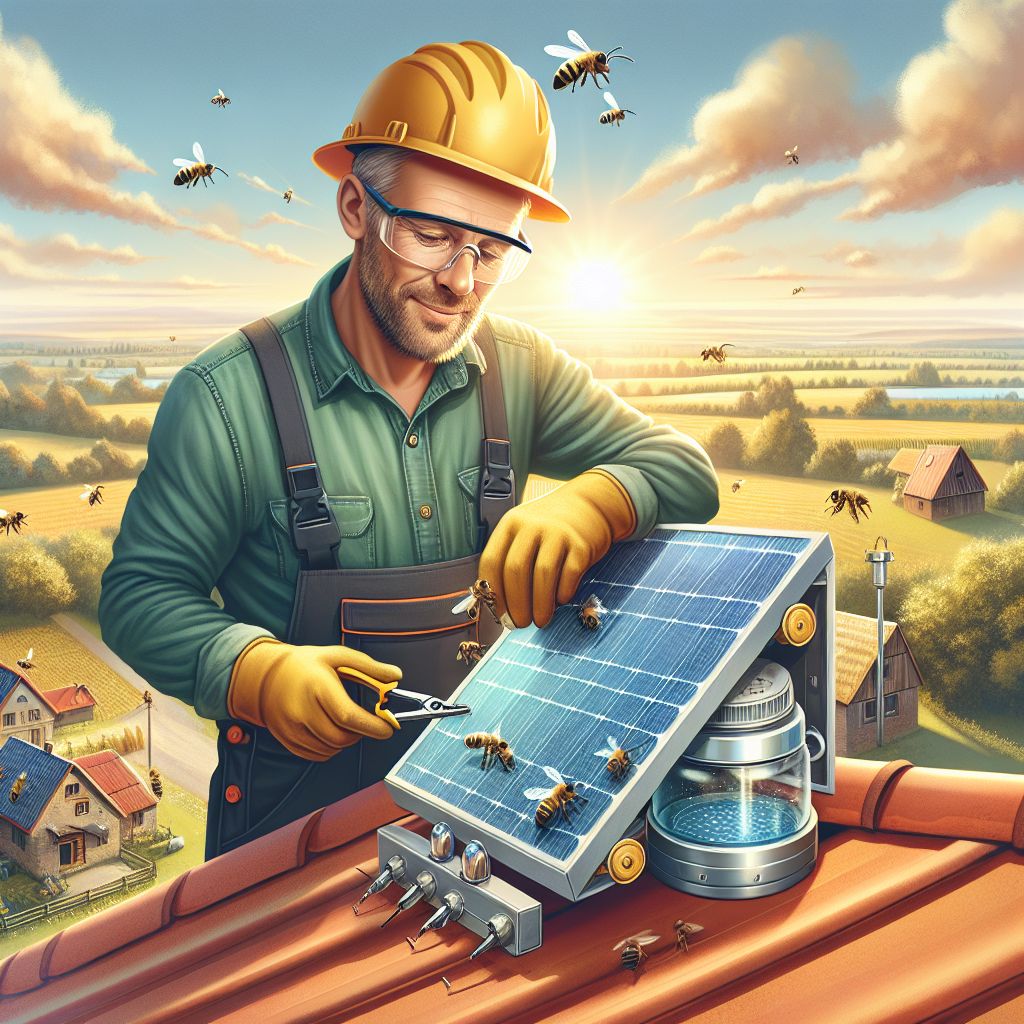
Not at all! Installation is usually a straightforward process. You’ll need to assemble a few components, like the solar panel, water basin, and pump. Most kits come with clear instructions, and you can also find helpful tutorials online. With some basic DIY skills, you’ll have your solar bee waterer up and running in no time.
Do Solar Bee Waterers Attract Other Wildlife?
While solar bee waterers are designed with bees in mind, they can indeed attract other wildlife. Birds, butterflies, and other beneficial insects might also visit your waterer for a drink. This isn’t a bad thing; it means your garden is becoming a hub of biodiversity!
However, if you’re concerned about attracting pests or predators, you can take measures such as placing the waterer closer to bee-friendly plants and away from areas where you’ve noticed unwanted animals.