
Key Takeaways
Bamboo is an eco-friendly material perfect for creating a safe haven for bees.
With basic tools like a hand saw and sandpaper, you can build a bee house.
Choose bamboo that’s dry, clean, and has an internal diameter of about 3/8 inch.
Ensure the bamboo tubes are smooth inside to prevent harm to the bees.
Position your bee house facing east to catch the morning sun and protect from the elements.
Welcome to Your DIY Bamboo Bee House Journey
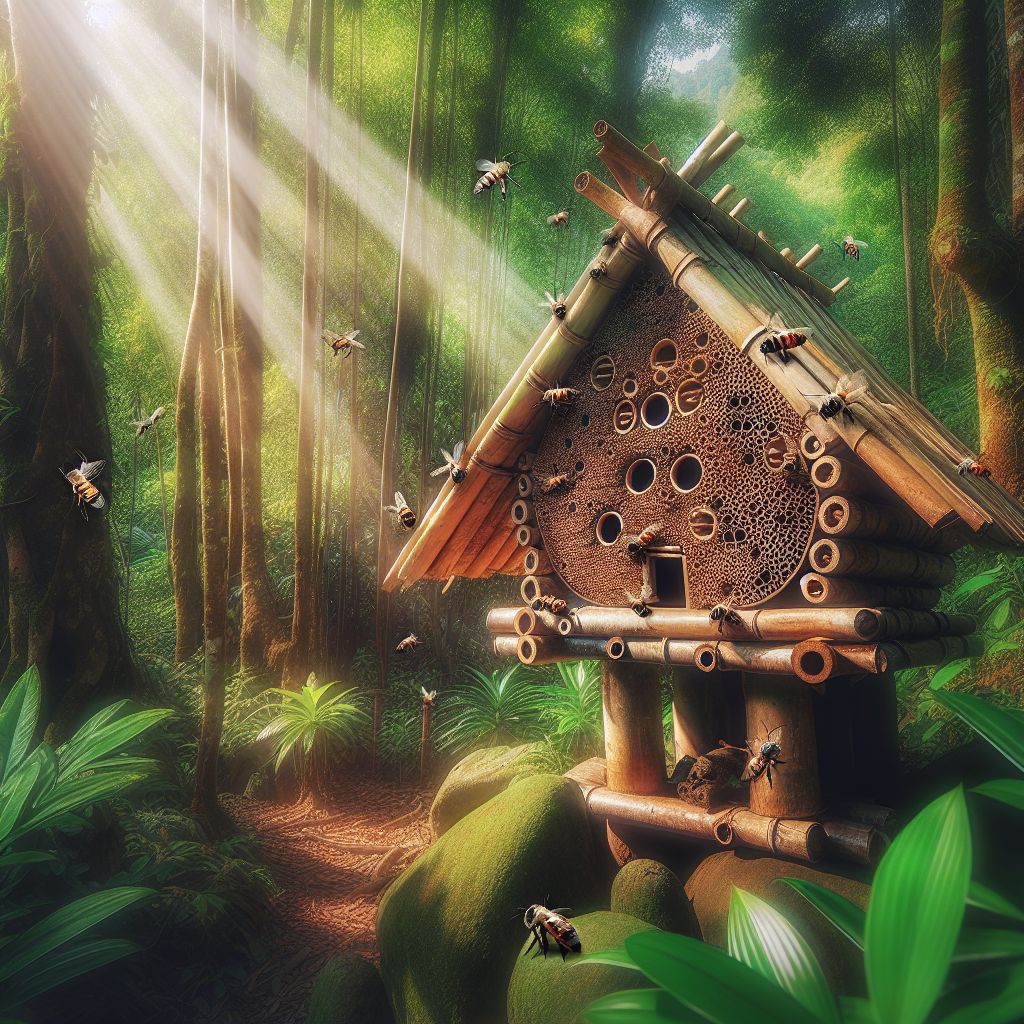
Creating a bamboo bee house is more than just a craft project; it’s a step towards fostering a sustainable environment right in your backyard. Bees are crucial pollinators, and by building them a home, you’re contributing to the health of your local ecosystem. So, let’s roll up our sleeves and dive into making a sanctuary for our buzzing friends.
Why Bamboo for Bee Houses?
Bamboo is a sustainable, sturdy, and natural material that’s ideal for constructing bee houses. It mimics the hollow reeds and wood tunnels bees use in nature. Most importantly, it’s important to ensure that the bamboo is free from pesticides and other chemicals that could harm the bees.
Tools You’ll Need to Start
Before we begin, let’s talk about the tools you’ll need. They’re pretty basic, so don’t worry if you’re not a seasoned carpenter. Here’s what to gather:
A hand saw for cutting the bamboo
Measuring tape to size the tubes
Utility knife for precise cuts
Fine-grit sandpaper to smooth the bamboo edges
3/8-inch dowel or a similar object to help clean out the bamboo tubes
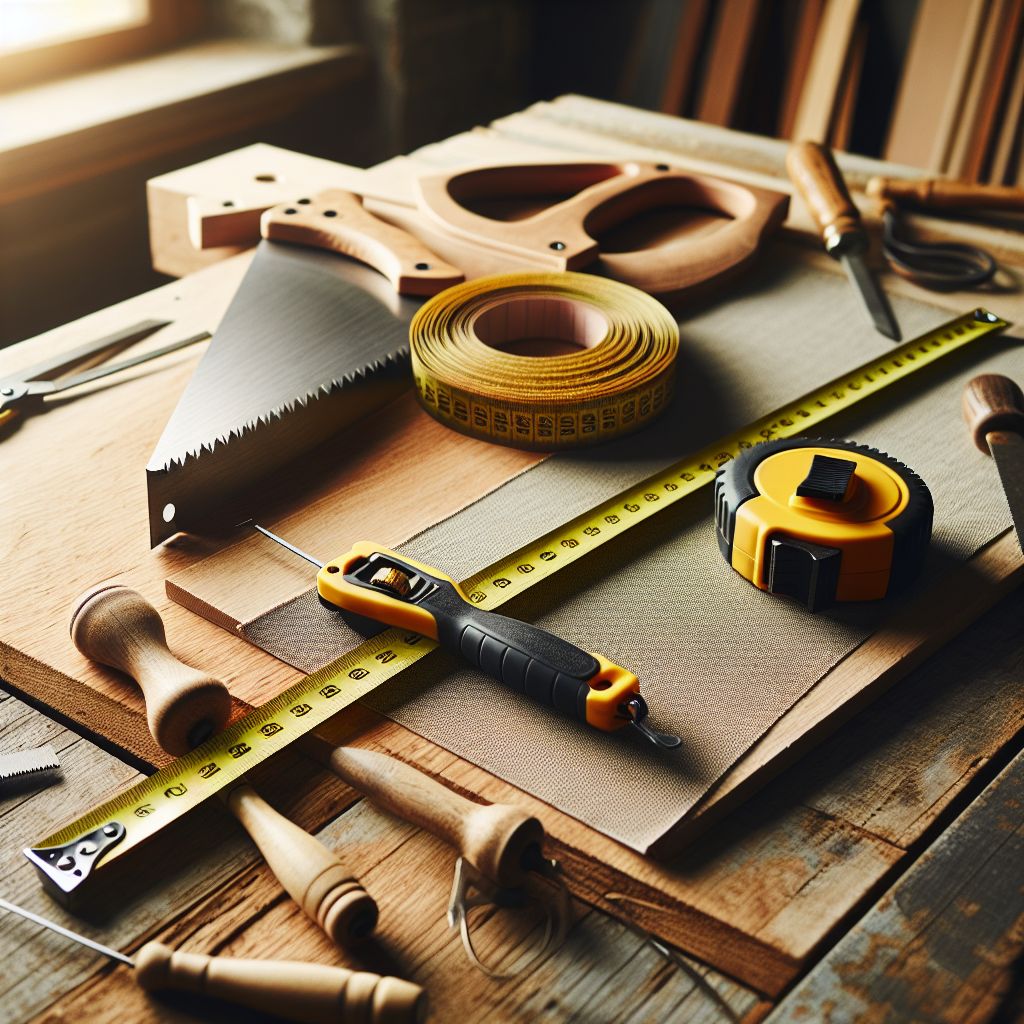
Gather Your Materials: The Bamboo Bee House Kit
Now, let’s talk materials. You’ll want to find bamboo that’s dry and has an internal diameter of about 3/8 inch, which is the ideal size for solitary bees. Avoid bamboo with a very thick wall, as this can reduce the size of the tube too much.
Choosing the Right Bamboo
Look for bamboo that’s dry and clean with no signs of mold or pests.
The bamboo should have an internal diameter of about 3/8 inch.
Choose lengths that allow for at least 6 inches of depth for the bee tubes.
After you’ve found the right bamboo, you’ll also need some other supplies to hold your bee house together and protect it from the weather.
Additional Supplies for Construction
Besides the bamboo, you’ll need a few other items:
Modeling clay or natural putty to seal one end of the bamboo tubes
A 2-liter soda bottle or a wooden box as the outer shell of the bee house
Wire or twine for hanging, if you’re not mounting it to a post or wall
Outdoor-friendly, non-toxic paint or varnish, if you wish to decorate your bee house
With these materials and tools at the ready, you’re all set to start building a cozy home for your local bees.
Prepping Your Bamboo: Safe and Bee-Friendly Practices
First things first, we need to prep the bamboo. This step is crucial because rough edges can harm the delicate wings of bees. So, let’s make sure we do it right.
Cutting Bamboo to Size

Measure and mark your bamboo to the desired length. Six to eight inches is a good depth for the tubes. Then, using your hand saw, cut the bamboo just beyond a node. The node will act as a natural back wall for each tube. Remember to wear safety gloves to protect your hands while cutting.
After cutting, use the dowel to gently clean out any debris inside the bamboo. This helps ensure nothing will obstruct the bees from using the tubes.
Sanding for Smooth Entrances
Next, take your fine-grit sandpaper and smooth the edges of the cut bamboo. This step is essential because bees have delicate bodies, and we want to prevent any scratches or damage as they come and go.
And there you have it, your bamboo is now prepped and ready to be transformed into a bee house. In the next section, we’ll assemble the structure and get it ready for its new residents. Stay tuned for more tips on how to build a sturdy and attractive bee house that will last for seasons to come.
Laying the Foundation
Before we assemble the bee house, we need a solid foundation. If you’re using a 2-liter soda bottle as the outer shell, cut the bottom off to create a cylinder. This will house the bamboo tubes and protect them from rain. If you’re going with a wooden box, ensure there are drainage holes at the bottom to prevent water accumulation.
Building the Bee House Structure
Now, let’s build the structure. Place the soda bottle or box horizontally and start arranging your prepped bamboo tubes inside. The goal is to pack them tightly enough so they don’t shift but not so tight that you risk cracking the bamboo. If you’re using a bottle, the neck can be left open or sealed off, depending on your design preference.
For a wooden box, you may want to create a back wall with a piece of wood or thick cardboard to keep the tubes in place. This also prevents predators and parasites from entering from behind.
Securing Bamboo Tubes in Place
Once all the bamboo tubes are in place, if there are any small gaps, you can use modeling clay or natural putty to secure them. This also helps insulate the bee house and provides a snug fit for the bamboo. Be careful not to block the openings of the tubes as you do this.
Example: For a bee house with a bit of artistic flair, consider using non-toxic paint or varnish to decorate the exterior. Just make sure to keep the inside of the tubes and their entrances free from paint to ensure the safety of the bees.
Mounting and Placement Tips
Now that your bee house is assembled, it’s time to think about where to place it. The location can significantly impact the health and safety of the bees.
Choosing the Perfect Location
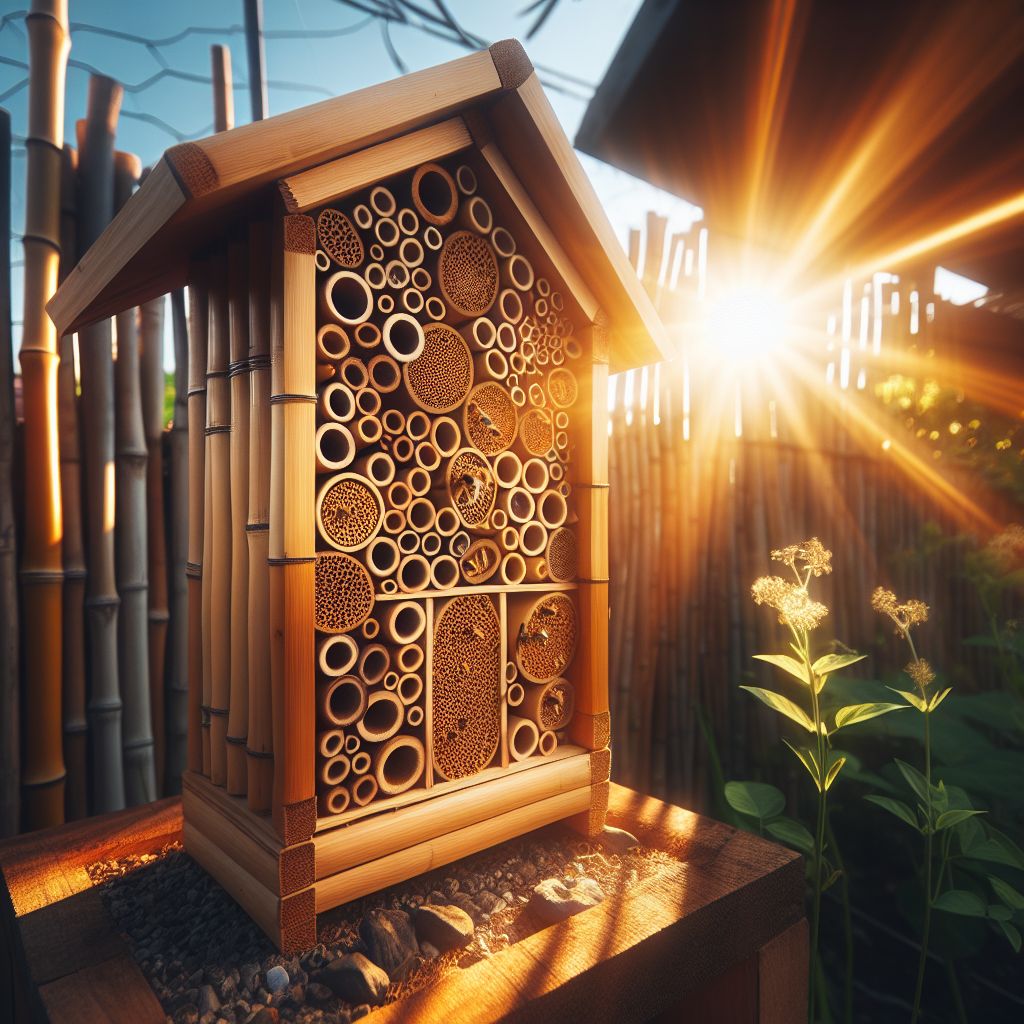
Bees need warmth and protection from the elements. Therefore, the best spot for your bee house is facing east to catch the morning sun. It should be mounted at least 3 to 6 feet off the ground to keep it out of reach of predators and to prevent moisture from seeping in.
Best Practices for Mounting Your Bee House
When mounting your bee house, stability is key. Choose a spot that’s shielded from strong winds. You can attach the house to a post, fence, or wall using brackets or sturdy wire. Make sure it’s secure so it doesn’t sway, which could deter bees from nesting.
Tip: If you’re placing the bee house in a garden, ensure it’s not too close to footpaths. Bees deserve a peaceful environment, and too much human traffic can be disruptive.
Eco-Friendly Maintenance of Your Bee House
Maintaining your bee house is just as important as building it. A clean and safe house is vital for the health of the bees.
Cleaning and Upkeep
At the end of the nesting season, usually in late fall, it’s time to clean the bee house. Carefully remove the bamboo tubes, inspect them for any signs of disease or parasites, and gently clean them out. Replace any damaged tubes with fresh ones for the next season.
Seasonal Considerations
During winter, store your bee house in a cool, dry place to protect it from the elements. This also gives you a chance to do any repairs or replacements needed before spring arrives. As new growth begins, so does the cycle of life for the bees, and your bee house will be ready for them.
Making Your Garden a Bee Haven
Last but not least, let’s turn your garden into a paradise for bees. It’s not just about providing a house; it’s about creating an environment that bees will thrive in.
Plant Selection for Bee Attraction
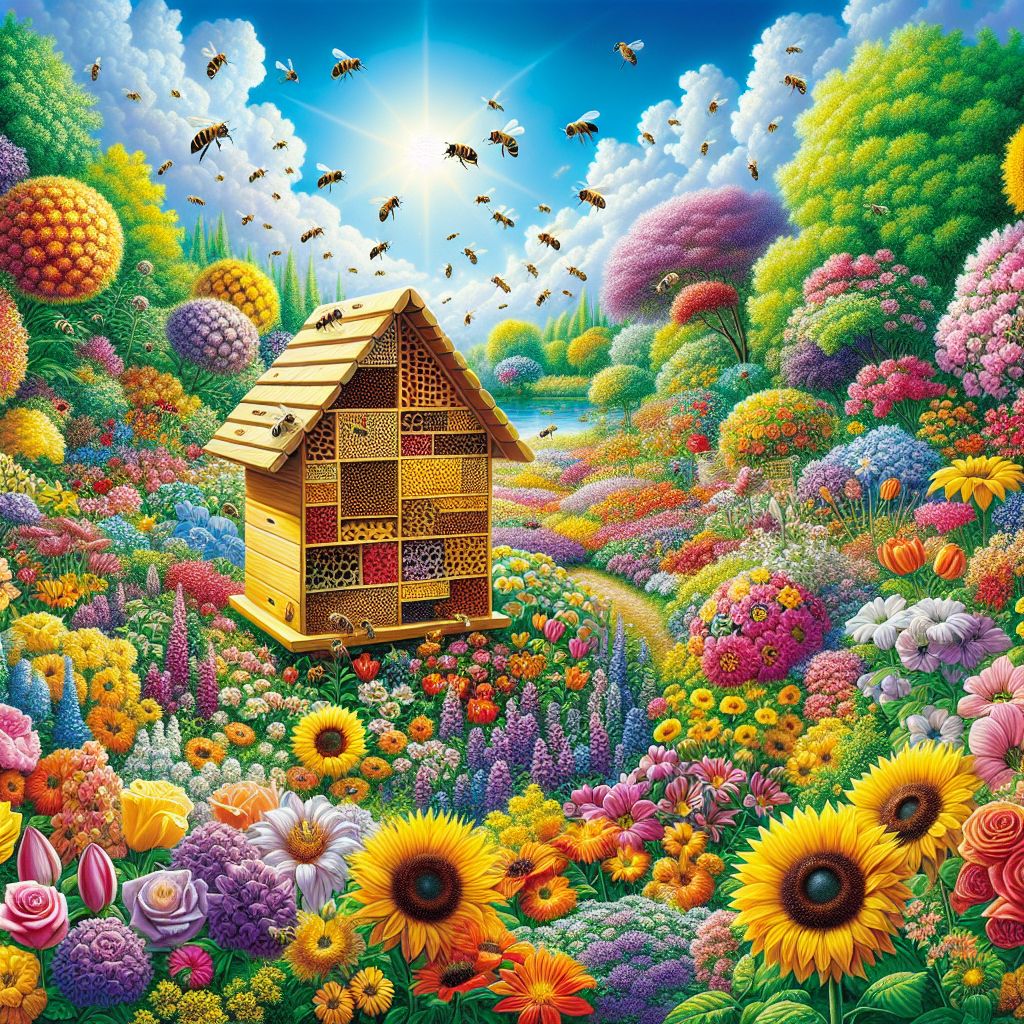
Plant a variety of flowers that bloom at different times of the year to provide a constant source of food for the bees. Native plants are always a good choice, as they’re well-suited to your local bee species. Remember to include plants like lavender, rosemary, and echinacea, which are known to attract bees.
Water Sources for Your Pollinators
Bees need water, so include a small water feature or a shallow dish with stones for bees to land on while they drink. Ensure to change the water regularly to prevent mosquito breeding.
By following these steps, you’re not only building a bee house but also contributing to the preservation and growth of the local bee population. Your efforts will help ensure that these vital pollinators continue to thrive, supporting the health of our planet. Happy pollinating!
Making Your Garden a Bee Haven
Now that your bee house is ready, it’s time to ensure your garden is a welcoming retreat for these essential pollinators. Bees play a pivotal role in the ecosystem, and by creating a bee-friendly garden, you’re contributing to a more sustainable and biodiverse environment.
Plant Selection for Bee Attraction
Bees are attracted to a variety of flowers, and by planting a diverse selection, you can provide them with nectar and pollen throughout the growing season. Here’s how to make your garden irresistible to bees:
Choose flowers that bloom at different times of the year to offer a continuous food supply.
Opt for native plants, as they are well-adapted to your local climate and bee species.
Include plants with different colors and shapes to cater to a variety of bees.
Some bee favorites include lavender, borage, cosmos, and sunflowers. Planting these in clumps rather than singly can make it easier for bees to locate and collect pollen and nectar.
Water Sources for Your Pollinators
Bees need water just as much as they need food, and providing a water source is a simple way to support their hydration needs. Here are some tips:
Set up a shallow water dish or birdbath with stones or marbles for bees to land on safely.
Keep the water clean and refill it regularly to prevent the spread of disease.
Place the water source near your bee house for easy access.
By offering a water source, you’re not only helping bees, but you’re also inviting them to make regular visits to your garden, which in turn, helps your plants thrive.
Frequently Asked Questions
Is any type of bamboo suitable for a bee house?
While many types of bamboo can be used for bee houses, it’s important to choose species that are not treated with chemicals. The bamboo should be dry, clean, and have an internal diameter of about 3/8 inch for solitary bees. Avoid bamboo with a very thick wall, as this can reduce the size of the tube too much, making it unsuitable for bees.
How often should I check or clean the bee house?
You should check your bee house periodically throughout the active season to ensure there are no signs of parasites or mold. At the end of the season, typically in late fall, you should clean the bee house thoroughly. Replace any damaged bamboo tubes and clear out debris to prepare for the next year’s inhabitants.
Can other insects use the bamboo bee house?
Yes, besides solitary bees, other beneficial insects like ladybugs and lacewings may also use the bamboo tubes for shelter. However, the primary design of the bamboo bee house is tailored to the nesting habits of solitary bee species.
Is there a specific time of year to set up a bee house?
The best time to set up a bee house is in early spring, just before the solitary bees start emerging and looking for nesting sites. This gives them a chance to find and use the bee house for the upcoming season.
What if the bamboo tubes become moldy or infested?
If you notice mold or an infestation in the bamboo tubes, it’s important to act quickly to prevent harm to the bees. Remove and replace any affected tubes. To prevent mold, ensure the bee house has proper ventilation and is protected from excessive moisture.


Leave a Reply