Key Takeaways
Pesticides harm both plants and pollinators in urban gardens, disrupting the ecosystem.
A natural bug repellent offers a natural, effective alternative to traditional chemical pesticides.
Using a natural bug repellent enhances plant health and is safe for bees and other beneficial insects.
Effective application methods and timing are crucial for maximizing natural bug-repellent benefits.
Creating a pollinator-friendly garden involves choosing the right plants and maintaining biodiversity.

“What Happens When Organic Farmers are …” from civileats.com
Pesticide-Free Urban Gardens: Using Natural Bug Repellent to Protect City Bees
Pesticides Impact Urban Gardens and Pollinators
Urban gardens are a beautiful addition to any city, providing green spaces, fresh produce, and a habitat for pollinators like bees and butterflies. However, the use of chemical pesticides in these gardens can have detrimental effects on both plants and pollinators. Pesticides often contain harmful chemicals that can kill beneficial insects, contaminate soil, and disrupt the natural balance of the ecosystem.
Most importantly, bees, which are crucial for pollination, are highly sensitive to these chemicals. The decline in bee populations has been linked to the widespread use of pesticides, which not only affects the bees but also the plants that rely on them for pollination. Therefore, finding an alternative to chemical pesticides is essential for maintaining healthy urban gardens and supporting pollinator populations.
Why Choose a Natural Bug Repellent? A Green Alternative
A natural bug repellent is a pesticide alternative designed to protect plants and pollinators without the harmful effects of traditional chemicals. It is made from organic ingredients that are safe for bees, butterflies, and other beneficial insects. By using a natural bug repellent, gardeners can ensure that their plants remain healthy and productive while also supporting the local ecosystem.
Besides that, a natural bug repellent is easy to use and can be applied to a variety of plants, including fruits, vegetables, and ornamental flowers. It works by targeting common garden pests without harming the plants or beneficial insects. This makes it an ideal choice for urban gardeners who want to maintain a healthy and vibrant garden without relying on harmful chemicals.
Maximizing Benefits with a Natural Bug Repellent
To get the most out of a natural bug repellent, it’s important to use it correctly. This involves understanding the best application methods, timing, and safety precautions. By following these guidelines, gardeners can maximize the benefits of a natural bug repellent and ensure that their plants and pollinators thrive.
Reader’s Guide to a Healthier Urban Garden
This guide will provide you with all the information you need to create a healthy, pesticide-free urban garden. We’ll cover everything from understanding the importance of pollinators to using a natural bug repellent effectively and creating a pollinator-friendly environment. Let’s get started on the journey to a greener, healthier urban garden!
Understanding the Importance of Bee-Friendly Urban Gardens
Pollinators like bees play a crucial role in urban ecosystems. They help plants reproduce by transferring pollen from one flower to another, which is essential for the production of fruits, vegetables, and seeds. Without pollinators, many plants would struggle to survive, and our food supply would be at risk.
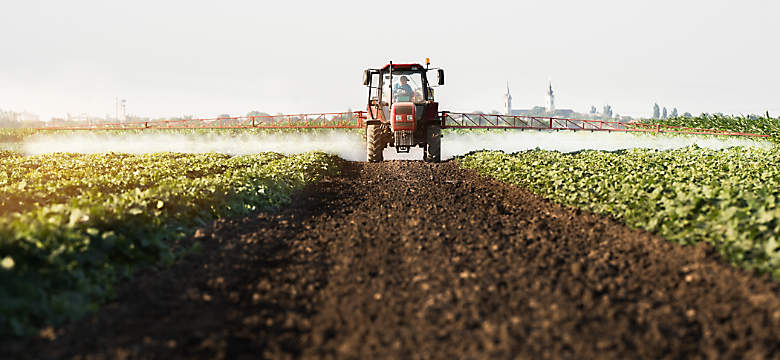
“Pesticide Spray Coverage” from www.kemin.com
Role of Pollinators in Urban Ecosystems
In urban environments, pollinators are often limited by the availability of food and habitat. Gardens that provide a diverse range of flowering plants can help support these important insects. By creating a pollinator-friendly garden, you can contribute to the health and sustainability of your local ecosystem.
Consequences of Pesticide Use on Bees and Plants
The use of chemical pesticides can have severe consequences for both bees and plants. Pesticides can kill bees directly or weaken their immune systems, making them more susceptible to diseases and parasites. Additionally, pesticides can contaminate the pollen and nectar that bees collect, further harming their health.
For plants, pesticides can disrupt growth and development, leading to reduced yields and poorer quality produce. Furthermore, the loss of pollinators due to pesticide use can result in fewer flowers being pollinated, which affects the plant’s ability to reproduce and thrive.
What is Natural Bug Repellent?
A natural bug repellent is an innovative, eco-friendly pesticide alternative designed to protect plants and pollinators in urban gardens. It is formulated with natural ingredients that are effective against common garden pests but safe for beneficial insects like bees and butterflies.
Composition and Ingredients of Natural Bug Repellent
A natural bug repellent is normally made from a blend of organic oils and plant extracts, including neem oil, peppermint oil, and garlic extract. These ingredients have been chosen for their natural pest-repellent properties and their safety for non-target organisms. The combination of these ingredients creates a powerful, yet gentle, pesticide alternative.
How Natural Bug Repellent Works to Protect Plants and Bees
A natural bug repellent works by targeting the nervous systems of common garden pests, causing them to become disoriented and eventually die. Because it is made from natural ingredients, it does not have the same harmful effects on bees and other beneficial insects. Instead, it helps to create a balanced ecosystem where plants can thrive without the need for harmful chemicals.
Benefits of Using Natural Bug Repellent in Urban Gardens
Using a natural bug repellent in your urban garden offers numerous benefits that go beyond just pest control. It helps create a healthier environment for both plants and pollinators, promoting sustainable gardening practices that are essential for urban ecosystems.
Enhancing Plant Health and Growth
A natural bug repellent’s ingredients not only protect plants from pests but also contribute to their overall health. By avoiding harmful chemicals, plants can absorb nutrients more efficiently, leading to stronger roots, greener leaves, and more vibrant flowers. This results in higher yields of fruits and vegetables, providing you with a more bountiful harvest.
Safe for Bees and Other Beneficial Insects
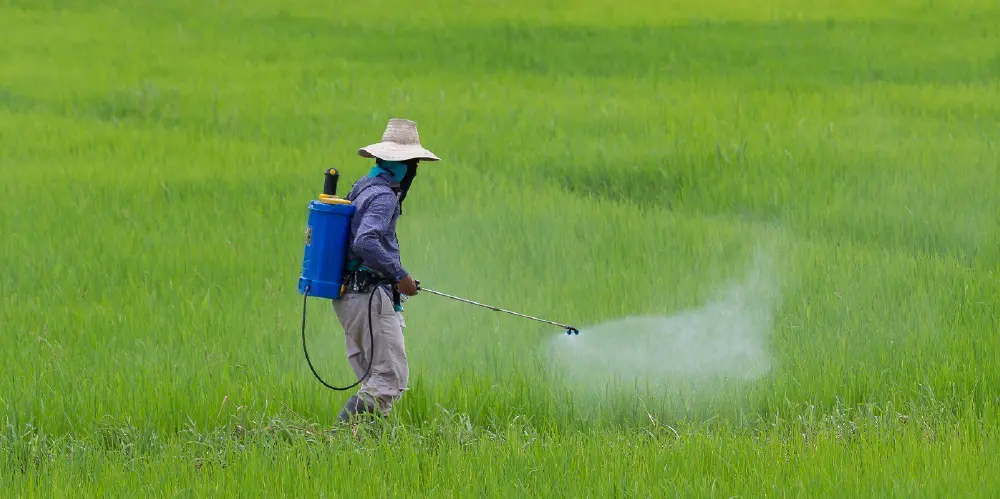
“Pesticide Drift from Spray applications …” from brewerint.com
One of the standout features of a natural bug repellent is its safety for bees and other beneficial insects. Unlike traditional pesticides that can harm or kill these important creatures, a natural bug repellent targets only harmful pests. This means that bees can continue to pollinate your plants, ensuring that your garden remains productive and thriving.
Reduction in Harmful Chemical Exposure
By choosing a natural bug repellent, you significantly reduce the exposure to harmful chemicals in your garden. This not only benefits the plants and pollinators but also protects your health and the health of your family. Children and pets can safely enjoy the garden without the risk of coming into contact with toxic substances.
How to Effectively Use Natural Bug Repellent
To maximize the benefits of a natural bug repellent, it’s important to use it correctly. This involves understanding the best application methods, timing, and safety precautions. Here’s a guide to help you use a natural bug repellent effectively in your urban garden. For more tips on maintaining your garden, check out this eco wood treatment for urban hives.
Application Methods and Best Practices
When applying a natural bug repellent, it’s crucial to cover all parts of the plant, including the undersides of leaves where pests often hide. Use a fine mist sprayer to ensure even coverage and avoid over-saturating the plants. For best results, apply a natural bug repellent in the early morning or late evening when temperatures are cooler and pollinators are less active.
Shake the bottle well before use to ensure the ingredients are well-mixed.
Spray the plants thoroughly, focusing on areas where pests are most likely to be found.
Reapply every 7-10 days or after heavy rain to maintain effectiveness.
Frequency and Timing of Applications
The frequency and timing of natural bug repellent applications depend on the severity of the pest problem and the type of plants being treated. For most gardens, a weekly application is sufficient to keep pests at bay. However, during peak pest seasons or if you notice an infestation, you may need to apply natural bug repellent more frequently. For more tips on maintaining urban gardens, check out this guide on adding community hives to shared spaces.
Safety Precautions and Storage
While a natural bug repellent is made from natural ingredients, it’s still important to follow safety precautions to ensure its effectiveness and longevity. Store the repellent in a cool, dry place away from direct sunlight. Keep it out of reach of children and pets. Always wash your hands after handling a natural bug repellent and avoid contact with your eyes. For more tips, check out this discussion on organic and safe insect killers.
Case Studies: Success Stories from Urban Gardens
Many urban gardeners have successfully used a natural bug repellent to protect their plants and support pollinator populations. Here are a few examples of how a natural bug repellent has made a difference in real urban gardens.
Urban Garden Examples Using Natural Bug Repellent
In a community garden in Brooklyn, New York, gardeners struggled with aphid infestations that were damaging their vegetable crops. After switching to a natural bug repellent, they noticed a significant reduction in aphid populations within just a few weeks. The plants began to recover, and the garden produced a bountiful harvest of tomatoes, peppers, and cucumbers.
“We were on the verge of losing our crops to pests, but now our plants are thriving, and the bees are back.” – Sarah, Brooklyn Community Gardener
Observed Benefits and Outcomes
Another success story comes from an urban rooftop garden in San Francisco. The garden had been using chemical pesticides, which led to a noticeable decline in bee activity. After switching to a natural bug repellent, the gardeners observed an increase in bee visits and healthier, more productive plants. The garden’s pollinator-friendly approach also attracted butterflies and other beneficial insects. This transformation was similar to experiences shared in the urban beekeeping community.
“Our plants are healthier, and the pollinators have returned in full force.” – Mark, San Francisco Rooftop Gardener
Simple DIY Alternatives to Chemical Pesticides
If you’re looking for additional ways to protect your garden from pests without using harmful chemicals, there are several simple DIY alternatives you can try. These methods are easy to implement and can be just as effective as commercial products.
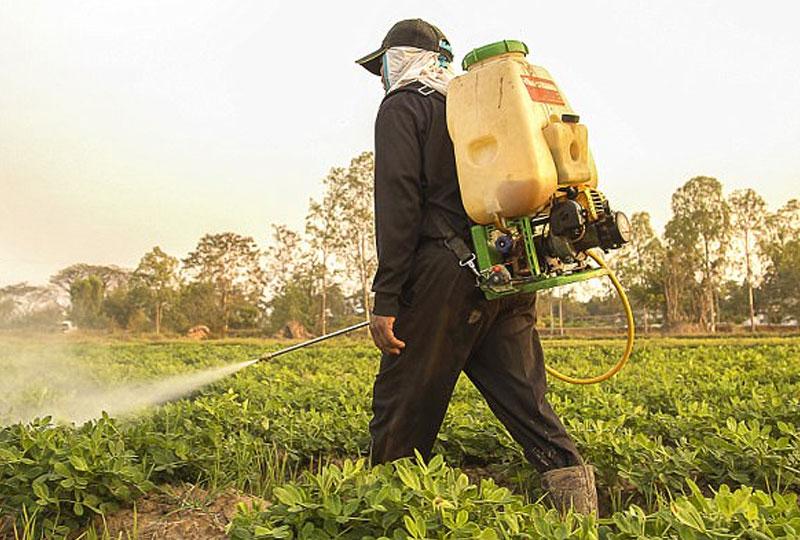
“How To Safely Spray Pesticide …” from agricop.co.in
Homemade Remedies for Common Pests
Several homemade remedies can help control common garden pests. For example, a mixture of water and dish soap can be sprayed on plants to deter aphids and other soft-bodied insects. Another option is to use a garlic spray, which can repel a variety of pests due to its strong odor.
Soap Spray: Mix 1 tablespoon of dish soap with 1 quart of water and spray on affected plants.
Garlic Spray: Blend 2 cloves of garlic with 1 quart of water, strain, and spray on plants.
Neem Oil: Mix 2 tablespoons of neem oil with 1 gallon of water and spray on plants to repel a wide range of pests.
Homemade Remedies for Common Pests
If you’re looking for additional ways to protect your garden from pests without using harmful chemicals, there are several simple DIY alternatives you can try. These methods are easy to implement and can be just as effective as commercial products.
Several homemade remedies can help control common garden pests. For example, a mixture of water and dish soap can be sprayed on plants to deter aphids and other soft-bodied insects. Another option is to use a garlic spray, which can repel a variety of pests due to its strong odor.
Soap Spray: Mix 1 tablespoon of dish soap with 1 quart of water and spray on affected plants.
Garlic Spray: Blend 2 cloves of garlic with 1 quart of water, strain, and spray on plants.
Neem Oil: Mix 2 tablespoons of neem oil with 1 gallon of water and spray on plants to repel a wide range of pests.
Companion Planting to Naturally Deter Insects
Companion planting is another effective way to naturally deter insects and protect your garden. This method involves planting certain types of plants together that can benefit each other by repelling pests or attracting beneficial insects.
For example, planting marigolds alongside tomatoes can help deter nematodes, while basil can repel mosquitoes and flies. Additionally, planting herbs like rosemary and thyme can help keep pests away from your vegetable garden.
Creating a Pollinator-Friendly Urban Garden
Creating a pollinator-friendly urban garden involves more than just avoiding harmful pesticides. It also requires selecting the right plants and maintaining a diverse garden ecosystem that supports pollinators like bees and butterflies.
Plant Choices to Attract Bees and Butterflies
Choosing the right plants is crucial for attracting bees and butterflies to your garden. Opt for a variety of flowering plants that bloom at different times throughout the year to provide a continuous food source for pollinators. For more tips on creating pollinator-friendly landscapes, check out this guide.
Some excellent plant choices include lavender, sunflowers, zinnias, and coneflowers. These plants not only provide nectar for bees and butterflies but also add vibrant colors and beauty to your garden.
“By planting a diverse range of flowers, you can create a haven for pollinators and enjoy a more vibrant and productive garden.” – Jane, Urban Gardener
Besides flowers, consider planting herbs like mint, oregano, and sage, which are also attractive to pollinators. These herbs can be used in your kitchen while providing a valuable food source for bees and butterflies. For more tips on supporting urban bee populations, check out our guide on best seed mix for urban bee forage.
Tips for Maintaining Garden Biodiversity
Maintaining garden biodiversity is essential for creating a healthy and sustainable urban garden. Here are some tips to help you achieve this, including selecting the best seed mix for urban bee forage to attract pollinators.
Plant a variety of species to support different pollinators and beneficial insects.
Avoid monocultures and mix different types of plants together.
Provide water sources like birdbaths or shallow dishes with stones for bees to drink from.
Leave some areas of your garden undisturbed to create natural habitats for insects and small animals.
Use organic mulch to improve soil health and provide shelter for beneficial insects.
FAQs
Here are some frequently asked questions about natural bug repellents and their use in urban gardens. You can also learn more about urban beekeeping to support city bees.
What pests can a natural bug repellent help control?
A natural bug repellent is effective against a wide range of common garden pests, including aphids, spider mites, whiteflies, and caterpillars. Its natural ingredients target the nervous systems of these pests, causing them to become disoriented and eventually die.
Additionally, a natural bug repellent can help control fungal diseases like powdery mildew and black spot, making it a versatile solution for maintaining plant health. For those interested in urban beekeeping, check out these top bar hive tips to support city bees.
Aphids
Spider Mites
Whiteflies
Caterpillars
Powdery Mildew
Black Spot
Can a natural bug repellent be used on edible plants?
Yes, a natural bug repellent is safe to use on edible plants, including fruits, vegetables, and herbs. Its natural ingredients do not leave harmful residues, making it a great choice for protecting your food crops. Be sure to wash your produce thoroughly before consumption to remove any traces of the spray.
How does a natural bug repellent compare to traditional pesticides in terms of cost?
Natural bug repellents are competitively priced compared to traditional chemical pesticides. While the initial cost may be slightly higher, the long-term benefits of using a natural, eco-friendly product outweigh the price difference. Additionally, the reduced need for frequent reapplication and the absence of harmful side effects make natural bug repellents a cost-effective solution for urban gardeners.
Is it safe to use natural bug repellent around pets?
Yes, a natural bug repellent is safe to use around pets. Its natural ingredients are non-toxic and do not pose a risk to animals. However, it’s always a good idea to keep pets away from treated plants until the spray has dried to prevent any potential irritation.
Are there any plants that should not be treated with Natural Bug Repellent?
A natural bug repellent is generally safe for use on most plants, but it’s always a good idea to test a small area of the plant before full application. Some sensitive plants, like certain types of ferns or succulents, may react differently to the spray. If you notice any adverse effects, discontinue use on those plants.
Urban gardening enthusiasts are increasingly turning to pesticide-free methods to protect their plants and the vital bee populations that pollinate them. By adopting organic practices, gardeners can help create a safer environment for these essential pollinators. For more information on how to create pollinator-friendly landscapes, visit Beyond Pesticides.




Leave a Reply