
Key Takeaways
Community hives can enhance urban spaces by fostering biodiversity and education.
Choosing the right location for your hive is crucial for bee health and community safety.
Planting a variety of flowers and plants helps sustain a healthy bee population.
Regular hive maintenance ensures the wellbeing of the bees and the quality of the honey.
Engaging the community through workshops and events can increase participation and support.
Oasis Garden Hive: Adding Community Hives to Shared Spaces
The Concept of Oasis Garden Hive
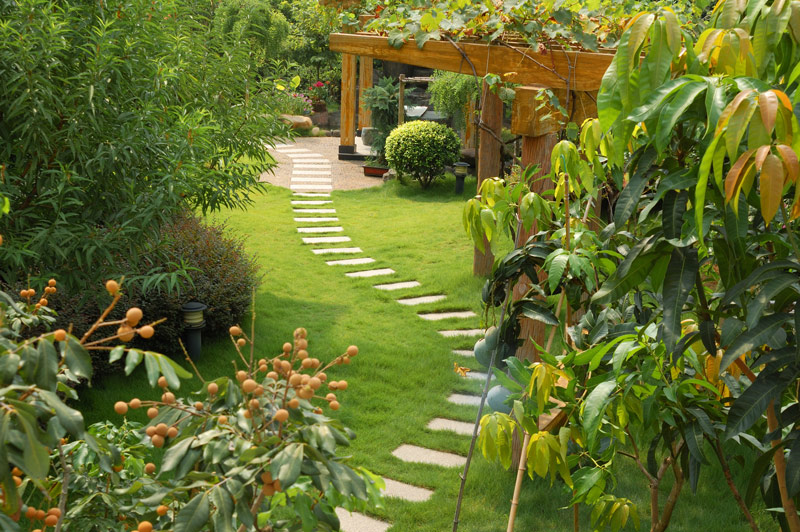
“How to Create a Garden Oasis | GNH …” from www.gnhlumber.com
Creating an oasis garden hive involves setting up beehives in shared community spaces. This concept not only promotes urban beekeeping but also enhances the biodiversity and aesthetic appeal of the area. By integrating hives into community gardens, parks, or even rooftops, we can foster a sense of community while supporting local ecosystems.
Why Community Hives Benefit Shared Spaces
Community hives bring numerous benefits to shared spaces. Firstly, they help increase the local bee population, which is crucial for pollinating plants and maintaining biodiversity. Secondly, they provide educational opportunities for residents, especially children, to learn about bees and their role in the environment. Lastly, community hives can produce honey, which can be shared among the community or sold to fund further gardening projects.
Transforming Your Space into a Bee Oasis
Transforming a shared space into a bee oasis requires careful planning and consideration. The goal is to create an environment that supports bee health and encourages community involvement. Here are some steps to get started:
Choosing the Right Location
Choosing the right location for your hive is crucial. Bees need a safe, sunny spot with access to water and plenty of flowering plants. Ideally, the hive should be placed away from high-traffic areas to minimize disturbances. Here are some tips for selecting the perfect location:
Look for a spot with southern exposure to ensure the hive gets plenty of sunlight.
Ensure the area is sheltered from strong winds and heavy rain.
Provide a water source nearby, such as a birdbath or small pond.
Consider placing the hive near a fence or shrubbery to provide some shade and protection.
Planting for Pollinators
Planting a variety of flowers and plants is essential for creating a bee-friendly garden. Bees need a diverse range of nectar and pollen sources to stay healthy. Consider planting native flowers, herbs, and shrubs that bloom at different times throughout the year. This ensures that bees have a consistent food supply. Here are some plant suggestions:
Spring: Crocuses, dandelions, and apple blossoms.
Summer: Lavender, sunflowers, and clover.
Fall: Asters, goldenrod, and sedum.
Besides that, avoid using pesticides and herbicides, as these can harm bees and other beneficial insects. For more tips on keeping bees healthy, check out this article on organic mason bee pest control.
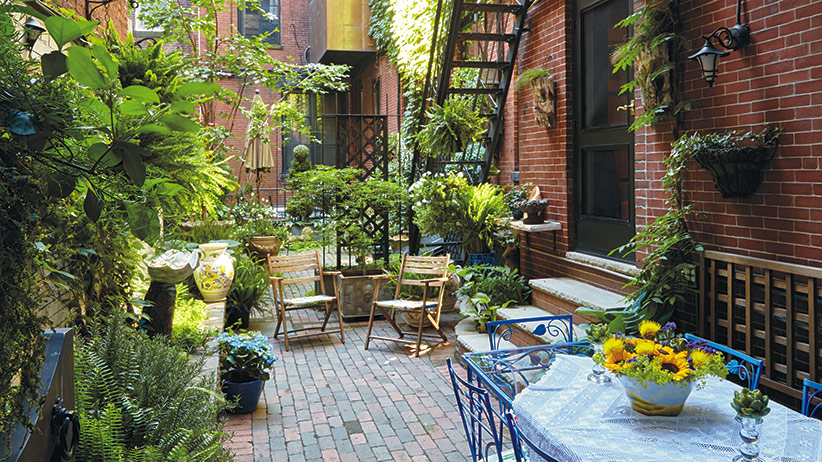
“Urban Garden Oasis | Garden Gate” from www.gardengatemagazine.com
Water Sources and Shelter
Bees need access to water for drinking and cooling the hive. You can provide a water source by placing a shallow dish filled with water and pebbles near the hive. The pebbles give bees a place to land and drink safely. Additionally, consider planting trees or installing a trellis to provide some shade and shelter for the hive.
Setting Up the Hive
Once you have prepared the space, it’s time to set up the hive. There are different types of hives to choose from, each with its own advantages. The two most common types are Langstroth hives and top-bar hives.
Selecting the Hive Type
Choosing the right hive type depends on your goals and experience level. Langstroth hives are the most popular choice for beginners because they are easy to manage and expand. Top-bar hives, on the other hand, offer a more natural approach to beekeeping and are ideal for small-scale operations.
Langstroth Hives
Modular design allows for easy expansion.
Standardized frames make it easier to inspect and manage the hive.
Produces more honey compared to other hive types.
Requires regular maintenance and inspections.
Langstroth hives consist of stacked boxes with removable frames. These frames hold the honeycomb and can be easily removed for inspection and honey extraction. Because of their modular design, you can add more boxes as the colony grows. For tips on keeping your bees healthy, check out this bee gym for urban pests.
Top-Bar Hives
Top-bar hives are a great option for those who prefer a more hands-off approach to beekeeping. These hives have a horizontal design, which makes them easier to manage without heavy lifting. Additionally, top-bar hives allow bees to build their comb naturally, which can lead to healthier colonies. Here are some key points about top-bar hives:
Horizontal design eliminates the need for heavy lifting.
Allows bees to build natural comb, promoting healthier colonies.
Requires less frequent inspections compared to Langstroth hives.
Produces less honey, but the quality is often higher.
Installation and Initial Care
After selecting your hive type, the next step is installation. Place the hive on a sturdy stand to keep it off the ground and protect it from moisture. Ensure the entrance faces a clear path for bees to come and go. Once the hive is in place, introduce the bees by gently shaking them into the hive. Provide some initial feed, such as a sugar syrup, to help them settle in. Regularly check the hive to ensure the bees are building comb and the queen is laying eggs. For more insights, explore this guide on introducing bees to urban gardens.
Maintaining and Monitoring the Hive
Maintaining and monitoring your hive is essential for the health of your bee colony. Regular inspections, pest and disease management, and proper feeding and watering practices will ensure your bees thrive. For more detailed guidance, check out this article on setting up your first beehive.
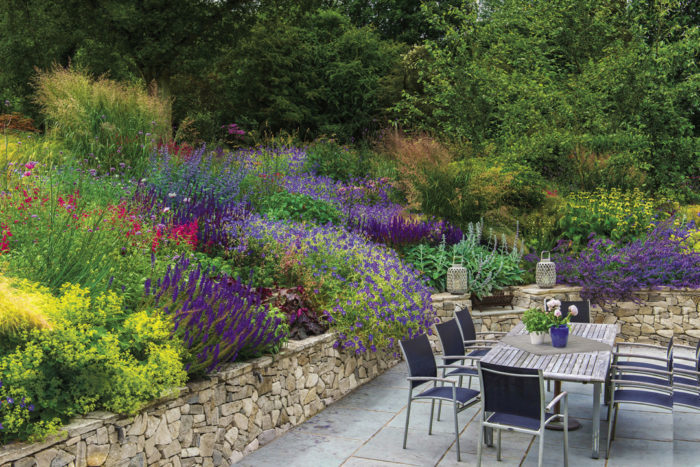
“Patio Into a Garden Oasis …” from www.finegardening.com
Regular Inspections
Regular inspections are crucial to monitor the health and progress of your hive. During inspections, check for signs of disease, pests, and the overall condition of the colony. Look for the queen, eggs, larvae, and capped brood to ensure the colony is healthy and growing. Here are some tips for conducting inspections: keep bees healthy and protected.
Inspect the hive every 7-10 days during the active season.
Use a smoker to calm the bees before opening the hive.
Gently remove and examine each frame or bar.
Take notes on the hive’s condition and any issues observed.
Pest and Disease Management
Pests and diseases can pose significant threats to your bee colony. Common pests include Varroa mites, wax moths, and small hive beetles. Diseases such as American foulbrood and chalkbrood can also impact hive health. Implementing integrated pest management (IPM) strategies can help control these threats. Here are some steps to manage pests and diseases:
Monitor for pests and diseases during regular inspections.
Use screened bottom boards to reduce Varroa mite infestations.
Apply organic treatments, such as powdered sugar dusting, to control mites.
Maintain good hive hygiene by removing debris and old comb.
Feeding and Watering the Bees
Ensuring your bees have access to adequate food and water is essential, especially during periods of low nectar flow. Provide supplemental feeding using sugar syrup or pollen patties when necessary. Additionally, make sure there is a nearby water source for the bees. Here are some tips for feeding and watering your bees:
Feed sugar syrup in early spring and late fall to boost colony strength.
Provide pollen patties during times of low pollen availability.
Place a shallow dish of water with pebbles near the hive for drinking.
Monitor food stores regularly and replenish as needed.
Engaging the Community
Engaging the community is a vital part of the oasis garden hive concept. By involving residents in beekeeping activities, you can foster a sense of ownership and support for the project. Educational workshops, volunteer opportunities, and honey harvesting events are excellent ways to engage the community.
Educational Workshops
Educational workshops are a great way to teach community members about bees and beekeeping. These workshops can cover topics such as hive setup, bee biology, and honey extraction. Hosting regular workshops can help build a knowledgeable and supportive community. Here are some ideas for workshop topics:
Introduction to Beekeeping: Basics and Benefits
Bee Biology and Behavior
Hive Management and Maintenance
Honey Harvesting and Processing
Volunteer Opportunities
Providing volunteer opportunities allows community members to get hands-on experience with beekeeping. Volunteers can assist with hive inspections, planting pollinator-friendly gardens, and maintaining the hive area. This involvement not only helps with the workload but also strengthens community bonds. Here are some volunteer activities to consider:
Assisting with hive inspections and maintenance
Planting and caring for pollinator gardens
Building and repairing hive equipment
Organizing and promoting community events
Honey Harvesting Events
Honey harvesting events are a fantastic way to bring the community together and celebrate the fruits of their labor. These events can include demonstrations of honey extraction, tastings, and even sales of honey and bee-related products. Hosting annual or seasonal honey harvesting events can create excitement and anticipation within the community. Here are some tips for organizing a successful honey harvesting event:
Plan the event during peak honey production season.
Set up stations for honey extraction, bottling, and labeling.
Provide tastings and samples of different honey varieties.
Offer educational talks and demonstrations on honey processing.
Success Stories
Success stories from other communities can serve as inspiration and provide valuable insights for your own project. Learning from the experiences of others can help you avoid common pitfalls and replicate successful strategies. For example, you can learn about urban beekeeping and how it has been successfully implemented in various locations.
Case Study: Urban Bee Oasis in Cedar Rapids
In Cedar Rapids, a community initiative transformed a neglected urban space into a thriving bee oasis. Will Hatchel, a local resident, led the project by installing a beehive in his garden and planting a variety of flowers to attract pollinators. The project quickly gained support from neighbors and local organizations. Over time, the bee oasis became a hub for educational workshops, volunteer activities, and community events.
“I thought there was so much involved, but it’s not that difficult,” Hatchel said. “A trellis planted with vines sits between the hive entrance and his neighbor’s yard. Such a flyway is required by Cedar Rapids’ beekeeping ordinance.”
Community Impact and Growth
The impact of the Cedar Rapids bee oasis extended beyond the immediate neighborhood. The project raised awareness about the importance of bees and inspired other communities to start their own beekeeping initiatives. The increased local bee population also benefited nearby gardens and farms, leading to better crop yields and more vibrant landscapes. The success of the project demonstrated the power of community collaboration and the positive effects of urban beekeeping.
Future Potential and Expansion
The success of community hives in shared spaces opens up exciting possibilities for future projects. By scaling to additional locations and exploring innovative ideas, we can continue to promote urban beekeeping and strengthen community bonds. For those interested in starting their own beekeeping journey, here is a beginner beekeeper guide that highlights the benefits of keeping solitary bees.
Scaling to Additional Locations
Expanding community hive projects to additional locations can amplify their impact. Identify other shared spaces, such as parks, schoolyards, and community gardens, that could benefit from a beehive. Collaborate with local organizations, schools, and residents to secure support and resources. For example, you can learn more about navigating hive law for city beekeepers to ensure compliance. Here are some steps to scale your project:
Conduct site assessments to determine suitability for beehives.
Engage with community leaders and stakeholders to gain support.
Secure funding through grants, donations, or fundraising events.
Provide training and resources to new beekeepers and volunteers.
Innovative Ideas for Beekeeping
Innovation can drive the future of urban beekeeping. Exploring new ideas and technologies can make beekeeping more accessible and sustainable. Some innovative ideas include:
Using technology to monitor hive health remotely.
Implementing vertical hives for limited spaces.
Creating bee hotels to support solitary bees.
Partnering with local businesses to sponsor hives.
By embracing innovation, we can enhance the benefits of community hives and ensure their long-term success. For instance, creating bee hotels can significantly support solitary bees.
Conclusion
Adding community hives to shared spaces is a powerful way to foster community, support local ecosystems, and promote urban beekeeping. By carefully planning and maintaining your hive, engaging the community, and exploring innovative ideas, you can create a thriving bee oasis that benefits everyone involved. Let’s work together to make our shared spaces buzz with life and activity.
Frequently Asked Questions (FAQ)
Do I need permission to set up a community hive?
Yes, you typically need permission from local authorities or property owners to set up a community hive. Check with your city or town’s regulations regarding beekeeping and obtain any necessary permits or approvals.
What kind of plants is best for a bee-friendly garden?
Plant a variety of flowers, herbs, and shrubs that bloom at different times throughout the year. Native plants are often the best choice. Examples include crocuses, lavender, sunflowers, asters, and goldenrod. For more information on creating optimal habitats for bees, check out this guide on mason bee mud mix.
How often should I inspect my hive?
Inspect your hive every 7-10 days during the active season. Regular inspections help you monitor the health of the colony and address any issues promptly. For more tips on maintaining hive health, check out this guide on combating varroa mites.
Can anyone in the community help with the hive?
Yes, involving community members in hive maintenance and beekeeping activities can foster a sense of ownership and support. Provide training and resources to volunteers to ensure they can assist effectively.
What do I do if the bees become aggressive?
If the bees become aggressive, try to identify the cause. It could be due to a disturbance, lack of food, or disease. Ensure the hive is in a calm, safe location and provide adequate food and water. If aggression persists, consult an experienced beekeeper for advice.
By following these guidelines and engaging your community, you can create a successful and thriving bee oasis in your shared space. For inspiration, check out how a Cedar Rapids couple creates an urban bee oasis. Happy beekeeping!



Leave a Reply