
Key Takeaways
Mason bees are excellent pollinators and can significantly increase your garden’s productivity.
Unlike honeybees, mason bees are solitary and non-aggressive, making them ideal for home gardens.
To attract mason bees, you need to provide a suitable bee house, mud for nesting, and a pesticide-free environment.
Planting bee-friendly flowers like lavender, marigold, and sunflowers will help attract mason bees to your garden.
Routine maintenance of the bee house, such as cleaning and replacing nesting materials, is essential for the bees’ health.
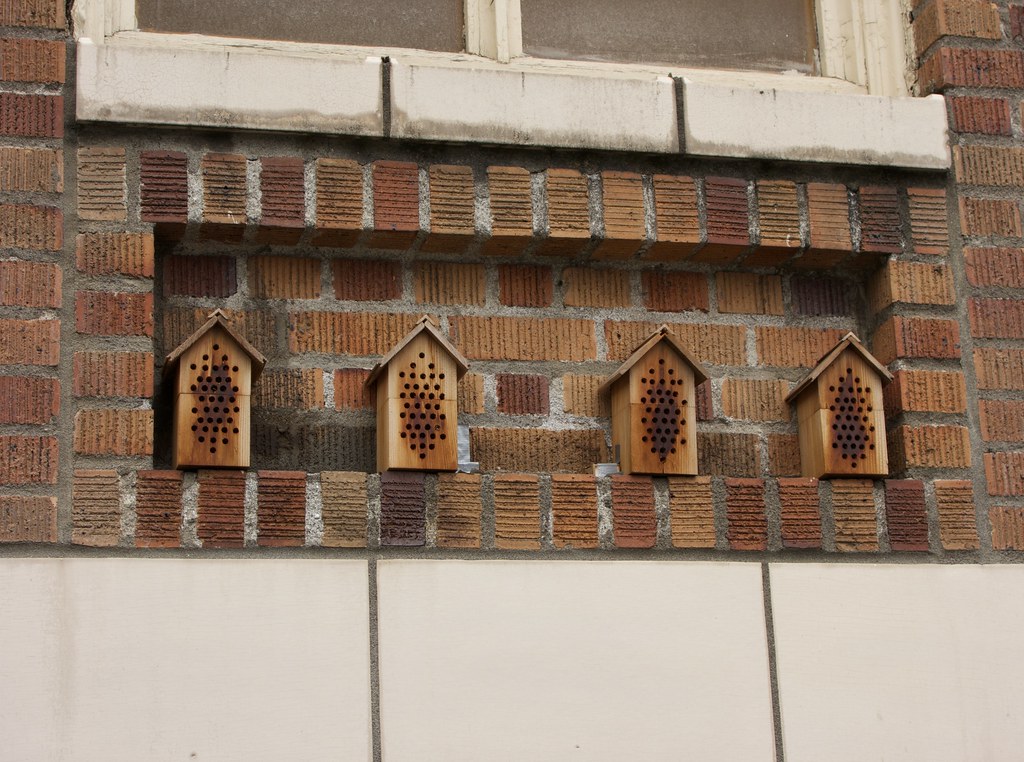
“Mason Bee Houses | A row of mason bee …” from www.flickr.com
Attract Mason Bees: Best Bee House Tips & Methods
Introduction to Mason Bees
Mason bees are fantastic little creatures that can transform your garden into a thriving ecosystem. These bees are smaller than honeybees and are known for their metallic blue or blue-black color. What makes them stand out is their solitary nature and their efficiency in pollination. Unlike honeybees, mason bees do not live in colonies or produce honey. Instead, they are solitary and focus solely on pollinating plants.
The Importance of Mason Bees
Understanding the importance of mason bees is crucial. These bees are among the most effective pollinators, and they can significantly boost the productivity of your garden. Because they are native to North America, mason bees are well-adapted to local conditions and are less susceptible to diseases that affect honeybees.
Besides their efficiency in pollination, mason bees are non-aggressive. Males do not have stingers, and females will only sting if trapped or squeezed. This makes them ideal for home gardens, especially those with children or pets.
Understanding Mason Bees
Mason Bee Characteristics
Mason bees are named for their unique nesting behavior. They use mud to seal off the cells where they lay their eggs, much like a mason uses mortar. These bees are smaller than honeybees and have a metallic sheen, making them easy to identify. For more information, check out this guide on mason bees.
Unlike honeybees, which collect pollen in packages on their hind legs, mason bees gather pollen all over their bodies. This makes them incredibly efficient pollinators because they transfer more pollen from flower to flower.
Lifestyle and Behavior
Mason bees are solitary insects. Each female bee builds her own nest, usually in pre-existing cavities like hollow stems or holes in wood. She lays her eggs in individual cells, which she seals with mud. The eggs hatch into larvae, which develop into adult bees by the next spring.
Because they do not live in colonies, mason bees do not have a queen or worker bees. Each female is responsible for her own nest and offspring. This solitary lifestyle makes them less susceptible to diseases and pests that affect social bees like honeybees.
Difference Between Mason Bees and Honeybees
While both mason bees and honeybees are important pollinators, they have several key differences. Honeybees live in large colonies and produce honey, while mason bees are solitary and do not produce honey. Honeybees collect pollen in packages on their hind legs, while mason bees gather pollen all over their bodies, making them more efficient pollinators.
Another significant difference is their aggression levels. Honeybees can be defensive and may sting if they feel threatened. In contrast, mason bees are non-aggressive. Males do not have stingers, and females will only sting if trapped or squeezed.
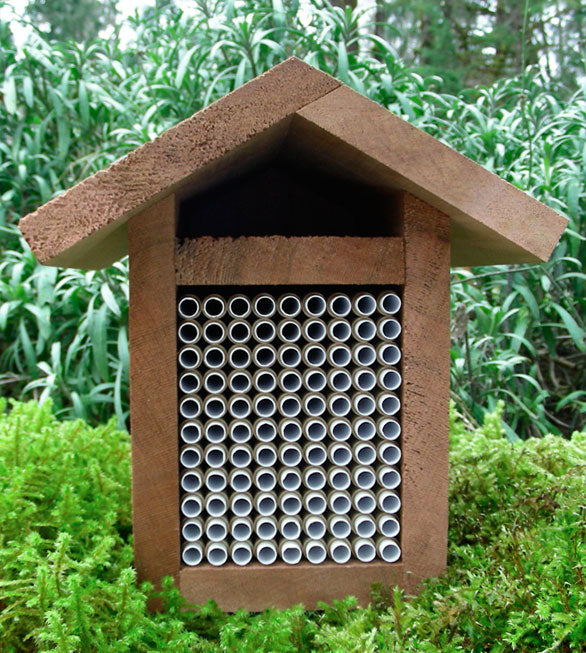
“Full House – Mason Bee Central” from masonbeecentral.com
Benefits of Attracting Mason Bees
Pollination and Crop Yield
One of the most compelling reasons to attract mason bees to your garden is their pollination efficiency. These bees can visit more flowers in a shorter amount of time compared to honeybees, leading to better pollination and higher crop yields. If you have fruit trees, vegetables, or flowers, mason bees can significantly boost their productivity.
Environmental Impact
Besides enhancing your garden’s productivity, mason bees also have a positive environmental impact. They help maintain biodiversity by pollinating a wide variety of plants. This, in turn, supports other wildlife, such as birds and beneficial insects, creating a balanced and healthy ecosystem.
Non-Aggressive Nature
The non-aggressive nature of mason bees makes them ideal for home gardens. You don’t have to worry about them stinging you, your children, or your pets. This makes them a safer option compared to honeybees, especially in residential areas.
Pollination and Crop Yield
Mason bees are incredibly efficient pollinators. Unlike honeybees, which tend to visit the same type of flower in one trip, mason bees visit a variety of flowers. This means that they transfer pollen more widely, leading to better cross-pollination and higher crop yields. If you have fruit trees like apples or cherries, or even vegetable plants, you’ll notice a significant increase in your harvest.
Environmental Impact
Attracting mason bees to your garden also has a broader environmental impact. These bees help to maintain plant biodiversity by pollinating a wide range of flowers. This not only supports the plants themselves but also other wildlife that depend on those plants for food and shelter. In essence, by fostering mason bees, you’re contributing to a healthier, more balanced ecosystem.
Non-Aggressive Nature
One of the most appealing aspects of mason bees is their non-aggressive nature. Male mason bees do not have stingers, and females will only sting if they are trapped or squeezed. This makes them an excellent choice for home gardens, especially if you have children or pets. You can enjoy the benefits of increased pollination without worrying about bee stings.
Creating a Habitat
Creating a welcoming habitat for mason bees is essential if you want to attract them to your garden. The first step is to choose a suitable location for your bee house and then construct or purchase a bee house that meets their needs.
Choosing a Proper Location
The location of your bee house is crucial for attracting mason bees. Ideally, it should be placed in a sunny spot that is sheltered from strong winds and heavy rain. The entrance should face east or southeast to catch the morning sun, which helps to warm the bees and get them active early in the day. For more tips on managing urban beekeeping challenges, check out city beekeeping challenges.
Besides that, make sure the bee house is elevated at least three to six feet off the ground to protect it from predators and moisture. You can mount it on a post, wall, or tree, as long as it is stable and secure. For more information on eco-friendly options, consider using eco wood treatment for your bee house.
Constructing a Bee House
Constructing a bee house is a rewarding project that can be done with simple materials. The most common designs are tube and block houses. Tube houses use paper or bamboo tubes, while block houses are made from untreated wood blocks with drilled holes.
When constructing your bee house, ensure that the tubes or holes are between 5/16 and 3/8 inches in diameter and about 6 inches deep. This size is perfect for mason bees to build their nests. Additionally, make sure the back of the tubes or holes is closed to provide a secure nesting site.
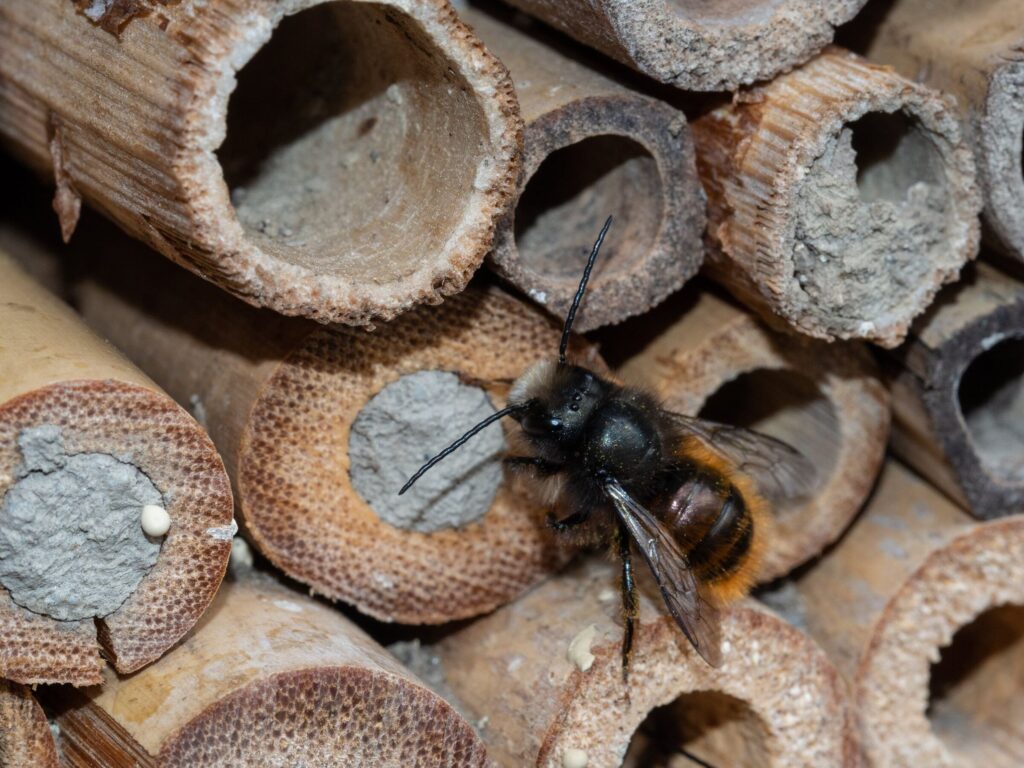
Overall, both mason bees and honeybees play crucial roles in pollination, but mason bees offer several advantages for home gardeners, including their non-aggressive nature and higher pollination efficiency.
By understanding these differences and following the tips and methods outlined in this article, you can create an ideal habitat for mason bees and enjoy the numerous benefits they bring to your garden. For more insights, check out this guide on urban bee box myths.



Leave a Reply