
Key Takeaways
- Urban beekeeping is safe; bees are generally non-aggressive if undisturbed.
- Beekeeping in cities can actually benefit bee populations by providing diverse forage.
- Urban areas are suitable for bee boxes, with many cities supporting beekeeping initiatives.
- Properly managed bee boxes do not attract pests; maintenance is key.
- Urban beekeeping supports local biodiversity and pollination, benefiting urban agriculture.
Busting Myths: The Urban Bee Box’s Role in Educating the Public
Common Myths about Urban Beekeeping
Bees are Aggressive and Dangerous
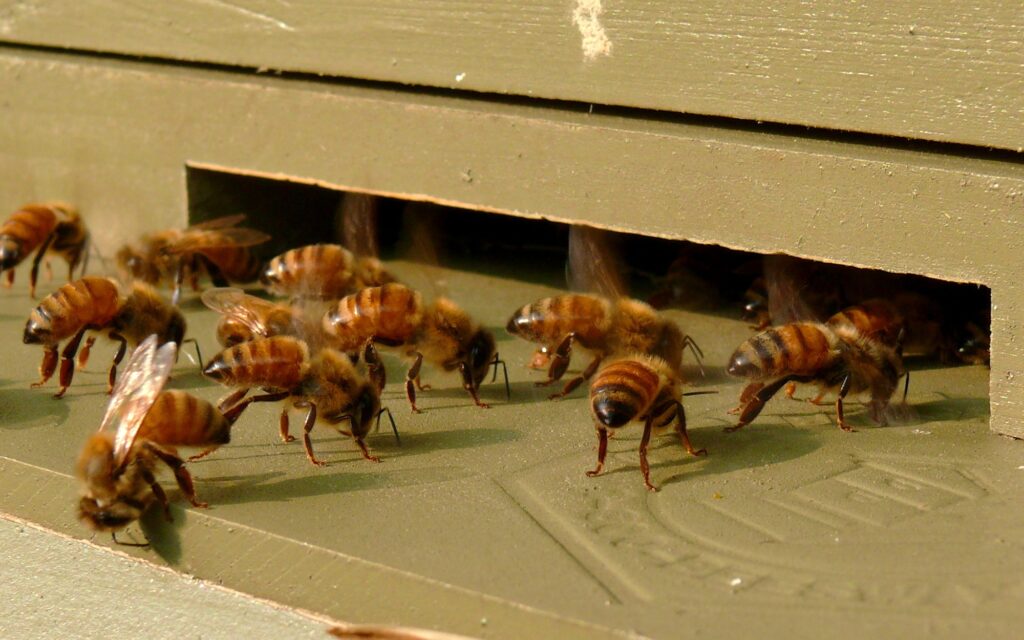
One of the most common myths about urban beekeeping is that bees are aggressive and dangerous. This misconception often stems from sensationalized media portrayals and a general lack of understanding about bee behavior. In reality, honeybees are typically non-aggressive and only sting when they feel threatened.
For example, honeybees are more focused on foraging for nectar and pollen than on attacking humans. If you leave them alone, they will usually leave you alone. Therefore, it’s crucial to educate the public about the true nature of bees to dispel this myth.
Urban Beekeeping is Harmful to Bees
Another myth is that urban beekeeping is harmful to bees. Some people believe that cities lack the necessary resources for bees to thrive. However, urban environments can provide a diverse range of plants and flowers that are beneficial to bees.
Besides that, many urban beekeepers are passionate about maintaining healthy bee populations. They often follow best practices to ensure their bees are well-cared for. This includes providing adequate forage and monitoring the health of their hives. For those interested in learning more, check out this urban beekeeping workshop.
Urban Areas Aren’t Suitable for Bee Boxes
Many people think urban areas are unsuitable for bee boxes due to limited space and potential conflicts with neighbors. However, cities like New York and London have thriving urban beekeeping communities. Rooftops, balconies, and community gardens can all serve as excellent locations for bee boxes.
Most importantly, local regulations often support urban beekeeping, making it easier for residents to get involved. Therefore, it’s a myth that urban areas can’t accommodate bee boxes.
Bee Boxes Will Attract Pests
There is also a concern that bee boxes will attract pests such as rodents and insects. While it’s true that any poorly maintained structure can attract pests, properly managed bee boxes do not pose this risk.
Regular maintenance and monitoring are key to preventing pest issues. For example, ensuring that bee boxes are clean and free from debris can significantly reduce the likelihood of attracting unwanted pests.
Benefits of Urban Beekeeping
Boosting Local Biodiversity
Urban beekeeping can significantly boost local biodiversity. Bees play a crucial role in pollinating plants, which helps maintain healthy ecosystems. In urban areas, where green spaces can be limited, bees contribute to the growth and sustainability of local flora.
By keeping bee boxes, urban dwellers can support a wide range of plant species. This, in turn, attracts other pollinators and wildlife, creating a more vibrant and diverse urban environment.
- Increased plant diversity
- Enhanced urban green spaces
- Support for other pollinators
Supporting Pollination for Urban Agriculture
Urban agriculture relies heavily on pollinators like bees. Community gardens, rooftop farms, and even home vegetable plots benefit from the presence of bees. These pollinators help increase the yield and quality of fruits, vegetables, and herbs.
Therefore, having bee boxes in urban areas can directly support local food production. This not only benefits individual gardeners but also contributes to the overall food security of the community.
- Improved crop yields
- Better quality produce
- Enhanced community food security
Urban beekeeping is not just about keeping bees; it’s about fostering a relationship with nature in an urban setting. The benefits extend beyond just the bees and the beekeepers, positively impacting the entire community.
Educational Opportunities and Public Awareness
Urban beekeeping offers excellent educational opportunities. Schools, community centers, and local organizations can use bee boxes to teach people about bees, pollination, and the environment. This hands-on learning experience can inspire a new generation of environmental stewards.
For instance, many urban beekeeping programs involve community workshops and educational tours. These activities help demystify bees and promote awareness about their importance to our ecosystem. To learn more about urban beekeeping, check out this urban beekeeping guide.
Producing Local Honey
One of the most enjoyable benefits of urban beekeeping is the production of local honey. Honey from urban bees can have unique flavors depending on the local flora. This not only provides a delicious treat but also supports local economies.
Urban beekeepers often sell their honey at local farmers’ markets or gift it within their communities. This helps build a sense of community and promotes local, sustainable products.
How to Get Started with Urban Beekeeping
Choosing the Right Bee Box
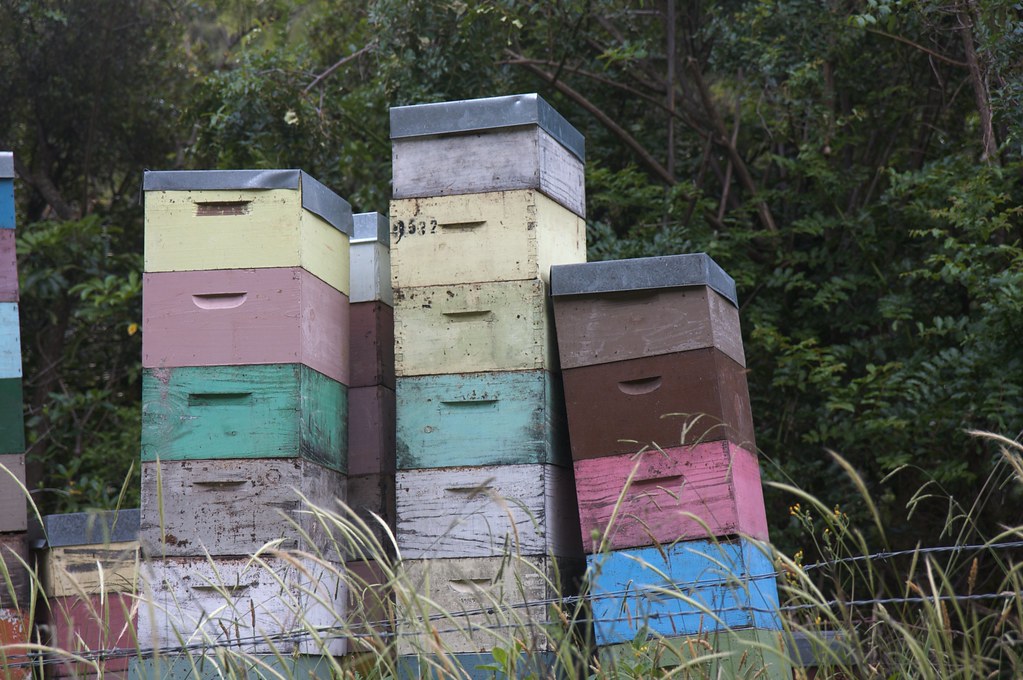
Selecting the right bee box is crucial for successful urban beekeeping. There are various types of bee boxes, each with its own advantages. For beginners, a Langstroth hive is often recommended due to its modular design and ease of management.
Ensure that the bee box is made of durable materials and has adequate ventilation. This will help keep the bees healthy and comfortable.
Finding a Suitable Location
Choosing the right location for your bee box is equally important. Look for a spot that gets plenty of sunlight but is also sheltered from strong winds. Rooftops, balconies, and community gardens are excellent options.
Make sure the location is accessible for regular maintenance and far enough from high-traffic areas to avoid disturbing the bees. Most importantly, check local regulations to ensure you comply with any zoning laws or restrictions.
Basic Care and Maintenance
Regular care and maintenance are key to keeping your bee box thriving. Here are some basic steps to follow: For more insights on urban beekeeping, check out the problems and benefits.
- Inspect the hive regularly for signs of disease or pests.
- Ensure the bees have access to clean water.
- Provide supplemental feeding during times of low nectar flow.
- Keep the hive clean and free from debris.
By following these steps, you can help ensure your bees stay healthy and productive.
Connecting with Local Beekeeping Groups
Joining a local beekeeping group can be incredibly beneficial. These groups offer support, resources, and a sense of community. They can provide valuable advice and help you navigate any challenges you may encounter.
Look for local beekeeping associations or clubs in your area. Many of these groups hold regular meetings, workshops, and social events, providing ample opportunities to learn and connect with fellow beekeepers. For more information on urban beekeeping, check out this guide on urban beekeeping.
Addressing Common Concerns and Solutions
Urban beekeeping comes with its own set of challenges. However, most of these concerns can be effectively managed with the right knowledge and practices.
- Bee Aggression
- Colony Swarming
- Pest Issues
Managing Bee Aggression
While bees are generally non-aggressive, there are times when they may become more defensive. This usually happens when they feel their hive is threatened. To manage bee aggression, consider the following tips: documenting backyard hive life can help you understand their behavior better.
- Avoid disturbing the hive during bad weather or at night.
- Wear protective clothing when inspecting the hive.
- Use a smoker to calm the bees before opening the hive.
By taking these precautions, you can minimize the risk of bee stings and ensure a safer beekeeping experience.
Preventing Colony Swarming
Swarming is a natural behavior where a colony splits, and a portion of the bees leave to form a new hive. While this is natural, it can be disruptive in an urban setting. To prevent swarming, consider these strategies:
- Regularly inspect the hive for signs of swarming, such as queen cells.
- Provide ample space in the hive by adding extra boxes as needed.
- Maintain a healthy and productive queen.
By managing these factors, you can reduce the likelihood of swarming and keep your bees happily settled in their hive.
Avoiding Pest Issues
Pests can pose a significant threat to bee colonies. Common pests include mites, beetles, and ants. Here are some steps to prevent pest issues:
- Regularly inspect the hive for signs of pests.
- Use screened bottom boards to help reduce mite infestations.
- Keep the area around the hive clean and free from debris.
- Consider using natural pest control methods, such as essential oils.
Proper maintenance and vigilance can help you keep pests at bay and ensure a healthy hive.
Real-Life Examples of Successful Urban Beekeeping
- Urban Beekeeping in New York
- Urban Beekeeping in London
These cities have thriving urban beekeeping communities, showcasing the potential for successful beekeeping in urban environments. Learn more about urban beekeeping tips and guides to start your own journey.
Case Study: Urban Beekeeping in New York
New York City has a vibrant urban beekeeping scene. Rooftop hives are common, and many businesses and schools have started their own beekeeping programs. The city’s diverse flora provides ample forage for bees, contributing to their health and productivity. For more hands-on learning, check out this urban beekeeping workshop.
One notable example is the Brooklyn Grange, a rooftop farm that includes several bee hives. The farm produces honey and provides educational tours, helping to raise awareness about the importance of bees in urban environments. For more information on urban beekeeping, check out this urban beekeeping guide.
Urban beekeeping is not just about keeping bees; it’s about fostering a relationship with nature in an urban setting. The benefits extend beyond just the bees and the beekeepers, positively impacting the entire community.
Educational Opportunities and Public Awareness
Urban beekeeping offers excellent educational opportunities. Schools, community centers, and local organizations can use bee boxes to teach people about bees, pollination, and the environment. This hands-on learning experience can inspire a new generation of environmental stewards.
For instance, many urban beekeeping programs involve community workshops and educational tours. These activities help demystify bees and promote awareness about their importance to our ecosystem.
Producing Local Honey
One of the most enjoyable benefits of urban beekeeping is the production of local honey. Honey from urban bees can have unique flavors depending on the local flora. This not only provides a delicious treat but also supports local economies.
Urban beekeepers often sell their honey at local farmers’ markets or gift it within their communities. This helps build a sense of community and promotes local, sustainable products.
How to Get Started with Urban Beekeeping
Choosing the Right Bee Box
Selecting the right bee box is crucial for successful urban beekeeping. There are various types of bee boxes, each with its own advantages. For beginners, a Langstroth hive is often recommended due to its modular design and ease of management.
Ensure that the bee box is made of durable materials and has adequate ventilation. This will help keep the bees healthy and comfortable.
Finding a Suitable Location
Choosing the right location for your bee box is equally important. Look for a spot that gets plenty of sunlight but is also sheltered from strong winds. Rooftops, balconies, and community gardens are excellent options.
Make sure the location is accessible for regular maintenance and far enough from high-traffic areas to avoid disturbing the bees. Most importantly, check local regulations to ensure you comply with any zoning laws or restrictions.
Basic Care and Maintenance
Regular care and maintenance are key to keeping your bee box thriving. Here are some basic steps to follow:
- Inspect the hive regularly for signs of disease or pests.
- Ensure the bees have access to clean water.
- Provide supplemental feeding during times of low nectar flow.
- Keep the hive clean and free from debris.
By following these steps, you can help ensure your bees stay healthy and productive.
Connecting with Local Beekeeping Groups
Joining a local beekeeping group can be incredibly beneficial. These groups offer support, resources, and a sense of community. They can provide valuable advice and help you navigate any challenges you may encounter, such as building a Warre hive.
Look for local beekeeping associations or clubs in your area. Many of these groups hold regular meetings, workshops, and social events, providing ample opportunities to learn and connect with fellow beekeepers. For a hands-on learning experience, consider attending a City Bees Workshop.
Addressing Common Concerns and Solutions
Urban beekeeping comes with its own set of challenges. However, most of these concerns can be effectively managed with the right knowledge and practices.
- Bee Aggression
- Colony Swarming
- Pest Issues
Managing Bee Aggression
While bees are generally non-aggressive, there are times when they may become more defensive. This usually happens when they feel their hive is threatened. To manage bee aggression, consider the following tips:
- Avoid disturbing the hive during bad weather or at night.
- Wear protective clothing when inspecting the hive.
- Use a smoker to calm the bees before opening the hive.
By taking these precautions, you can minimize the risk of bee stings and ensure a safer beekeeping experience.
Preventing Colony Swarming
Swarming is a natural behavior where a colony splits, and a portion of the bees leave to form a new hive. While this is natural, it can be disruptive in an urban setting. To prevent swarming, consider these strategies:
- Regularly inspect the hive for signs of swarming, such as queen cells.
- Provide ample space in the hive by adding extra boxes as needed.
- Maintain a healthy and productive queen.
By managing these factors, you can reduce the likelihood of swarming and keep your bees happily settled in their hive.
Avoiding Pest Issues
Pests can pose a significant threat to bee colonies. Common pests include mites, beetles, and ants. Here are some steps to prevent pest issues: consider using a bee gym for urban pests to keep your bees healthy and protected.
- Regularly inspect the hive for signs of pests.
- Use screened bottom boards to help reduce mite infestations.
- Keep the area around the hive clean and free from debris.
- Consider using natural pest control methods, such as essential oils.
Proper maintenance and vigilance can help you keep pests at bay and ensure a healthy hive.
Real-Life Examples of Successful Urban Beekeeping
- Urban Beekeeping in New York
- Urban Beekeeping in London
These cities have thriving urban beekeeping communities, showcasing the potential for successful beekeeping in urban environments.
Case Study: Urban Beekeeping in New York
New York City has a vibrant urban beekeeping scene. Rooftop hives are common, and many businesses and schools have started their own beekeeping programs. The city’s diverse flora provides ample forage for bees, contributing to their health and productivity.
One notable example is the Brooklyn Grange, a rooftop farm that includes several bee hives. The farm produces honey and provides educational tours, helping to raise awareness about the importance of bees in urban environments.
Case Study: Urban Beekeeping in London
London is another city with a strong urban beekeeping community. The city’s numerous parks and gardens offer a rich source of nectar and pollen for bees. Organizations like the London Beekeepers’ Association support local beekeepers through education and resources.
One successful example is the London Honey Company, which manages hives across the city. They produce a variety of honey products and work to promote sustainable beekeeping practices.
Conclusion and Next Steps
Urban beekeeping is a rewarding and beneficial activity that supports local biodiversity, enhances urban agriculture, and provides educational opportunities. By dispelling common myths and understanding the true nature of bees, more people can appreciate and engage in urban beekeeping.
If you’re interested in starting your own bee box, take the time to research and prepare. Connect with local beekeeping groups, choose the right equipment, and find a suitable location. With proper care and maintenance, you can enjoy the many benefits of urban beekeeping.
Spreading Awareness in Your Community
Raising awareness about the importance of bees and urban beekeeping can help build a more supportive community. Consider hosting workshops, giving presentations, or simply talking to your neighbors about your beekeeping efforts.
By sharing your knowledge and experiences, you can help others understand the value of bees and encourage more people to get involved in urban beekeeping.
Frequently Asked Questions
What is urban beekeeping?
Urban beekeeping is the practice of keeping bees in urban environments, such as cities and towns. It involves managing bee hives in locations like rooftops, balconies, and community gardens.
- Provides local honey
- Supports urban agriculture
- Enhances biodiversity
How much space do I need for a bee box?
You don’t need a lot of space for a bee box. A small rooftop, balcony, or corner of a garden can be sufficient. The key is to ensure the location gets enough sunlight and is sheltered from strong winds.
Can I keep bees if I live in an apartment?
Yes, you can keep bees if you live in an apartment, provided you have access to a suitable outdoor space like a balcony or rooftop. Make sure to check local regulations and get permission from your landlord or building management.
What do I do if my neighbors are concerned about the bees?
Communication is key. Talk to your neighbors about your beekeeping plans and address any concerns they may have. Educate them about the non-aggressive nature of bees and the benefits of urban beekeeping. Offering them some local honey can also help win them over.
Where can I buy a bee box and bees?
You can buy bee boxes and bees from local beekeeping suppliers, online stores, or beekeeping associations. It’s important to choose a reputable supplier to ensure you get healthy bees and quality equipment.
Urban beekeeping is a fascinating and rewarding hobby that benefits both the environment and the community. By debunking myths and understanding the realities of urban beekeeping, more people can enjoy and support this vital activity.




Leave a Reply