
Key Takeaways
Urban beekeeping supports local ecosystems and increases pollination in city environments.
Workshops provide hands-on learning experiences and expert guidance.
Participants will learn essential skills such as hive management and honey extraction.
Urban beekeeping can strengthen community bonds and promote environmental awareness.
Getting started requires basic equipment, which can be easily sourced online or locally.
City Bees Workshop: Urban Beekeeping 101, Hands-On Learning
The Importance of Urban Beekeeping
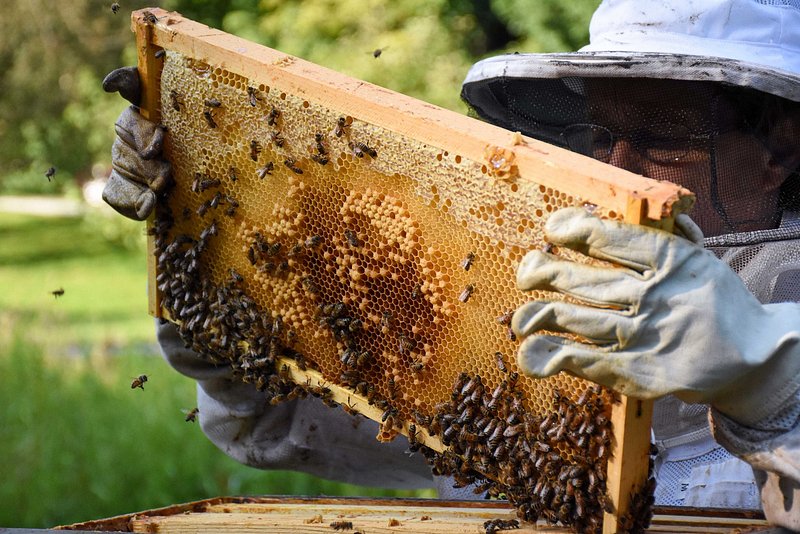
“Katy Ehmann harvests honey her | Free …” from www.rawpixel.com
Urban beekeeping is more than just a hobby; it’s a vital practice that contributes to the health of our environment. Bees play a crucial role in pollinating plants, which is essential for food production and maintaining biodiversity. In urban areas, where green spaces can be limited, having beehives can significantly boost local flora and fauna.
Besides that, urban beekeeping helps counteract the decline in bee populations. Bees face numerous threats, including pesticides, habitat loss, and climate change. By keeping bees in cities, we can provide them with safe havens and contribute to their conservation.
Boosts pollination in city environments
Supports biodiversity
Helps counteract bee population decline
Most importantly, urban beekeeping fosters a sense of community and environmental stewardship. It encourages people to engage with nature and take responsibility for their local ecosystems.
Workshop Overview and What to Expect
The City Bees Workshop is designed to equip you with the knowledge and skills needed to start and maintain your own urban beehive. The workshop is structured to provide a blend of theoretical knowledge and practical experience. You’ll learn about bee biology, hive management, and the environmental benefits of beekeeping.
Expect to get hands-on experience with beekeeping equipment and techniques. You’ll have the opportunity to inspect hives, handle bees, and even harvest honey. The workshop is led by experienced beekeepers who will guide you through each step and answer any questions you may have.
Benefits of Urban Beekeeping
Environmental Impact
Urban beekeeping has a profound positive impact on the environment. Bees are essential pollinators, and their presence in urban areas can lead to increased pollination of plants in gardens, parks, and green roofs. This, in turn, supports local biodiversity and helps plants thrive.
Additionally, urban beekeeping can help mitigate some of the negative effects of urbanization, such as habitat loss and pollution. By creating bee-friendly spaces, we can make our cities greener and more sustainable.
Community Engagement and Support
Urban beekeeping fosters community engagement and support. When people come together to care for bees, they form stronger bonds and work towards a common goal. This sense of community can lead to increased awareness and action on environmental issues.
Moreover, urban beekeeping workshops often collaborate with local organizations, schools, and community gardens. These partnerships can provide additional resources and support for beekeepers, making it easier to get started and succeed. For more insights, check out this guide on urban apiary.
Personal Benefits and Skills
Becoming an urban beekeeper offers numerous personal benefits. It’s a rewarding and educational experience that can teach you valuable skills. You’ll learn about bee biology, hive management, and honey production. These skills can be applied to other areas of your life, such as gardening and sustainable living.
Moreover, beekeeping can be a therapeutic and stress-relieving activity. Working with bees requires patience and mindfulness, which can help reduce stress and improve mental well-being.
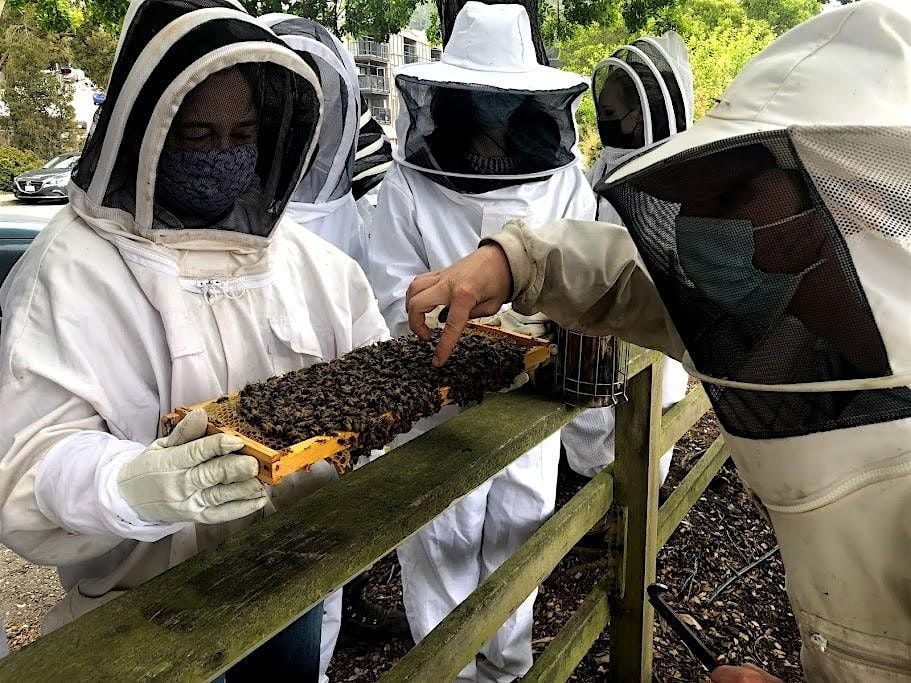
“Basics and Focus on Urban Beekeeping …” from allevents.in
Workshop Specifics
Hands-On Learning Opportunities
The workshops offer numerous hands-on learning opportunities. You’ll get to work directly with beehives and bees, gaining practical experience that you can’t get from books or videos. This hands-on approach ensures that you feel confident and prepared to start your own hive. Learn more about urban beekeeping and how it can be implemented in city environments.
Expert Guidance and Support
Throughout a workshop, you’ll receive expert guidance and support from experienced beekeepers. These professionals have years of experience and can provide invaluable insights and tips. They’ll be available to answer any questions you have and offer advice tailored to your specific situation. For more information, you can check out mason bee myths debunked by experts.
Workshop Activities
The workshop is packed with activities designed to give you a comprehensive understanding of urban beekeeping. Here’s a glimpse of what you can expect, including how to navigate hive law for city beekeepers:
Bee Biology: Learn about the anatomy and behavior of bees.
Hive Inspection: Practice inspecting hives and identifying signs of a healthy colony.
Honey Harvesting: Experience the process of extracting honey from the hive.
Hive Maintenance: Learn how to maintain and care for your hive throughout the year.
Getting Started with Urban Beekeeping
Starting your journey as an urban beekeeper requires some basic equipment and knowledge. Let’s break down the essentials you’ll need to get started. For more information, you can read about a USDA grant supporting urban beekeepers.
Essential Equipment and Supplies
To begin urban beekeeping, you’ll need the following equipment:
Beehive: A standard Langstroth hive is a popular choice for beginners.
Protective Gear: A bee suit, gloves, and a veil to protect yourself from stings.
Smoker: Used to calm the bees during hive inspections.
Hive Tool: Essential for prying apart hive components and scraping away propolis.
Bee Brush: Gently removes bees from frames during inspections.
Most of these items can be purchased online or from local beekeeping supply stores. It’s important to invest in high-quality equipment to ensure the safety and success of your beekeeping endeavors.
Locating and Setting Up Your Hive
Choosing the right location for your hive is crucial for the health and productivity of your bees. Here are some tips for selecting the best spot: turning your urban apiary into profit.
Sunlight: Place your hive in a location that receives morning sunlight to help bees warm up and become active early in the day.
Wind Protection: Ensure your hive is sheltered from strong winds, which can disturb the bees and make it difficult for them to regulate he hive’s temperature.
Water Source: Bees need access to water for hydration and cooling the hive. Make sure there’s a nearby water source or provide one yourself.
Accessibility: Choose a location that’s easy for you to access for regular hive inspections and maintenance.
Once you’ve chosen the perfect spot, set up your hive on a sturdy, level surface. Make sure the entrance is facing away from high-traffic areas to minimize disturbances to the bees.
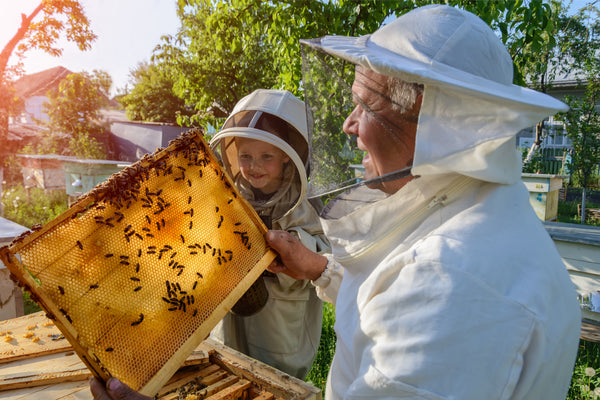
“Urban Beekeeping Class: Preparing For …” from beewild.buzz
Bee Colony Maintenance
Maintaining a healthy bee colony requires regular inspections and care. Here are some key tasks you’ll need to perform:
Hive Inspections: Conduct regular inspections to check for signs of disease, pests, and overall hive health. Look for healthy brood patterns, adequate food stores, and the presence of the queen.
Feeding: During times of low nectar flow, you may need to supplement your bees’ diet with sugar syrup or pollen substitutes.
Pest Control: Monitor for common pests like varroa mites and take appropriate measures to control their population.
Swarm Management: Be prepared to manage swarming behavior by providing adequate space and performing swarm prevention techniques.
By staying proactive and attentive to your bees’ needs, you can ensure a thriving and productive hive.
Tips for Successful Urban Beekeeping
Hive Management and Care
Effective hive management is essential for the success of your urban beekeeping efforts. Here are some tips to help you manage and care for your hive:
Regular Inspections: Inspect your hive every 7-10 days during the active season to monitor for signs of disease, pests, and overall hive health.
Queen Management: Ensure your queen is healthy and laying eggs consistently. Replace her if she becomes unproductive or shows signs of disease.
Super Management: Add additional supers as needed to provide space for honey storage and brood rearing.
Pest and Disease Control
Pests and diseases can pose significant threats to your bee colony. Here are some strategies for keeping your hive healthy:
Varroa Mite Control: Regularly monitor and treat for varroa mites using methods such as powdered sugar dusting, mite-resistant bees, or chemical treatments.
Nosema Prevention: Maintain good hive hygiene and provide supplemental feeding if necessary to prevent nosema infections.
Chalkbrood Management: Ensure proper ventilation and reduce moisture levels in the hive to prevent chalkbrood outbreaks.
By staying vigilant and proactive, you can minimize the impact of pests and diseases on your bee colony.
Maximizing Honey Production
One of the most rewarding aspects of beekeeping is harvesting your own honey. Here are some tips for maximizing honey production:
Provide Adequate Space: Ensure your bees have enough space to store honey by adding supers as needed.
Monitor Nectar Flow: Be aware of local nectar flow patterns and adjust your hive management practices accordingly.
Harvest at the Right Time: Harvest honey when the frames are fully capped to ensure the honey is properly ripened and has a low moisture content.
By following these tips, you can enjoy a bountiful honey harvest and support the health and productivity of your bee colony.
Joining the Urban Beekeeping Community
Being part of the urban beekeeping community can provide you with valuable resources, support, and networking opportunities. Here are some ways to get involved:
Local Beekeeping Organizations
Joining a local beekeeping organization can provide you with access to experienced beekeepers, educational resources, and community events. These organizations often host workshops, meetings, and social gatherings where you can learn and connect with fellow beekeepers.
Online Resources and Forums
There are numerous online resources and forums dedicated to beekeeping. These platforms can provide you with valuable information, advice, and support from beekeepers around the world. Some popular online resources include:
Networking Opportunities
Networking with other beekeepers can provide you with valuable insights, advice, and support. Attend local beekeeping events, workshops, and conferences to meet fellow beekeepers and share your experiences. Building a network of beekeeping friends can help you stay motivated and inspired on your beekeeping journey.
Frequently Asked Questions (FAQ)
What is urban beekeeping?
Urban beekeeping is the practice of keeping bees in urban environments, such as cities and towns. It involves maintaining beehives on rooftops, balconies, gardens, and other urban spaces to support local ecosystems and produce honey. For example, a USDA grant was recently awarded to support the next generation of urban beekeepers.
How do I start keeping bees in the city?
To start keeping bees in the city, you’ll need to research local regulations, acquire the necessary equipment, and attend a beekeeping workshop or course to learn the basics. Joining a local beekeeping organization can also provide you with valuable support and resources.
What are the benefits of urban beekeeping?
Urban beekeeping offers numerous benefits, including increased pollination of local plants, support for bee populations, and the production of fresh, local honey. It also fosters community engagement and promotes environmental awareness.
How much does it cost to get started?
The initial cost of starting urban beekeeping can vary, but it typically includes the following expenses: equipment, bees, and hive setup. For those looking to turn their urban apiary into a profitable venture, check out this guide on beehouse tips.
Beehive: $150-$300
Protective Gear: $50-$150
Smoker: $20-$40
Hive Tool: $10-$20
Bee Brush: $5-$10
Bees: $100-$150
Overall, you can expect to spend around $400-$700 to get started with urban beekeeping.
What are the best practices for maintaining a healthy hive?
Maintaining a healthy hive involves regular inspections, proper feeding, pest and disease control, and effective hive management. Stay proactive and attentive to your bees’ needs to ensure a thriving and productive colony.
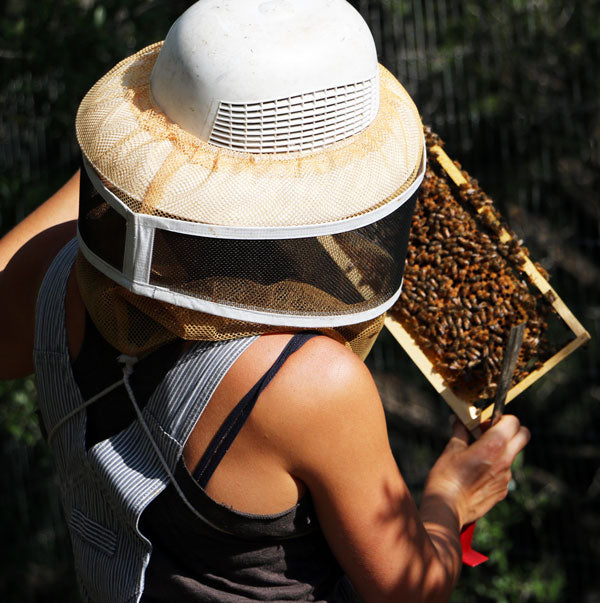
“Getting Started with Urban Beekeeping …” from epicprovisions.com
Joining the Urban Beekeeping Community
Being part of the urban beekeeping community can provide you with valuable resources, support, and networking opportunities. Here are some ways to get involved: start by learning about beginner beekeeping guides and the benefits of keeping solitary bees.
Engaging with a community of fellow beekeepers can enhance your beekeeping experience. It provides a platform to share knowledge, seek advice, and celebrate successes together.
Local Beekeeping Organizations
Joining a local beekeeping organization can provide you with access to experienced beekeepers, educational resources, and community events. These organizations often host workshops, meetings, and social gatherings where you can learn and connect with fellow beekeepers. For example, some groups may offer insights into urban beekeeping solutions that are ideal for city environments.
Local organizations can be an invaluable resource for beginners and seasoned beekeepers alike. They often offer mentorship programs, where experienced beekeepers guide newcomers through their first year of beekeeping.
Additionally, these groups may organize group purchases of beekeeping supplies, which can save you money and ensure you get high-quality equipment.
By following these practices, you can create a healthy and productive environment for your bees, ensuring their well-being and the success of your urban beekeeping endeavors.




Leave a Reply