
Key Takeaways
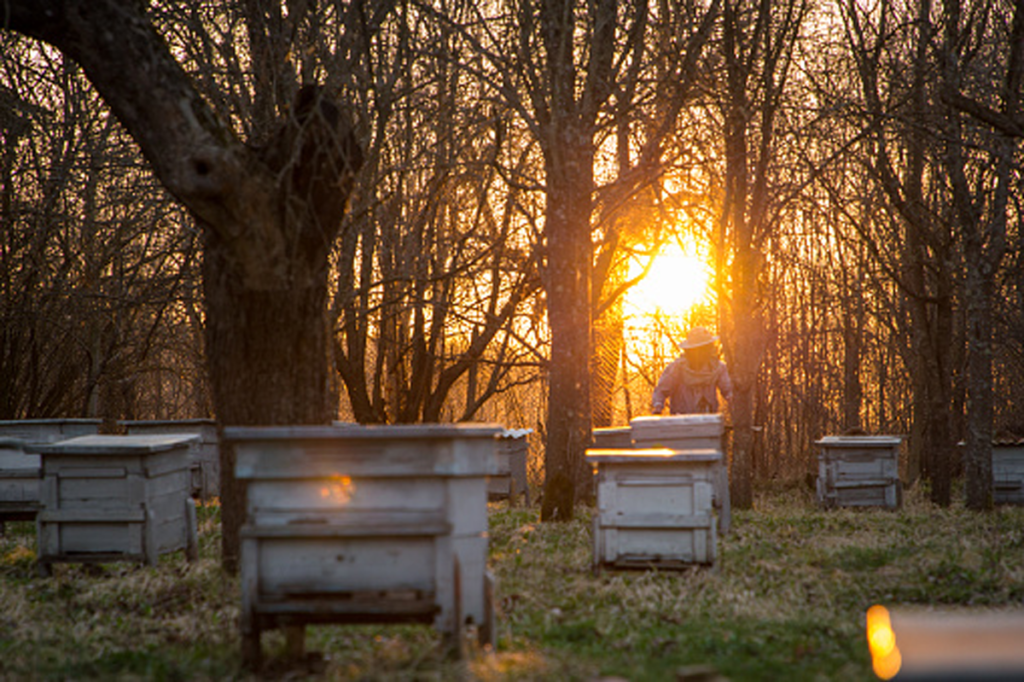
Place your bee house where it gets full morning sun and some afternoon shade.
Avoid areas with heavy pesticide use or pollution to protect your bees.
Ensure the bee house location has proper drainage to prevent waterlogging.
Position the bee house near a source of mud and within 100-200 yards of pollen sources.
Regularly monitor and maintain the bee house to ensure it remains a healthy habitat.
“Galena Farms” from galenafarms.com
Common Mistakes in Bee House Placement and How to Avoid Them
Introduction to Common Bee House Placement Mistakes
Placing a bee house might seem straightforward, but getting it wrong can lead to poor bee health and reduced pollination. By understanding common placement mistakes, you can create an environment where your bees thrive. Let’s dive into the most frequent errors and how to avoid them.
No Sunlight Exposure
Bees need sunlight to stay warm and active. Placing a bee house in a shaded area can lead to sluggish bees and reduced activity. Make sure your bee house gets full morning sun to help bees start their day right.
“Bee boxes should be installed in a location that will receive full morning sun.” – Virginia Cooperative Extension Expert
Besides that, afternoon shade can prevent overheating, especially in hotter climates. Find a balance between sunlight and shade for optimal bee health.
Improper Drainage
Waterlogged areas can be detrimental to bee houses. Poor drainage leads to moisture buildup, which can foster mold and diseases. Ensure your bee house is in a well-drained location to keep it dry and safe.
Consider elevating the bee house slightly or placing it on a slope to enhance drainage. Avoid areas prone to flooding or standing water.
Proximity to Pesticides and Pollution
Bees are highly sensitive to chemicals. Placing a bee house near areas with heavy pesticide use or pollution can harm or even kill your bees. Choose a location far from agricultural fields, industrial zones, and other sources of pollution.
For example, placing a bee house in a pesticide-free garden or a natural area can significantly improve bee health and productivity.
Impact of Placement on Bee House Success
Bee Health and Reproduction
The placement of your bee house directly affects the health and reproduction of your bees. Bees need a safe, warm, and dry environment to thrive. Proper placement can lead to healthier bees and increased reproduction rates.
Moreover, a well-placed bee house can reduce stress on the bees, making them more productive and efficient pollinators.
Attracting Pollinators
A strategically placed bee house can attract more pollinators to your garden. By positioning the bee house near pollen sources and ensuring it gets adequate sunlight, you create an inviting habitat for bees.
Best Practices for Ideal Bee House Placement
Finding the perfect spot for your bee house is crucial for the well-being of your bees. By following best practices, you can ensure your bee house provides a safe and productive environment for these essential pollinators. Let’s explore the steps you need to take to select the ideal location.
Selecting the Right Spot
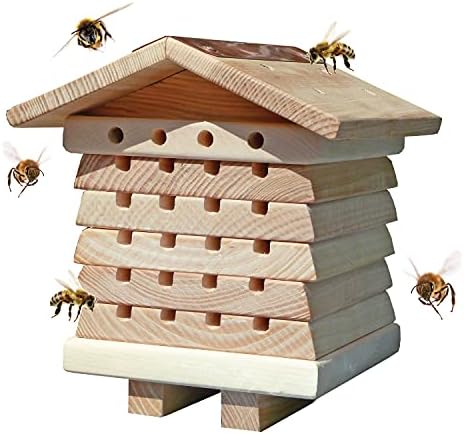
Choosing the right spot for your bee house involves considering several factors, such as sunlight, proximity to pollen sources, and shelter from the elements. Here are some tips to help you find the perfect location: make sure to place it near urban bee forage areas for optimal results.
Ensure the bee house gets full morning sun to keep bees warm and active.
Provide some afternoon shade to prevent overheating during hot weather.
Place the bee house near a variety of pollen sources, such as flowers, trees, and shrubs.
Position the bee house within 50 yards of a source of mud, which some bees use to construct their nests.
By following these guidelines, you’ll create a welcoming environment for your bees to thrive. For more tips on city beekeeping challenges, visit our blog.
Ensuring Proper Drainage
Proper drainage is essential to prevent moisture buildup and protect your bees from mold and diseases. Here are some steps to ensure your bee house has adequate drainage:
Choose a location with well-drained soil to avoid waterlogging.
Elevate the bee house slightly or place it on a slope to enhance drainage.
Avoid areas prone to flooding or standing water.
These measures will help keep your bee house dry and safe, promoting a healthy environment for your bees.
Choosing Pesticide-Free Zones
Bees are highly sensitive to chemicals, so it’s crucial to place your bee house in a pesticide-free zone. Here are some tips to help you choose a safe location: consider exploring the best seed mix for urban bee forage to ensure a healthy environment.
Avoid placing the bee house near agricultural fields or areas with heavy pesticide use.
Choose a location away from industrial zones and other sources of pollution.
Opt for a natural area or a pesticide-free garden to improve bee health and productivity.
By selecting a pesticide-free zone, you’ll protect your bees from harmful chemicals and create a safer environment for them to thrive.
“I recommend against the types of bee houses made by drilling holes in a block of wood. It’s just too labor-intensive to drill a 6-inch hole, and you’re not really making an ideal nest for the bees.” – Virginia Cooperative Extension Expert
Maintaining Bee Houses After Placement
Once you’ve placed your bee house in the ideal location, it’s essential to maintain it regularly to ensure it remains a healthy habitat for your bees. Here are some tips for maintaining your bee house after placement.
Regular Monitoring
“Beehive Inspection …” from www.perfectbee.com
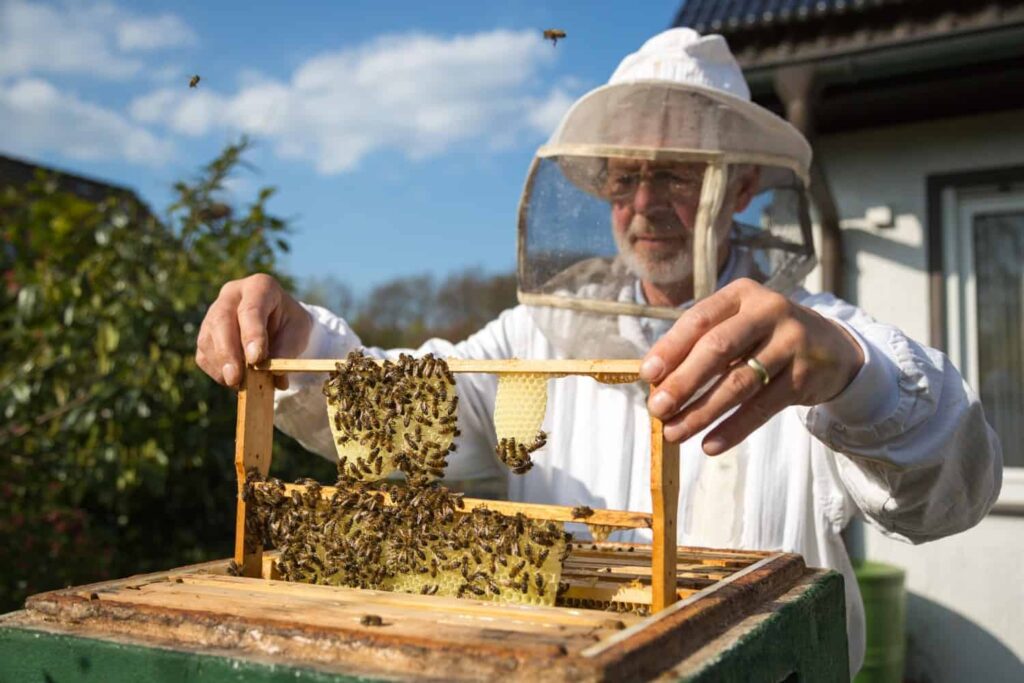
Regular monitoring is crucial to ensure your bee house stays in good condition and your bees remain healthy. Here are some steps to help you monitor your bee house effectively: Learn more about urban bee box myths and their role in beekeeping.
Check the bee house regularly for signs of damage or wear.
Inspect the bee house for mold, pests, or other issues that could harm your bees.
Ensure the bee house remains in a well-drained location and adjust if necessary.
By keeping a close eye on your bee house, you can address any issues promptly and maintain a healthy environment for your bees.
Cleaning and Maintenance
Cleaning and maintaining your bee house is essential to prevent the buildup of harmful substances and ensure a safe habitat for your bees. Here are some tips for cleaning and maintaining your bee house: Regularly inspect your bee house to ensure it remains pesticide-free and free from other harmful chemicals.
Clean the bee house regularly to remove debris and prevent mold growth.
Replace damaged or worn parts of the bee house to maintain its structural integrity.
Use non-toxic cleaning solutions to avoid harming your bees.
Regular cleaning and maintenance will help keep your bee house in top condition and provide a safe environment for your bees.
Seasonal Adjustments
Making seasonal adjustments to your bee house can help ensure it remains a suitable habitat for your bees throughout the year. Here are some tips for making seasonal adjustments:
Move the bee house to a sheltered location during the winter to protect it from harsh weather conditions.
Ensure the bee house gets adequate sunlight during the colder months to keep bees warm and active.
Adjust the bee house’s position as needed to maintain proper drainage and avoid waterlogging.
By making these seasonal adjustments, you can ensure your bee house remains a safe and suitable habitat for your bees year-round. For more tips on urban beekeeping, check out city beekeeping challenges.
Fostering a Bee-Friendly Environment
Creating a bee-friendly environment around your bee house is essential to support the health and productivity of your bees. Here are some tips to help you foster a bee-friendly environment:
Planting a variety of bee-friendly flowers, trees, and shrubs around your bee house can provide bees with a diverse range of pollen sources. This will help ensure they have access to the nutrients they need to stay healthy and productive.
Providing water sources, such as shallow dishes filled with water and pebbles, can help bees stay hydrated and support their overall health. Make sure to place these water sources near the bee house for easy access. For more tips on urban beekeeping, check out city beekeeping challenges and hive heat solutions.
Conclusion and Final Advice for Bee House Placement
Placing your bee house correctly is crucial for the health and productivity of your bees. By avoiding common placement mistakes and following best practices, you can create a thriving environment for these essential pollinators. Remember, the right placement not only benefits the bees but also enhances your garden’s overall health.
Take the time to regularly monitor and maintain your bee house, make seasonal adjustments, and foster a bee-friendly environment. These efforts will go a long way in ensuring your bees are happy and productive.
With the right approach, you can enjoy the benefits of a well-placed bee house, from increased pollination to a healthier garden. Happy beekeeping!
Summarizing Key Placement Tips
Here are the key tips to keep in mind when placing your bee house: For detailed guidance, check out these entomologists’ tips on installing and maintaining native bee houses.
Ensure full morning sun and some afternoon shade.
Choose a well-drained location to prevent waterlogging.
Avoid areas with heavy pesticide use or pollution.
Place the bee house near pollen sources and a source of mud.
Regularly monitor, clean, and maintain the bee house.
Encouraging Sustainable Practices
Incorporating sustainable practices in your beekeeping can make a significant difference. Here are some ways to promote sustainability:
Use organic gardening methods to reduce pesticide exposure.
Plant a variety of native plants to support local bee populations.
Provide natural water sources to help bees stay hydrated.
Educate others about the importance of bees and how to support them.
Frequently Asked Questions (FAQ)
Here are some common questions about bee house placement and their answers to help you get started:
Why is sunlight important for bee houses?
Sunlight is crucial for bee houses because it helps keep the bees warm and active. Full morning sun ensures that bees can start their day early, gather nectar, and pollinate efficiently. Afternoon shade helps prevent overheating, especially in hotter climates. For more tips on urban beekeeping, check out this guide on rooftop beekeeping.
How can I improve drainage near my bee house?
Improving drainage near your bee house involves choosing a well-drained location, elevating the bee house slightly, or placing it on a slope. Avoid areas prone to flooding or standing water. You can also use gravel or sand to enhance drainage around the bee house.
With these tips and best practices, you’re well on your way to creating a thriving environment for your bees. Remember, the key to successful beekeeping lies in the details, so pay attention to your bee house placement and maintenance to ensure your bees are happy and healthy.
Thank you for taking the time to learn about bee house placement. Your efforts will make a significant impact on bee health and the environment. Happy beekeeping!




Leave a Reply