
Key Takeaways
Leafcutter bees are excellent pollinators for various flowers, fruits, and vegetables.
They are solitary bees and do not sting unless provoked, making them safe for gardens.
Creating a bee house with the right materials and location can attract these beneficial insects.
Planting specific types of flowers can help draw leafcutter bees to your garden.
Regular maintenance and monitoring of your bee house ensure a thriving bee population.

“Why You Should Attract Leafcutter Bees …” from www.thespruce.com
Importance of Attracting Leafcutter Bees
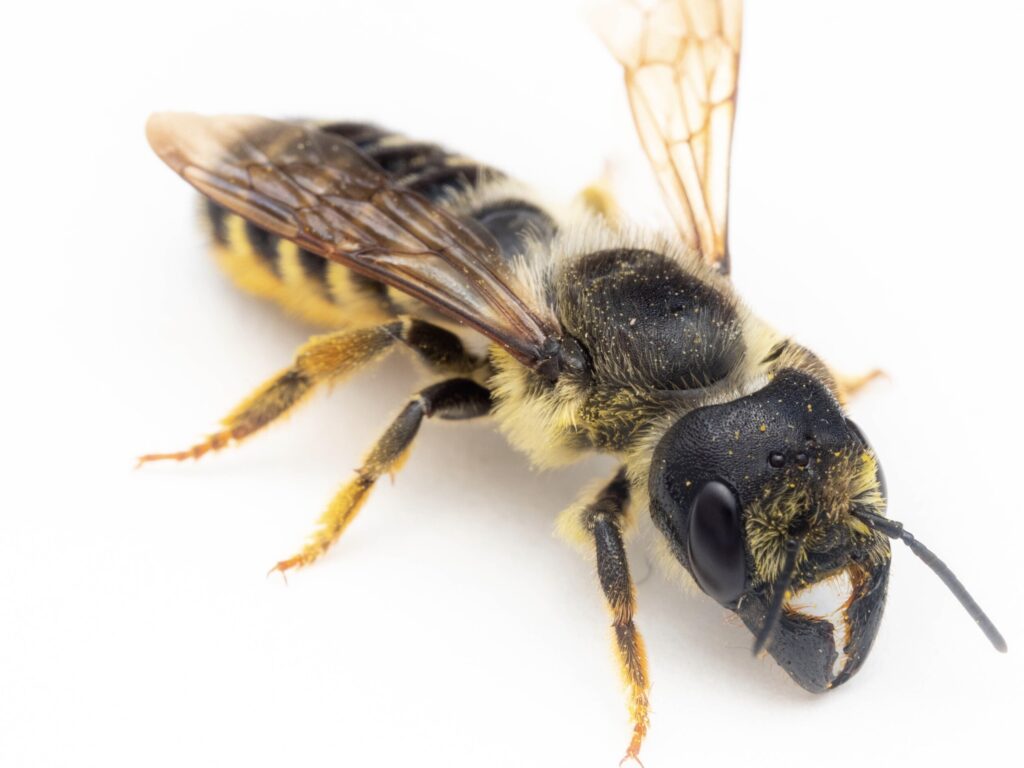
Leafcutter bees are a valuable addition to any garden. These small, industrious insects play a crucial role in pollination, which is essential for the growth of many plants, fruits, and vegetables. Unlike honeybees, leafcutter bees are solitary and do not live in colonies. This means they are less aggressive and pose little risk of stinging, making them perfect for gardens, especially those frequented by children.
These bees get their name from their habit of cutting small, circular pieces from leaves, which they use to construct their nests. While this may sound damaging, the impact on plants is minimal, and the benefits of having these pollinators far outweigh the small cosmetic damage to leaves.
“Leafcutter bees are one of the most important pollinators of wildflowers, as well as of squash, melons, peas, and other summer fruits and vegetables.”
Main Benefits to Your Garden
Attracting leafcutter bees to your garden comes with several advantages. First and foremost, these bees are prolific pollinators. They help in the fertilization of flowers, leading to a higher yield of fruits and vegetables. This is particularly beneficial for home gardeners looking to maximize their harvest.
Another benefit is the biodiversity that leafcutter bees bring to your garden. A diverse ecosystem is more resilient to pests and diseases. By attracting these bees, you contribute to a healthier, more balanced environment. For more tips on urban beekeeping, check out our guide on high-rise rooftop beekeeping.
Role in Pollination
Leafcutter bees are especially efficient at pollination due to their unique foraging behavior. They collect pollen on their abdomen, rather than their legs, which allows them to transfer pollen more effectively between flowers. This results in better fruit set and higher-quality produce. Learn more about protecting city bees and plants in urban gardens.
Besides that, leafcutter bees are active during the warmer months when many other pollinators might not be as active. Therefore, they fill a crucial gap in the pollination calendar, ensuring continuous pollination throughout the growing season. For more information on how to support these bees, visit making a home for leafcutter bees.
Creating an Ideal Bee House
One of the best ways to attract leafcutter bees to your garden is by providing them with a suitable nesting site. This can be achieved by creating a bee house, which mimics the natural cavities these bees prefer.
Selecting the Right Materials
When building a bee house, the choice of materials is crucial. Leafcutter bees prefer nesting in small, tubular cavities. Therefore, using materials like bamboo canes, hollow plant stems, or drilled wooden blocks can provide the perfect nesting sites. For more information on creating suitable habitats, visit the Bumblebee Conservation Trust.
Make sure the cavities are smooth and free of splinters, as rough surfaces can deter bees from using them. The diameter of the cavities should be about the size of a pencil, and the depth should be around 4-6 inches. For more information on creating an ideal habitat, visit the Bumblebee Conservation Trust.
“Building a leafcutter bee hotel from cut and bundled bamboo canes and watching the bees build their nests is a fun project to do with children.”
“Pugnacious Leafcutter Bee …” from www.beeandbloom.com
Proper Location for the Bee House
Location is just as important as the materials used. Place the bee house in a sunny spot, as leafcutter bees prefer warmth. Ensure it is sheltered from strong winds and heavy rain to protect the bees and their nests.
Mount the bee house about 3-5 feet off the ground, ideally facing southeast to catch the morning sun. This will help warm the bees early in the day, making them more active and efficient pollinators.
Building Instructions
Building a bee house is a straightforward project that requires only a few materials and some basic tools. Here’s a simple guide to get you started:
Gather materials: bamboo canes, wooden blocks, or hollow plant stems.
Cut the materials into lengths of about 4-6 inches.
Ensure the ends of the tubes are smooth and free of splinters.
Bundle the tubes together and secure them with string or place them in a wooden frame.
Mount the bee house in the chosen location.
Once the bee house is assembled and placed, it’s only a matter of time before leafcutter bees discover and start using it.
Choosing Plants That Attract Leafcutter Bees
To attract leafcutter bees, it’s essential to plant the right types of flowers. These bees are particularly drawn to certain plants that provide ample nectar and pollen.
Types of Plants to Use
Leafcutter bees are generalists, meaning they visit a wide variety of flowers. However, they have preferences for certain plants. Some of the best plants to attract leafcutter bees include:
Lavender
Sunflowers
Cosmos
Zinnias
Marigolds
These plants not only provide the necessary resources for leafcutter bees but also add beauty and diversity to your garden.
Planting Tips and Layout
“How to Start a Flower Garden” from www.marthastewart.com
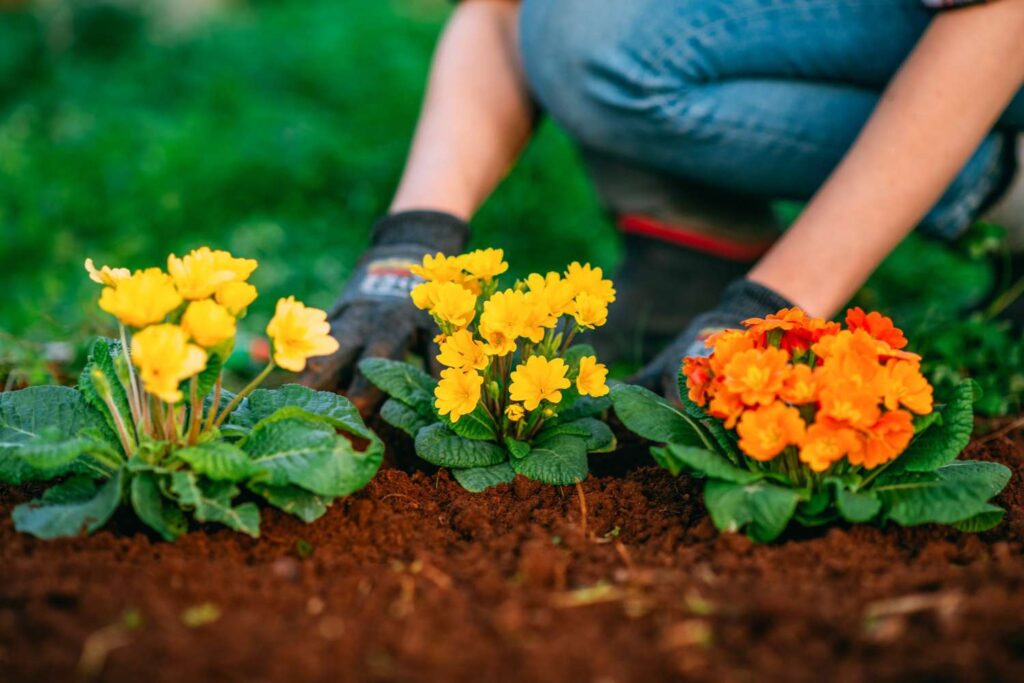
When planting for leafcutter bees, consider the layout of your garden. Group similar plants together to create a more substantial visual and olfactory signal for the bees. This makes it easier for them to locate the flowers.
Additionally, ensure that there is a continuous supply of blooming plants throughout the growing season. Planting a mix of early, mid, and late-season flowers will provide a steady source of nectar and pollen for the bees.
Maintaining and Monitoring Your Bee House
Once your bee house is set up and your garden is planted, it’s essential to maintain and monitor the bee house to ensure it remains a suitable habitat for the leafcutter bees.
Regular maintenance tasks will help keep the bee house in good condition and encourage the bees to stay and thrive. For more information on sustainable practices, check out this guide on eco wood treatment for urban hives.
“If you want to protect a prize plant in your garden from leafcutter bees, try a floating row cover, cheesecloth, or dense netting until the bees have finished building their nests.”
Regular Maintenance Tasks
To keep your bee house in top condition, follow these maintenance tasks:
Check for signs of wear and tear, such as splintered tubes or damaged frames.
Clean the bee house at the end of each season to remove debris and prevent disease.
Replace any damaged or worn-out tubes to provide fresh nesting sites for the bees.
Inspect the bee house regularly for signs of pests or parasites, such as wasps or mites.
Signs of Bee Activity
Monitoring your bee house will help you gauge its success and ensure the bees are thriving. Look for these signs of bee activity:
Bees entering and exiting the tubes regularly.
Sealed tube entrances, indicating that bees have nested inside.
Leaf pieces scattered around the bee house, showing that leafcutter bees are actively cutting leaves for their nests.
By keeping an eye on these signs, you can ensure that your bee house remains a bustling hub of pollination activity.
Benefits of Providing a Home for Leafcutter Bees
Creating a habitat for leafcutter bees in your garden offers numerous benefits. These bees are not only excellent pollinators but also fascinating creatures to observe. By providing a home for them, you contribute to the health and diversity of your local ecosystem.
Enhanced Pollination
One of the most significant benefits of attracting leafcutter bees is the enhanced pollination they provide. These bees are highly efficient pollinators, transferring pollen from flower to flower as they forage. This results in better fruit set and higher yields for your garden crops. Leafcutter bees are particularly beneficial for pollinating summer fruits and vegetables like squash, melons, and peas.
Observational Learning and Entertainment
Besides their pollination benefits, leafcutter bees offer a unique opportunity for observational learning. Watching these bees go about their daily activities, such as cutting leaves and building nests, can be both educational and entertaining. This makes them an excellent addition to gardens frequented by children, providing a hands-on learning experience about the natural world.
Moreover, observing leafcutter bees can be a relaxing and enjoyable pastime for adults. Their gentle nature and fascinating behaviors make them a delightful presence in any garden. For those interested in urban beekeeping, consider joining an urban beekeeping community to share experiences and tips.
Frequently Asked Questions (FAQ)
Here are some common questions about leafcutter bees and their behavior:
Do Leafcutter Bees Sting?
Leafcutter bees are generally non-aggressive and do not sting unless provoked. Unlike honeybees, they do not have a colony to defend, making them less likely to sting. Their stingers are also less barbed, resulting in a less painful sting if it does occur.
How Long Do Leafcutter Bees Live?
Leafcutter bees have a relatively short lifespan. Adult males typically live for a few weeks after emerging in the spring, while females live slightly longer, up to two months, as they build nests and lay eggs. The larvae remain dormant through the winter and emerge as adults in the spring.
Will They Damage My Plants?
While leafcutter bees do cut small pieces from leaves to build their nests, the damage they cause is minimal and primarily cosmetic. The benefits they provide through pollination far outweigh the minor leaf damage. If you have a prized plant you want to protect, you can use a floating row cover, cheesecloth, or dense netting until the bees have finished building their nests. For more information on making a home for these beneficial insects, visit the Bumblebee Conservation Trust.
In conclusion, attracting leafcutter bees to your garden is a rewarding endeavor that benefits both your plants and the local ecosystem. By providing a suitable bee house and planting the right flowers, you can create a welcoming environment for these important pollinators. Regular maintenance and monitoring will ensure your bee house remains a thriving habitat, contributing to the health and productivity of your garden.



Leave a Reply