
Key Takeaways
Supporting bee populations is crucial for pollination and biodiversity.
Bamboo bee houses provide a safe habitat for solitary bees.
Urban areas benefit significantly from the installation of bee houses.
Top bamboo bee houses include the Mason Bee House and EGREE Mason Bee Houses.
Proper placement and maintenance of bee houses enhance their effectiveness.
Best Bamboo Bee Houses, Urban Bee House Examples & Reviews
Importance of Supporting Bee Populations
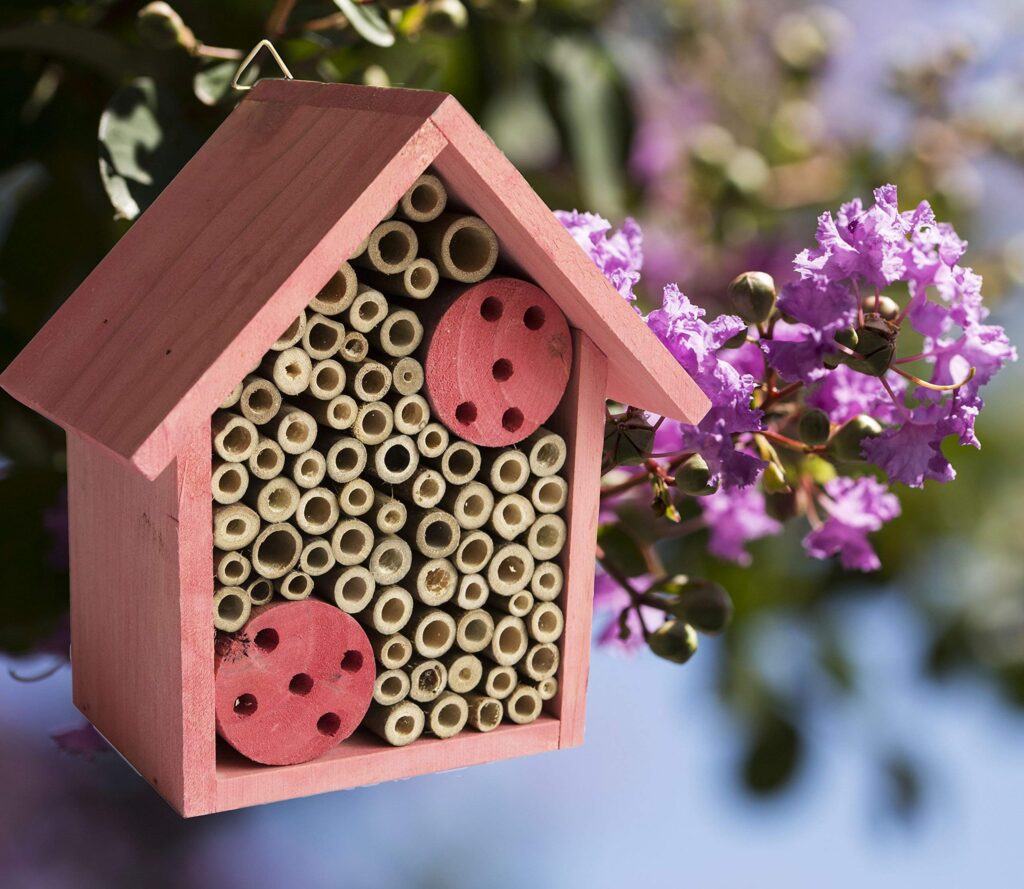
“Bamboo Tube Bee Hotel for Solitary Bees …” from www.amazon.com
Bees play a vital role in our ecosystem. They are key pollinators for many of the fruits, vegetables, and nuts we consume daily. Without bees, the availability and diversity of fresh produce would decline substantially. Besides that, bees help maintain the health of our environment by pollinating wild plants.
However, bee populations are declining due to habitat loss, pesticides, and climate change. By supporting bees, we not only help ensure our food supply but also promote biodiversity and healthy ecosystems. One effective way to support bees is by providing them with safe habitats, such as bamboo bee houses.
Overview of Bamboo Bee Houses
Bamboo bee houses are specially designed shelters that provide a nesting site for solitary bees. Unlike honeybees, solitary bees do not live in colonies. Instead, each female bee is responsible for creating her own nest. Bamboo bee houses offer a series of tubes or cavities where these bees can lay their eggs.
These houses are made from natural materials, making them an eco-friendly option. Bamboo is particularly suitable because it is durable, sustainable, and provides the perfect nesting diameter for many solitary bee species. Therefore, bamboo bee houses are an excellent choice for gardeners looking to support local bee populations.
The Need for Bee Houses in Urban Areas
Challenges Bees Face in Urban Environments
Urban areas present several challenges for bees. The lack of green spaces and flowering plants means fewer food sources. Additionally, urban development often leads to the destruction of natural habitats. Pesticides and pollution further exacerbate the problem, making it difficult for bees to thrive in cities.
“Mason Bee Houses and Supplies: Bamboo Tube Bee Hotel for Solitary Bees – Attract More Gentle Pollinating Bees to Your Garden by Providing Them with a Safe Bee Home Made from FSC Certified Wood.”
Despite these challenges, bees can still thrive in urban environments if given the proper support. This is where bamboo bee houses come into play. By providing a safe nesting site, we can help mitigate some of the challenges urban bees face.
Benefits of Installing Bee Houses in Cities
Installing bee houses in urban areas offers numerous benefits. Firstly, it helps increase the population of beneficial pollinators. This is particularly important for urban gardens and green spaces that rely on bees for pollination. Moreover, bee houses can enhance the biodiversity of urban areas by attracting various bee species.
Besides that, bee houses serve as an educational tool. They provide a unique opportunity for city dwellers, especially children, to learn about bees and their importance. This can foster a greater appreciation for nature and encourage more people to engage in sustainable gardening practices.
Top Bamboo Bee Houses for Your Garden
Mason Bee House Native Bee Hive Hexagon Bee House
The Mason Bee House Native Bee Hive Hexagon Bee House is a popular choice among gardeners. This bee house features a hexagon design and is made from natural, handmade wood. It includes bamboo tubes that provide a safe nesting site for solitary bees. The overlapping roof design helps protect the nests from wind and water damage.
This bee house is not only functional but also aesthetically pleasing, making it a great addition to any garden. It is easy to install and requires minimal maintenance, making it an excellent choice for both novice and experienced gardeners.
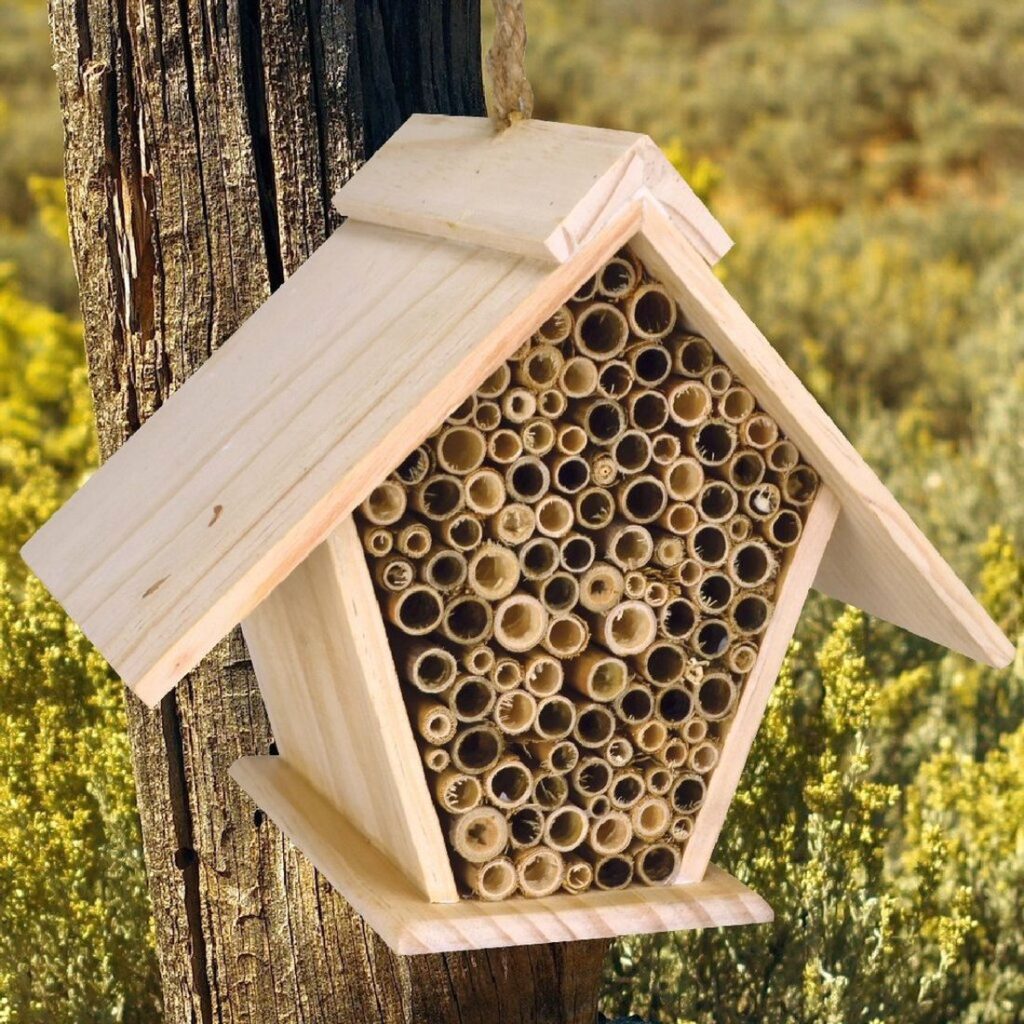
“A-Frame Mason Bee House” from www.bluebirdlanding.com
EGREE Mason Bee Houses Outdoor Wooden Blue Bee Hotel
The EGREE Mason Bee Houses Outdoor Wooden Blue Bee Hotel is another top pick. This bee house is handmade and features a charming blue design. It is made from durable wood and includes bamboo tubes for nesting. The medium size of this bee house makes it suitable for various garden sizes.
One of the standout features of this bee house is its versatility. It not only attracts bees but also provides a habitat for butterflies and ladybugs. This makes it a valuable addition to any garden looking to support multiple beneficial insects. For more information on how to create a bee-friendly environment, check out this guide on creating a bee-friendly landscape.
TOOBEETT Mason Bee House Wax Coated Mason Bee Hive
The TOOBEETT Mason Bee House is a wax-coated wooden bee hive designed to withstand the elements. This bee house is particularly durable, thanks to its wax coating which offers water resistance and extends the lifespan of the house. The design includes multiple compartments and bamboo tubes, providing ample space for solitary bees to nest.
What sets this bee house apart is its attention to bee safety. The smooth tubes prevent injuries to the bees’ wings, ensuring a safe environment for them to thrive. Additionally, the overlapping roof design offers extra protection from wind and rain, making it a reliable choice for any garden.
Features to Look for in a Bamboo Bee House
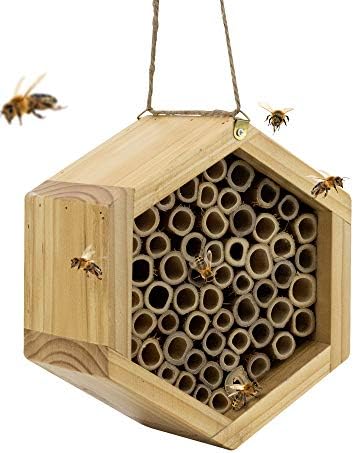
“KIBAGA Mason Bee House …” from www.amazon.com
When selecting a bamboo bee house, there are several features to consider to ensure you provide the best habitat for solitary bees. These features will help you choose a bee house that is not only effective but also sustainable and long-lasting. For example, you can check out this Mason Bee House for some ideas.
Material Quality and Sustainability
Natural Materials: Opt for bee houses made from natural, untreated wood and bamboo. These materials are eco-friendly and provide a safe environment for bees.
Durability: Look for bee houses that are treated or coated to withstand weather conditions. A wax coating, for example, can offer water resistance and prolong the life of the bee house.
Sustainability: Choose bee houses made from sustainably sourced materials, such as FSC-certified wood. This ensures that the materials are harvested responsibly.
Design and Functionality
The design of the bee house is crucial for its effectiveness. A well-designed bee house will attract more bees and provide a safer environment for them to nest.
Look for bee houses with:
Overlapping Roofs: These provide additional protection from wind and rain, keeping the nests dry and secure.
Multiple Compartments: This allows for more nesting sites and accommodates a variety of bee species.
Smooth Tubes: Ensure the tubes are smooth to prevent injuries to the bees’ wings.
Size and Tube Diameter
The size of the bee house and the diameter of the tubes are also important factors. Different bee species prefer different tube diameters, so having a variety of sizes can attract more bees.
Generally, tubes with diameters ranging from 4 to 10 mm are suitable for most solitary bees. Additionally, the bee house should be large enough to accommodate multiple tubes but not so large that it becomes difficult to manage or maintain. For more information on creating the ideal bee habitat, check out this Bee Gardener guide.
Setting Up Your Bamboo Bee House
Properly setting up your bamboo bee house is crucial for attracting bees and ensuring their safety. Here are some tips on how to set up your bee house effectively.
Ideal Placement in Your Garden
The placement of your bee house can significantly impact its effectiveness. Here are some tips for finding the ideal location:
Sunlight: Place the bee house in a sunny spot, ideally facing south or southeast. Bees prefer warm environments, and sunlight helps keep the nests dry.
Height: Mount the bee house at least 3-5 feet off the ground. This height protects the nests from predators and ground moisture.
Proximity to Flowers: Position the bee house near a variety of flowering plants. This provides bees with easy access to food sources.
Maintenance Tips
Maintaining your bee house is essential for its longevity and the health of the bees. Here are some maintenance tips to keep in mind:
Regular Cleaning: Clean the bee house at the end of each season to remove debris and parasites. Replace any damaged tubes.
Inspection: Regularly inspect the bee house for signs of mold, pests, or damage. Address any issues promptly to ensure a safe environment for the bees.
Replacement Tubes: Have replacement tubes on hand to swap out old or damaged ones as needed.
Seasonal Considerations
Different seasons require different considerations for your bee house. Here are some tips for each season:
For more detailed advice, you can refer to our wooden bee house maintenance checklist.
Spring: Ensure the bee house is clean and ready for nesting. This is the prime time for bees to start building their nests.
Summer: Monitor the bee house regularly for activity and potential issues. Provide additional water sources for the bees if necessary.
Fall: As the nesting season ends, clean the bee house and prepare it for winter. Remove any debris and replace damaged tubes.
Winter: Protect the bee house from extreme weather conditions. Consider moving it to a sheltered location or covering it with a protective layer.
Customer Reviews and Insights
Customer reviews can provide valuable insights into the effectiveness and quality of bamboo bee houses. Here are some common themes from customer feedback.
For comprehensive seasonal maintenance, check out these best seasonal maintenance tips for your bee house.
Positive Experiences
Many customers report positive experiences with their bamboo bee houses. Common highlights include:
Easy Installation: Customers appreciate how easy it is to set up and install their bee houses.
Increased Bee Activity: Many users notice an increase in bee activity in their gardens after installing a bee house.
Durability: The durability and weather resistance of bamboo bee houses are frequently praised.
Common Complaints and Issues
While most reviews are positive, some common complaints and issues include:
To address these issues, you can learn more about preventing pest infestations in bamboo bee houses.
Tube Diameter: Some customers find that the tube diameters are not suitable for all bee species.
Maintenance: A few users mention that maintaining the bee house can be time-consuming.
Predator Protection: Some customers report issues with predators, such as birds, accessing the nests.
Overall Customer Satisfaction
Overall, customer satisfaction with bamboo bee houses is high. Most users find that these bee houses are an effective way to support local bee populations and enhance their gardens. By addressing common issues and following best practices for setup and maintenance, you can maximize the benefits of your bamboo bee house. For more details, check out this bee house maintenance guide.
Conclusion: The Future of Urban Bee Conservation
Reflecting on the impact of bamboo bee houses, it’s clear that they play a significant role in supporting bee populations, especially in urban areas. By providing a safe habitat for solitary bees, we can help mitigate the challenges they face and promote biodiversity.
Encouraging community participation in bee conservation efforts is crucial. Simple actions, such as installing a bee house, can make a big difference. By educating others about the importance of bees and how to support them, we can foster a more sustainable and bee-friendly environment.
Frequently Asked Questions (FAQ)
Why are bees important for urban gardens?
Bees are essential for pollinating many of the plants in urban gardens. They help increase the yield of fruits, vegetables, and flowers, making gardens more productive and vibrant. Additionally, bees contribute to the overall health of the ecosystem by promoting biodiversity.




Leave a Reply