
Key Takeaways
Bamboo beehouses provide a natural and safe environment for mason bees, essential pollinators in our gardens.
Choosing the right size and length of bamboo tubes is crucial for attracting mason bees and ensuring their successful nesting.
Placement of the beehouse should be strategic, considering factors like sunlight, protection from the elements, and height.
Regular maintenance, including cleaning and replacing tubes, is necessary to keep the beehouse hospitable for bees.
Enhancing the surrounding garden with companion plants can create a thriving ecosystem for mason bees and other pollinators.
Welcome Busy Bees: Upgrading Your Garden with Bamboo Beehouse Tubes
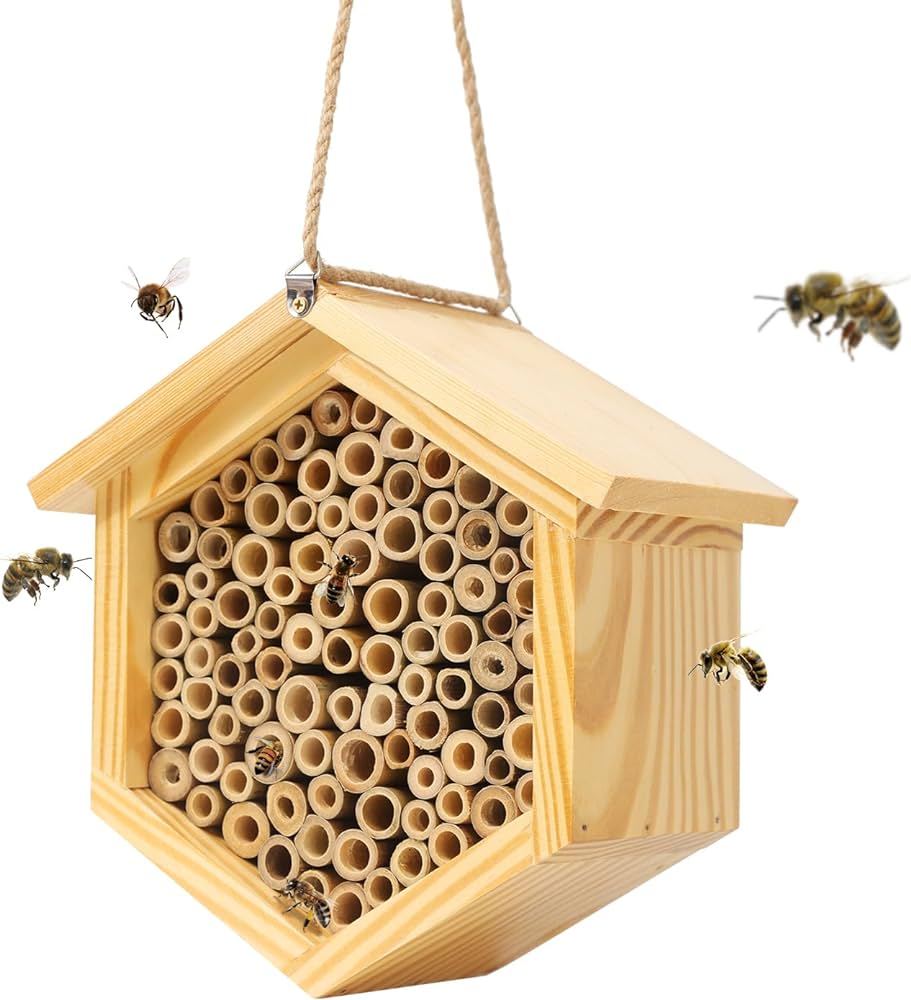
“Mason Bee House Native Bee Hive …”
Imagine your garden buzzing with the gentle hum of busy bees, each one a tireless worker contributing to the beauty and productivity of your blooms and crops. Mason bees, those peaceful pollinators, are a gardener’s best friend, and by creating a welcoming habitat with bamboo beehouse tubes, you’re not just beautifying your space—you’re contributing to the conservation of these vital insects.
Why Bamboo Tubes are Bee’s Knees
Bamboo, a naturally occurring material, is ideal for constructing beehouses. Its hollow structure provides the perfect space for solitary mason bees to lay their eggs. Unlike honeybees, mason bees don’t live in colonies; they prefer individual nesting tubes. This makes bamboo tubes an excellent choice for their nests. Not only do they mimic the bees’ natural nesting preferences, but bamboo is also sustainable and environmentally friendly.
Designing for the Bees: What Makes a Great Bamboo Beehouse
When designing a bamboo beehouse, there are a few key factors to keep in mind. First, the diameter of the tubes is critical. They should be just the right size to welcome mason bees but not so large that they attract unwanted pests. The length of the tubes is also important, as it determines how deep the bees can nest and how protected their larvae will be from predators.
Additionally, the orientation of the beehouse matters. It should face the morning sun, encouraging the bees to start their day early. The beehouse should also be shielded from harsh weather, ensuring a safe and dry environment for the bees to thrive in.
Getting to Know Your Mason Bees
Before we delve into the specifics of bamboo beehouse tubes, let’s get acquainted with mason bees. These non-aggressive bees are fantastic pollinators, often more efficient than honeybees. They carry pollen dry on their bellies, transferring it more effectively from flower to flower. Unlike honeybees, they don’t produce honey, but their contribution to your garden’s health and your crops’ yield is invaluable.
The Super-Pollinators of the Garden
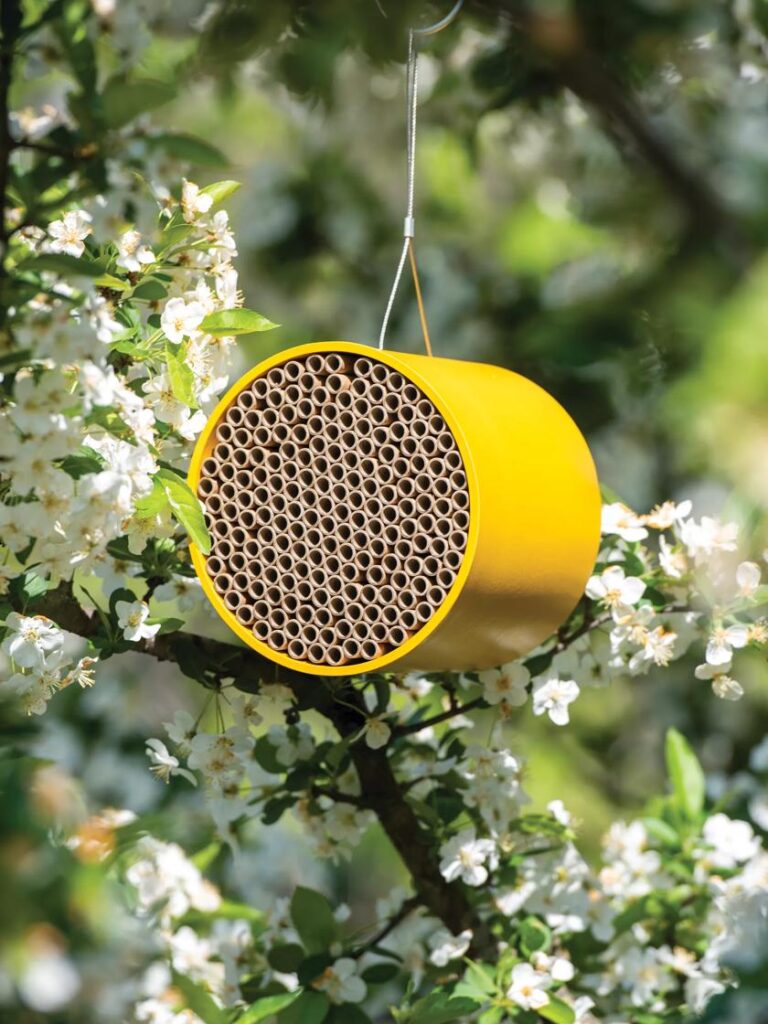
“Colorful Bamboo Bee House | Gardener’s …” from www.gardeners.com
Mason bees are known for their impressive pollinating abilities. A single mason bee can do the pollination work of over a hundred honeybees. This is because they practice “messy” pollination; they scatter pollen all over their bodies, spreading it far and wide as they forage. If you’re looking to boost your garden’s productivity, attracting mason bees is a smart move.
Understanding Mason Bee Habits and Needs
These solitary bees have simple needs: a safe place to nest and an abundance of flowering plants for food. Unlike other bees, mason bees don’t create wax to build their nests. Instead, they seek out pre-made holes where they can lay their eggs. That’s where your bamboo beehouse comes in. By providing the right conditions, you’ll not only attract these beneficial insects but also support their life cycle and help increase their population.
Setting Up Your Bamboo Beehouse
With a better understanding of mason bees under our belt, let’s dive into setting up their new home. A bamboo beehouse isn’t just a charming addition to your garden; it’s a beacon of safety for these pollinators. But it’s not as simple as just hanging it up anywhere—location and installation are key to making your bamboo beehouse a buzzing success.
Ideal Locations for Beehouse Placement
Location is everything. To ensure your beehouse is attractive to mason bees, you’ll want to place it where it can get plenty of morning sunlight. This warmth wakes the bees up and gets them started on their busy day. However, you’ll also want to provide some afternoon shade to protect them from the scorching midday sun. A spot that receives the morning sun but is shaded during the hottest part of the day is perfect.
Besides that, it’s important to shelter your beehouse from harsh weather. Position it under an eave or somewhere it won’t be battered by rain. Keeping the beehouse dry is crucial, as dampness is not a friend to bees—or their homes. Also, ensure the beehouse is securely mounted so it doesn’t sway in the wind, which can deter bees from nesting.
Mounting Tips for Maximum Bee Attraction
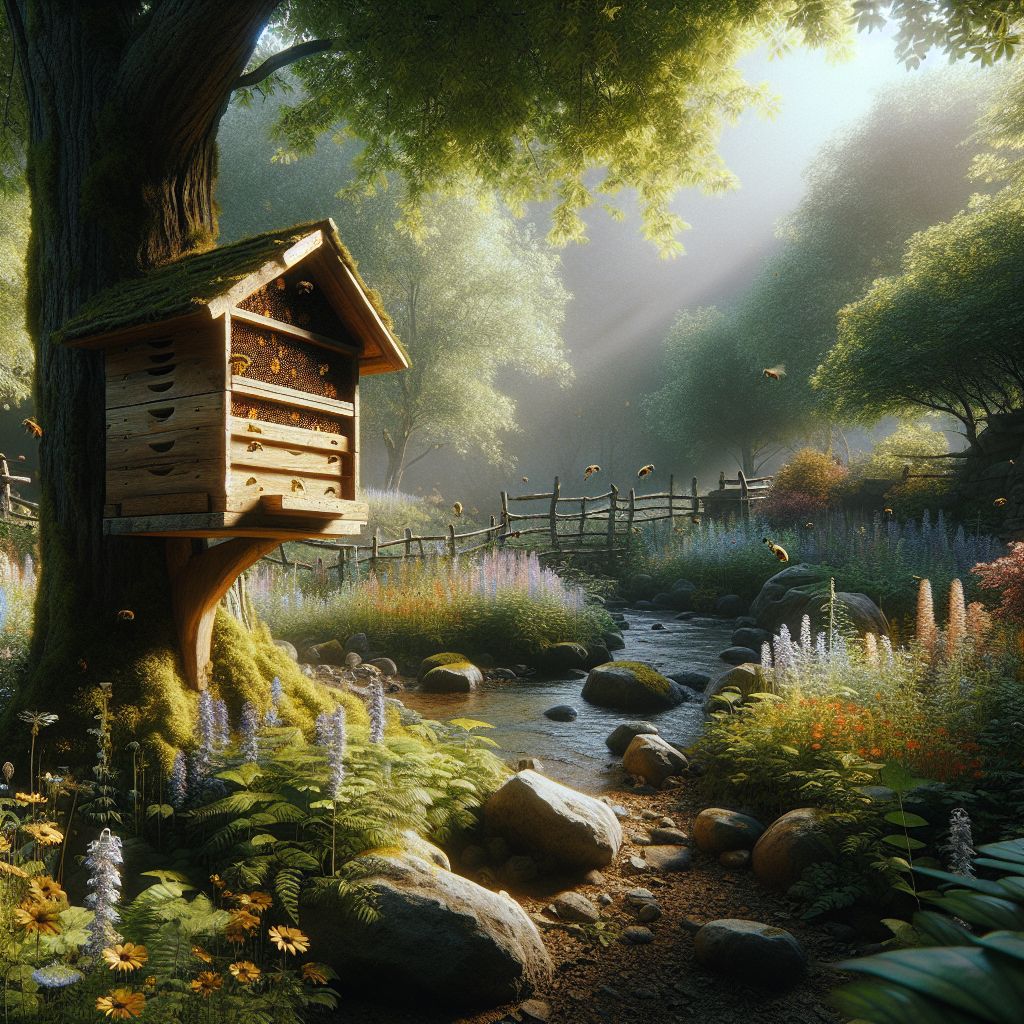
When you’re ready to mount your beehouse, keep it at eye level or slightly higher—about 5 to 7 feet off the ground. This makes it easy for you to observe the bees and also keeps the beehouse out of reach of many predators. Ensure it’s firmly attached to a post, wall, or tree, with the entrance facing east to catch the first light.
Face the beehouse east towards the morning sun.
Mount at a height of 5 to 7 feet to deter predators.
Secure the beehouse to prevent swaying.
Choose a location with afternoon shade to avoid overheating.
Ensure the beehouse is sheltered from rain and strong winds.
Remember, mason bees are attracted to cleanliness. A fresh, clean beehouse is more likely to be used. If you’re reusing a beehouse from a previous season, make sure to clean it out before the new season begins.
Maintenance Tips for Bamboo Tubes
Maintenance is the secret to a thriving beehouse. Think of it as a mini hotel for bees; you want to keep it as inviting and comfortable as possible. This means regular check-ups and cleanings are in order. Let’s break down how to maintain your bamboo tubes to ensure they remain an ideal home for mason bees.
Cleaning and Replacing: Keeping the Beehouse Hospitable
At the end of the bee season, usually in late fall, it’s time to clean your beehouse. Carefully open the bamboo tubes and remove any debris or old nesting material. If the tubes are damaged or too dirty, replace them. This prevents diseases and parasites from harming the next generation of bees. Clean beehouses encourage bees to return year after year.
Cleaning your bamboo tubes isn’t just about aesthetics; it’s about the health of the bees. Diseases can spread quickly in dirty environments, so keeping your beehouse clean is a crucial part of bee conservation.
Monitoring Bee Activity: Signs Your Bees are Thriving
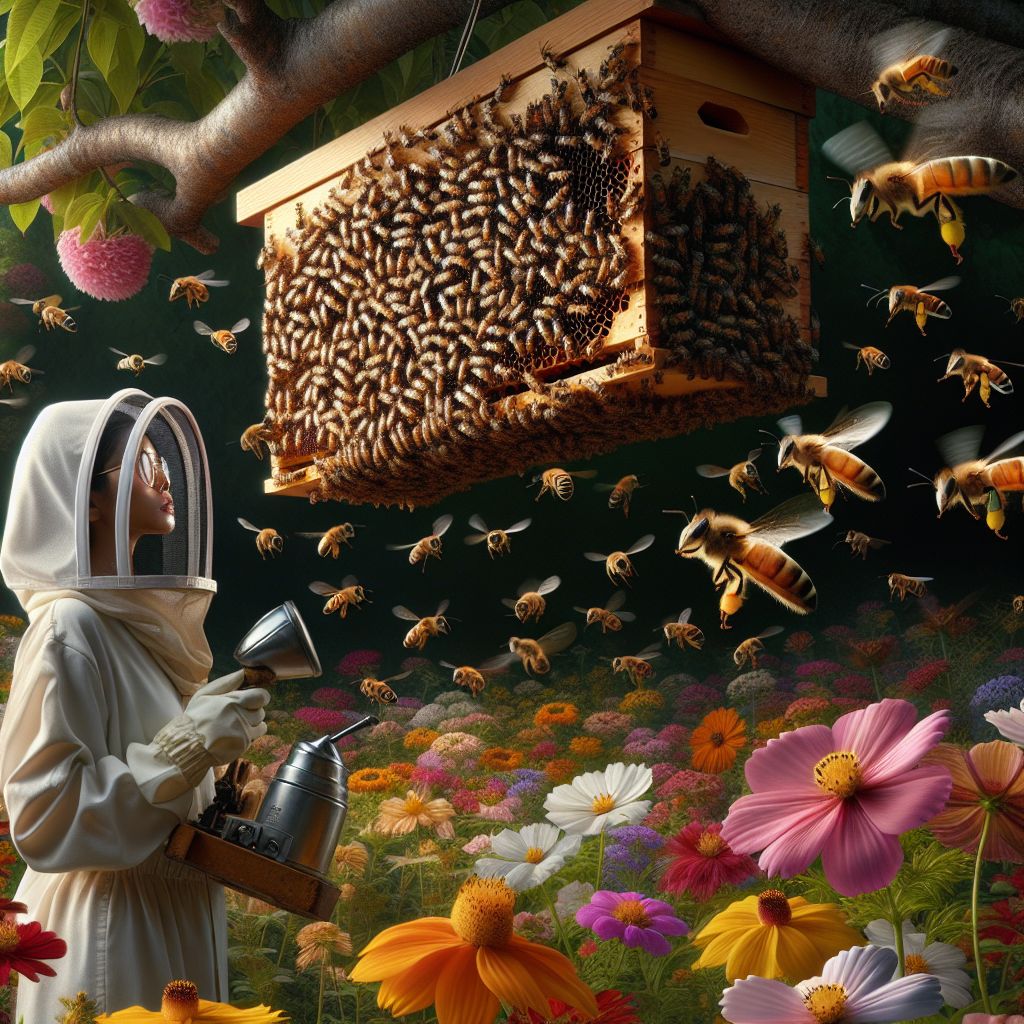
Once your beehouse is up and running, you’ll want to keep an eye on bee activity. If you see bees buzzing in and out of the tubes, congratulations, you’ve got tenants! Another sign of a healthy beehouse is seeing the ends of the bamboo tubes sealed with mud—this means mason bees have laid their eggs inside.
However, if you notice a lack of activity or see predators lurking around, it may be time to reevaluate the placement of your beehouse. Sometimes, moving it to a more protected location can make all the difference.
Bamboo Tubes and Bee Sustainability
Bamboo beehouses are more than just a hobby; they’re a step towards sustainability. By using bamboo, a fast-growing and renewable resource, we’re making an environmentally conscious choice. Let’s explore how maintaining bamboo beehouses contributes to bee sustainability.
Eco-Friendly Practices for Beehouse Upkeep
Choosing bamboo is already a great start, but there’s more we can do. For instance, avoid using any chemicals or sealants on your beehouse that could harm the bees. Natural is the way to go. When it’s time to replace the bamboo tubes, consider composting the old ones if they’re free of disease—this returns the nutrients to the soil and completes the natural cycle.
Most importantly, when you’re working in your garden, use bee-friendly practices. Avoid pesticides, herbicides, and fungicides, which can be harmful to bees and other beneficial insects. Instead, opt for organic solutions to manage pests and diseases.
Contributing to Bee Population Growth
Every bamboo beehouse set up in a garden is a potential lifeline for mason bees. By providing them with a safe place to nest, we’re helping to bolster their populations. This is vital, as many species of bees are in decline due to habitat loss, pesticide use, and other environmental pressures.
By becoming a bee conservationist in your own backyard, you’re playing a role in a larger global effort to protect these essential pollinators. It’s a simple yet powerful way to make a difference.
Enhancing Your Garden’s Ecosystem
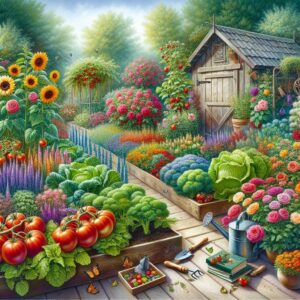
Your bamboo beehouse is the centerpiece of a thriving ecosystem. But why stop there? To truly create a pollinator paradise, consider the plants in your garden. Mason bees need a variety of flowering plants to provide nectar and pollen throughout the seasons.
Plant a mix of native flowers, shrubs, and trees to offer a diverse buffet for your bees. Not only will this support your local bee populations, but it will also attract other pollinators and beneficial insects, enriching your garden’s biodiversity.
So, roll up your sleeves and get ready to build your bamboo beehouse. With these tips and a little bit of care, you’ll be on your way to creating a haven for mason bees—a place where they can thrive and, in turn, help your garden flourish.
Enhancing Your Garden’s Ecosystem
Your bamboo beehouse is the centerpiece of a thriving ecosystem. But why stop there? To truly create a pollinator paradise, consider the plants in your garden. Mason bees need a variety of flowering plants to provide nectar and pollen throughout the seasons.
Plant a mix of native flowers, shrubs, and trees to offer a diverse buffet for your bees. Not only will this support your local bee populations, but it will also attract other pollinators and beneficial insects, enriching your garden’s biodiversity.
Companion Plants for Your Beehouse
Companion planting is a fantastic way to enhance the environment around your bamboo beehouse. Choose plants that flower at different times of the year to ensure a constant food source for the bees. Here are some bee-friendly plants to consider:
Lavender: Bees love the fragrance and you’ll love the added benefit of its soothing properties.
Sunflowers: They’re not just pretty; they’re also a great source of food for bees.
Rosemary: A hardy herb that’s as beneficial for the bees as it is for your kitchen.
Coneflowers: These hardy perennials attract bees with their bright and large flowers.
Fruit trees: Blossoming fruit trees are a boon for bees, and later, they’ll provide you with delicious fruits.
Creating a Pollinator Paradise
Creating a pollinator paradise goes beyond just planting the right flowers. It’s about creating a habitat that offers everything bees need to prosper. This includes water sources, like a shallow birdbath with stones for bees to land on, and undisturbed spaces where they can find shelter. Remember, a diverse garden is a resilient garden, so aim for a variety of plants that will bring in a multitude of pollinators.
Frequently Asked Questions (FAQ)
How long do bamboo beehouse tubes last?
Bamboo beehouse tubes can last for one to two seasons if they’re not exposed to extreme weather. However, it’s best to replace them annually to prevent disease and parasite build-up. If you notice the tubes are becoming brittle or showing signs of wear, it’s time for a refresh.
Can I use any bamboo tubes for my beehouse?
Not all bamboo tubes are suitable for beehouses. The tubes need to have the right diameter—about 5/16 to 3/8 inches for mason bees—and should be smooth inside to prevent damage to the bees’ wings. Avoid treated bamboo, as chemicals can be harmful to the bees.
How do I know if mason bees have moved in?
You’ll know mason bees have taken up residence in your beehouse if you see them entering and exiting the tubes. Additionally, you’ll notice the ends of the tubes sealed with mud, which indicates that a bee has laid eggs inside. For more detailed information, check out our mason bee lifecycle guide.
Is there a specific time of year to set up my beehouse?
It’s best to set up your bamboo beehouse in early spring, just before the mason bees emerge. This gives them time to find the beehouse and start nesting. However, if you missed the early spring window, don’t worry; you can still set up the beehouse as mason bees can have multiple generations in one season.
How can I prevent pests from invading the beehouse?
To prevent pests from invading your beehouse:



Leave a Reply