
Key Takeaways
Leafcutter bees are excellent pollinators, particularly for vegetable and flower gardens.
Leafcutter bee houses can be purchased or built using simple materials like wood and paper tubes.
Proper placement of the bee house is crucial; it should be in a sunny, sheltered location.
Regular maintenance of the bee house, including cleaning and protection from predators, ensures a healthy bee population.
Harvesting and incubating leafcutter bee cocoons can help sustain and grow your bee population year after year.
Why You Need a Leafcutter Bee House
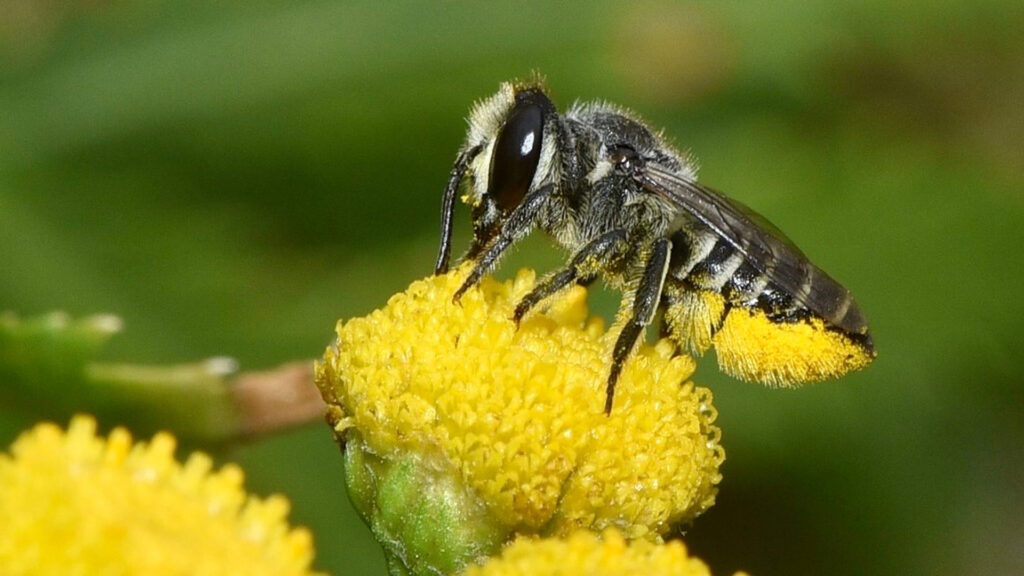
“Leaf cutter bees play key role for …” from news.azpm.org
Leafcutter bees are incredible pollinators that can significantly boost the productivity of your garden. Unlike honeybees, leafcutter bees are solitary and do not live in hives. They use natural cavities or specially designed bee houses to lay their eggs. By providing a suitable habitat, you can attract these industrious bees to your garden, ensuring better pollination and healthier plants.
Importance of Leafcutter Bees in Gardens
Leafcutter bees play a crucial role in pollinating various plants, including vegetables, fruits, and flowers. Their foraging activity helps transfer pollen from one flower to another, facilitating the production of seeds and fruits. For example, they are particularly effective in pollinating tomatoes, alfalfa, and blueberries.
Besides their pollination prowess, leafcutter bees are gentle and less likely to sting, making them ideal for family gardens. They are also fascinating to observe, offering an educational opportunity for children and adults alike.
Benefits of Hosting Leafcutter Bees
Hosting leafcutter bees in your garden comes with numerous benefits. For more information on how to protect and care for these beneficial insects, check out our guide on leafcutter bee house protection and care.
Increased Pollination: Your plants will produce more flowers, fruits, and vegetables.
Educational Value: Watching these bees work can be a great learning experience for kids.
Environmental Support: By providing a habitat, you’re helping support local bee populations.
Low Maintenance: Leafcutter bees are easy to care for and require minimal intervention.
Overview of Optimal Habitats
Leafcutter bees prefer habitats that mimic natural cavities found in trees or stems. They use leaves to create protective chambers for their eggs, which they line with nectar and pollen. Therefore, a good leafcutter bee house should provide a series of small, tube-like structures where bees can nest comfortably. For more information on creating a safe haven for these bees, check out this guide on bamboo bee houses.
It’s essential to place the bee house in a location that receives plenty of sunlight and is sheltered from strong winds and rain. Proper placement not only ensures the bees’ comfort but also increases the likelihood of them taking up residence in your garden.
Choosing the Ideal Leafcutter Bee House
Selecting the right bee house is crucial for attracting and maintaining a healthy population of leafcutter bees. Several factors come into play, including the type of house, the materials used, and the overall design.
Different Types of Bee Houses
There are various types of bee houses available, each with its own set of advantages and disadvantages. For example, if you’re considering a bamboo option, you might find this best bamboo bee house guide useful.
Wooden Blocks: These are solid blocks of wood with drilled holes. They are durable and provide excellent insulation but can be more challenging to clean.
Paper Tubes: These are removable and replaceable, making them easier to maintain. However, they may not be as durable as wooden blocks.
Bamboo Canes: Natural and eco-friendly, bamboo canes offer a rustic look but can be prone to mold and decay over time.
Materials to Look For
When choosing or building a leafcutter bee house, it’s essential to consider the materials used. The best materials are those that mimic natural nesting sites and provide adequate protection from the elements:
Untreated Wood: Provides a natural and durable nesting site.
Paper Tubes: Easy to replace and clean, reducing the risk of disease.
Bamboo: Eco-friendly and attractive, though less durable.
Optimal Size and Design
The size and design of your bee house can significantly impact its effectiveness. Leafcutter bees prefer nesting holes that are about 1/4 inch in diameter and 4-6 inches deep. The house should also have a roof to protect it from rain and a backing to keep the tubes or blocks in place. For more tips, check out installing and maintaining native bee houses.
It’s also beneficial to have multiple nesting sites within one house to accommodate several bees. This increases the chances of attracting a healthy population and ensures that your garden receives maximum pollination benefits.
Where to Buy Quality Bee Houses
Quality bee houses can be purchased from various sources, including garden centers, online retailers, and specialty stores. When buying a bee house, look for products made from durable, natural materials and ensure that the nesting holes meet the size requirements for leafcutter bees.
Some reputable brands and retailers include: Country Bee Honey Farm
Building Your Own Leafcutter Bee House

“Creating pollinator habitat with bee hotels” from cms.ctahr.hawaii.edu
If you’re a DIY enthusiast, building your own leafcutter bee house can be a rewarding project. It’s relatively simple and allows you to customize the design to suit your garden’s specific needs.
Materials Needed
To build a leafcutter bee house, you’ll need the following materials:
Untreated wood (for the frame and backing)
Paper tubes or bamboo canes (for nesting holes)
Wood glue or nails (for assembly)
Roofing material (to protect from rain)
Drill with a 1/4-inch bit (if using wooden blocks)
Step-by-Step Instructions
Building your own leafcutter bee house is a straightforward project. Follow these steps to create a cozy habitat for your bees:
For more detailed guidance, check out this DIY mason bee house tutorial.
Gather Materials: Ensure you have all the materials listed above.
Cut the Wood: Cut the untreated wood into the desired dimensions for the frame and backing. A typical size is 8 inches wide by 12 inches tall.
Assemble the Frame: Use wood glue or nails to assemble the frame. Attach the backing securely.
Prepare Nesting Holes: If using paper tubes or bamboo canes, cut them to 4-6 inches in length. If using wooden blocks, drill 1/4-inch holes about 4-6 inches deep.Insert Nesting Materials: Place the paper tubes or bamboo canes into the frame, ensuring they fit snugly. If using wooden blocks, arrange them within the frame.
Add the Roof: Attach a piece of roofing material to the top of the frame to protect the nesting holes from rain.
Secure the House: Ensure all parts are securely fastened and that the house is sturdy enough to withstand weather conditions.
Common Mistakes and How to Avoid Them
Building and maintaining a leafcutter bee house is generally simple, but there are a few common mistakes to watch out for. For more detailed advice, check out these tips for installing and maintaining native bee houses.
Using Treated Wood: Treated wood can contain chemicals harmful to bees. Always use untreated wood.
Incorrect Hole Size: Nesting holes that are too large or too small can deter bees. Stick to the recommended 1/4-inch diameter.
Poor Placement: Placing the bee house in a shady or windy location can make it less attractive to bees. Choose a sunny, sheltered spot.
Ignoring Maintenance: Regular cleaning and maintenance are crucial to prevent disease and pests. Make it a habit to check the bee house periodically.
Placing Your

Once your bee house is ready, the next step is to place it in an optimal location. Proper placement is key to attracting leafcutter bees and ensuring they thrive in your garden.
First, choose a sunny spot. Leafcutter bees prefer warm environments, so placing the house in a location that receives plenty of sunlight is essential. A south or southeast-facing position is ideal.
Height: Place the bee house at least 3-5 feet off the ground. This height helps protect the bees from ground-dwelling predators.
Shelter: Ensure the bee house is sheltered from strong winds and rain. Placing it under an eave or near a fence can provide the necessary protection.
Accessibility: Make sure the bee house is easily accessible for regular maintenance and monitoring.
After placing the bee house, secure it firmly to prevent it from being knocked over by wind or animals. Use sturdy brackets or hooks to attach it to a wall, fence, or post. For more detailed steps, check out this guide on setting up your first mason bee house.
Choosing the Right Location
The location of your leafcutter bee house can significantly impact its success. As mentioned, a sunny, sheltered spot is ideal. Additionally, consider placing the bee house near flowering plants that the bees can forage on. This proximity ensures that the bees have easy access to food sources.
Avoid placing the bee house near areas with heavy pesticide use, as these chemicals can be harmful to bees. If possible, create a pesticide-free zone around the bee house to provide a safe environment for the bees to thrive.
Orientation and Height Considerations
Proper orientation and height are crucial for the success of your leafcutter bee house. The entrance holes should face the morning sun (east or southeast) to warm the bees early in the day, encouraging them to start foraging sooner. For more detailed tips on installing and maintaining native bee houses, you can refer to this guide.
As for height, placing the bee house 3-5 feet off the ground is recommended. This height helps protect the bees from ground-dwelling predators like ants and small mammals. It also makes it easier for you to monitor and maintain the bee house.
Tips for Securing the Bee House
Securing the bee house properly ensures it remains stable and safe for the bees. Here are some tips:
Use Sturdy Fasteners: Attach the bee house to a solid structure like a wall, fence, or post using strong brackets or hooks.
Check Stability: Ensure the bee house does not wobble or move in the wind. A stable house is more attractive to bees.
Protect from Predators: If you have issues with predators like birds or small mammals, consider adding a protective mesh around the bee house. Ensure the mesh openings are large enough for bees to pass through but small enough to keep predators out.
Maintaining Your Leafcutter Bee House
Regular maintenance is crucial for keeping your leafcutter bee house in good condition and ensuring the health of your bee population. Maintenance tasks include cleaning, monitoring for pests, and preparing the bee house for different seasons. For more detailed guidance, check out our leafcutter bee house care guide.
Regular Cleaning and Upkeep
Cleaning the bee house at the end of each season helps prevent the buildup of diseases and parasites. For the best tips on how to do this, check out our guide on cleaning and maintaining a cedar bee house.
Remove Old Tubes: At the end of the season, carefully remove the old paper tubes or bamboo canes.
Clean the Frame: Use a brush to remove any debris or dirt from the wooden frame. Avoid using harsh chemicals that could harm the bees.
Replace Nesting Materials: Insert fresh paper tubes or bamboo canes for the next season. This step ensures a clean and safe environment for the new generation of bees.
Protection from Predators and Pests
Predators and pests can pose a threat to your leafcutter bees. Here are some strategies to protect your bee house:
For more information on how to care for your bee house, check out this guide on leafcutter bee house protection and care.
Install Protective Mesh: Adding a fine mesh around the bee house can keep out birds and small mammals while allowing bees to pass through.
Monitor for Pests: Regularly check the bee house for signs of pests like mites or ants. If you notice an infestation, take immediate action to remove the pests and clean the affected areas.
Elevate the Bee House: Placing the bee house at least 3-5 feet off the ground can help deter ground-dwelling predators.
Encouraging Leafcutter Bees to Nest
Attracting leafcutter bees to your bee house involves creating a welcoming environment and providing the necessary resources. Here are some tips to encourage nesting:
Consider using the best wooden bee houses to attract native bees effectively.
First, plant a variety of flowering plants that bloom at different times throughout the season. This variety ensures a continuous food source for the bees. Leafcutter bees are particularly fond of plants like clover, alfalfa, and sunflowers.
Attracting Bees with Plants
To attract leafcutter bees, consider planting the following:
Clovers: These are easy to grow and provide an excellent source of nectar and pollen.
Alfalfa: A favorite among leafcutter bees, alfalfa offers abundant nectar and pollen.
Sunflowers: These large flowers attract bees and provide a substantial food source.
Besides planting these flowers, avoid using pesticides in your garden, as they can be harmful to bees. Creating a pesticide-free zone ensures a safe environment for your leafcutter bees to thrive.
Preparing for Winter
As the weather cools, it’s essential to prepare your bee house for winter. Here’s what you need to do:
Harvest Cocoons: In late fall, carefully remove the nesting tubes and harvest the bee cocoons. Store them in a cool, dry place over the winter.
Clean the Bee House: Thoroughly clean the bee house to remove any debris or pests. This step ensures a fresh start for the next season.
Store the Bee House: If possible, store the bee house indoors during the winter to protect it from harsh weather conditions. If indoor storage is not an option, ensure the bee house is securely fastened and protected from the elements.
Encouraging Leafcutter Bees to Nest
Attracting leafcutter bees to your bee house involves creating a welcoming environment and providing the necessary resources. Here are some tips to encourage nesting:
First, plant a variety of flowering plants that bloom at different times throughout the season. This variety ensures a continuous food source for the bees. Leafcutter bees are particularly fond of plants like clover, alfalfa, and sunflowers. For more information on creating a bee-friendly environment, check out this guide to wooden bee houses.
Attracting Bees with Plants
To attract leafcutter bees, consider planting the following:
Clovers: These are easy to grow and provide an excellent source of nectar and pollen.
Alfalfa: A favorite among leafcutter bees, alfalfa offers abundant nectar and pollen.
Sunflowers: These large flowers attract bees and provide a substantial food source.
Besides planting these flowers, avoid using pesticides in your garden, as they can be harmful to bees. Creating a pesticide-free zone ensures a safe environment for your leafcutter bees to thrive.
Providing a Safe Environment
Creating a safe environment for leafcutter bees involves more than just planting flowers. You also need to ensure that the bees have access to clean water and are protected from predators and harsh weather conditions.
Place shallow dishes of water with pebbles or stones for the bees to land on. This water source helps keep the bees hydrated, especially during hot weather. Additionally, consider installing protective mesh around the bee house to deter birds and other predators.
Finally, make sure the bee house is sheltered from strong winds and heavy rain. Placing it under an eave or near a fence can provide the necessary protection and create a more inviting environment for the bees.
Harvesting and Incubating Leafcutter Bee Cocoons
Harvesting and incubating leafcutter bee cocoons is an essential part of maintaining a healthy bee population. Proper harvesting and incubation techniques ensure that the new generation of bees will thrive and continue to pollinate your garden.
When and How to Harvest Cocoons
Harvesting cocoons typically occurs in late fall when the bees have completed their nesting cycle. Here’s how to do it:
Remove Nesting Tubes: Carefully remove the nesting tubes from the bee house.
Extract Cocoons: Gently open the tubes and extract the cocoons. Be cautious not to damage them.
Clean Cocoons: Lightly brush off any debris or parasites from the cocoons.
Store Cocoons: Place the cleaned cocoons in a breathable container and store them in a cool, dry place over the winter.
Proper Incubation Techniques
Incubating leafcutter bee cocoons ensures that the bees develop properly and are ready to emerge in the spring. Here are some tips for proper incubation:
Temperature Control: Store the cocoons in a location with a stable temperature between 34-40°F (1-4°C).
Humidity: Maintain a humidity level of around 50-70% to prevent the cocoons from drying out.
Ventilation: Ensure the storage container has adequate ventilation to prevent mold growth.
Regularly check the cocoons throughout the winter to ensure they remain in good condition. If you notice any signs of mold or parasites, take immediate action to address the issue.
Releasing New Bees in the Spring
As the weather warms up in the spring, it’s time to release the new generation of leafcutter bees. Here’s how to do it:
Monitor Temperature: Wait until daytime temperatures consistently reach 55-60°F (13-16°C).
Prepare Bee House: Place fresh nesting tubes or bamboo canes in the bee house.
Release Cocoons: Place the cocoons near the entrance of the bee house. The bees will emerge and begin foraging for nectar and pollen.
Releasing the bees at the right time ensures they have access to abundant food sources and can start their nesting cycle promptly. By following these steps, you’ll help sustain a healthy population of leafcutter bees in your garden. For more details, check out our best bamboo bee house guide.
Frequently Asked Questions (FAQ)
Why should I host leafcutter bees?
Hosting leafcutter bees offers several benefits, including increased pollination for your garden, educational opportunities for children, and supporting local bee populations. Leafcutter bees are gentle and easy to care for, making them an excellent addition to any garden.
What plants do leafcutter bees pollinate?
Leafcutter bees are effective pollinators for a variety of plants, including vegetables, fruits, and flowers. Some of their favorite plants include tomatoes, alfalfa, blueberries, clover, and sunflowers. By planting a diverse range of flowering plants, you can attract and support a healthy population of leafcutter bees in your garden.
In conclusion, providing a suitable habitat for leafcutter bees can significantly enhance your garden’s productivity and contribute to the health of local ecosystems. Whether you choose to purchase a bee house or build your own, following the guidelines outlined in this guide will help you create a welcoming environment for these valuable pollinators. Regular maintenance, proper placement, and thoughtful planting will ensure that your leafcutter bee house remains a thriving hub of activity year after year.



Leave a Reply