
Key Takeaways
Urban beekeepers should plant a variety of forage plants to ensure bees have access to nectar and pollen throughout the year.
Early spring bloomers like crocuses and dandelions provide essential nutrition after winter.
Mid-summer plants such as lavender and sunflowers are vital for maintaining bee energy levels.
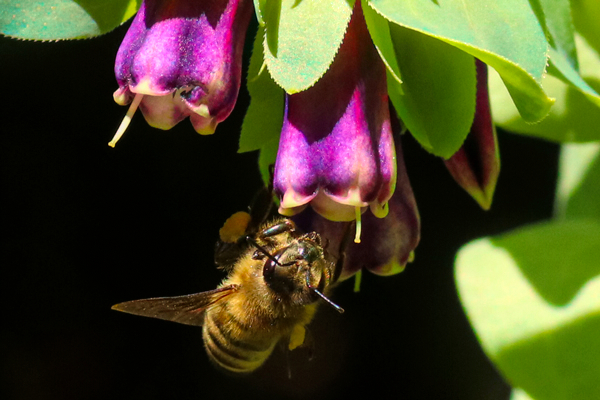
Late fall plants like asters and goldenrod help bees prepare for winter by providing late-season sustenance.
Creating urban nectar highways by planting bee-friendly plants in clusters can attract more bees to your area.
“Fall forage for bees: what’s blooming …” from www.honeybeesuite.com
Maximizing Floral Resources for Urban Bees
Urban beekeeping is not just about keeping bees; it’s about creating an environment where they can thrive. One of the most effective ways to do this is by planting forage plants that provide bees with the nectar and pollen they need. These plants can transform your urban space into a buzzing haven for bees, boosting their health and productivity.
The Vital Role of Forage Plants
Forage plants play a crucial role in the survival and health of bees. They provide the essential nutrients bees need to produce honey, feed their young, and maintain hive health. In urban settings, where natural forage can be limited, planting the right forage plants can make a significant difference.
Besides that, forage plants support biodiversity by attracting other pollinators like butterflies and hummingbirds. They enhance the beauty of urban landscapes and contribute to a healthier ecosystem. By choosing the right plants, you can create a sustainable environment for bees and other pollinators.
Top Nectar and Pollen Sources in Cities
Urban areas may lack the vast meadows and fields that bees typically forage in, but they offer unique opportunities for planting a diverse range of forage plants. Some top choices for urban settings include:
Lavender: Known for its calming scent, lavender is a magnet for bees and provides a rich source of nectar.
Sunflowers: These bright, cheerful flowers are not only beautiful but also packed with pollen and nectar.
Crocuses: Among the first to bloom in spring, crocuses offer an early source of nutrition for bees emerging from winter.
Asters: Blooming in late fall, asters provide critical sustenance as bees prepare for winter.
Dandelions: Often considered a weed, dandelions are actually a valuable early spring food source for bees.
“Seasonal Bee Gardening – UC BERKELEY …” from www.helpabee.org
Seasonal Forage Plant Recommendations
To keep your bees healthy and thriving, it’s essential to provide a continuous supply of forage plants throughout the year. This means selecting plants that bloom in different seasons, ensuring that there is always something available for bees to feed on. Additionally, wearing a Humble Bee Elite Beekeeper Suit can protect you while tending to your hive.
Early Spring Bloomers
After a long winter, bees need to replenish their energy reserves. Early spring bloomers are vital for providing the first sources of nectar and pollen. Crocuses and dandelions are excellent choices because they bloom early and are easy to grow in urban gardens. For those interested in beekeeping, it’s important to consider suitable beekeeping suits to ensure safety while tending to your hives.
Crocuses are small, colorful flowers that can be planted in clusters to create a vibrant display. They are one of the first flowers to bloom in spring, providing bees with much-needed nutrition after winter.
Example: “In my urban garden, I planted crocuses in late fall. By early spring, they were in full bloom, attracting bees and adding a splash of color to the garden.”
Dandelions, often overlooked as weeds, are actually a critical food source for bees in early spring. They are easy to grow and require little maintenance, making them an ideal choice for urban beekeepers.
Integrating Bee-Friendly Plants in Urban Settings
Urban environments can be challenging for bees due to limited green spaces and a lack of diverse floral resources. However, with some creativity and planning, you can transform urban spaces into bee-friendly habitats. The key is to maximize the use of available spaces and create corridors of forage plants that attract and sustain bee populations.
Incorporating bee-friendly plants into urban settings not only benefits bees but also enhances the overall aesthetic and environmental quality of the area. By planting a variety of nectar and pollen-rich plants, you create a thriving ecosystem that supports both bees and other pollinators.
Creating Urban Nectar Highways
Nectar highways are continuous stretches of flowering plants that provide a consistent food source for bees as they move through urban areas. To create these highways, plant bee-friendly flowers in clusters along roadsides, parks, and even in your own backyard. This approach not only attracts more bees but also helps them navigate urban landscapes more efficiently. For more insights on how to support bees, consider exploring the future of beekeeping with innovative designs.
When planning your nectar highway, consider using native plants that are well-suited to your local climate and soil conditions. Native plants are often more resilient and require less maintenance, making them an ideal choice for urban beekeeping.
Utilizing Rooftop Spaces for Bee Habitats
Rooftops present a unique opportunity for urban beekeepers to expand their forage options. By transforming rooftops into green spaces, you can provide bees with additional sources of nectar and pollen while also reducing urban heat and improving air quality.
Start by selecting lightweight, drought-tolerant plants that can thrive in rooftop conditions. Sedums, lavender, and wildflowers are excellent choices for rooftop gardens. Besides that, consider installing raised beds or containers to accommodate a wider variety of plants.
Rooftop gardens can also serve as educational spaces, raising awareness about the importance of bees and pollinators in urban environments. Invite community members to participate in planting and maintenance, fostering a sense of ownership and pride in the project.
Incorporating Forage in Community Gardens
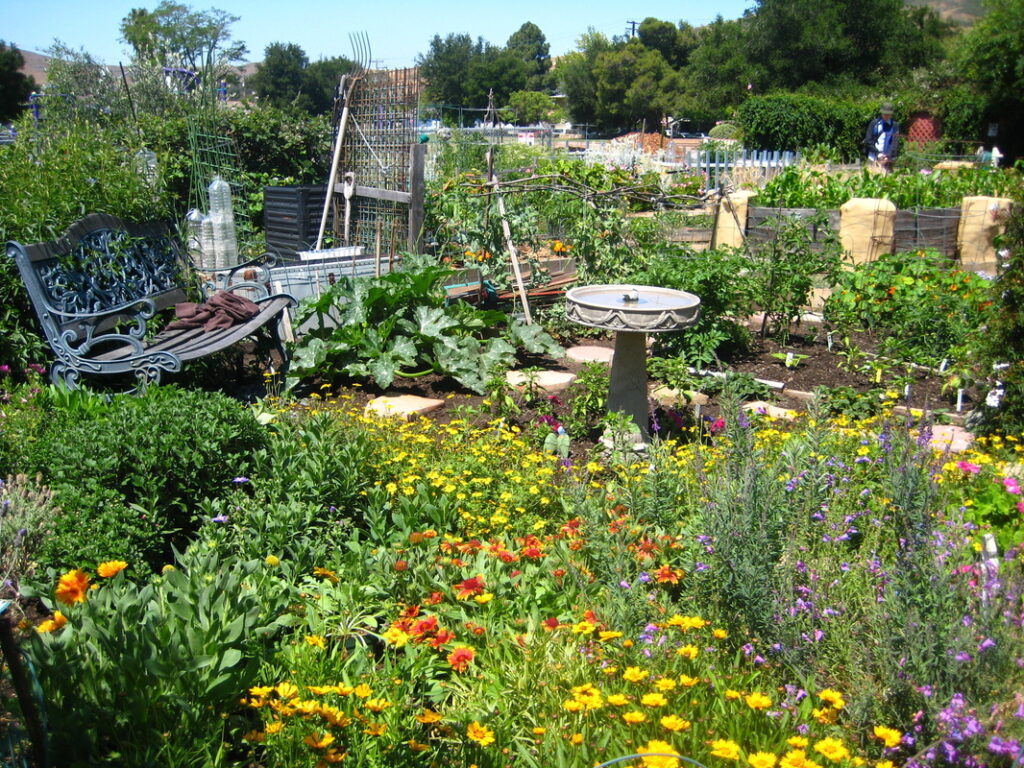
Community gardens are a fantastic resource for urban beekeepers, providing a shared space to cultivate bee-friendly plants. By working together with other gardeners, you can create a diverse and abundant food source for bees.
When planning a community garden, include a mix of annuals, perennials, and herbs that bloom at different times of the year. This ensures that there is always something in bloom for bees to forage on. Encourage fellow gardeners to plant bee-friendly flowers alongside their vegetables and fruits, promoting a healthy and balanced ecosystem.
Community gardens also offer opportunities for education and outreach. Host workshops and events to teach others about the importance of bees and how they can support pollinator health through gardening practices.
“Trees for Bees | SUGi” from www.sugiproject.com
Species-Specific Forage Plant Choices
Not all bees have the same foraging preferences, so it’s important to select plants that cater to different species. By understanding the needs of honey bees and solitary bees, you can create a more inclusive environment that supports a variety of pollinators. For more information, explore honey bee plants that are favored by different bee species.
Plants Favorable for Honey Bees
Honey bees are generalist foragers, meaning they will visit a wide range of flowers to collect nectar and pollen. However, they do have preferences for certain plants that offer abundant resources. Some top choices for honey bees include:
Borage: Known for its star-shaped blue flowers, borage is a favorite among honey bees and blooms throughout the summer.
Clover: White and red clover provide rich sources of nectar and are easy to grow in lawns and fields.
Mint: This aromatic herb attracts honey bees and offers both nectar and pollen.
Planting these species in clusters can help attract more honey bees to your garden, enhancing pollination and increasing honey production.
Optimal Choices for Solitary Bees
Solitary bees, such as mason bees and leafcutter bees, have different foraging habits compared to honey bees. They often prefer native plants and flowers with open structures that allow easy access to nectar and pollen. Consider planting the following for solitary bees:
Wildflowers: Native wildflowers like black-eyed Susan and coneflowers provide excellent forage for solitary bees.
Foxglove: The tubular flowers of foxglove are perfect for long-tongued bees seeking nectar.
Yarrow: This hardy plant offers a landing pad of tiny flowers that solitary bees can easily access.
By incorporating these plants into your urban garden, you create a welcoming environment for solitary bees, supporting their important role in pollination.
Benefits Beyond the Hive
Planting forage plants for bees has far-reaching benefits beyond just supporting bee health. It contributes to urban biodiversity, enhances green spaces, and even improves human well-being.
By increasing the number of flowering plants in urban areas, you support a wider range of wildlife, from birds to butterflies. This biodiversity creates a more resilient ecosystem that can better withstand environmental changes.
Moreover, green spaces with abundant flowers offer aesthetic and recreational value to urban communities. They provide peaceful retreats for residents, improve air quality, and even increase property values.
Ultimately, by planting forage plants for bees, you create a healthier, more vibrant urban environment that benefits both people and pollinators alike.
Supporting Biodiversity
Planting forage plants for bees doesn’t just benefit the bees; it supports a wide range of biodiversity. These plants attract various pollinators, including butterflies, moths, and birds, contributing to a balanced ecosystem. By increasing the diversity of plant life in urban areas, we create habitats for numerous species, encouraging a thriving community of flora and fauna.
Moreover, diverse plantings help stabilize ecosystems by providing different food sources and habitats. This diversity ensures that if one species faces challenges, others can fill the ecological niche, maintaining overall ecosystem health. The ripple effect of planting forage plants for bees extends far beyond the immediate area, promoting environmental resilience.
Enhancing Urban Green Spaces
Urban green spaces are crucial for the well-being of city dwellers and the environment. By incorporating bee-friendly plants, these spaces become vibrant, attractive, and functional. Here’s how you can enhance urban green spaces with bee-friendly plants:
Choose native plants that are adapted to local conditions and require less maintenance.
Plant in layers, with taller plants at the back and shorter ones at the front, to create depth and visual interest.
Incorporate flowering trees and shrubs to provide shade and structure.
Besides improving aesthetics, these plantings support pollinators and increase biodiversity. They offer a natural retreat for city residents, promoting relaxation and mental well-being.
Green spaces with bee-friendly plants also serve as educational tools. They provide opportunities to learn about pollinators, plant biology, and sustainable gardening practices. By engaging the community in planting and maintaining these spaces, we foster a sense of ownership and environmental stewardship. For those interested in protective gear while working in such environments, consider exploring the Bee Smart ventilated suits for real beekeeper experiences and reviews.
Conclusion: Creating Buzz in the Urban Landscape
Creating a bee-friendly urban landscape is not only possible but also incredibly rewarding. By planting a variety of forage plants, we can support bee populations, enhance biodiversity, and beautify our cities. These efforts contribute to a healthier, more resilient environment that benefits everyone.
As urban beekeepers and gardeners, we have the power to make a significant impact. By choosing the right plants and creating welcoming habitats, we can ensure that bees and other pollinators thrive in our urban spaces. Let’s create a buzz and transform our cities into havens for pollinators. For those interested in protective gear, explore real beekeeper experiences with ventilated suits.
Frequently Asked Questions (FAQ)
Here are some common questions about planting forage plants for bees in urban settings: for more information, check out our guide on evolution of beekeeping suits.
What are the best plants for bees in small city gardens?
In small city gardens, focus on plants that offer high nectar and pollen yields, such as lavender, sunflowers, and clover. These plants are compact, easy to grow, and attract a variety of pollinators.
How can I attract more bees to my urban backyard?
To attract more bees, plant a diverse range of flowering plants that bloom at different times. Avoid using pesticides and provide water sources, such as shallow dishes with pebbles, for bees to drink from. Creating a welcoming environment will encourage bees to visit and stay.
Are native plants better for urban bee foraging?
Yes, native plants are generally better for urban bee foraging because they are adapted to the local climate and soil conditions. They often provide more accessible nectar and pollen for native bee species, supporting a healthy and diverse pollinator population.

Leave a Reply