
Small hive beetles can be a persistent nuisance for beekeepers, but with the right strategies, they can be effectively managed. One of the most efficient methods is using entrance traps. This guide will walk you through everything you need to know about using entrance traps to control small hive beetles, ensuring your hives remain healthy and productive.
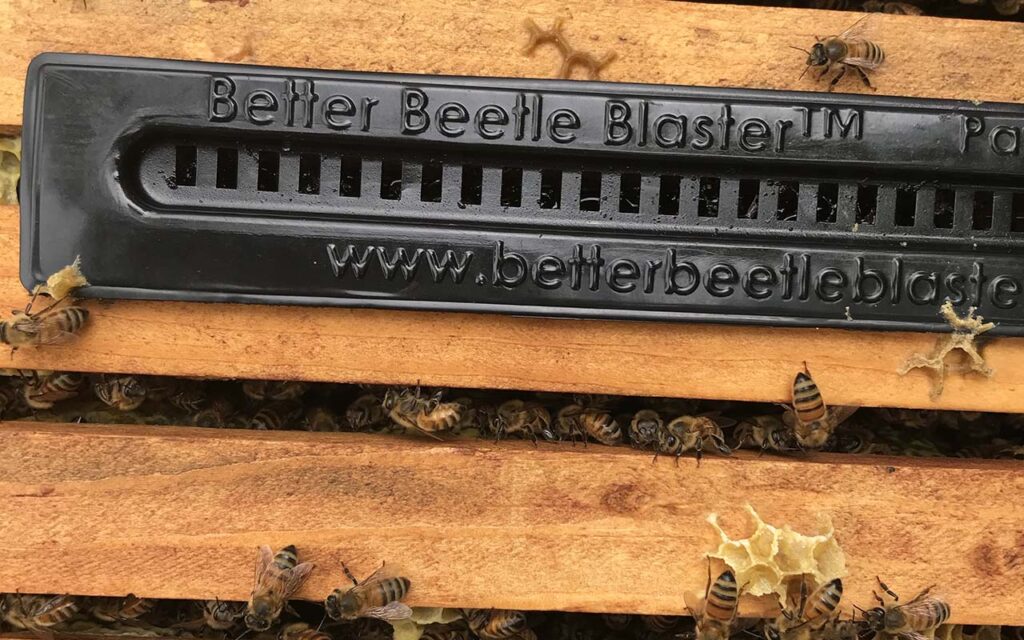
“Small Hive Beetle Traps that Work and …” from www.beekeepingmadesimple.com
Key Takeaways
Entrance traps are a practical solution for preventing small hive beetle infestations.
Proper placement and timing of traps are crucial for their effectiveness.
Different types of entrance traps offer varying benefits; choose the right one for your needs.
Combining traps with other control measures can enhance overall beetle management.
Regular hive inspections and environmental management are key to long-term success.
Effective Strategies for Controlling Small Hive Beetles
Controlling small hive beetles requires a multi-faceted approach. While traps are an essential tool, they work best when combined with other management strategies. Let’s explore how entrance traps can play a pivotal role in your beetle control efforts.
Understanding the Threat of Small Hive Beetles
Small hive beetles, originally from sub-Saharan Africa, have become a global concern for beekeepers. They thrive in warm climates and can cause significant damage to bee colonies by laying eggs in the hive. The larvae then feed on honey, pollen, and bee brood, leading to hive collapse if not managed properly.
Recognizing the threat early is crucial. You’ll often spot adult beetles scurrying around the hive, especially when disturbed. However, it’s the larvae that cause the most harm. Their presence can turn honey into a fermented mess, rendering it unusable and unappealing to bees.
“Most importantly, preventing adult beetles from laying eggs in the hive is the key to controlling their population.” – Beekeeping Expert
Why Entrance Traps Are a Key Defense
Entrance traps serve as the first line of defense against small hive beetles. By capturing adult beetles before they have a chance to lay eggs, these traps help break the reproductive cycle. This proactive approach not only reduces beetle numbers but also minimizes the damage they can inflict on your hives. For more tips on protecting your hives, check out these extreme weather tips for beekeeping.
Besides that, entrance traps are relatively easy to use and don’t require chemical treatments, making them a preferred choice for organic beekeepers. They work by exploiting the beetles’ natural behavior, luring them into traps where they become trapped and eventually die.
How Entrance Traps Work
Mechanism of Action
Entrance traps typically use a combination of attractants and physical barriers to capture small hive beetles. The traps are strategically placed at the hive entrance, where beetles are most likely to enter. As the beetles attempt to navigate through the trap, they fall into compartments filled with oil or other substances that prevent their escape. For more information on innovative designs in beekeeping, check out Bee Smart Suits: Future Beekeeping Innovations.
It’s essential to understand that these traps do not harm bees. They are designed to allow bees to move freely while effectively targeting the beetles. This selective trapping mechanism is what makes entrance traps so effective in managing beetle populations.
Placement and Setup
Proper placement and setup of entrance traps are critical to their success. The traps should be installed at the hive entrance, ensuring that all incoming beetles encounter them. It’s advisable to check the traps regularly and clean them as needed to maintain their effectiveness. For more information on protective gear, consider exploring Ultra Breeze beekeeping suits to enhance your beekeeping experience.
Position traps directly at the hive entrance.
Ensure the traps are securely attached to prevent them from being knocked over.
Regularly monitor and empty traps to keep them functional.
By following these steps, you’ll maximize the efficiency of your entrance traps and keep your hives protected from small hive beetles.
Timing for Maximum Effectiveness
Timing plays a crucial role in the effectiveness of entrance traps. It’s best to install traps at the beginning of the beetle season when adult beetles are most active. This proactive approach ensures that you capture the majority of beetles before they have a chance to lay eggs.
Regular monitoring and maintenance of the traps throughout the season will help keep beetle populations in check. Remember, early intervention is key to preventing a full-blown infestation.
Pros and Cons of Common Models
When choosing an entrance trap for small hive beetles, it’s important to weigh the pros and cons of each model. Different traps offer unique features that may be more or less suitable for your specific needs. For instance, understanding innovative designs and trends in beekeeping can provide insights into selecting the right trap.
For instance, some traps are designed to be easy to install and maintain, while others may offer more effective beetle capture rates but require more effort to set up. Let’s take a closer look at some popular models.
Assessing the Beetle Jail Trap
Designed for easy installation and minimal maintenance.
Features compartments that use oil to trap beetles.
Bees can safely pass through without being harmed.
The Beetle Jail Trap is a popular choice among beekeepers for its simplicity and effectiveness. It consists of several compartments that are filled with oil, which traps and kills the beetles that fall in.
One of the main advantages of this trap is its ease of use. You simply place it at the hive entrance and check it periodically to empty and refill the oil. However, it may require regular maintenance to ensure it remains effective.
Most importantly, the Beetle Jail Trap is safe for bees. Its design allows bees to move freely while preventing beetles from escaping once they’re trapped. This makes it a reliable option for those looking to control beetle populations without harming their bees.
Evaluating the Beetle Blaster Trap
The Beetle Blaster Trap is another effective option for managing small hive beetles. It works similarly to the Beetle Jail Trap, using oil to capture and kill beetles. However, it is designed to be placed between frames inside the hive rather than at the entrance.
This placement can be beneficial because it targets beetles that have already entered the hive. The trap’s design allows it to fit snugly between frames, making it unobtrusive and easy to install. While effective, it does require regular monitoring and maintenance to ensure it continues to function properly. For more tips on maintaining your beekeeping gear, check out these must-have accessories.
DIY Entrance Trap Options
For those who enjoy a hands-on approach, creating a DIY entrance trap can be a cost-effective solution. Many beekeepers have successfully crafted their own traps using simple materials like plastic containers and vegetable oil.
To create a DIY trap, you’ll need a small container with a lid, such as a yogurt cup. Cut small holes in the sides to allow beetles to enter. Fill the container with oil and secure it at the hive entrance. This homemade trap can be just as effective as commercial options if properly maintained.
However, DIY traps may require more frequent monitoring to ensure they remain effective. It’s important to check them regularly and replace the oil as needed to maintain their trapping capabilities. For more information on protective gear while managing traps, check out the Bee Smart Ventilated Suits.
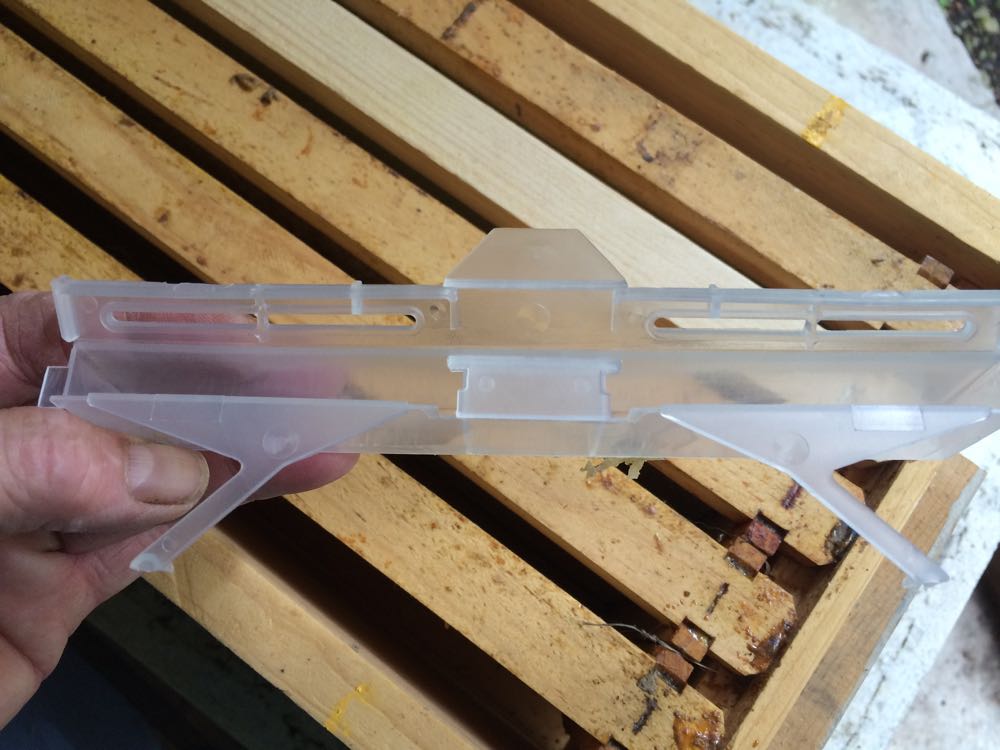
“Adding Small Hive Beetle Lure Traps …” from www.homesweetbees.com
Additional Control Measures for Small Hive Beetles
While entrance traps are a valuable tool in managing small hive beetles, they should be part of a broader integrated pest management strategy. Let’s explore some additional control measures that can complement the use of traps.
Chemical Treatments
In some cases, chemical treatments may be necessary to control severe beetle infestations. Products like CheckMite+ and GardStar are commonly used by beekeepers to manage beetle populations. These treatments can be effective, but they must be used carefully to avoid harming bees. For additional protection, consider using a Humble Bee Elite Beekeeper Suit to ensure safety while handling chemicals.
Always follow the manufacturer’s instructions and consider the timing of chemical applications to minimize any negative impact on your bees. It’s crucial to use these treatments as a last resort and in conjunction with other control methods.
Preventing Larval Development
Preventing larval development is key to controlling small hive beetles. By stopping the larvae from maturing, you can significantly reduce the beetle population. One effective method is maintaining strong and healthy colonies, as they are better equipped to fend off beetle infestations.
Additionally, keeping your hives clean and free of debris can help prevent larvae from finding suitable places to develop. Regularly inspect your hives for signs of larvae and take action immediately if you detect any.
Another technique is using diatomaceous earth around the hive to deter larvae from pupating in the soil. This natural substance can help reduce beetle populations without harming your bees.
Environmental Management
Environmental management plays a significant role in controlling small hive beetles. By managing the environment around your hives, you can make it less hospitable for beetles to thrive.
For example, placing your hives in sunny locations can deter beetles, as they prefer dark and humid conditions. Additionally, reducing hive entrances during beetle season can help your bees better defend against invaders.
Practical Tips for Beekeepers
Managing small hive beetles requires vigilance and proactive measures. Here are some practical tips to help you keep your hives beetle-free:
Conduct regular hive inspections to detect beetle activity early.
Maintain a clean and organized beekeeping environment to reduce beetle habitat.
Consider reducing hive space during beetle season to strengthen colony defense.
By implementing these strategies and using entrance traps effectively, you can protect your hives from the damaging effects of small hive beetles.
Regular Hive Inspections
Regular hive inspections are essential for managing small hive beetles effectively. By routinely checking your hives, you can detect beetle activity early and take necessary actions before the infestation worsens. During inspections, look for adult beetles, larvae, and any signs of damage to the comb or honey.
It’s advisable to conduct inspections every two weeks during beetle season. This frequency allows you to monitor changes in beetle populations and adjust your management strategies accordingly. If you notice an increase in beetle numbers, consider adding more traps or using additional control measures.
Maintaining a Clean Beekeeping Environment
A clean beekeeping environment is crucial for preventing small hive beetle infestations. Beetles thrive in dirty, cluttered areas, so keeping your apiary tidy can help deter them. Remove any debris, old comb, or unused equipment that could provide a habitat for beetles.
Regularly clean and sanitize your hive tools and equipment to prevent the spread of beetles between hives. Additionally, ensure that your hives are well-ventilated and dry, as beetles prefer humid conditions. By maintaining a clean environment, you’ll create a less hospitable setting for beetles to thrive.
Reducing Hive Space as Needed
Reducing hive space can be an effective strategy during beetle season. When hive space is minimized, bees can more efficiently patrol and defend their colony against beetle intruders. This increased defense can help keep beetle populations in check.
Consider consolidating frames or temporarily reducing the number of boxes in your hive. This approach is particularly useful for smaller colonies that may struggle to defend large hive spaces. By adapting your hive configuration to the season, you can bolster your bees’ natural defenses against beetles.
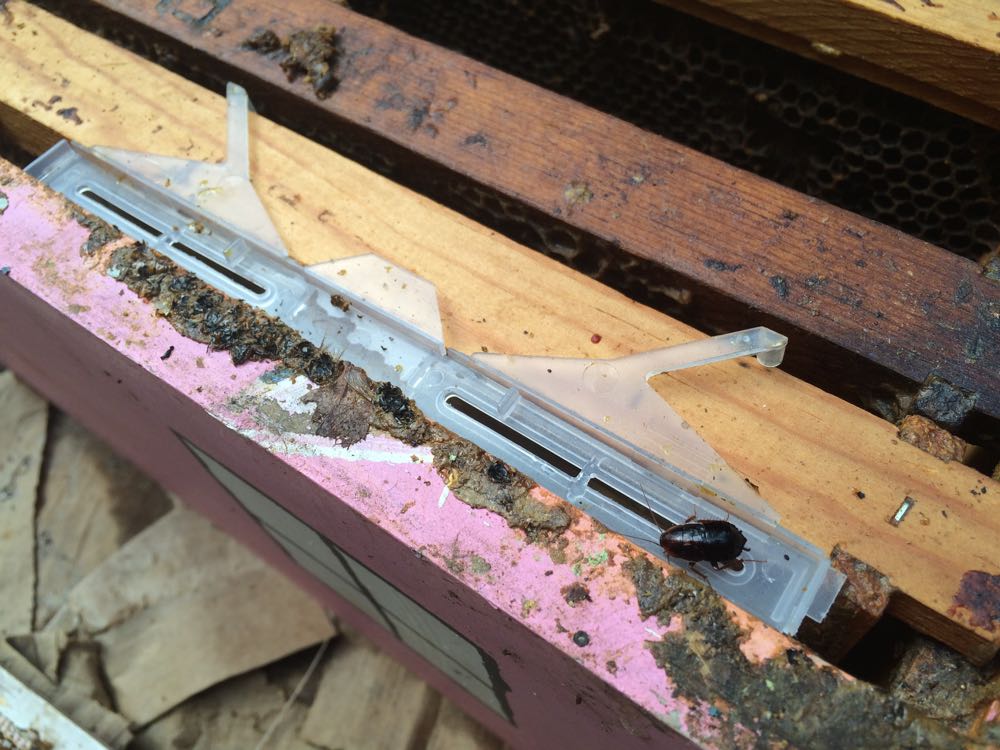
“Adding Small Hive Beetle Lure Traps …” from www.homesweetbees.com
Concluding Advice for Beekeepers
Managing small hive beetles requires a combination of vigilance, proactive measures, and effective tools like entrance traps. By understanding beetle behavior and employing a range of control strategies, you can protect your hives from infestation and ensure their health and productivity.
It’s important to stay informed about the latest beekeeping practices and continually assess the effectiveness of your beetle management plan. Be open to trying new methods and adapting your approach based on the needs of your hives and the severity of beetle pressure.
“Proactive control and regular monitoring are the keys to successful beetle management.” – Beekeeping Mentor
Importance of Proactive Control
Proactive control is essential in managing small hive beetles. By taking action before beetles become a major problem, you can prevent significant damage to your hives. This means installing entrance traps early in the season, maintaining a clean apiary, and regularly inspecting your hives.
Being proactive also involves staying informed about new developments in beetle management and being willing to adapt your strategies as needed. The more prepared you are, the better equipped you’ll be to protect your hives from beetle infestations.
Balancing Different Control Methods
Balancing different control methods is crucial for effective beetle management. While entrance traps are a valuable tool, they should be used in conjunction with other strategies like chemical treatments, environmental management, and hive maintenance.
By combining multiple approaches, you can create a comprehensive beetle management plan that addresses all aspects of beetle behavior and lifecycle. This holistic approach will help ensure the long-term health and productivity of your hives. For additional protection, consider using ventilation mesh to keep your hives safe from pests.
Frequently Asked Questions (FAQ)
What are the signs of a small hive beetle infestation?
Signs of a small hive beetle infestation include the presence of adult beetles in the hive, larvae on the comb, and damage to honey and brood. You may also notice a fermented smell in the hive, which is caused by larvae defecating in the honey.
Regular hive inspections can help you detect these signs early and take action before the infestation becomes severe. If you notice any of these symptoms, it’s important to implement control measures immediately to protect your hive.
Are entrance traps safe for bees?
Yes, entrance traps are designed to target beetles without harming bees.
The traps allow bees to pass through freely while capturing beetles in separate compartments.
Regular maintenance ensures that the traps remain effective and safe for your bees.
Using entrance traps is a safe and effective way to manage small hive beetles. By understanding how they work and maintaining them properly, you can protect your hives without negatively impacting your bees.




Leave a Reply