
Key Takeaways
Invest in high-quality helmets and veils to ensure maximum protection and comfort.
Choose gloves made from suitable materials for dexterity and protection, such as nitrile.
A smoker is vital for calming bees and should be used with the right fuel like pine needles or burlap.
Footwear should be sturdy and protective, like rubber boots, to avoid stings and injuries.
Consider full-body suits for comprehensive protection against bee stings.
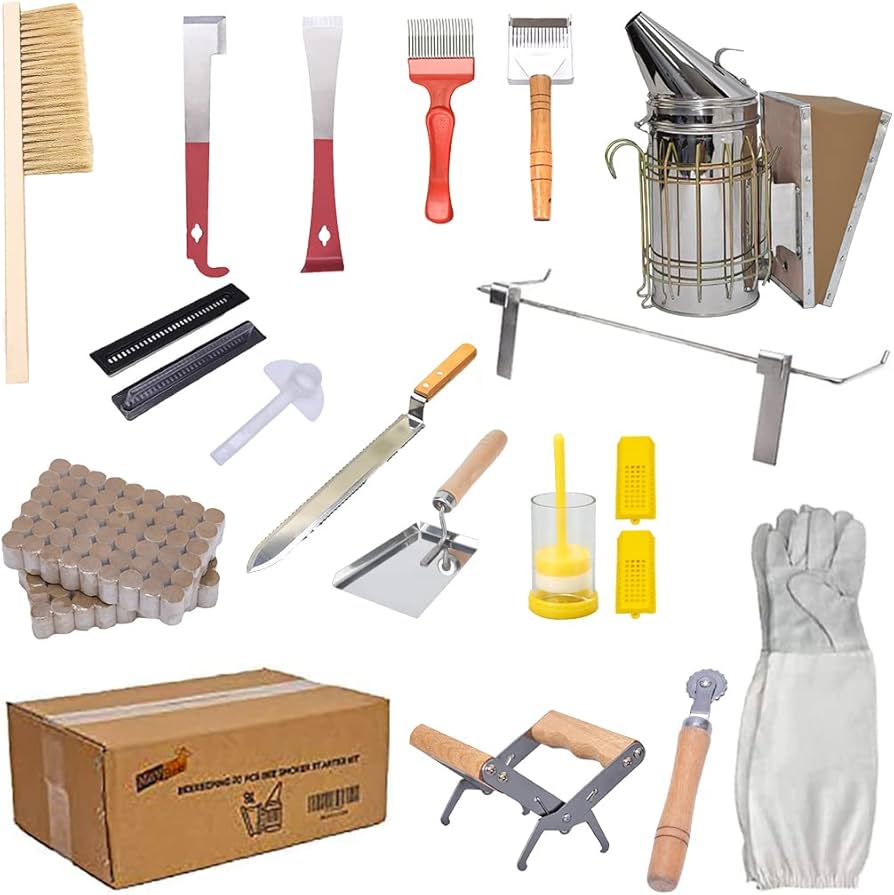
“Beekeeping Supplies”
Why Accessorize Your Bee Smart Suit?
Beekeeping is a rewarding hobby, but it requires the right gear to ensure both safety and efficiency. Accessories for your bee smart suit are not just add-ons; they are essential tools that enhance your beekeeping experience. By investing in the right accessories, you can make your beekeeping activities more enjoyable and safer.
Most importantly, accessorizing your bee suit helps you stay protected from potential stings, ensures your comfort during hive inspections, and allows you to work more effectively. The right gear can also help you manage your bees better, keeping them calm and less aggressive. So, let’s dive into the top 10 must-have accessories for your bee smart suit.
Benefits of Using the Right Accessories with Your Bee Suit
When you pair your bee smart suit with the right accessories, you enhance your protection and increase your efficiency. The right accessories ensure that you are well-prepared for any situation that might arise while working with your bees. Here are some benefits of using the right accessories:
Enhanced Protection: Accessories like helmets, veils, and gloves provide an extra layer of defense against bee stings.
Improved Comfort: Properly fitted gear can make a significant difference in your comfort level during long periods of beekeeping.
Increased Efficiency: Tools like smokers and well-organized toolboxes can make your hive inspections more efficient.
Better Hive Management: Accessories help you manage your bees more effectively, keeping them calm and productive.
Helmet and Veil: Core Protection
The helmet and veil are perhaps the most critical components of your bee smart suit. They protect your face and head from bee stings, which are not only painful but can also be dangerous if you’re allergic. Therefore, investing in high-quality helmets and veils is crucial.
Reasons to Choose High-Quality Helmets
A high-quality helmet should be lightweight yet durable. It should provide adequate ventilation to keep you cool while working with your bees. Look for helmets with adjustable straps for a secure fit, ensuring it stays in place during your activities.
Importance of a Well-Fitted Veil
“A well-fitted veil is your best defense against face stings. Make sure it offers clear visibility and doesn’t obstruct your view while working with the hives.”
The veil should be made from fine mesh to keep bees out while allowing you to see clearly. Choose a veil that attaches securely to your helmet or suit to prevent any gaps where bees might enter.
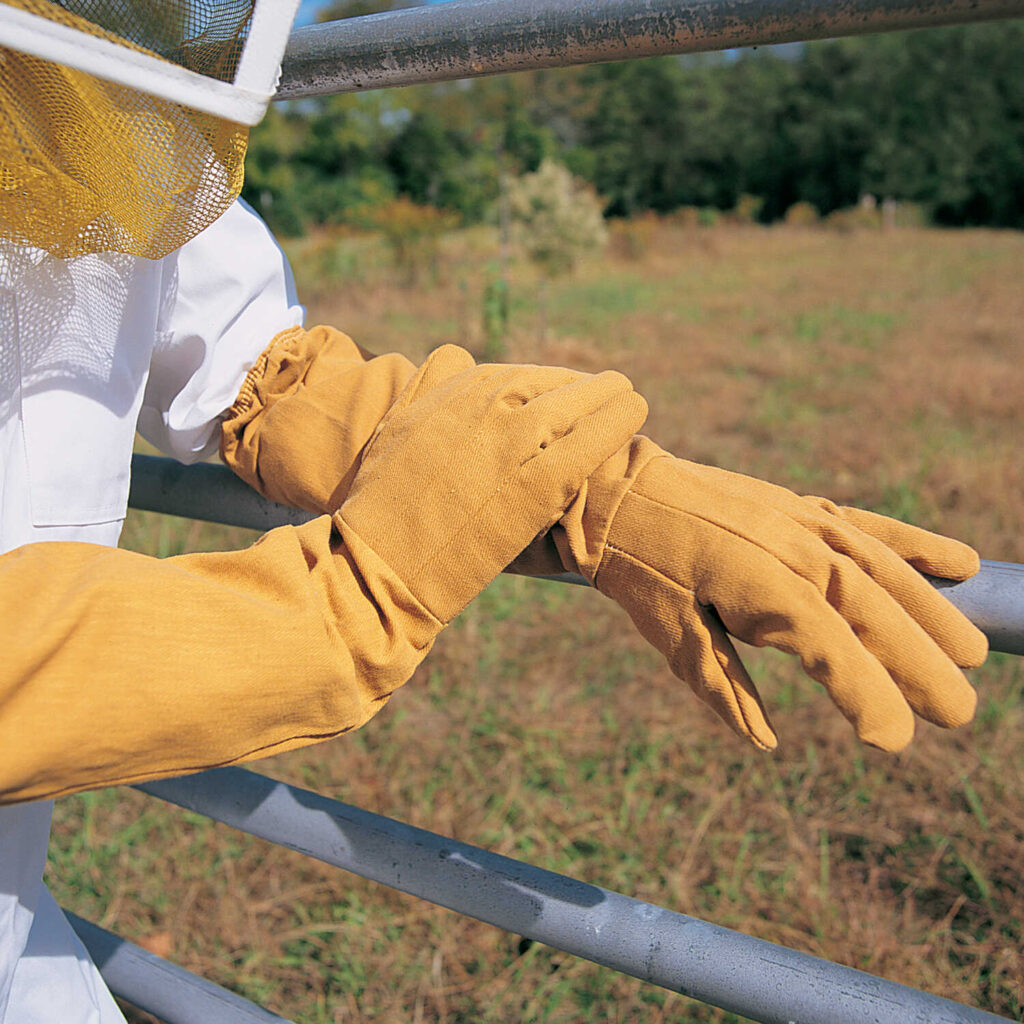
“Canvas Beekeeping Gloves” from www.forestry-suppliers.com
Gloves: Ensuring Dexterity and Safety
Gloves are another essential accessory for your bee smart suit. They protect your hands from stings and allow you to handle your bees and equipment safely. However, choosing the right gloves is crucial, as they should provide both protection and dexterity. For more information on essential beekeeping gear, you can explore the essential equipment for every beekeeper.
There are different types of gloves available, each with its own set of advantages. Let’s explore some options.
Leather Gloves: Offer excellent protection but may limit dexterity.
Nitrile Gloves: Provide good protection and allow for better dexterity.
Goat Skin Gloves: A balance between protection and flexibility.
Different Materials and Their UsesWhen selecting gloves, consider the material based on your specific needs. Leather gloves are robust and provide excellent protection, making them suitable for beginners who are still getting comfortable with their bees. However, they can be a bit stiff, which might limit your ability to handle delicate tasks.
On the other hand, nitrile gloves are thinner and offer better dexterity, making them ideal for experienced beekeepers who need to perform precise tasks. They are also disposable, which is a bonus for hygiene.
Goat skin gloves are a popular choice among beekeepers because they offer a balance between protection and flexibility. They are soft and allow for more movement, which can be beneficial when working with frames and hive components.
When to Use Gloves and When to Go Without
While gloves provide essential protection, there are times when you might consider going without them. Some experienced beekeepers prefer to work without gloves to have better control and feel of the frames and bees. This is usually done when the beekeeper is confident and familiar with their hives.
However, if you are new to beekeeping or working with aggressive bees, wearing gloves is highly recommended. It’s always better to err on the side of caution and protect yourself from potential stings.
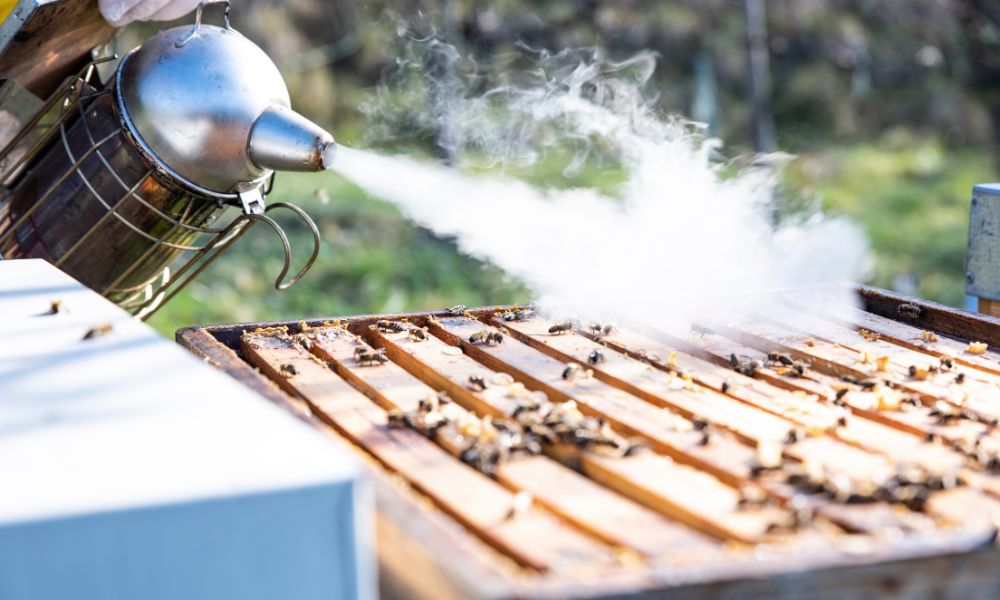
“How To Use a Beehive Smoker Safely and …” from thebfarm.com
Smoker: Essential for Hive Management
A smoker is an indispensable tool for any beekeeper. It helps keep bees calm, making hive inspections and maintenance easier and safer. The smoke masks the alarm pheromones released by bees, reducing their aggression and making them less likely to sting.
How a Smoker Keeps Bees Calm
When bees sense smoke, they instinctively begin to consume honey in preparation for a potential hive evacuation. This makes them more docile and less likely to sting. Using a smoker during hive inspections can help you manage your bees more effectively and reduce stress for both you and your bees.
Choosing the Right Smoker Fuel
The type of fuel you use in your smoker can impact its effectiveness. Common smoker fuels include pine needles, burlap, and wood pellets. Each has its own benefits, so it’s essential to choose the right one for your needs.
Pine needles are a popular choice because they produce a cool, white smoke that is gentle on the bees. Burlap is another option that burns slowly and produces a steady stream of smoke. Wood pellets are convenient and easy to use, providing consistent smoke output. For more information on essential beekeeping tools, check out this essential equipment guide.
Experiment with different fuels to find the one that works best for you and your bees. The goal is to produce a steady, cool smoke that calms the bees without causing them harm.
Footwear: Secure and Comfortable Options
When it comes to beekeeping, your choice of footwear can significantly impact your safety and comfort. Bees can be unpredictable, and stings to the feet and ankles are not uncommon. Therefore, it’s crucial to wear boots that provide adequate protection while being comfortable enough for extended wear.
A good pair of boots will keep you safe from bee stings and other hazards you might encounter in the apiary. Look for footwear that is sturdy, durable, and offers excellent traction to prevent slips and falls.
Best Types of Boots for Beekeeping
There are several types of boots that are well-suited for beekeeping. Rubber boots are a popular choice due to their waterproof nature and ease of cleaning. They provide excellent protection against stings and are ideal for wet or muddy conditions.
Leather boots are another option, offering durability and comfort. They are breathable, which can help keep your feet cool during hot weather. However, make sure they are high enough to prevent bees from getting inside.
Protective Features to Look For
When selecting boots for beekeeping, consider the following protective features:
Height: Choose boots that extend above the ankle to prevent bees from entering.
Closure: Look for boots with secure closures, like laces or zippers, to ensure a snug fit.
Sole: Opt for boots with non-slip soles to provide traction on various surfaces.
Material: Consider waterproof materials to keep your feet dry in wet conditions.
Full-Body Suit Options: Comprehensive Safety
A full-body bee suit offers comprehensive protection against stings and is an essential part of your beekeeping gear. These suits cover your entire body, leaving no exposed skin for bees to target. They are especially beneficial for beginners or those working with aggressive hives. For more information on essential beekeeping equipment, check out this guide on essential equipment for every beekeeper.
Full-body suits come in various styles and materials, each offering different levels of protection and comfort. Choosing the right suit can make a significant difference in your beekeeping experience.
Different Styles and Their Advantages
|
Style |
Advantages |
|---|---|
|
Coverall |
Provides full coverage and is easy to put on and take off. |
|
Jacket and Pants |
Offers flexibility and can be worn separately for less intensive tasks. |
|
Ventilated Suit |
Allows air circulation, keeping you cool during hot weather. |
Each style has its benefits, and the choice depends on your personal preference and the specific conditions you’ll be working in. For more insights, check out our guide on the best ventilated suits for maximum protection.
For instance, a ventilated suit is ideal for beekeepers in warmer climates, as it provides excellent airflow, reducing the risk of overheating. On the other hand, a coverall offers maximum protection and is perfect for those working with aggressive bees or in cooler environments.
It’s also worth considering suits with elastic cuffs and ankles, as these features help keep bees out and ensure a secure fit. Adjustable hoods and veils can also enhance your comfort and visibility while working with the hives. For more information on essential equipment, check out this guide for every beekeeper.
Material Considerations for Comfort
The material of your bee suit plays a crucial role in your comfort and safety. Cotton is a common choice due to its breathability and comfort. It allows air to circulate, helping to keep you cool during long hours in the apiary. For more options, check out this guide to lightweight breathable bee suits.
Synthetic materials like polyester are lightweight and durable, making them suitable for beekeepers who need a robust suit that can withstand frequent use. Some suits combine materials to offer the best of both worlds, providing comfort and durability.
Tool Box: Keeping Your Equipment Organized
An organized toolbox is essential for efficient beekeeping. It ensures that you have all the necessary tools at hand, reducing the time spent searching for equipment and allowing you to focus on your bees.
Essential Tools to Have On Hand
Your toolbox should contain the following essential beekeeping tools:
Hive Tool: Used for prying apart frames and scraping off excess wax and propolis.
Bee Brush: Gently removes bees from frames without harming them.
Frame Grip: Helps lift frames easily, reducing the risk of dropping them.
Smoker: Keeps bees calm during inspections.
Queen Catcher: Safely captures and holds the queen bee for marking or inspection.
Toolbox vs. Wearable Belts
While a traditional toolbox is convenient for storing and transporting your equipment, a wearable belt offers hands-free access to your tools while working with the hives. This can be particularly useful during hive inspections, allowing you to move freely and efficiently.
Consider your beekeeping style and preferences when deciding between a toolbox and a wearable belt. If you have a large apiary and need to move between multiple hives, a wearable belt might be more practical. However, if you primarily work in one location, a toolbox can keep your tools organized and easily accessible.
Stops the Sting Ointment: Quick Relief
Even with the best protective gear, bee stings can still happen. Having a reliable sting ointment on hand can provide quick relief and reduce discomfort. These ointments are designed to alleviate pain, swelling, and itching associated with bee stings.
Keep a tube of sting ointment in your beekeeping kit or toolbox, so it’s readily available when you need it. It’s also a good idea to familiarize yourself with the symptoms of allergic reactions and have an emergency plan in place.
Here are some popular sting relief options:
Antihistamine Creams: Reduce swelling and itching.
Hydrocortisone Creams: Provide anti-inflammatory benefits.
Cold Compresses: Help numb the area and reduce pain.
Why Have Sting Treatment Available?
Having sting treatment readily available is crucial for managing the discomfort of bee stings and preventing complications. Quick treatment can minimize pain and swelling, allowing you to continue your beekeeping activities with minimal disruption. For more information on protective gear, consider exploring the benefits of a Bee Smart Suit.
Top Products for Sting Care
Some top-rated sting relief products include After Bite, StingEze, and Burt’s Bees Res-Q Ointment. These products are easy to apply and provide fast-acting relief, making them valuable additions to your beekeeping kit.
Storage Solutions for Equipment
Proper storage of your beekeeping equipment is essential for maintaining its condition and ensuring longevity. Keeping your gear organized and protected from the elements will help it last longer and perform better.
Consider investing in storage solutions like durable bins or shelving units to keep your equipment tidy and accessible. Labeling your storage containers can also help you quickly locate the items you need when preparing for hive inspections or other beekeeping tasks.
How to Organize Your Beekeeping Gear
Keeping your beekeeping gear organized is essential for efficiency and safety. When your tools and equipment are in order, you can focus more on the bees and less on searching for the right tool. To start, categorize your gear based on its use. For example, keep all protective clothing in one section, tools in another, and any educational resources in a separate area.
Use storage bins or shelves to keep everything tidy. Label each bin clearly so you can quickly find what you need. It’s also helpful to have a designated spot for items you use frequently, like your hive tool or smoker, so they are always within reach.
Regularly check your equipment for wear and tear. This ensures that everything is in good working condition and ready for your next beekeeping session. A little maintenance goes a long way in prolonging the life of your gear.
Tips for Maintaining Gear Longevity
Maintaining your beekeeping gear involves regular cleaning and proper storage. After each use, clean your tools to remove any residue or debris. This not only keeps them in good condition but also prevents the spread of diseases among your bees.
Store your protective clothing in a dry, cool place to prevent mold and mildew. If your suit gets stained or damaged, address it immediately to avoid long-term damage. Regularly inspect your gear for signs of wear and replace any items that are no longer effective.

Educational Resources: Boosting Your Beekeeping Knowledge
Knowledge is a crucial part of successful beekeeping. Continually learning about bees and beekeeping practices can enhance your experience and improve your hive management skills. There are many resources available to help you expand your knowledge, such as exploring guides on cotton beekeeper suits.
Books, online forums, and workshops offer valuable insights and tips from experienced beekeepers. These resources can help you stay updated on the latest beekeeping trends and techniques, ensuring you’re always prepared for any challenges that arise.
Books and Online Forums
Books are a fantastic way to delve deep into the world of beekeeping. Titles like “The Beekeeper’s Bible” and “Beekeeping for Dummies” are great starting points for both beginners and seasoned beekeepers. They cover everything from bee biology to advanced hive management techniques.
Online forums and communities, such as Beekeeping Forums and Reddit’s beekeeping subreddit, provide platforms for beekeepers to share experiences and advice. Engaging in these communities can connect you with other enthusiasts and offer support as you navigate your beekeeping journey.
Connecting with Local Beekeepers
Joining a local beekeeping club or association can be incredibly beneficial. These groups offer hands-on learning opportunities and allow you to network with other beekeepers in your area. Many clubs host regular meetings, workshops, and hive inspections, providing valuable practical experience.
By connecting with local beekeepers, you can gain insights into regional challenges and solutions, which can be particularly helpful if you’re new to beekeeping or have recently relocated.
Finishing Touches on Ensuring a Great Beekeeping Experience
To ensure a successful and enjoyable beekeeping experience, it’s essential to integrate the right accessories and continually update your gear based on your experiences. This approach not only enhances your safety and efficiency but also improves your relationship with your bees.
Remember, beekeeping is a dynamic activity that requires ongoing learning and adaptation. Stay curious, seek new knowledge, and always be open to adjusting your practices as you gain more experience.
Integrating Accessories for Optimal Performance
The key to optimal performance in beekeeping lies in the integration of the right accessories. Each accessory should serve a specific purpose and enhance your beekeeping tasks. For example, a well-organized toolbox can streamline your hive inspections, while a quality veil can keep you comfortable and focused.
Evaluate your current gear and identify any areas for improvement. Whether it’s upgrading your gloves for better dexterity or investing in a more efficient smoker, these enhancements can make a significant difference in your beekeeping experience.
Continually Updating Your Gear Based on Experience
“Experience is the best teacher. As you spend more time with your bees, you’ll learn what works best for you and your hives. Use this knowledge to guide your gear updates and ensure you’re always equipped for success.”
Regularly assess your beekeeping practices and gear to identify opportunities for improvement. This might involve replacing worn-out equipment, experimenting with new tools, or adopting new techniques based on the latest research.
Keeping your gear updated ensures that you can tackle any challenges that come your way and continue to enjoy the rewarding experience of beekeeping.
Frequently Asked Questions
To help you get started or improve your beekeeping practices, here are answers to some common questions.
What is the main purpose of using a bee smoker?
A bee smoker is used to calm bees during hive inspections. The smoke masks the bees’ alarm pheromones, reducing their aggression and making them less likely to sting. This allows beekeepers to work more safely and efficiently.
How do I choose the right material for my gloves?
The right material for your gloves depends on your needs. Leather gloves offer excellent protection but may limit dexterity. Nitrile gloves provide better dexterity and are suitable for more delicate tasks. Consider your comfort level and the type of work you’ll be doing when selecting gloves.
What are the benefits of a full-body bee suit?
A full-body bee suit offers comprehensive protection against stings, covering your entire body and minimizing exposed skin. This is especially beneficial for beginners or those working with aggressive hives, providing peace of mind and allowing you to focus on your beekeeping tasks. For more insights, check out this guide on ventilated suits for maximum protection.
How can I prolong the life of my beekeeping gear?
To prolong the life of your beekeeping gear, practice regular cleaning and maintenance. Store your equipment in a dry, cool place to prevent damage, and inspect it frequently for signs of wear. Address any issues promptly to keep your gear in top condition.
By following these tips and continually updating your gear based on your experiences, you can enjoy a successful and rewarding beekeeping journey. Remember, beekeeping is an ongoing learning process, and staying informed and prepared will help you thrive in this fascinating hobby.




Leave a Reply