
Key Takeaways
- Swarm trap removal kits are crucial for safely relocating bee swarms without harming the bees or the environment.
- These kits help prevent unwanted bee colonization in residential or public areas.
- Using a swarm trap removal kit can enhance beekeeping practices by providing a cost-effective way to expand hives.
- Key components of a kit include pheromone lures, safety gear, and essential tools for handling bees.
- Proper setup and maintenance of swarm traps ensure their effectiveness in capturing swarms.
Why Swarm Trap Removal Kits Matter

“Honeybee Swarm Trap-THE INTERCEPTOR PRO …” from www.amazon.com
Swarm trap removal kits play a vital role in beekeeping, offering an effective solution for managing bee populations. They are indispensable for anyone involved in beekeeping, whether you’re a hobbyist or a commercial beekeeper. These kits not only help in capturing swarms but also ensure the bees’ safe relocation to a more suitable environment.
The Role of Swarm Traps in Beekeeping
Swarm traps are designed to attract and capture swarms of bees, which are groups of bees that leave their original hive to establish a new colony. This natural behavior occurs when a hive becomes overcrowded or when the bees decide to find a new home. By using swarm traps, beekeepers can manage this process, capturing swarms before they settle in inconvenient or unsafe locations.
Swarm traps are strategically placed in areas where bees are likely to swarm. They are equipped with lures that mimic the pheromones of a queen bee, attracting the swarm into the trap. Once captured, the swarm can be safely relocated to a designated hive, ensuring both the safety of the bees and the community.
Protecting Bees and Communities
Swarm trap removal kits not only protect bees but also safeguard communities. Bees are essential pollinators, and their presence in urban or residential areas can lead to conflicts, especially if they establish hives in homes or public spaces. By using swarm traps, beekeepers can prevent these unwanted situations, relocating swarms to more appropriate locations.
Ensuring Hive Health and Expansion
Using swarm trap removal kits is also beneficial for maintaining hive health and promoting expansion. Capturing swarms provides beekeepers with the opportunity to introduce new genetic diversity into their apiaries, strengthening the overall health of their bee populations. Additionally, it allows for the expansion of hives without the need to purchase new bees, which can be costly.
Key Benefits of Swarm Trap Removal Kits
Swarm trap removal kits offer several key benefits that make them an essential tool for beekeepers. These benefits range from environmental advantages to practical improvements in beekeeping practices.
- Environmentally Friendly Relocation
- Enhancement of Beekeeping Practices
- Cost-Effective Solution for Hive Expansion
- Reduction of Unwanted Colonization
Environmentally Friendly Relocation
One of the most significant advantages of using swarm trap removal kits is the environmentally friendly approach they offer for relocating bee swarms. Instead of exterminating swarms that settle in unwanted areas, these kits provide a humane way to capture and move them. This method not only preserves the bees but also supports biodiversity by maintaining healthy bee populations.
By safely relocating swarms, beekeepers can contribute to the preservation of bee species, which are crucial for pollination and maintaining ecological balance. This approach aligns with conservation efforts and promotes sustainable beekeeping practices.
Enhancement of Beekeeping Practices
Swarm trap removal kits enhance beekeeping practices by providing beekeepers with a reliable method for capturing and managing swarms. This capability allows beekeepers to effectively control their bee populations, ensuring that their hives remain productive and healthy. For those starting out, understanding the basics of beekeeping is crucial, and this beginner guide offers valuable tips and advice.
Moreover, these kits enable beekeepers to experiment with different swarm capture techniques and improve their skills. By learning how to use swarm traps effectively, beekeepers can optimize their operations, leading to better hive management and increased honey production.
Components of an Effective Swarm Trap Removal Kit
- Bee Brush
- Hive Box
- Pheromone Lures
- Protective Gear
- Straps and Duct Tape
A well-prepared swarm trap removal kit is essential for anyone serious about beekeeping. These kits contain all the necessary tools to safely capture and relocate bee swarms. Each component plays a crucial role in ensuring the process is efficient and safe for both the bees and the beekeeper.
The most basic element of the kit is the bee brush, which is used to gently coax bees into a hive box. The hive box acts as a temporary home for the swarm until it can be relocated to a permanent hive. Both of these tools are indispensable for capturing swarms without causing harm to the bees. For more information on maintaining healthy colonies, check out our guide on varroa mite treatments.
Additionally, pheromone lures are included in the kit to attract swarms into the trap. These lures mimic the scent of a queen bee, making the trap more appealing to wandering swarms. Proper use of pheromone lures significantly increases the chances of successfully capturing a swarm. For more information, you can explore what should you include in a swarm catching kit.
Essential Tools and Equipment
Every effective swarm trap removal kit should include a set of essential tools. These tools ensure that the process of capturing and relocating swarms is as smooth as possible. A bee brush is used to gently guide bees into the hive box, minimizing disturbance and stress for the swarm.
The hive box, often included in the kit, provides a secure place for the bees once captured. It’s crucial that the box is sturdy and well-ventilated to keep the bees comfortable during transport. Straps and duct tape are also vital, as they help secure the box and prevent it from shifting during relocation.
Pheromone Lures and Their Uses
Pheromone lures are a key component of any swarm trap removal kit. These lures release a scent similar to that of a queen bee, attracting swarms to the trap. Using pheromone lures effectively can greatly increase the success rate of capturing swarms. For more information on essential tools, check out our guide on efficient beekeeping tools.
Safety Gear for Beekeeper Protection
Safety gear is an essential part of any swarm trap removal kit. Beekeepers should always wear protective clothing, including a bee suit, gloves, and a veil, to prevent stings during the swarm capture process. This gear not only protects the beekeeper but also allows them to work confidently around the bees.
How to Use a Swarm Trap Removal Kit
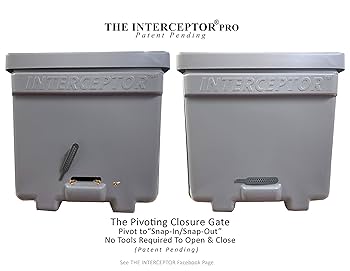
“Honeybee Swarm Trap-THE INTERCEPTOR PRO …” from www.amazon.com
Using a swarm trap removal kit effectively requires a bit of knowledge and practice. However, with the right approach, anyone can successfully capture and relocate swarms. Here are some general steps to guide you through the process:
- Choose a suitable location for the trap.
- Set up the hive box and secure it with straps.
- Place pheromone lures inside the trap.
- Monitor the trap regularly for activity.
- Safely relocate the captured swarm to a new hive.
By following these steps, you can ensure that the process is both safe and effective. It’s important to remain patient and calm throughout, as this will help keep the bees relaxed and reduce the risk of stings.
Step-by-Step Guide for Setting Up a Trap
Setting up a swarm trap involves several steps that need to be followed carefully. First, select a location where bees are likely to swarm. This could be near existing hives or in areas with plenty of flowers. Once a location is chosen, set up the hive box and secure it using straps and duct tape to prevent movement.
Next, place pheromone lures inside the trap to attract bees. These lures should be replaced regularly to maintain their effectiveness. Finally, check the trap frequently to see if a swarm has been captured. Once a swarm is inside, carefully close the hive box and transport it to a new hive location.
Example: A beekeeper in Texas successfully captured three swarms in one season by placing traps near wildflower fields and using fresh pheromone lures every two weeks.
Appropriate Locations for Trap Placement
Choosing the right location for your swarm trap is crucial. Look for areas with plenty of bee activity, such as near existing hives or in gardens with abundant flowers. Trees or shrubs that provide some shade can also be ideal, as they offer protection from harsh weather.
Monitoring and Maintenance Tips
Regular monitoring of your swarm traps is essential to ensure their success. Check traps every few days to see if they’ve captured a swarm, and replace pheromone lures as needed to maintain their effectiveness. Additionally, inspect the hive box for any signs of damage and repair it promptly to keep it secure.
Making the Most of Your Swarm Trap Removal Kit
To get the best results from your swarm trap removal kit, it’s important to maintain and care for all components. Store the kit in a dry, cool place when not in use, and clean all tools regularly to prevent the spread of diseases. By taking these steps, you can ensure that your kit remains effective and ready for use whenever you need it. For beginners, understanding the essentials of beekeeping can be beneficial, so consider exploring this beginner’s guide to beekeeping.
Best Practices for Kit Storage and Care
Proper storage and care of your swarm trap removal kit can significantly extend its lifespan and ensure its effectiveness. Keep all components in a dry, cool area to prevent damage from moisture and heat. This is especially important for pheromone lures, which can lose potency if exposed to extreme conditions. Additionally, ensure that the hive box and other tools are cleaned after each use to avoid contamination.
Regular Inspection and Replacement of Components
Inspect your swarm trap removal kit regularly to identify any worn or damaged parts. Pheromone lures, in particular, should be replaced frequently to maintain their ability to attract swarms effectively. Check the hive box for any signs of wear and repair or replace it as necessary. By keeping your kit in good condition, you can ensure that it remains ready for use whenever you need it.
It’s also wise to periodically test the fit and functionality of safety gear, such as gloves and veils. This ensures that you’re adequately protected during the swarm capture process. If any gear is found to be inadequate, replace it immediately to maintain safety standards. For more efficient beekeeping practices, consider exploring efficient beekeeping tools and hive management supplies.
Moreover, consider keeping a checklist of all components to easily track what might need replacement or maintenance. This proactive approach helps avoid any last-minute surprises when you need to use the kit urgently.
Tips for Maximizing Trap Effectiveness
Maximizing the effectiveness of your swarm trap involves strategic placement and regular maintenance. Always place traps in areas with high bee activity, such as near flowering plants or existing hives. Ensure that traps are secure and stable, using straps and duct tape as necessary.
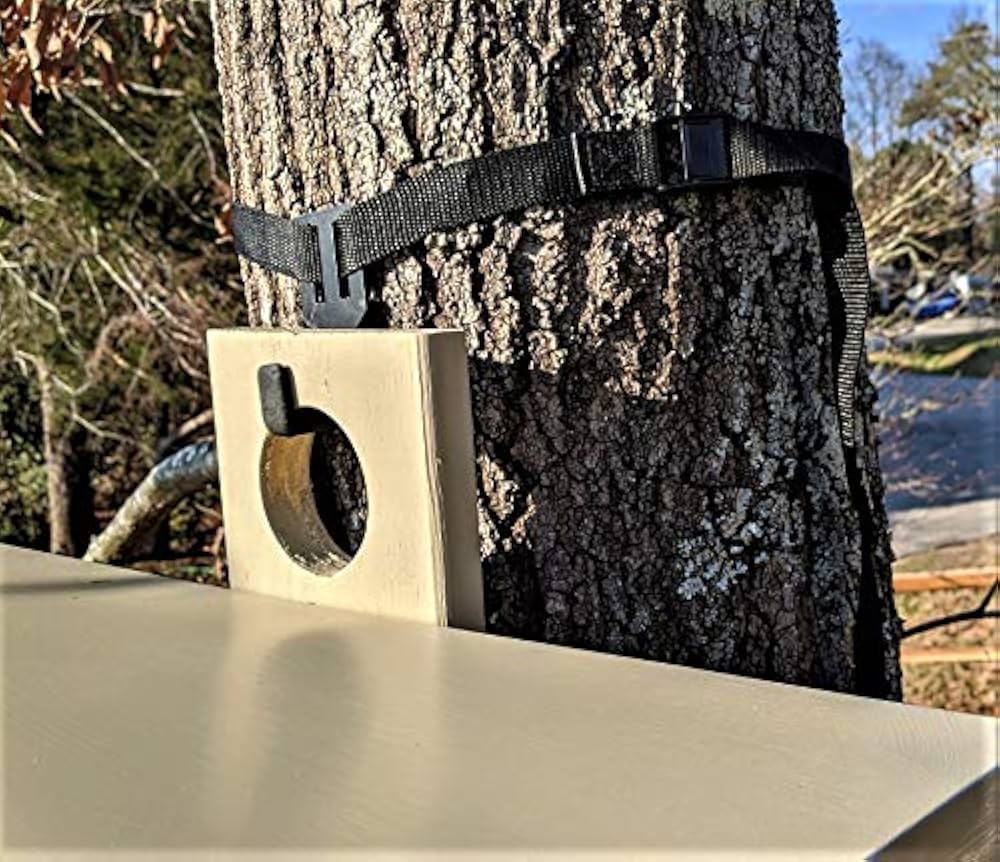
“Amazon.com : Swarm Trap Hanger – Hang …” from www.amazon.com
Regularly check and refresh pheromone lures to keep them potent. This will increase the likelihood of attracting swarms to your trap. Additionally, observe the behavior of local bee populations to adjust trap placements as needed. By understanding bee behavior and adapting your strategy, you can improve your chances of successfully capturing swarms.
Frequently Asked Questions (FAQ)
Here are some common questions about using swarm trap removal kits, along with clear and concise answers to help you get the most out of your beekeeping experience.
When is the best time to set up a swarm trap?
The best time to set up a swarm trap is during the spring and early summer months. This is when bees are most likely to swarm as they seek new locations for their colonies. Setting up traps early in the season increases your chances of capturing swarms before they settle in less desirable areas.
How do pheromone lures attract bees?
Pheromone lures work by mimicking the scent of a queen bee, which is highly attractive to swarming bees. When bees detect this scent, they are drawn to the source, believing it to be a new potential home with a queen already present.
These lures are an essential component of swarm traps, as they significantly increase the likelihood of capturing swarms. Regular replacement of these lures is crucial to maintaining their effectiveness.
By using pheromone lures, beekeepers can strategically attract swarms to traps, ensuring a successful capture and relocation process.
What safety precautions should be followed during trap removal?
When removing a swarm trap, always wear full protective gear, including a bee suit, gloves, and a veil. This gear protects you from potential stings, especially if the bees become agitated during the process. Approach the trap calmly and avoid sudden movements that could disturb the bees.
Secure the hive box lid tightly before transporting the swarm to prevent bees from escaping. Use straps to stabilize the box during transport. It’s also advisable to choose a cooler time of day, such as early morning or late evening, when bees are less active.
How often should I check my swarm traps?
Check your swarm traps at least once a week during the active swarming season. Regular monitoring allows you to quickly identify and address any issues, such as a captured swarm or damaged equipment. Frequent checks also ensure that pheromone lures remain effective and that the trap is in optimal condition.
Can swarm traps be reused after capturing a swarm?
Yes, swarm traps can be reused after capturing a swarm. However, it’s important to clean and inspect the trap thoroughly before setting it up again. Remove any debris or residue left by the previous swarm, and ensure that all components are intact and functioning properly. For more detailed guidance, you can refer to resources on swarm traps and bait hives.
Replace pheromone lures to maintain their attractiveness to future swarms. By keeping the trap in good condition, you can continue to use it effectively for multiple swarming seasons.
In conclusion, swarm trap removal kits are invaluable tools for beekeepers, offering a humane and efficient way to manage bee populations. By understanding their components and proper use, you can enhance your beekeeping practices and contribute to the conservation of these vital pollinators. For those new to beekeeping, exploring beehive kits and beginner guides can provide additional insights and support.




Leave a Reply