
Beekeeping is an art that combines patience, skill, and the right tools. Whether you’re just starting out or have been tending to hives for years, the tools you use can make a significant difference in the efficiency and success of your beekeeping endeavors.
Key Takeaways
- Efficient beekeeping tools can significantly enhance hive productivity and reduce labor time.
- Essential tools for beginners include a hive tool, bee brush, and smoker.
- Advanced beekeepers benefit from equipment like electric honey extractors and pollen traps.
- Proper maintenance of tools is crucial for their longevity and effectiveness.
- Choosing the right tools depends on hive size, type, and your budget.
Why Efficient Tools Transform Beekeeping
“Hive Tool Kit – Two Hives Honey – Honey …” from www.twohiveshoney.com
Efficient tools are the backbone of successful beekeeping. They help streamline tasks, reduce physical strain, and improve the overall health and productivity of your bees. Let’s explore how these tools make a difference.
Improving Hive Productivity
When your tools work efficiently, your bees can too. For instance, using a smoker helps calm bees, making it easier to inspect the hive without causing stress. A calm hive is a productive hive, as bees are less likely to become defensive and more likely to focus on their tasks.
Moreover, ergonomic tools reduce the time spent on each task, allowing you to manage more hives with the same effort. This means more honey, more beeswax, and ultimately, a more profitable beekeeping operation.
Benefits of Reduced Labor Time
Time is a precious commodity, especially in beekeeping. With efficient tools, tasks like honey extraction and hive inspection become quicker and less labor-intensive. For example, an electric honey extractor can save hours compared to manual extraction methods.
Reducing labor time not only saves energy but also allows you to focus on other important aspects of beekeeping, such as monitoring bee health and planning for seasonal changes.
Enhancing Bee Health and Safety
The right tools also contribute to the safety and health of your bees. For instance, using a bee brush to gently remove bees from frames prevents injury and stress to the colony. Similarly, precise tools for hive management ensure minimal disruption to the hive’s structure and operation. For those interested in urban beekeeping, there are top tools and devices that can simplify life and enhance hive management.
Keeping your bees healthy and safe leads to stronger colonies, which are better equipped to resist diseases and pests. This, in turn, supports the sustainability and growth of your apiary.
Must-Have Beekeeping Tools
Now that we understand the importance of efficient tools, let’s delve into the essential tools that every beekeeper should have in their arsenal. Whether you’re a beginner or a seasoned beekeeper, these tools are indispensable.
Essential Tools for Beginners
Starting with the basics is crucial for new beekeepers. Here are the must-have tools:
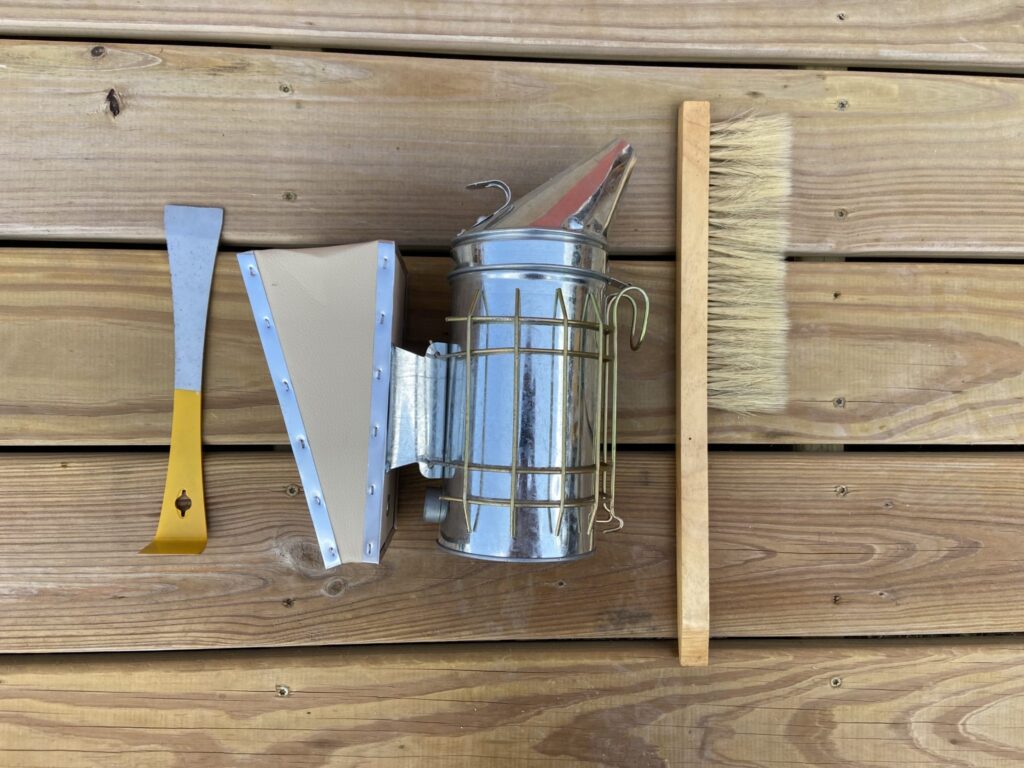
- Hive Tool: This is a multi-purpose tool used for prying apart frames and scraping off excess wax and propolis.
- Bee Brush: A soft-bristled brush used to gently move bees off frames without harming them.
- Smoker: Essential for calming bees during hive inspections, making it safer and easier to work with them.
These tools form the foundation of your beekeeping toolkit, enabling you to perform basic hive maintenance and inspections efficiently.
Advanced Equipment for Experienced Keepers
Once you have mastered the basics, it’s time to consider more advanced equipment that can further enhance your beekeeping efficiency. These tools are perfect for those who have a few seasons under their belt and are ready to take their beekeeping to the next level.
One such tool is the electric honey extractor. Unlike manual extractors, electric models can handle larger volumes of honey and require less physical effort. This is especially beneficial during peak honey harvest times when efficiency is key.
Another valuable piece of equipment is the pollen trap. This tool allows you to collect pollen, a valuable product that can be sold or used to supplement the bees’ diet during times of scarcity. Pollen traps are designed to collect pollen without harming the bees, making them a sustainable choice for experienced beekeepers.
Specialized Tools for Unique Beekeeping Techniques
For those interested in exploring unique beekeeping techniques, specialized tools are available to support these methods. For example, top bar hives require different tools compared to traditional Langstroth hives. A top bar hive tool is specifically designed to manage these hives, making it easier to harvest honey and inspect the comb.
Additionally, if you’re interested in queen rearing, specialized tools such as grafting kits and queen cages are essential. These tools help in the delicate process of raising new queens, ensuring that your colonies remain strong and productive.
Top Hive Management Supplies
“Blisstime 17pcs Beekeeping Supplies …” from www.amazon.com
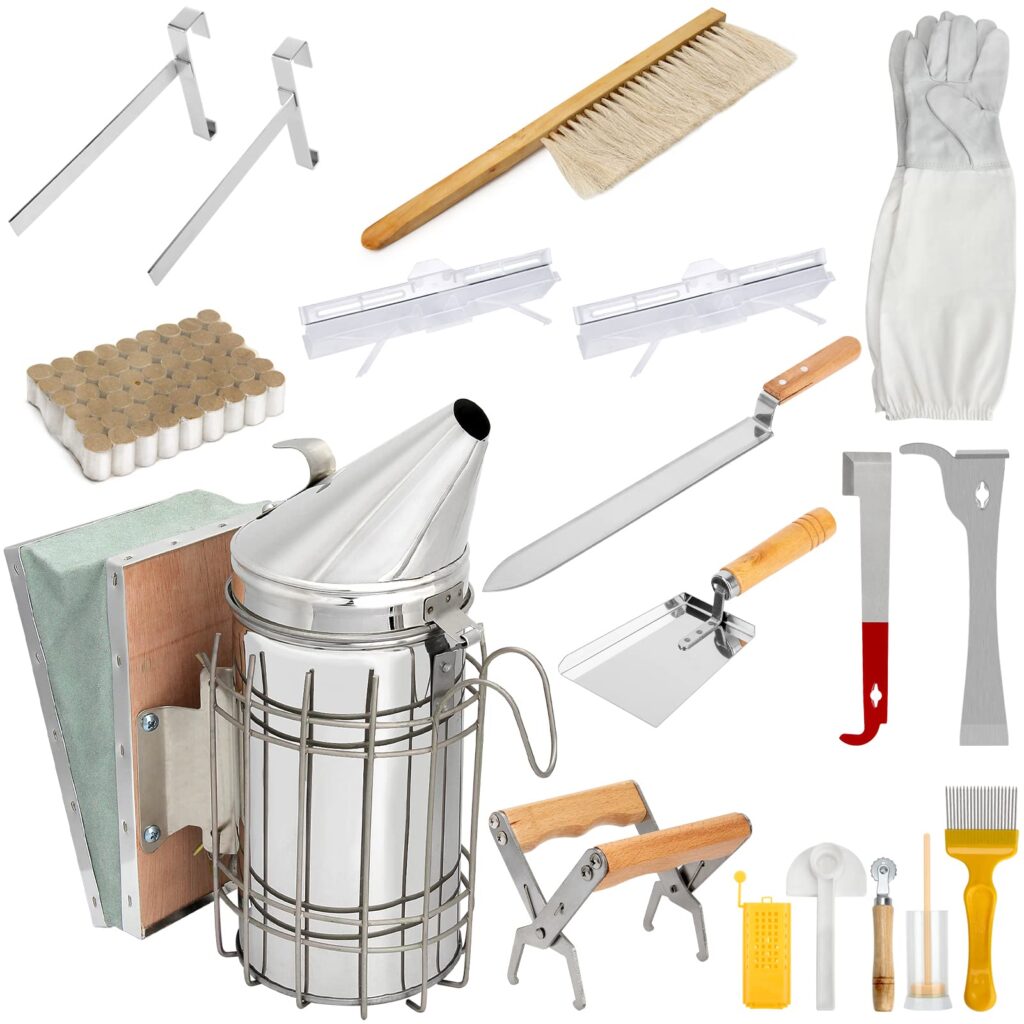
Beyond tools, having the right supplies is crucial for maintaining a healthy and productive hive. These supplies help you manage seasonal changes, extract honey efficiently, and store your products safely.
Seasonal Supplies for Hive Maintenance
Each season brings its own challenges and opportunities for beekeeping. Having the right supplies on hand can make all the difference. In spring, for example, you’ll need sugar syrup to feed your bees as they build up their colony after winter.
In the fall, consider using entrance reducers and insulation to prepare your hives for the colder months. These supplies help protect your bees from harsh weather conditions and reduce the risk of pests entering the hive.
Honey Extraction Essentials
Harvesting honey is one of the most rewarding aspects of beekeeping. To do it efficiently, you’ll need a few key supplies. A honey extractor is a must-have, as it allows you to quickly and easily remove honey from the frames without damaging the comb. For those interested in sustainable practices, consider exploring eco-friendly beekeeping supplements to support your hive’s health.
Other essential supplies include uncapping tools, such as a hot knife or uncapping fork, to remove the wax cappings from the honeycomb. A honey strainer is also important to filter out any impurities, ensuring that your honey is pure and ready for consumption or sale.
Storage Solutions for Collected Products
Proper storage is crucial for maintaining the quality of your honey and other hive products. Food-grade buckets with airtight lids are ideal for storing honey, as they prevent contamination and preserve freshness.
For beeswax, consider using wax molds or silicone trays to shape and store the wax until you’re ready to use it. Proper storage solutions help extend the shelf life of your products and ensure that they remain in excellent condition.
Tips for Using Beekeeping Tools Effectively
Having the right tools is only half the battle; knowing how to use them effectively is just as important. Here are some tips to help you make the most of your beekeeping equipment.
Proper Tool Maintenance Techniques
Maintaining your tools is essential for their longevity and performance. Regular cleaning and inspection can prevent wear and tear. For metal tools, such as hive tools and smokers, clean them with a wire brush and soapy water to remove any buildup.
Wooden tools, like bee brushes, should be stored in a dry place to prevent mold and rot. Additionally, lubricate moving parts of equipment like honey extractors to ensure smooth operation.
Best Practices for Hive Inspections
When inspecting your hives, approach them calmly and deliberately. Use your smoker sparingly to avoid overwhelming the bees. Gently pry open the hive with your hive tool, being careful not to damage the comb or disturb the bees more than necessary.
Always have a plan before you open the hive. Know what you’re looking for, whether it’s signs of disease, checking the queen’s health, or assessing honey stores. This focused approach minimizes disturbance and keeps your bees calm.
Safely Handling Tools Around Bees
Safety is paramount when working with bees. Always wear protective clothing, such as a bee suit and gloves, to prevent stings. When using tools, move slowly and deliberately to avoid startling the bees.
Keep your tools organized and within reach to reduce the time spent with the hive open. This not only protects you but also minimizes the exposure of the hive to potential threats like pests and weather. For more tips on maintaining a healthy hive, explore our urban hive management guide.
- Always inspect your tools for damage before use.
- Store tools in a clean, dry place to prevent rust and deterioration.
- Use tools for their intended purpose to avoid accidental damage.
Selecting the Right Beekeeping Gear for Your Needs
“Beekeeping Gear For Beginners – Ecrotek …” from www.ecrotek.com.au
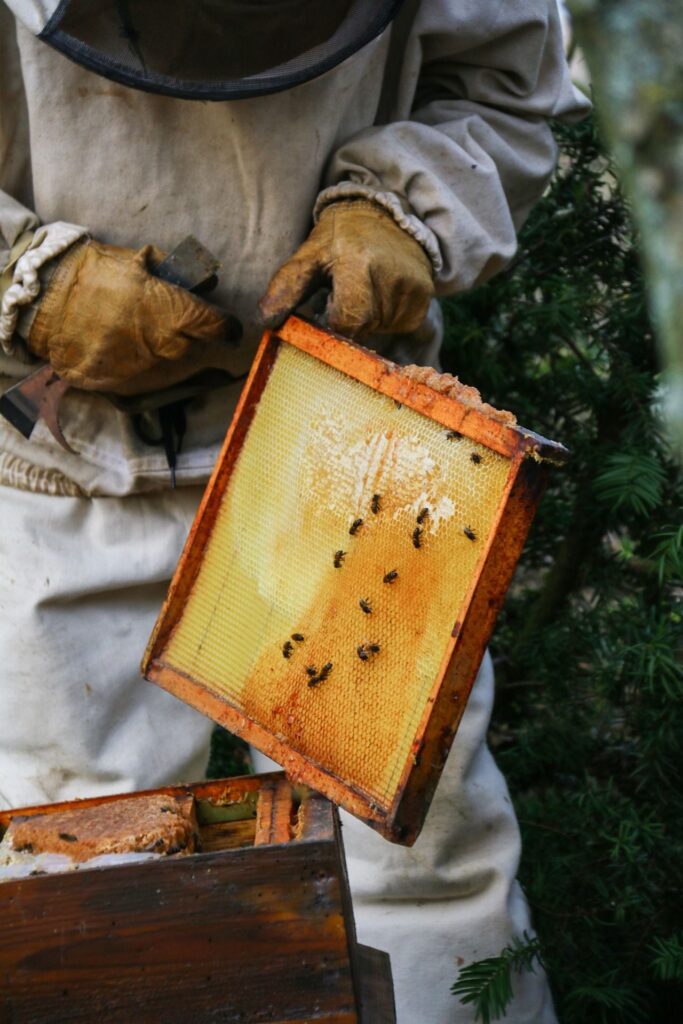
Choosing the right gear depends on several factors, including the size and type of your hive, your budget, and the availability of tools. Let’s explore how to make informed decisions when selecting your beekeeping equipment.
Considering Hive Size and Type
The size and type of your hive significantly influence the tools you’ll need. For example, a Langstroth hive requires different equipment compared to a top bar hive. Consider the specific needs of your hive type when purchasing tools. For more insights, explore this urban hive management guide.
Additionally, the number of hives you manage will impact the scale of equipment required. Larger operations may benefit from commercial-grade tools, while hobbyists may find smaller, more affordable options sufficient.
Budgeting for Beekeeping Investments
Beekeeping can be a costly endeavor, so it’s important to budget wisely. Prioritize essential tools and supplies first, then gradually invest in more advanced equipment as your skills and needs grow. For example, you can explore urban beekeeping apps to help manage your investments efficiently.
Consider purchasing second-hand equipment or joining local beekeeping clubs where you can share resources and reduce costs. Beekeeping is an investment, and with the right tools, it can be both rewarding and profitable. For more information on simplifying your beekeeping experience, explore these urban beekeeping apps.
- Start with essential tools like a hive tool, smoker, and bee brush.
- Invest in quality equipment to ensure durability and performance.
- Explore community resources to find cost-effective solutions.
Availability and Accessibility of Tools
Before purchasing tools, check their availability and accessibility. Some specialized tools may be harder to find, so plan accordingly. Local beekeeping suppliers and online stores are great places to start your search.
Additionally, consider the ease of use and maintenance of the tools you choose. Tools that are simple to use and maintain will save you time and effort in the long run, allowing you to focus more on your bees.
Maximizing the Impact of Your Beekeeping Supplies
To truly benefit from your beekeeping supplies, it’s important to integrate them into your daily practices effectively. This involves adapting to environmental changes, leveraging technology, and collaborating with other beekeepers.
For instance, using a digital hive scale can help monitor hive weight and assess colony health. This data-driven approach allows for more informed decisions and timely interventions, ultimately improving hive productivity.
Networking with other beekeepers is another powerful way to maximize your impact. Sharing experiences and knowledge can lead to new insights and techniques, enhancing your overall beekeeping strategy.
By combining traditional methods with modern technology and community support, you can create a thriving and sustainable beekeeping operation that benefits both you and your bees. Consider exploring urban beekeeping apps to simplify hive management and enhance your beekeeping practices.
Integrating Technology with Traditional Methods
Incorporating technology into traditional beekeeping practices can significantly enhance the efficiency and productivity of your apiary. For instance, digital hive scales provide real-time data on hive weight, helping you monitor the health and productivity of your colonies. These scales can alert you to changes that might indicate swarming or a drop in nectar flow, allowing you to take timely action. For more insights, explore our urban hive management guide.
Additionally, remote hive monitors can track temperature, humidity, and bee activity within the hive. This information is crucial for making informed decisions about hive management without frequent physical inspections, which can disturb the bees. By integrating these technologies, beekeepers can maintain a balance between traditional practices and modern advancements, ensuring the health and productivity of their hives. For those interested in enhancing their beekeeping practices, exploring urban beekeeping apps can be a valuable resource.
Adapting to Environmental Changes
Environmental changes, such as climate fluctuations and habitat loss, pose significant challenges to beekeeping. Adapting to these changes is crucial for maintaining healthy colonies. One effective strategy is to diversify forage sources by planting a variety of nectar and pollen-rich plants around your apiary. This provides bees with a consistent food supply throughout the year.
Furthermore, adjusting hive management practices to account for seasonal variations is essential. For example, insulating hives during colder months and providing adequate ventilation in the summer can help maintain optimal conditions for the bees. By staying informed about environmental trends and adapting your practices accordingly, you can support the resilience of your colonies.
Networking with Other Beekeepers
Networking with fellow beekeepers offers a wealth of benefits, from sharing knowledge and experiences to accessing resources and support. Local beekeeping clubs and online forums provide platforms for beekeepers to connect, exchange ideas, and collaborate on projects.
Participating in these communities can lead to valuable insights into best practices, new techniques, and emerging challenges in beekeeping. Additionally, networking can open opportunities for joint ventures, such as bulk purchasing of supplies or co-hosting educational events. By building a strong network, beekeepers can enhance their skills and contribute to the broader beekeeping community.
Conclusion: Building a Brighter Future with Efficient Beekeeping
Efficient beekeeping tools and supplies are essential for the success and sustainability of any apiary. By investing in the right equipment, adapting to environmental changes, and leveraging technology, beekeepers can enhance the health and productivity of their colonies. Networking with other beekeepers further enriches the experience, providing support and shared knowledge.
As we continue to face global challenges such as climate change and habitat loss, efficient beekeeping practices become even more critical. By embracing these strategies, we can build a brighter future for beekeeping, ensuring the survival and prosperity of both bees and beekeepers worldwide.
Frequently Asked Questions (FAQ)
What are the essential tools every new beekeeper should have?
Every new beekeeper should start with a hive tool, bee brush, and smoker. These tools are fundamental for performing basic hive inspections and maintenance. Additionally, protective clothing such as a bee suit and gloves is crucial for safety.
How do hive tools improve beekeeping efficiency?
Hive tools are multi-purpose instruments used to pry apart frames, scrape off propolis, and lift hive components. They streamline hive inspections by reducing the time and effort required to manage the hive, making beekeeping more efficient.
What is the best way to maintain beekeeping equipment?
Regular cleaning and inspection are key to maintaining beekeeping equipment. For metal tools, use a wire brush and soapy water to remove buildup. Store wooden tools in a dry place to prevent mold. Lubricate moving parts of equipment like honey extractors to ensure smooth operation.
How do I choose the right hive management supplies?
Consider the size and type of your hive, your budget, and the availability of tools. Start with essential supplies and gradually invest in advanced equipment as your needs grow. Quality and durability should be prioritized to ensure long-term use.
- Begin with essential tools like a hive tool, smoker, and bee brush.
- Invest in quality equipment to ensure durability and performance.
- Explore community resources to find cost-effective solutions.
Are there any tools that make honey extraction easier?
Yes, electric honey extractors are highly efficient and reduce the physical effort required for honey extraction. Uncapping tools, such as hot knives or uncapping forks, help remove wax cappings quickly. Honey strainers ensure that the extracted honey is pure and free of impurities.




Leave a Reply