
Key Takeaways
- Varroa mites are a major threat to bee colonies, spreading viruses and feeding on bees.
- Urban beekeepers face unique challenges due to close proximity of hives, increasing mite transmission risks.
- Varroa control kits include various treatments and tools essential for effective mite management.
- Seasonal management is crucial; strategies vary from prevention in spring to intense treatment in fall.
- Consistent monitoring and adapting strategies based on mite levels are key to maintaining hive health.

“Mini Urban Beehives – Eco Bee Box …” from ecobeebox.com
Urban Beekeeping Essentials
Urban beekeeping is more than just a hobby; it’s a growing movement that supports biodiversity and urban agriculture. As more people embrace this practice, understanding the essentials becomes crucial, especially when it comes to managing pests like varroa mites. These tiny parasites can wreak havoc on your hives if not managed properly.
The Growing Trend of Urban Beekeeping
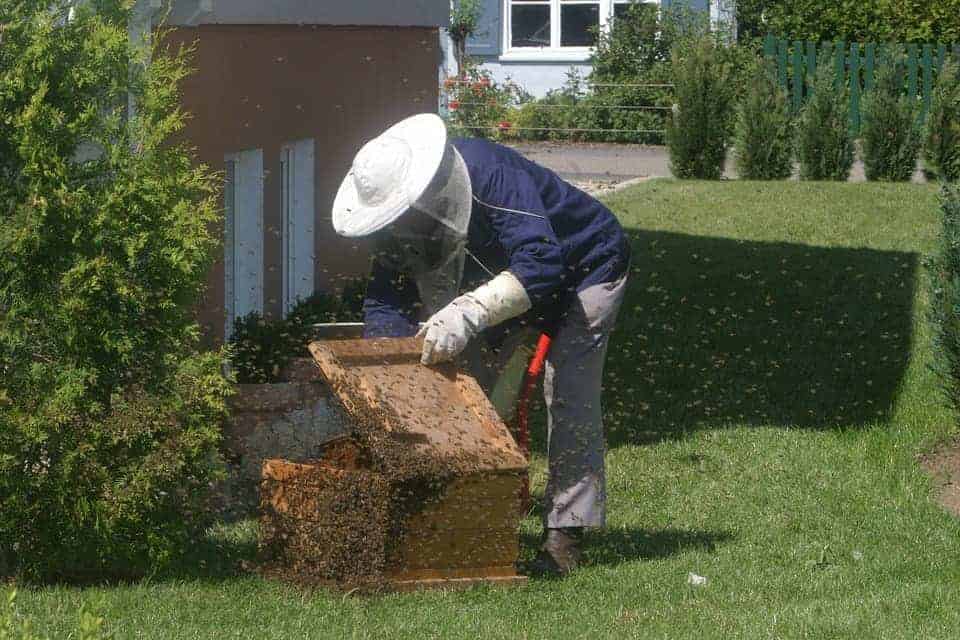
In recent years, urban beekeeping has seen a surge in popularity. People are setting up hives on rooftops, balconies, and in small gardens. This trend is driven by a desire to connect with nature, support pollination, and produce local honey. However, urban beekeepers face unique challenges, particularly when it comes to managing pests.
Challenges Faced by Urban Beekeepers
Urban environments present distinct challenges for beekeepers. The close proximity of hives increases the risk of disease and parasite transmission, especially varroa mites. Additionally, limited space can make it difficult to implement certain management strategies. Therefore, urban beekeepers need to be proactive and well-informed to ensure their hives thrive.
Importance of Varroa Management
Varroa mites are one of the biggest threats to honeybee colonies worldwide. These parasites attach themselves to bees, spreading viruses and weakening the colony. If left unmanaged, varroa infestations can lead to colony collapse. This makes effective varroa management a top priority for any beekeeper, especially in urban settings where the risk of spread is higher.
Understanding Varroa Mites
To effectively manage varroa mites, it’s important to understand what they are and how they affect bee colonies. Let’s delve into the details of natural hive management techniques.
What Are Varroa Mites?
Varroa mites, scientifically known as Varroa destructor, are external parasitic mites that attack honey bees. They are small, reddish-brown, and can be seen with the naked eye. These mites feed on the bodily fluids of bees, weakening them and making them more susceptible to diseases.
Impact on Bee Colonies
The presence of varroa mites in a colony can have devastating effects. They spread viruses that can lead to deformities in bees, such as deformed wing virus, which impairs a bee’s ability to fly. As the mite population grows, the colony’s health deteriorates, leading to reduced honey production and eventually, colony collapse. For those interested in sustainable solutions, exploring natural hive management techniques can be beneficial.
Most importantly, varroa mites reproduce rapidly, especially during the brood-rearing season. This means that beekeepers must remain vigilant and proactive in their management strategies to keep mite populations under control.
How Varroa Mites Spread in Urban Areas
In urban environments, the risk of varroa mite spread is higher due to the close proximity of hives. Mites can easily transfer from one hive to another through bee drifting and robbing behaviors. Therefore, urban beekeepers need to collaborate and communicate with each other to ensure effective management practices are in place across the community.
“Amiflex Varroa Mite Treatment …” from www.foxhoundbeecompany.com
Introduction to Varroa Control Kits
Now that we understand the threat posed by varroa mites, let’s explore how varroa control kits can help manage these pests. These kits are essential tools for any beekeeper looking to maintain healthy hives.
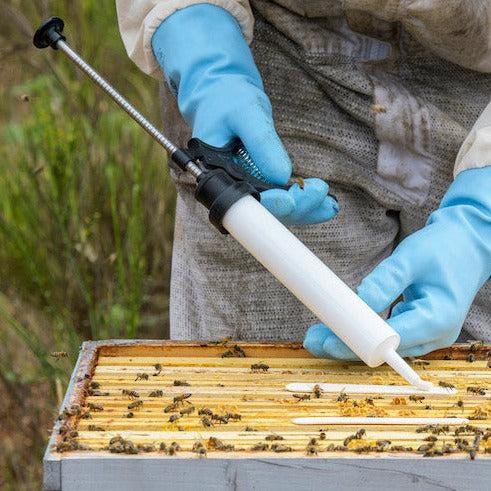
Components of a Varroa Control Kit
A typical varroa control kit includes several key components:
- Mite Treatment Solutions: These can include chemical treatments like miticides, as well as organic options like essential oils.
- Mite Monitoring Tools: Tools such as sticky boards or alcohol wash kits to assess mite levels in the hive.
- Protective Gear: Equipment like gloves and masks to ensure beekeeper safety during treatment application.
- Instructional Guides: Detailed guides on how to use each component effectively.
Each component plays a crucial role in the successful management of varroa mites, and understanding how to use them effectively is key to maintaining healthy bee colonies.
Types of Treatments Available
When it comes to controlling varroa mites, beekeepers have several treatment options to choose from. Each type of treatment has its own advantages and considerations, so it’s important to understand them to make the best decision for your hives. For more insights, explore our step-by-step guide on hive tools and solutions.
First, there are chemical treatments. These include synthetic miticides like Amitraz and Flumethrin, which are effective at killing mites but must be used carefully to avoid harming the bees. Organic treatments, such as formic acid and oxalic acid, offer a more natural approach and are favored by those seeking sustainable beekeeping practices. Additionally, essential oils like thymol are gaining popularity for their effectiveness and minimal impact on the environment.
How to Choose the Right Kit for Your Hive
Choosing the right varroa control kit for your hive involves several considerations. First, assess the severity of the mite infestation. If you have a high mite count, you may need a more aggressive treatment approach, whereas a low count might allow for milder treatments. For more detailed guidance, check out this Varroa Mite Testing & Management resource.
Next, consider your personal beekeeping philosophy. Are you committed to organic practices, or are you open to using synthetic chemicals? Your answer will guide your choice of treatment. Additionally, take into account the time of year, as some treatments are more effective during certain seasons due to the presence of brood in the hive.
Finally, evaluate your own experience and comfort level. Some treatments require more advanced knowledge and handling, so it’s crucial to choose a kit that aligns with your skills and confidence as a beekeeper.
Seasonal Varroa Management Guide
Effective varroa management requires a year-round approach. Each season presents unique challenges and opportunities for controlling mite populations. By tailoring your strategies to the time of year, you can maintain healthy hives and minimize the impact of varroa mites.
In this guide, we’ll break down the essential steps for managing varroa mites throughout the year, starting with spring and ending with winter. Remember, consistent monitoring and adaptation are key to successful varroa management.
Spring: Preparing for Mite Prevention
Spring is a critical time for mite prevention. As the weather warms and bee activity increases, it’s important to assess mite levels and implement preventative measures. Begin by conducting a thorough inspection of your hives, checking for signs of mite infestation.
Apply preventative treatments early in the season to reduce mite populations before they have a chance to grow. Consider using organic treatments like oxalic acid vaporization, which can be effective when brood levels are low. Additionally, ensure your hives have adequate ventilation to reduce humidity, which can exacerbate mite problems.
Summer: Monitoring and Maintenance
During the summer, focus on regular monitoring and maintenance. Mite populations can increase rapidly during this time, so it’s important to stay vigilant. Conduct mite checks at least once a month using monitoring tools from your control kit.
If mite levels are high, apply treatments as needed. Consider rotating treatments to prevent mites from developing resistance. Keep detailed records of your observations and actions to track the effectiveness of your management plan.
Fall: Intensifying Treatment Strategies
Fall is a crucial time to intensify treatment strategies. As bee populations begin to decline, mites can become more concentrated, posing a greater threat to hive health. Conduct a thorough mite check and apply treatments as necessary.
Consider using a combination of treatments to target mites in both brood and adult bees. This may include formic acid pads or thymol-based treatments, which are effective at reducing mite populations before winter. Ensure that your hives are well-fed and healthy to increase their resilience against mites.
Winter: Ensuring Hive Survival
Winter is a time for ensuring hive survival. While mite activity decreases during the colder months, it’s important to prepare your hives for the challenges ahead. Conduct a final mite check in late fall and apply treatments if necessary.
Focus on strengthening your colonies by providing adequate food stores and ensuring proper insulation. Monitor your hives throughout the winter and be ready to intervene if you notice signs of stress or disease. By taking these steps, you’ll set your hives up for success in the coming spring.
Best Practices for Using Varroa Control Kits
Using varroa control kits effectively requires knowledge and attention to detail. Here are some best practices to help you get the most out of your kit and maintain healthy hives.
Effective Treatment Techniques
When applying treatments, follow the instructions provided in your control kit carefully. Ensure that you apply treatments at the right time and in the correct dosage to maximize their effectiveness. Rotate treatments to prevent resistance and consider combining different methods for a more comprehensive approach.
Safety Measures for Beekeepers
Safety should always be a priority when using varroa control kits. Wear protective gear, such as gloves and masks, to minimize exposure to chemicals. Be mindful of weather conditions, as some treatments require specific temperatures and humidity levels to be effective.
Store all treatment materials safely and out of reach of children and pets. Dispose of used materials according to local regulations to prevent environmental contamination.
Tips for Consistent Monitoring
Consistent monitoring is key to successful varroa management. Set a regular schedule for mite checks and stick to it. Use reliable monitoring tools from your kit and record your findings meticulously.
Adjust your management strategies based on the data you collect. If you notice an increase in mite levels, be prepared to intervene promptly. By staying proactive and informed, you’ll be better equipped to protect your hives from varroa mites.
The Role of Technology in Varroa Management
In today’s digital age, technology plays a crucial role in enhancing varroa management practices. From innovative monitoring tools to data-driven decision-making, beekeepers now have more resources than ever to maintain healthy hives.
One of the most significant advancements is the use of digital sensors and monitoring systems. These tools provide real-time data on hive conditions, allowing beekeepers to track mite levels more accurately and respond promptly to any changes.
For instance, some beekeepers use electronic scales to monitor hive weight, which can indicate changes in bee activity and potential mite infestations.
Besides that, technology enables more precise and targeted treatments, reducing the risk of overuse or resistance development.
Innovative Tools for Monitoring Mite Levels
Innovative tools such as infrared cameras and acoustic sensors are becoming increasingly popular among beekeepers. These devices can detect changes in hive temperature and sound, which may indicate a varroa infestation. By identifying issues early, beekeepers can implement treatments before mite populations become unmanageable.
Utilizing Data to Improve Hive Health
Data collection and analysis are integral to modern varroa management. By maintaining detailed records of mite levels, treatment applications, and hive health, beekeepers can identify trends and adapt their strategies accordingly. This data-driven approach not only improves hive health but also enhances overall beekeeping practices.
“Urban Beekeeper …” from www.perfectbee.com
Final Thoughts on Varroa Control
Managing varroa mites is a critical aspect of successful beekeeping. By understanding the biology of these parasites and employing effective control strategies, beekeepers can protect their hives and ensure healthy bee populations.
It’s important to remember that varroa management is an ongoing process. Regular monitoring, timely treatments, and adaptation to changing conditions are key to keeping mite levels in check.
Moreover, collaboration with other beekeepers and staying informed about the latest research and technologies can further enhance your management practices.
- Stay informed about new treatments and technologies.
- Collaborate with local beekeepers for community-wide management efforts.
- Continuously adapt strategies based on data and observations.
Long-term Strategies for Urban Beekeepers
Urban beekeepers face unique challenges, but with the right strategies, they can maintain healthy hives. Prioritize regular communication with fellow beekeepers to share insights and coordinate efforts. Implement integrated pest management practices that combine multiple treatment methods for more effective control.
The Importance of Community Collaboration
Community collaboration is vital in urban beekeeping. By working together, beekeepers can reduce the spread of varroa mites and enhance overall hive health. Participate in local beekeeping associations and workshops to stay connected and informed.
Most importantly, share your experiences and learn from others to continually improve your management practices.
FAQs
As you embark on your beekeeping journey, you may have questions about varroa management. Here are some common queries and their answers to help you navigate this crucial aspect of beekeeping.
What are the first signs of a Varroa infestation?
Early signs of a varroa infestation include visible mites on bees, deformed wings, and a decrease in bee population. Regular mite checks using monitoring tools can help detect infestations before they become severe.
Can Varroa mites be completely eradicated?
Currently, complete eradication of varroa mites is not feasible. However, effective management strategies, such as those outlined in this seasonal proactive Varroa management schedule, can keep mite populations at manageable levels, minimizing their impact on hive health.
How often should I use a Varroa control kit?
Use your varroa control kit as needed based on regular mite checks. It’s important to monitor mite levels consistently and apply treatments when thresholds are exceeded. For more insights, explore natural hive management techniques that can complement your control kit. Follow the instructions provided in your kit for optimal results.
By staying proactive and informed, you can successfully manage varroa mites and maintain thriving hives. Remember, your efforts not only benefit your bees but also contribute to the health of the broader ecosystem. For more insights, explore natural hive management tools and techniques to enhance your beekeeping practices.
As you continue your beekeeping journey, keep learning and adapting your practices to ensure the best outcomes for your hives.
Thank you for taking the time to enhance your understanding of varroa management. Your commitment to healthy hives makes a significant impact on the world of beekeeping.




Leave a Reply