
Beekeeping is an art, a science, and a passion that connects us with nature. One of the challenges every beekeeper faces is hive swarming, which can reduce honey production and cause chaos in your apiary. Understanding and preventing swarming is essential for maintaining healthy and productive colonies.
Key Takeaways
- Bee swarming is a natural process but can be managed effectively.
- Recognizing the signs of swarming helps in taking timely action.
- Proper hive management tools are crucial for swarm prevention.
- Regular inspections and hive space management are key strategies.
- Preventing swarming ensures healthier and more productive bee colonies.

“What Is a Bee Swarm? | N.C. Cooperative …” from halifax.ces.ncsu.edu
Understanding Bee Swarming
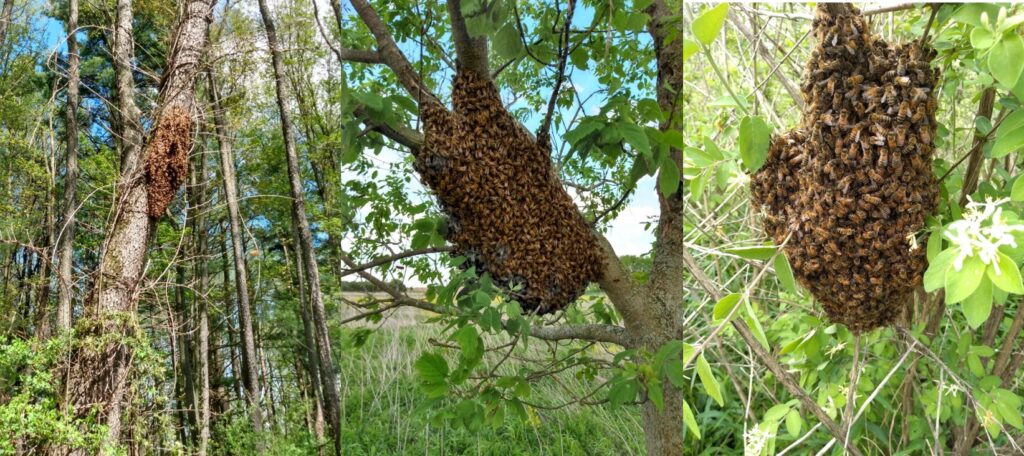
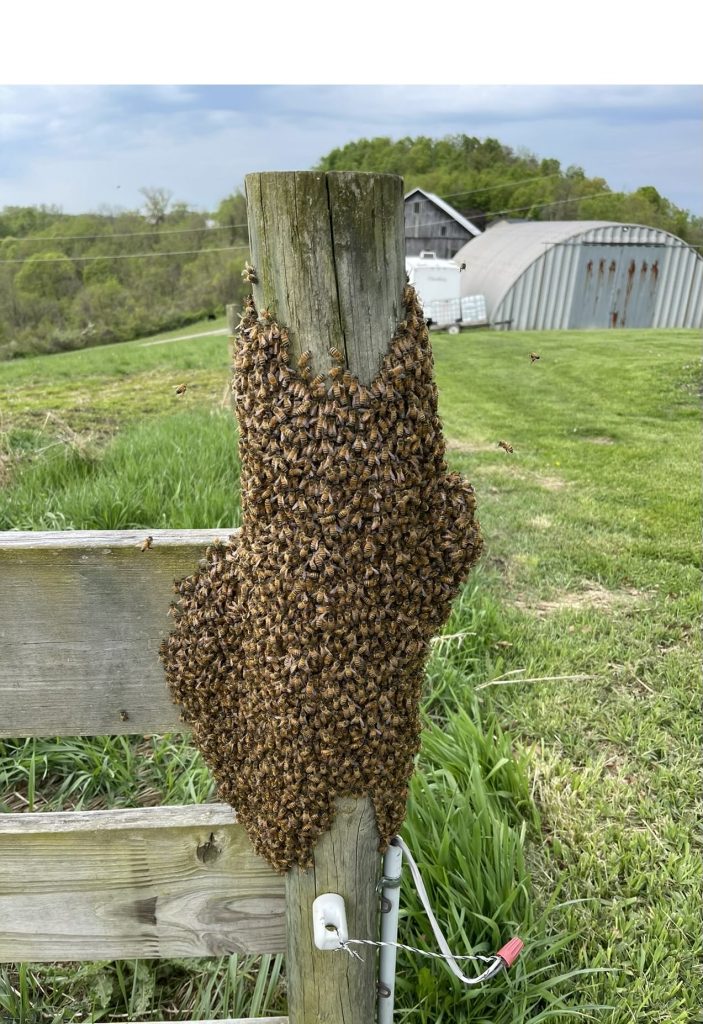
Swarming is the natural reproductive process of honeybee colonies. It occurs when a single colony splits into two or more distinct colonies. While it’s fascinating to witness, it can lead to a decrease in your hive’s population and honey yield.
- Swarming typically happens in late spring or early summer.
- Bees swarm when the colony becomes overcrowded or when the queen’s pheromones weaken.
- Swarming can also be triggered by environmental factors like weather and nectar flow.
What Causes Bees to Swarm
There are several reasons why bees decide to swarm. One of the primary causes is overcrowding within the hive. As the colony grows, it needs more space to accommodate the increasing number of bees and brood. When space becomes limited, bees prepare to swarm.
Another reason is the age of the queen. As queens age, their pheromone production decreases, signaling to the worker bees that it’s time to create a new queen. This often leads to the old queen leaving with a portion of the colony to establish a new hive.
The Impact of Swarming on Colonies
Swarming can have a significant impact on your bee colonies. When bees swarm, they take about half of the worker bees and leave the original hive with fewer resources to gather nectar and pollen. This reduction in workforce can lead to a decrease in honey production.
Additionally, the original hive must raise a new queen, which can disrupt the colony’s routine and slow down its productivity. Therefore, preventing swarming is crucial for maintaining a strong and efficient bee colony.
Signs Your Hive is Preparing to Swarm
Being able to identify the signs of an impending swarm can help you take preventive measures. Some common indicators include:
- Increased drone population: A hive with many drones may be preparing to swarm.
- Queen cells: The presence of queen cells indicates that the colony is preparing for a new queen.
- Congestion at the hive entrance: If bees are clustering outside the hive, it may be a sign of overcrowding.
- Reduced foraging activity: A decrease in foraging may suggest that bees are preparing to leave.
By recognizing these signs early, you can implement strategies to prevent swarming and keep your hive healthy.
Preparation and Tools Needed to Prevent Swarming
To effectively manage and prevent swarming, having the right tools and preparation is essential. This includes both physical tools and knowledge of hive management techniques.
Essential Hive Management Tools
Having the right tools can make a significant difference in preventing swarming. Some essential tools include:
- Hive tool: Used for prying apart frames and boxes.
- Bee brush: Helps gently move bees without harming them.
- Queen excluder: Keeps the queen from laying eggs in certain parts of the hive.
- Extra hive boxes: Provide additional space for growing colonies.
These tools help you manage your hive more effectively and reduce the chances of swarming.
“A well-equipped beekeeper is a prepared beekeeper. Having the right tools can prevent problems before they start.” – Experienced Beekeeper
Gathering Swarm Prevention Equipment
Beyond basic hive management tools, consider investing in swarm prevention equipment. This includes items like swarm traps and bait hives, which can attract swarming bees and give you time to manage the situation.
Setting Up Your Hive for Success
Proper hive setup is crucial in preventing swarming. Ensure that your hive has enough space for the colony to grow by adding extra boxes or supers as needed. Regularly inspect your hives to monitor the population and make adjustments as necessary.
By setting up your hive correctly and using the right tools, you can reduce the likelihood of swarming and maintain a thriving bee colony. For more insights, explore natural hive management tools and techniques.
“What should I do if I find a swarm of …” from www.canr.msu.edu
Step-by-Step Guide to Managing and Preventing Swarming
Preventing swarming is all about proactive hive management. By following these steps, you can maintain control over your bee colonies and ensure they remain healthy and productive. Let’s delve into some practical techniques you can implement to keep swarming at bay.
Increasing Hive Space
One of the simplest and most effective ways to prevent swarming is by ensuring your hive has adequate space. Bees need room to expand their brood and store honey, especially during the peak of the nectar flow.
To increase hive space, add additional boxes, also known as supers, to your hive. This provides more room for the colony to grow and reduces the likelihood of overcrowding, which is a common trigger for swarming.
Regularly monitor your hive to assess whether more space is needed. If you notice bees clustering outside the hive or a large number of bees at the entrance, it might be time to add another super.
Implementing Hive Splitting Techniques
Hive splitting is another effective method for preventing swarming. This involves dividing a strong colony into two or more smaller colonies, which can help manage the population and reduce the urge to swarm. For more insights, explore natural hive management techniques.
When splitting a hive, ensure each new colony has enough resources, including brood, honey, and pollen. You may also need to introduce a new queen to one of the splits if the original queen remains with the parent colony.
Regular Colony Inspections
Frequent inspections are vital in identifying early signs of swarming. By checking your hives regularly, you can spot queen cells, overcrowding, and other indicators that a swarm might be imminent.
During inspections, look for queen cells hanging from the bottom of frames. These are clear signs that the colony is preparing to swarm. If you find queen cells, consider removing them or splitting the hive to prevent the swarm.
Example: “During my last inspection, I noticed several queen cells in one of my hives. By removing these cells and adding another super, I was able to prevent the colony from swarming.” – Local Beekeeper
Consistent inspections not only help prevent swarming but also allow you to monitor the overall health of your bees.
Use of Swarm Traps
Swarm traps can be an excellent tool for managing swarming. These traps are designed to attract swarming bees and give you an opportunity to capture them before they settle elsewhere.
Place swarm traps near your apiary in strategic locations. Use bait, such as lemongrass oil, to entice bees into the trap. Once caught, you can either integrate the swarm back into your hives or start a new colony.
“Swarm season: Local beekeepers prepared …” from www.heraldstandard.com
Monitoring and Maintaining Healthy Hives
Keeping your hives healthy is a continuous process that involves observation, balancing, and management. A healthy hive is less likely to swarm and more capable of producing abundant honey.
Continuous Hive Observation
Observation is key to understanding your bees and preventing swarming. Spend time watching your hives, noting changes in behavior, population, and activity levels.
Healthy hives have a steady flow of bees entering and exiting the hive, with active foraging during the day. Any significant changes in behavior could indicate a problem or a potential for swarming.
Balancing Colony Population
Maintaining a balanced colony population is crucial in preventing swarming. Too many bees in a single hive can lead to congestion and increase the likelihood of swarming.
To balance the population, consider redistributing bees among your hives or creating nucleus colonies (nucs). This not only reduces overcrowding but also strengthens weaker colonies, promoting overall apiary health.
By implementing these strategies, you can effectively manage your bee colonies, reduce the risk of swarming, and enjoy a productive beekeeping experience. For more insights, explore our guide on sustainable beekeeping practices.
Managing Brood Production
Managing brood production is crucial for preventing swarming. As a beekeeper, you must ensure that the queen has enough space to lay eggs without overcrowding the hive. If the brood nest becomes congested, it can trigger swarming behavior.
To manage brood production, regularly inspect the brood frames to ensure they are not overfilled. If you notice the brood nest becoming too crowded, consider adding more frames or supers to provide additional space for the queen to lay eggs. This will help maintain a balanced colony and reduce the likelihood of swarming.
Conclusion and Best Practices
Preventing swarming is an essential aspect of successful beekeeping. By understanding the causes and signs of swarming, you can take proactive measures to manage your hives effectively. Regular inspections, increasing hive space, and managing brood production are key strategies that help keep your colonies healthy and productive.
Review of Key Strategies for Swarm Prevention
Let’s summarize the key strategies discussed:
- Regularly inspect hives for signs of swarming, such as queen cells and overcrowding.
- Increase hive space by adding additional supers or boxes to accommodate growth.
- Implement hive splitting techniques to manage colony population and reduce swarming potential.
- Use swarm traps strategically to capture swarming bees and prevent them from settling elsewhere.
By following these strategies, you can maintain control over your bee colonies and ensure they remain healthy and productive.
“A proactive approach to hive management is the best way to prevent swarming and maintain a thriving apiary.” – Seasoned Beekeeper
Long-term Bee Colony Health Tips
For long-term success in beekeeping, focus on maintaining the overall health of your colonies. Ensure your bees have access to diverse forage sources, provide adequate ventilation in hives, and monitor for pests and diseases regularly.
Keeping your bees healthy will not only prevent swarming but also result in higher honey yields and stronger colonies. Consider these tips as part of your regular beekeeping routine to ensure your bees thrive.
Frequently Asked Questions
Let’s address some common questions about preventing hive swarming:
- How can I identify when my bees are about to swarm?
- What is the best time of year to prevent swarming?
- Can all bee species swarm in the same way?
How can I identify when my bees are about to swarm?
Identifying the signs of an impending swarm is crucial for timely intervention. Look for queen cells on the frames, as these are a clear indication that the colony is preparing to swarm. Additionally, observe the behavior of the bees; clustering outside the hive and reduced foraging activity are common signs of swarming readiness.
Regular inspections and keen observation will help you spot these signs early, allowing you to take preventive measures before the swarm occurs. For more insights, explore our guide on natural hive management techniques.
What is the best time of year to prevent swarming?
Swarming typically occurs in late spring and early summer when the colony is at its peak population. Therefore, it’s best to implement swarm prevention strategies in early spring. This timing allows you to manage the hive’s growth and prepare for the increased activity during the swarming season.
Can all bee species swarm in the same way?
While most honeybee species exhibit swarming behavior, the specifics can vary between species. For example, Africanized honeybees are known to swarm more frequently than other species. Understanding the characteristics of the bee species you are managing can help tailor your swarm prevention strategies effectively.
- European honeybees typically swarm once a year.
- Africanized bees may swarm multiple times annually.
- Different species may have varying triggers for swarming.
By recognizing these differences, you can better manage your hives and prevent swarming across different bee species.
By applying these strategies and understanding the unique behaviors of your bees, you can prevent swarming and ensure your colonies thrive year-round. For more insights on sustainable practices, explore our natural hive management tools.
Beekeeping in urban environments presents unique challenges and opportunities. While city hives can benefit from diverse flora, they also face threats from pollution and limited space. To effectively manage these urban hives, beekeepers must stay informed about city beekeeping ordinances to ensure compliance and promote healthy bee populations. By understanding and adapting to these urban dynamics, beekeepers can successfully cultivate thriving hives amidst the hustle and bustle of city life.




Leave a Reply