
Key Takeaways
- Using organic methods in beekeeping reduces harmful chemical use and protects bee populations.
- Diversifying floral resources helps maintain healthy bee colonies by providing varied nutrition.
- Integrated Pest Management (IPM) minimizes chemical use, promoting a healthier environment for bees.
- Supporting native pollinators alongside honeybees fosters a balanced ecosystem.
- Choosing sustainable beekeeping equipment reduces environmental impact and supports eco-friendly practices.

“Sustainable Beekeeping: Our mission to …” from hucklebeefarms.com
Introduction to Sustainable Beekeeping
Sustainable beekeeping is more than just a buzzword; it’s a commitment to preserving our ecosystems and supporting healthy bee populations. As bee populations face numerous challenges, including habitat loss and pesticide exposure, adopting sustainable practices becomes essential. These practices not only protect bees but also enhance biodiversity and ensure the long-term success of beekeeping operations.
In this article, we’ll explore various sustainable beekeeping practices, focusing on recycled hive components and eco-friendly methods. By implementing these strategies, beekeepers can reduce their environmental footprint while promoting the health and vitality of their bee colonies.
Understanding Organic Beekeeping Practices
Organic beekeeping is a cornerstone of sustainable beekeeping practices. It emphasizes the use of natural methods for hive management, steering clear of synthetic pesticides and chemicals. Instead, beekeepers rely on organic alternatives to maintain healthy hives and combat pests.
For example, using essential oils like thyme or lemongrass can help manage varroa mite infestations without harming the bees or the environment. Additionally, promoting a diverse range of flowering plants can naturally boost bee immunity and resilience, reducing the need for chemical interventions.
Diversifying Floral Resources
Diversifying floral resources is crucial for maintaining healthy bee colonies. Bees require a varied diet to thrive, and providing access to a wide range of flowering plants ensures they receive essential nutrients.
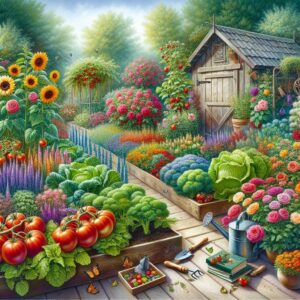
Planting a mix of native wildflowers, herbs, and shrubs can create a rich tapestry of pollen and nectar sources throughout the growing season. This not only supports honeybee health but also benefits other pollinators, fostering a balanced ecosystem.
Consider planting species like clover, lavender, and sunflowers, which are known for their bee-friendly attributes. These plants not only attract bees but also enhance the beauty and biodiversity of the surrounding landscape.
Integrated Pest Management (IPM)
Integrated Pest Management (IPM) is a sustainable approach to controlling pests in beekeeping. It involves monitoring pest populations and using a combination of biological, physical, and cultural methods to manage them.
Rather than relying solely on chemical treatments, IPM encourages natural predators, such as birds and beneficial insects, to keep pest populations in check. Additionally, selecting bee breeds that are resistant to common pests can further reduce the need for chemical interventions. For more insights, explore natural hive management tools and techniques.
Regular hive inspections and maintaining clean apiary conditions are also key components of IPM. By staying vigilant and proactive, beekeepers can prevent pest issues before they become major problems, ensuring the health and productivity of their colonies.
Supporting Native Pollinators
While honeybees are vital for agriculture, it’s equally important to support native pollinators. Native bees, butterflies, and other pollinating insects play crucial roles in maintaining ecosystem health and biodiversity. By creating environments that benefit all pollinators, we can enhance the resilience and productivity of natural and agricultural systems.
To support native pollinators, consider planting native flowering plants that bloom at different times of the year. This provides continuous food sources for a variety of pollinators. Additionally, leaving areas of undisturbed habitat, such as brush piles or patches of bare soil, can offer nesting sites for ground-nesting bees and other beneficial insects.
Besides planting, avoid using pesticides and herbicides in your garden or apiary area, as these chemicals can harm both honeybees and native pollinators. Emphasizing natural pest control methods and organic gardening practices will create a more welcoming environment for all pollinators.
Choosing Sustainable Beekeeping Equipment
Another crucial aspect of sustainable beekeeping is the selection of eco-friendly equipment. Opting for beekeeping tools and materials made from sustainable resources can significantly reduce the environmental impact of your operations.
For instance, using hive components made from recycled or upcycled materials can lower the demand for new resources and minimize waste. Look for beekeeping suppliers that offer sustainably sourced wood for hive construction or consider building your own hives using reclaimed materials.
Additionally, prioritize equipment that is durable and long-lasting. Quality tools not only perform better but also require less frequent replacement, which conserves resources and reduces waste over time. By investing in sustainable beekeeping equipment, you can support eco-friendly practices while ensuring the success of your apiary.
Practicing Responsible Honey Harvesting
Responsible honey harvesting is a vital component of sustainable beekeeping. It’s essential to balance the needs of the beekeeper with those of the bees, ensuring that colonies remain healthy and productive year after year.
When harvesting honey, always leave enough reserves for the bees to sustain themselves through winter. This means gauging the amount of honey the colony needs to survive and thrive without supplementation. Taking only the surplus honey ensures that bees have adequate resources to maintain their health and productivity. For urban beekeepers, understanding honeybee habitats can further aid in maintaining a sustainable beekeeping practice.
Additionally, adopt ethical and humane practices during honey extraction. Use gentle techniques to minimize stress on the bees, and avoid harvesting during times of scarcity or environmental stress. By practicing responsible honey harvesting, beekeepers can maintain healthy colonies and promote sustainable beekeeping practices.
Conserving Water in Beekeeping Operations
Water conservation is an often-overlooked aspect of sustainable beekeeping, but it plays a crucial role in maintaining a healthy apiary. Bees require water for various purposes, including regulating hive temperature, diluting honey, and feeding larvae. Therefore, ensuring a reliable and sustainable water source is essential for their well-being.
To conserve water, beekeepers can implement water-saving practices such as using rain barrels to collect rainwater for the apiary. Additionally, placing shallow dishes or bird baths filled with pebbles near the hives can provide bees with easy access to water while preventing drowning. For those interested in urban beekeeping, understanding honeybee habitats can further enhance sustainable practices.
It’s also important to consider the location of your apiary in relation to natural water sources. Positioning hives near ponds, streams, or other water bodies can reduce the need for supplemental watering and support a more sustainable beekeeping operation.

“carbon footprint” from process-technology-online.com
Reducing Carbon Footprint in Beekeeping
Reducing the carbon footprint of beekeeping operations is another critical component of sustainability. By minimizing energy consumption and optimizing transportation practices, beekeepers can lower their environmental impact and contribute to a healthier planet.
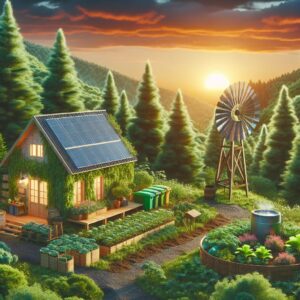
One effective strategy is to use energy-efficient equipment, such as solar-powered hive monitors or LED lighting in the honey extraction room. These technologies not only conserve energy but also reduce operational costs over time.
Additionally, optimizing transportation routes for hive placement can significantly reduce fuel consumption. Consider clustering apiaries in close proximity to one another or partnering with local beekeepers to share transportation resources. By reducing travel distances and frequency, beekeepers can minimize their carbon emissions and promote sustainable practices.
Engaging in Community Collaboration
Community collaboration is a powerful tool for promoting sustainable beekeeping practices. By working together with local organizations, schools, and fellow beekeepers, individuals can share knowledge, resources, and experiences to collectively advance sustainability goals. Joining an urban beekeeping association can further enhance these collaborative efforts.
Participating in community workshops, beekeeping clubs, or environmental initiatives can provide valuable opportunities for learning and networking. These interactions can foster a sense of camaraderie and shared purpose, encouraging more widespread adoption of sustainable practices.
Moreover, educating the public about the importance of bees and sustainable beekeeping can raise awareness and support for conservation efforts. Hosting educational events, creating informational materials, or engaging with local media can help spread the message and inspire others to join the cause.

“sustainable beekeeping …” from www.fao.org
Conclusion
Sustainable beekeeping practices are essential for preserving our ecosystems and ensuring the health and vitality of bee populations. By embracing organic methods, diversifying floral resources, and adopting eco-friendly equipment, beekeepers can significantly reduce their environmental impact while supporting thriving colonies.
Furthermore, responsible honey harvesting, water conservation, and carbon footprint reduction are critical components of a holistic approach to sustainable beekeeping. Engaging in community collaboration and supporting native pollinators can further enhance the resilience and productivity of natural and agricultural systems.

Leave a Reply