
Key Takeaways
- Beekeeping can enhance community spirit and environmental awareness.
- Addressing neighbor concerns early on can prevent future conflicts.
- Proper planning is essential for a successful beekeeping project.
- Gathering the right equipment and choosing the right bees are crucial steps.
- Engaging your community through events can foster local support.

“What Is Natural Beekeeping? | Ben’s Bees” from www.bensbees.com.au
Beekeeping Sparks Community Excitement
Beekeeping isn’t just about the honey; it’s about bringing people together and creating a buzz in your neighborhood. When you start a beekeeping project, you aren’t just nurturing bees; you’re nurturing relationships and a sense of community. It’s fascinating how a small hive can lead to big connections. By sharing your beekeeping journey, you invite curiosity and collaboration from your neighbors.
Advantages of Community Beekeeping
Community beekeeping has a multitude of benefits. It promotes environmental awareness as bees play a critical role in pollinating plants, which in turn supports local flora and fauna. When your neighbors see bees thriving, they become more conscious of their own gardening practices and may adopt more eco-friendly habits. Additionally, community beekeeping can be a great educational tool for both children and adults, providing hands-on learning experiences about nature and sustainability.
Addressing Neighbor Concerns
- Communicate early and often with your neighbors about your beekeeping plans.
- Educate them about the benefits of beekeeping, such as increased pollination and local honey production.
- Reassure them about bee safety and the measures you’ll take to prevent swarming.
- Invite them to participate in beekeeping activities to foster understanding and support.
One of the most important steps before starting your beekeeping adventure is addressing any concerns your neighbors might have. Bees can sometimes make people nervous, especially if they’re unfamiliar with them. It’s essential to communicate openly and provide education about the vital role bees play in our ecosystem. By doing so, you not only alleviate fears but also build a supportive network around your beekeeping project.
Planning Your Beekeeping Project
Before diving into beekeeping, it’s crucial to plan your project thoroughly. Consider the location of your hives, as this can affect both the bees’ well-being and your relationship with your neighbors. Ensure that the site receives adequate sunlight, is protected from strong winds, and is easily accessible for regular maintenance. Moreover, familiarize yourself with local regulations and obtain any necessary permits to keep bees in your area.
Planning doesn’t stop at logistics. Think about the time and resources you can commit to beekeeping. It’s a rewarding hobby but also requires dedication and responsibility. Consider joining a local beekeeping club for support and guidance. These clubs can provide valuable insights, resources, and a sense of community among fellow beekeepers.
- Choose a sunny, wind-protected location for your hives.
- Check local regulations and acquire necessary permits.
- Join a local beekeeping club for support and resources.
- Plan for the time and resources you can dedicate to beekeeping.
Hosting a Honey Harvest Party
One of the most delightful ways to engage your community in beekeeping is by hosting a honey harvest party. This event not only showcases the fruits of your labor but also serves as an educational platform. Invite neighbors, friends, and family to witness the honey extraction process. Demonstrating how honey is harvested can demystify the beekeeping process and spark interest among attendees.
During the party, offer tastings of different honey varieties and explain how various factors like flowers and seasons affect the flavor. This interactive experience can turn guests into honey enthusiasts and, potentially, future beekeepers themselves. Most importantly, a honey harvest party fosters community spirit and appreciation for local, sustainable practices.
Organizing Workshops and Demonstrations
Workshops and demonstrations are excellent ways to deepen community engagement. Consider organizing events where you can teach basic beekeeping skills, such as hive maintenance, bee health checks, and honey extraction techniques. These hands-on activities provide invaluable learning experiences for participants and help demystify beekeeping.
Invite local experts or members from beekeeping clubs to lead these workshops. Their knowledge and experience can enrich the sessions and offer participants diverse perspectives on beekeeping. By providing educational opportunities, you empower others to appreciate and potentially pursue beekeeping basics.
Creating an Online Presence
In today’s digital age, having an online presence can significantly enhance your beekeeping project’s reach and impact. Start by creating social media pages or a blog to share your beekeeping journey. Post regular updates, photos, and videos of your bees, hives, and community events. This not only keeps your audience engaged but also serves as an educational resource for those interested in beekeeping.
Moreover, online platforms allow you to connect with other beekeepers and enthusiasts worldwide. You can exchange tips, seek advice, and even collaborate on projects. An online presence can amplify your efforts to promote beekeeping and environmental awareness.
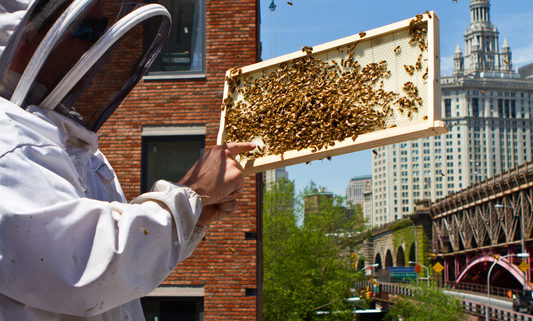
“Urban Beekeeping – Wildflower Meadows” from wildflowermeadows.com
Sustainable Beekeeping Practices
Practicing sustainability in beekeeping is essential for the health of your bees and the environment. Sustainable practices ensure that your beekeeping activities support local ecosystems rather than harm them. By adopting eco-friendly methods, you contribute to the long-term well-being of your bees and the surrounding area.
One way to practice sustainability is by planting a diverse range of bee-friendly plants. These provide essential nectar and pollen sources for your bees, especially during periods when natural forage is scarce. Additionally, using organic and non-toxic treatments for pests and diseases helps maintain a healthy hive environment. For more insights on maintaining healthy hives, explore the effects of air pollution on bee hive productivity.
Maintaining Hive Health
Keeping your hives healthy is paramount to successful beekeeping. Regular inspections are crucial to monitor the condition of your bees and the hive. Look for signs of disease, pests, and overall hive activity. Early detection of issues allows for prompt intervention, preventing more significant problems down the line.
Feeding your bees during times of scarcity, such as winter or drought, can also support hive health. Provide supplemental feed like sugar syrup or pollen patties when natural food sources are limited. These practices ensure that your bees remain strong and productive throughout the year.
Supporting Local Ecosystems
Beekeeping should always consider the broader impact on local ecosystems. By supporting local biodiversity, you create a more resilient environment for your bees and other wildlife. Planting native species in your garden or around your apiary can enhance habitat diversity and provide essential resources for various pollinators.
Moreover, educating your community about the importance of pollinators can lead to collective efforts in conservation. Encourage neighbors to adopt bee-friendly practices in their gardens, such as reducing pesticide use and planting diverse flora. Together, you can create a supportive environment that benefits both bees and the community. For more information, you can explore beekeeping basics to further support these efforts.
“Planting native species in your garden can enhance habitat diversity and provide essential resources for various pollinators.”
Sharing Harvested Honey
- Offer honey samples to neighbors and friends to promote local beekeeping.
- Sell your honey at local markets to support your beekeeping efforts.
- Use honey as gifts for special occasions to spread awareness and appreciation.
Sharing your harvested honey is a rewarding aspect of beekeeping. It allows you to showcase the fruits of your labor while promoting local produce. Consider offering honey samples to neighbors and friends, giving them a taste of the unique flavors your bees produce. This not only builds goodwill but also encourages support for your beekeeping endeavors.
Furthermore, selling your honey at local markets can help cover the costs of beekeeping and potentially expand your operations. Many people appreciate the opportunity to buy local, sustainably-produced honey, knowing it supports local beekeepers and the environment.
Lastly, honey makes a thoughtful gift for special occasions. Whether it’s a jar for a friend’s birthday or a wedding favor, your honey can spread awareness and appreciation for beekeeping and its benefits.
Building Connections with Beekeepers
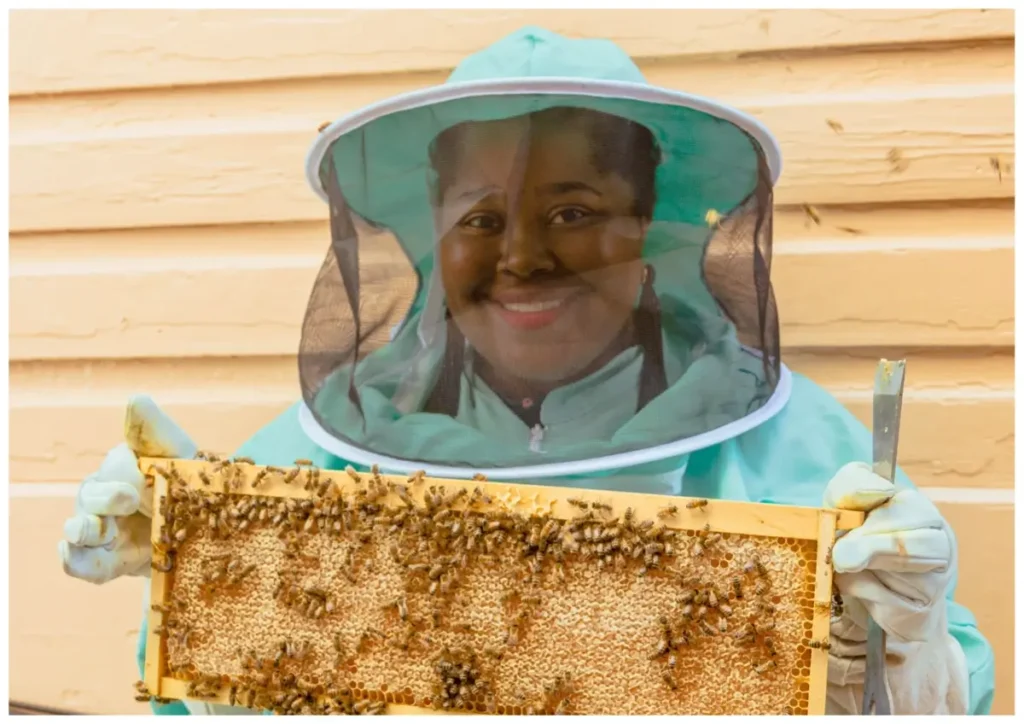
“Black Beekeepers …” from modernfarmer.com and used with no modifications.
Building connections with other beekeepers is invaluable for both personal growth and community development. These connections provide a support network where you can exchange knowledge, share experiences, and collaborate on projects. Whether through local clubs or online forums, engaging with fellow beekeepers enriches your journey and enhances your impact.
Joining Local Beekeeping Clubs
Joining a local beekeeping club is one of the best ways to connect with like-minded individuals. These clubs offer a wealth of resources, from educational workshops to hands-on field days. Being part of a club allows you to learn from experienced beekeepers and gain insights into best practices and innovative techniques.
Moreover, clubs often organize community events that raise awareness about beekeeping and its benefits. By participating, you not only contribute to these efforts but also strengthen your ties with the local beekeeping community.
Collaborating on Community Projects
Collaboration is key to expanding the reach and impact of beekeeping initiatives. Partnering with local organizations, schools, or environmental groups can lead to meaningful projects that benefit both bees and the community. For example, you might work with a school to establish an educational apiary, where students can learn about bees and their importance to our ecosystem.
These collaborative projects can also enhance community support for beekeeping. By involving various stakeholders, you create a network of advocates who understand and appreciate the role of bees in our environment. Together, you can work towards a more bee-friendly and sustainable community.
Engaging With Schools and Youth Groups
Engaging with schools and youth groups is a fantastic way to inspire the next generation of beekeepers. By introducing children and teenagers to the world of bees, you spark curiosity and foster a love for nature. Organize educational sessions at local schools where students can learn about the life cycle of bees, their role in pollination, and the importance of conservation.
Consider setting up a small observation hive in a classroom or school garden. This allows students to observe bees up close and understand their behavior. Additionally, collaborating with youth groups, such as scouts or environmental clubs, can lead to hands-on activities like building bee hotels or planting pollinator-friendly gardens. These initiatives not only educate but also empower young people to become advocates for bees and the environment.
Conclusion: Creating Buzz in Your Neighborhood
Beekeeping offers more than just honey; it brings communities together and promotes environmental stewardship. By sharing your beekeeping journey, you create connections and inspire others to appreciate and support these vital pollinators. Whether through hosting events, engaging with schools, or collaborating on projects, your efforts contribute to a more bee-friendly world.
As you embark on your beekeeping adventure, remember that every small step counts. Each hive, garden, and educational session adds to the collective effort of preserving our precious pollinators. By working together, we can create vibrant, sustainable communities that thrive alongside the bees.
Reflecting on Beekeeping Adventures
Reflecting on your beekeeping journey is an important part of the process. Take time to consider the challenges you’ve faced and the successes you’ve achieved. Each season brings new lessons and opportunities for growth. Documenting your experiences can help you track progress and share valuable insights with others.
Moreover, reflection allows you to appreciate the impact of your efforts on the community and environment. Celebrate the small victories, like a successful honey harvest or a new bee-friendly garden in your neighborhood. These achievements remind you of the positive change you’re making and motivate you to continue your beekeeping endeavors.
Encouragement for New Beekeepers
For those just starting their beekeeping journey, remember that patience and persistence are key. Beekeeping is a learning experience, and it’s normal to encounter challenges along the way. Seek guidance from experienced beekeepers, join clubs, and participate in workshops to build your knowledge and confidence.
Don’t be afraid to ask questions or seek help when needed. The beekeeping community is supportive and eager to share their expertise. Embrace the journey, enjoy the process, and take pride in contributing to the well-being of bees and the environment. For those interested in urban beekeeping, explore innovative digital hive scale trends that can enhance your beekeeping experience.
Future Community Projects
Looking ahead, consider how you can expand your beekeeping efforts to involve more of your community. Explore opportunities to collaborate on larger projects, such as establishing a community apiary or organizing a local pollinator festival. These initiatives can raise awareness and garner support for beekeeping and environmental conservation.
Think about how you can leverage technology and social media to connect with a broader audience. Online platforms offer a powerful way to share your story, educate others, and inspire change. By continuing to engage your community, you ensure that your beekeeping efforts have a lasting and meaningful impact.
- Plan a community apiary to involve more people in beekeeping.
- Organize a local pollinator festival to raise awareness.
- Utilize social media to connect with a wider audience.
- Continue to educate and inspire your community about beekeeping.
Frequently Asked Questions
Many new beekeepers have questions as they start their journey. Here are some common inquiries and helpful answers to guide you along the way.
What if my neighbors are afraid of bees?
It’s natural for some people to feel uneasy around bees. The best approach is open communication. Share information about the safety measures you take to prevent swarming and minimize any potential issues. Invite them to learn more about bees and their importance to our ecosystem. Often, education can help alleviate fears and build support for your beekeeping activities.
Consider hosting a small gathering to introduce your neighbors to your beekeeping setup. This can demystify the process and show them that bees are generally non-aggressive when left undisturbed. Building trust and understanding is key to gaining their support.
How do I start a community beekeeping group?
Starting a community beekeeping group can be a rewarding way to engage others and share your passion for bees. Begin by reaching out to local beekeepers, gardeners, and environmental enthusiasts. Use social media and community bulletin boards to spread the word and gauge interest. For more insights, check out this guide on engaging your community in beekeeping.
Organize an initial meeting to discuss goals and ideas for the group. Consider hosting regular gatherings, workshops, and hive inspections to provide learning opportunities. Collaborate on projects that benefit the community, such as creating pollinator gardens or hosting educational events. By working together, you can create a vibrant and supportive beekeeping community.
What are the costs involved in starting beekeeping?
Starting beekeeping involves some initial investment, but the rewards are worth it. For those new to the hobby, understanding the first year beekeeping costs can help in budgeting effectively.
- Hive setup (including frames and foundation): $150-$300
- Protective gear (suit, gloves, veil): $50-$200
- Bees (nucleus colony or package): $100-$200
- Tools (smoker, hive tool, bee brush): $30-$70
- Ongoing maintenance and feeding: Varies depending on season and location
Keep in mind that these costs can vary based on your location and the type of equipment you choose. Joining a beekeeping club can provide access to shared resources and discounts on supplies. Over time, selling honey and other bee products can help offset these expenses.
With careful planning and community support, sustainable beekeeping can become a fulfilling hobby that benefits both you and your neighborhood.
Beekeeping is a rewarding hobby that can also contribute to environmental sustainability. With the right tools and techniques, you can manage your hive effectively and ensure the health of your bees. For those interested in sustainable practices, exploring eco-friendly beekeeping methods can be a great way to start. By using recycled hive components and other green methods, beekeepers can minimize their impact on the environment while still enjoying the benefits of honey production.

Leave a Reply