
Key Takeaways:
-
Cedar bee houses need proper moisture management to ensure the health and productivity of the bees.
-
Excessive moisture can lead to mold growth, bee discomfort, and potential colony collapse.
-
Proper ventilation, design, and maintenance are key to preventing and fixing moisture issues in bee houses.
-
Seasonal changes and local climate must be considered when planning moisture control strategies.
-
Simple, cost-effective solutions are available to create an optimal environment for your bees.
Understanding Ideal Bee House Conditions
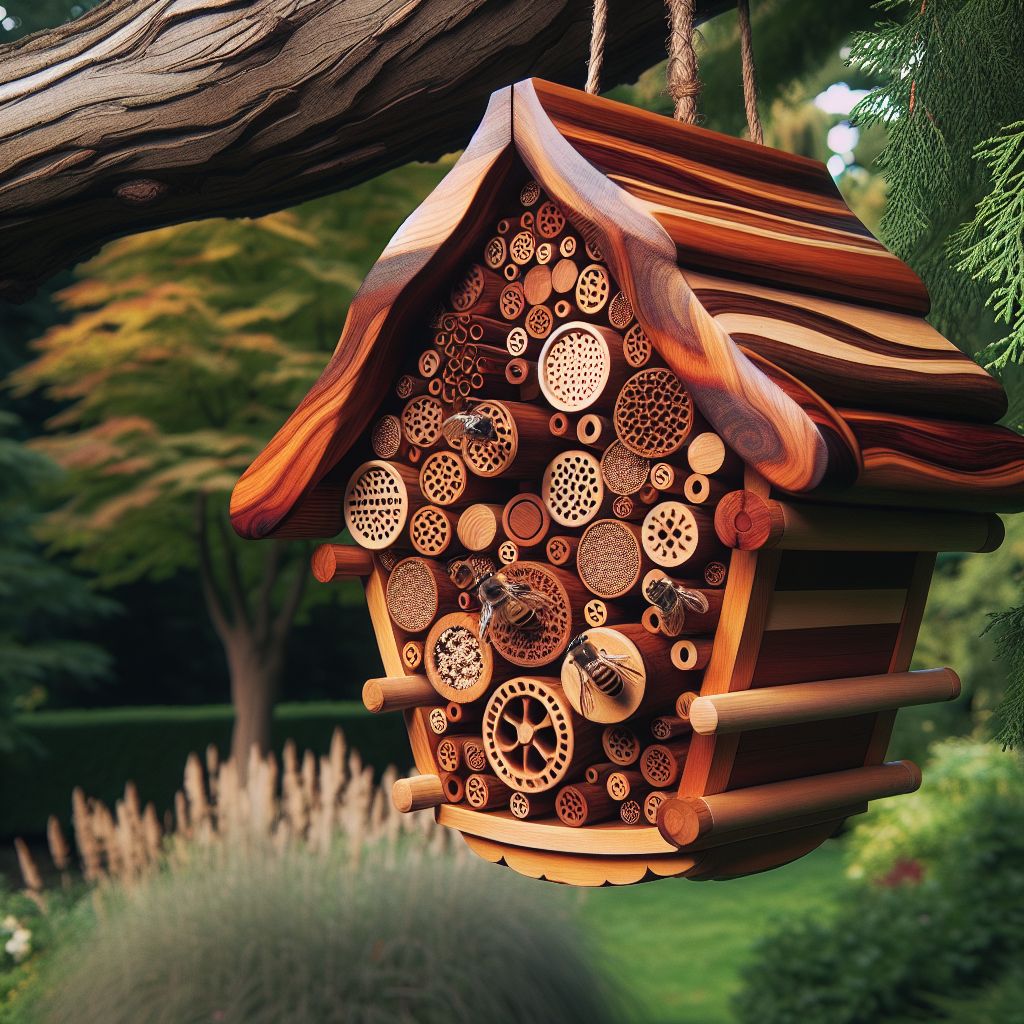
Bee houses, especially those made from cedar, are popular for their durability and natural resistance to rot. But, even the best materials can succumb to the challenges of weather and moisture. For bees, the ideal home is one that maintains a delicate balance of humidity and dryness. It’s a place where the air flows freely, yet is cozy enough to shield them from cold snaps and scorching sun. Achieving this balance is crucial for their health and productivity.
Why Moisture Control Is Critical
Moisture is a sneaky culprit in a bee house. It can creep in and settle without much notice, yet its effects are far-reaching. Bees can handle the cold; they cluster together, vibrating to generate warmth. But add moisture to the mix, and you’ve got a recipe for trouble. Wet conditions can chill bees to the bone—literally. It’s not just about comfort; it’s about survival.
Identifying Moisture Issues in Cedar Bee Houses
Now, let’s get into the nitty-gritty of keeping your cedar bee house dry and inviting. But first, you need to know what to look out for. Moisture issues can be sneaky, but there are tell-tale signs that your bee house might be more of a swamp than a sanctuary.
Signs of Excessive Moisture
Keep an eye out for condensation on the walls or ceiling of the bee house, or worse, water pooling at the bottom. If you spot mold or mildew, that’s a clear red flag. And, if you notice the bees are less active or there’s a sudden drop in the population, it could be due to uncomfortable living conditions caused by dampness.
Consequences of Neglecting Humidity Levels

Ignoring these signs can lead to dire consequences. Mold and fungi thrive in moist environments, and they can bring diseases that are harmful to bees. In the chill of winter, moisture can freeze inside the hive, making it an icebox instead of a warm retreat. And in the worst-case scenario, it can lead to colony collapse—something every bee enthusiast wants to avoid.
Constructing Your Cedar Bee House
Building a bee house from cedar is a fantastic start. Cedar wood is naturally resistant to decay and repels insects that could harm your bees. But, the construction doesn’t stop at choosing the right wood. You need to design with moisture control in mind.
Choosing the Right Materials
Beyond cedar, consider materials that will insulate the bee house while allowing it to breathe. For example, a moisture-quilt box filled with wood shavings on top of the hive can wick away moisture while keeping the heat in.
Design Elements That Discourage Dampness
Design plays a huge role in moisture management. Ensure the roof overhangs enough to prevent rain from seeping in. A slight forward tilt of the hive can encourage water to run off the entrance rather than into the hive. And don’t forget about the bottom board—it should be designed to allow any water that does get in to quickly drain away.
Top Fixes for a Dry and Thriving Bee House
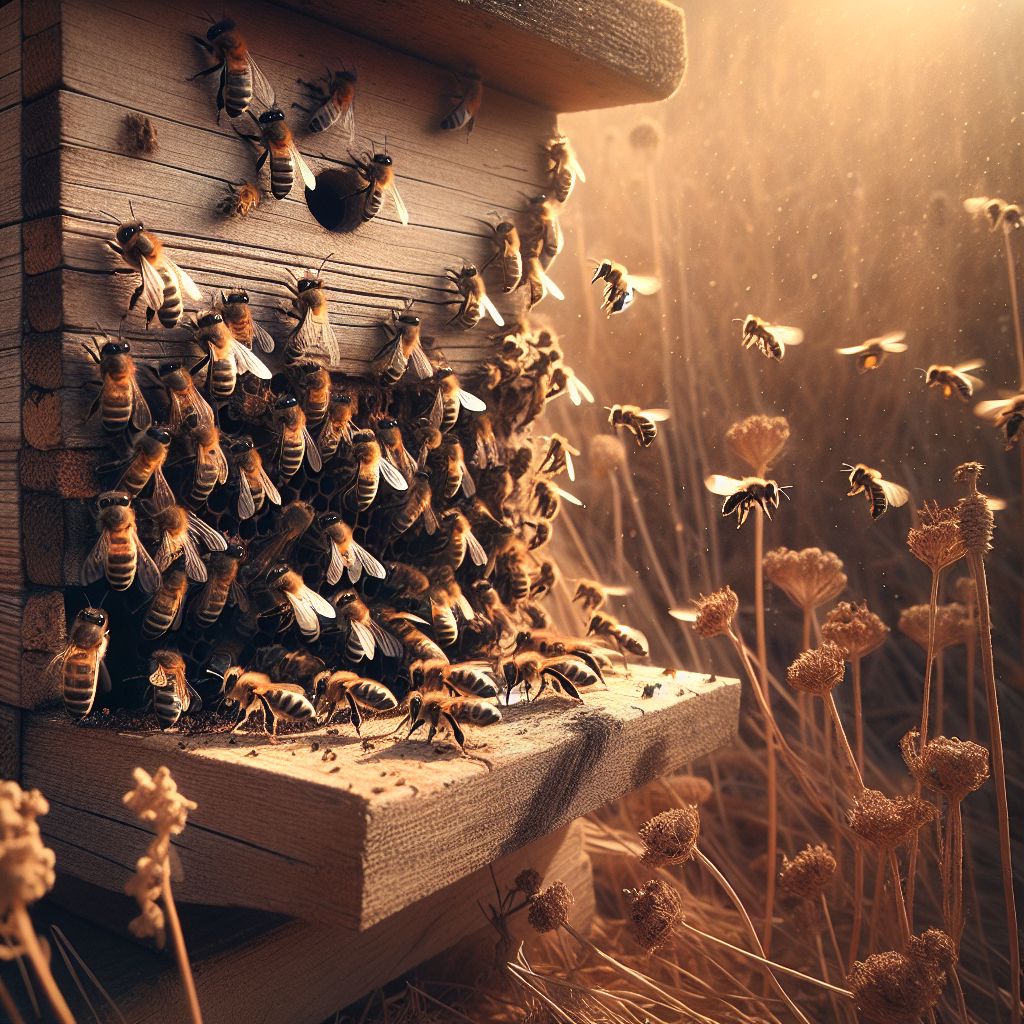
Now that we’ve covered the basics, let’s talk solutions. There are several fixes you can apply to keep your cedar bee house dry and thriving. Here’s how you can tackle moisture head-on and ensure your bees are living their best lives.
Adequate Ventilation Strategies
Good airflow is essential. You want to allow moist air to escape and fresh, dry air to enter. This can be achieved through ventilation holes or slots at the top and bottom of the hive. However, be careful not to overdo it; too much ventilation can cool the hive too much, especially in winter.
Effective Absorption Materials
Inside the hive, you can use materials that absorb moisture. This could be as simple as a layer of newspaper or a burlap sack filled with wood shavings placed on top of the frames. These materials soak up excess moisture and can be easily replaced when they get too damp.
Regular Maintenance and Inspection Routines
Maintenance is key. Regularly inspect your bee house for signs of moisture, mold, or damage that could let in rain or damp. Replace any wet absorption materials and clear any dead bees or debris that might block ventilation. A well-maintained bee house is a dry bee house.
Proactive Prevention: Keeping Your Bee House Moisture-Free
Prevention is always better than a cure. Let’s look at some proactive steps you can take to keep moisture at bay.
Maintaining Optimal Humidity Levels
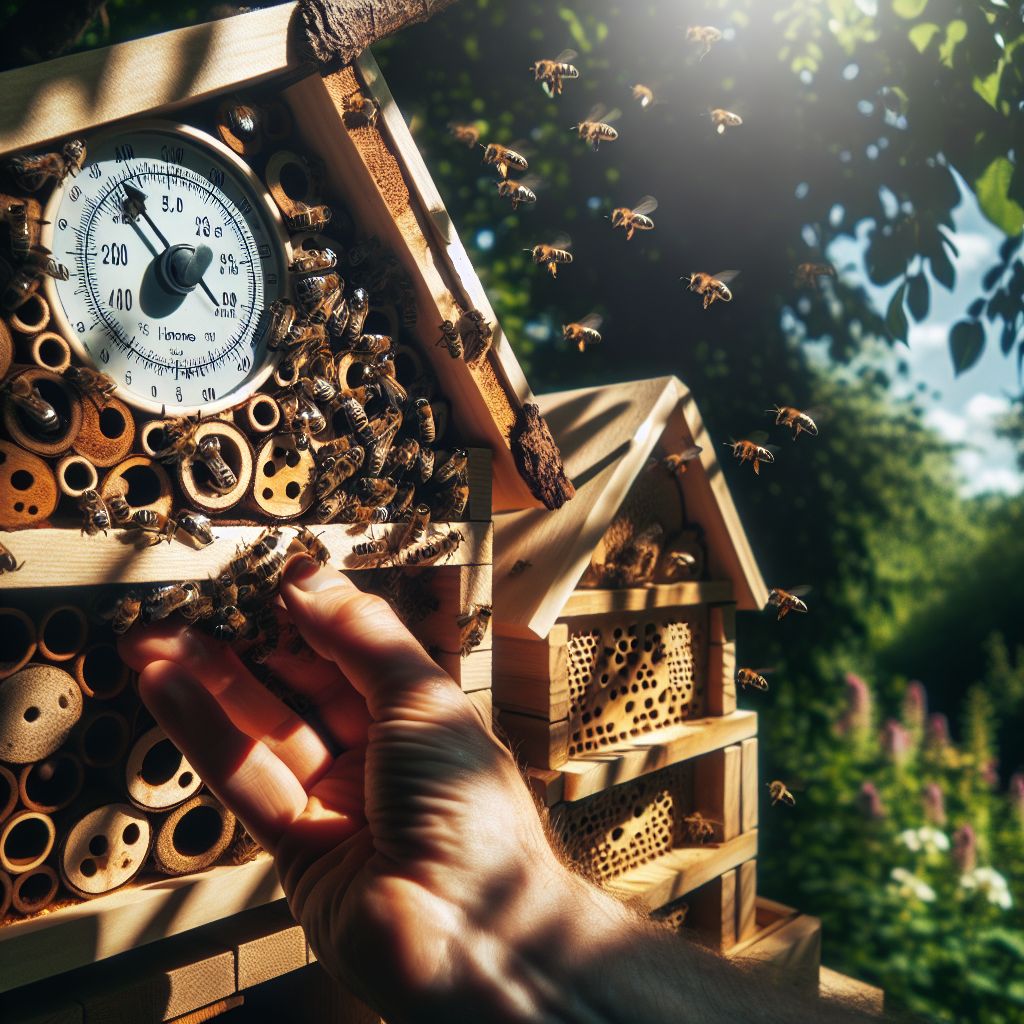
Monitor the humidity levels inside the bee house with a hygrometer. Aim to keep humidity between 40-60%. If levels consistently creep higher, consider the fixes we’ve discussed or look into a dehumidifier specifically designed for bee houses.
Innovative Design Features for Moisture Management
When building or modifying your bee house, think about incorporating design features that manage moisture. A pitched roof with an overhang can help shed water away from the hive. A screened bottom board can increase air circulation and allow any moisture that does enter to evaporate more quickly.
Seasonal Care for Your Cedar Bee House
Beekeeping isn’t a set-it-and-forget-it hobby. As the seasons change, so do the needs of your bees and their house. Here’s how you can adapt to keep moisture problems at bay all year round.
Preparing for Wet Seasons

Before the rainy season hits, make sure your bee house is waterproof. Check the roof for leaks, ensure the hive is tilted forward slightly to drain rainwater, and add or replace moisture-absorbing materials inside.
Summer Strategies for Moisture Control
In summer, ventilation is your friend. Open up those vent holes or screens to allow maximum airflow. This is also the time to ensure there’s enough space inside the hive for air to circulate around the frames, which helps keep humidity down.
By following these tips and being vigilant about the conditions in your cedar bee house, you’ll create a thriving environment for your bees. Remember, a happy bee is a productive bee, and a dry bee house is a key to that happiness.
Crafting the Perfect Habitat for Bees
When it comes to beekeeping, the comfort and safety of our buzzing friends are paramount. Just like us, bees need a cozy home that protects them from the elements and allows them to thrive. And as a gardener, creating such an environment becomes not only a responsibility but a joyful endeavor. Let’s dive into the world of bees and understand how to craft the perfect habitat that keeps them humming happily.
FAQs
How Often Should I Inspect My Cedar Bee House for Moisture?
To keep your cedar bee house in top condition, I recommend inspecting it at least once a month. During seasons with high rainfall or humidity, increase the frequency to every two weeks. Always check after a heavy rainstorm or a sudden drop in temperature, as these conditions can introduce moisture into your bee house unexpectedly.
What Are the Best Materials to Use Inside a Moisture Box?
Inside a moisture box, you want materials that can absorb moisture effectively without harming the bees. Here are a few excellent options:
-
Untreated wood shavings or sawdust
-
Dry, chemical-free straw
-
Natural fiber cloths like burlap or cotton
Replace these materials regularly to ensure they remain dry and effective.
Can I Use Chemicals to Control Moisture in My Bee House?
Absolutely not. Chemicals can be harmful to bees and should never be used inside a bee house. Bees are incredibly sensitive to their environment, and introducing chemicals could lead to health issues or even colony collapse. Stick to natural, non-toxic solutions for moisture control.
What If I Live in an Excessively Humid Area?
If you live in a region with high humidity, moisture control will be an ongoing challenge. Besides the standard fixes, consider:
-
Using a dehumidifier near the bee house
-
Planting moisture-absorbing plants around the hive area
-
Creating windbreaks to improve air circulation
Always ensure that any solutions you implement do not disrupt the bees’ natural behavior or access to the hive.
Are There Any Bee Breeds That Are More Resistant to Moisture Issues?
While most bees have similar requirements for moisture control, some local or adapted breeds may be more resilient to your specific climate conditions. For instance, bees that are native to or have been bred in wet regions might be better at coping with higher humidity levels. However, even these bees will benefit from a well-maintained and dry bee house. Consult local beekeeping clubs or experts to find the best bee breeds for your area.