
Key Takeaways
-
Ceramic bee hotels are eco-friendly nesting solutions that support the survival of solitary bees.
-
These handcrafted habitats are crucial as bees play a vital role in pollination and maintaining ecological balance.
-
Choosing ceramic over other materials is beneficial due to its durability, non-toxicity, and weather resistance.
-
Setting up a bee hotel involves selecting the right location, ensuring proper maintenance, and customizing it for local bee species.
-
Implementing bee hotels in your garden can increase biodiversity and help in the conservation of these vital pollinators.
A Closer Look at Ceramic Bee Hotels
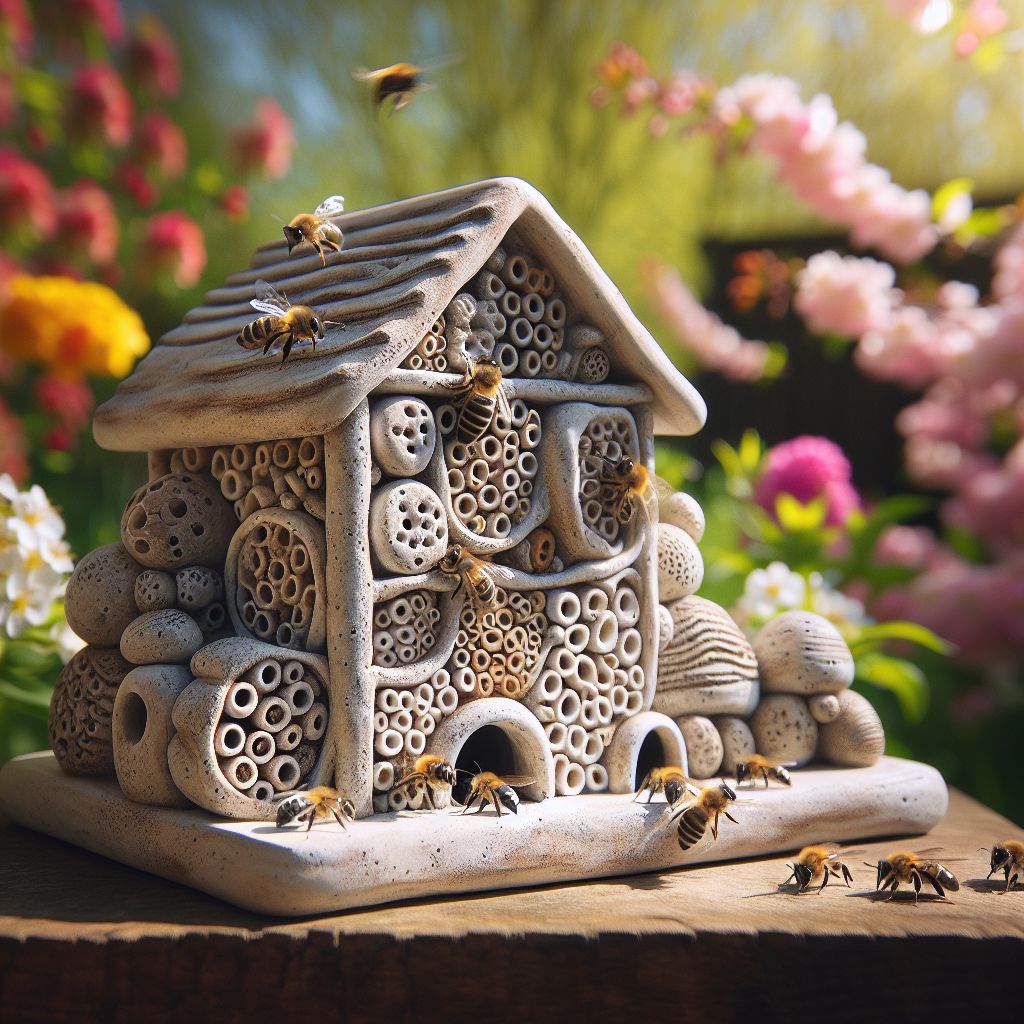
Imagine a tiny sanctuary in your backyard that buzzes with life, where solitary bees come and go, pollinating your garden and contributing to the health of the environment. This isn’t just a charming scene; it’s a crucial step towards eco-friendly living. And it all starts with a ceramic bee hotel – a handcrafted haven for our flying friends. But why ceramic, and why bees? Let’s dive in.
Before we get our hands dirty, it’s essential to understand what we’re building and why. Bee hotels aren’t just decorative; they’re functional tools for conservation. And in the case of ceramic bee hotels, they’re also a statement of sustainable craftsmanship.
What is a Bee Hotel?
A bee hotel is a man-made structure designed to provide solitary bees with a place to nest. Unlike honeybees, solitary bees don’t live in hives or produce honey. Instead, they nest alone, and each female bee lays her eggs in individual compartments. These little pollinators are non-aggressive and vital to our ecosystems, but they’re facing threats from habitat loss and pesticides. That’s where bee hotels come in.
Did you know? There are over 20,000 species of bees worldwide, and the majority are solitary. Providing a bee hotel can support these unsung heroes of pollination.
Now, a ceramic bee hotel isn’t your run-of-the-mill wooden insect house. It’s a thoughtfully designed piece, often handcrafted from high-quality clay, fired to perfection, creating a durable and safe environment for bees to call home.
Why Ceramic is an Eco-Friendly Choice
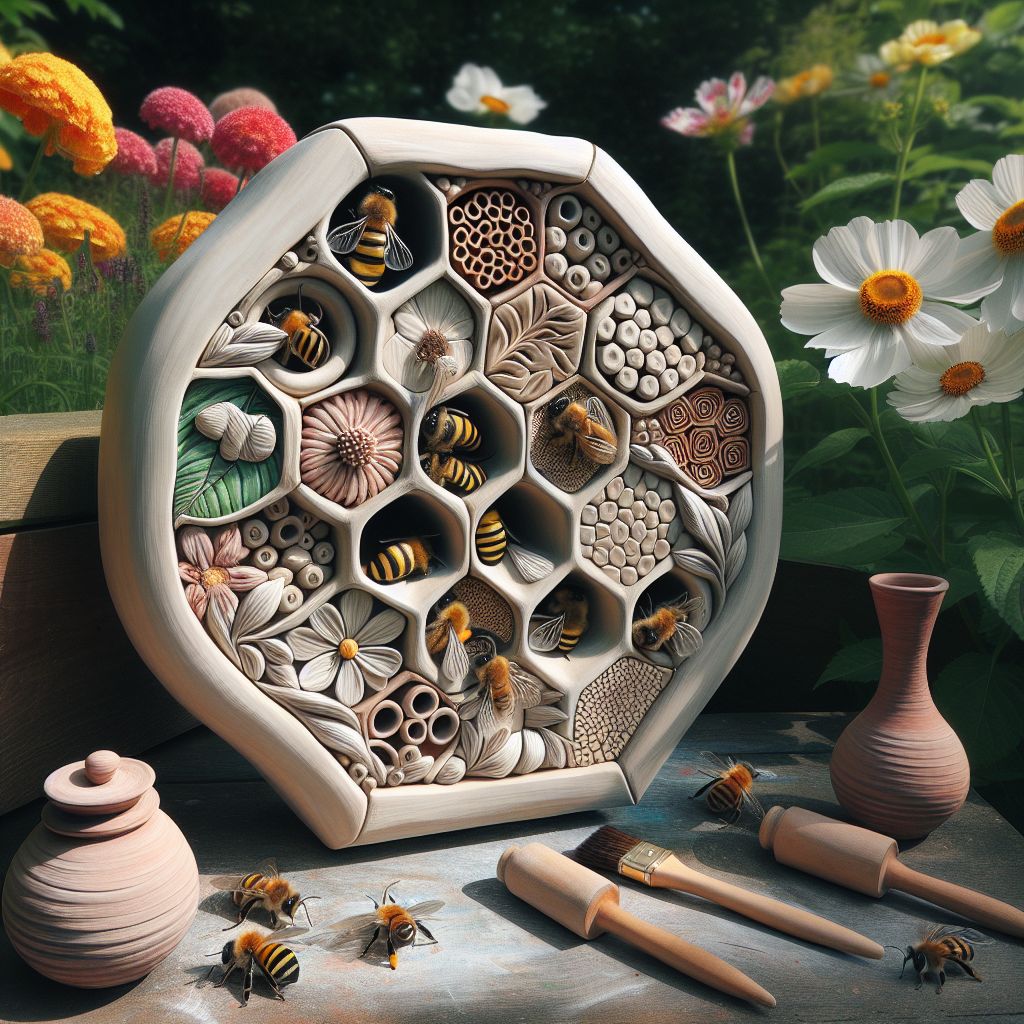
When we choose materials for our gardens, we often think about aesthetics. But let’s talk about sustainability. Ceramic, as a material, ticks all the boxes for eco-friendly living. It’s made from natural earth materials, it doesn’t leach chemicals into the environment, and it’s incredibly long-lasting. This means your bee hotel won’t just survive for one season, but it can become a permanent fixture in your garden.
Moreover, ceramic’s thermal properties make it ideal for bees. It keeps the inside of the bee hotel warm during cool nights and prevents overheating in the midday sun. This temperature regulation is a godsend for the larvae, ensuring a higher survival rate and a thriving bee population.
But, there’s more to it than just material choice. The design of a ceramic bee hotel also matters. The size and shape of the nesting tubes, the depth, and even the color can influence how attractive the hotel is to bees. We’ll get into those details as we explore how to set up your own bee hotel.
Challenges Bees Face and How We Can Help
Bees are under siege. Their numbers are dwindling due to a host of issues like habitat loss, pesticide use, and climate change. Solitary bees, in particular, struggle as their nesting grounds are destroyed. These bees are crucial pollinators for many plants, including the fruits and vegetables we eat.
We can make a difference right in our backyards. By setting up bee hotels, we’re giving these pollinators a place to thrive. It’s a simple action with a ripple effect on the entire ecosystem. And by educating ourselves and our communities, we can advocate for practices that protect bees on a larger scale.
Design Matters: Why Handcrafted Bee Houses Work
Handcrafted bee houses aren’t just about charm; they’re about functionality. Artisans who create these structures have a deep understanding of what bees need. They tailor the design to mimic bees’ natural nesting preferences, using materials and structures that are most likely to attract these beneficial insects.
Features of Handcrafted Ceramic Bee Hotels
Each ceramic bee hotel is a unique piece of art, but beyond its beauty, it’s the features that count:
-
Durability: Ceramic can withstand the elements, from scorching summers to frosty winters.
-
Non-toxic: Glazes used on ceramics are lead-free and safe for bees.
-
Insulation: The material provides excellent insulation, keeping the interior at a stable temperature.
-
Moisture Resistance: Unlike wood, ceramic doesn’t rot or mold, which could harm the bee larvae.
These features make ceramic bee hotels not just a refuge for bees, but a long-term addition to your garden that requires minimal upkeep.
Customizing Your Bee Hotel for Local Bee Species
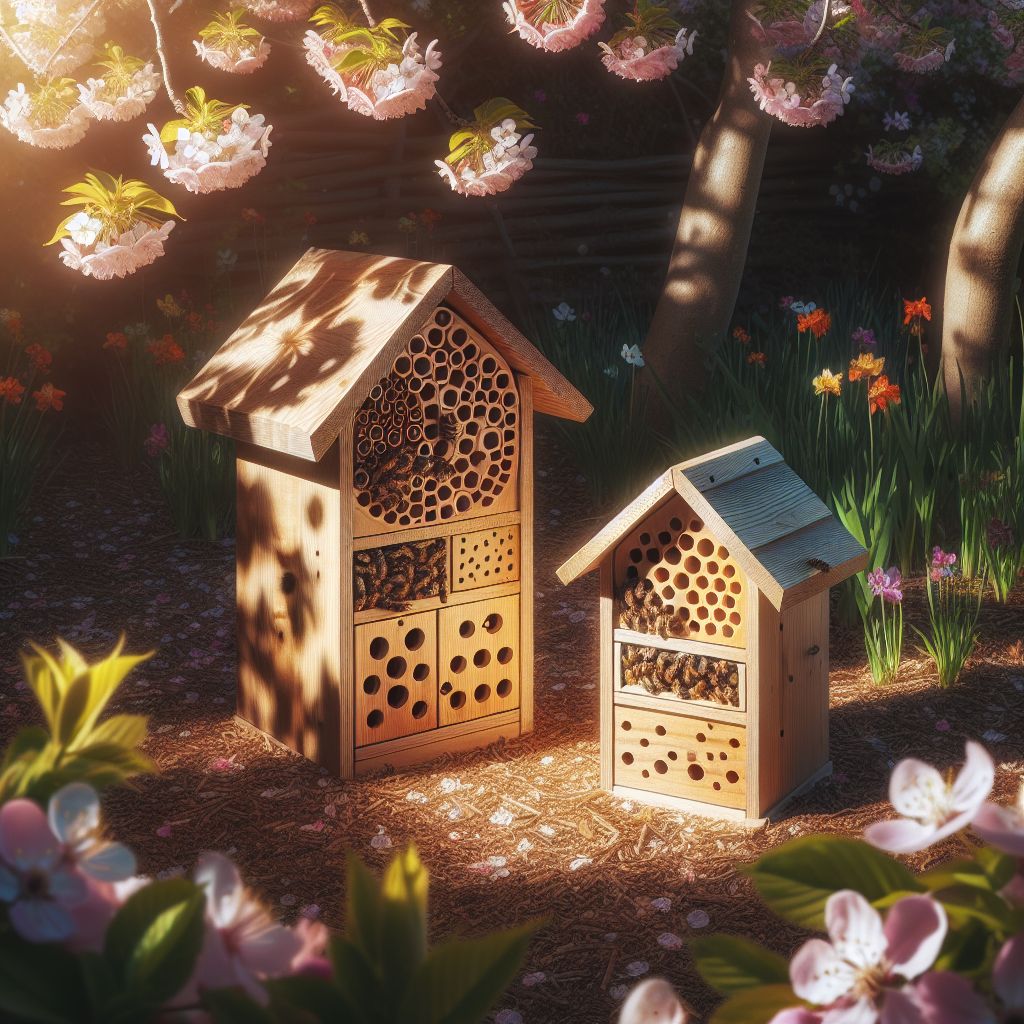
Not all bees are the same. Different species have different needs. Some prefer larger holes, others smaller. Some like their nests at certain heights or orientations. To make your bee hotel a local hotspot, research the solitary bees in your area and customize your hotel accordingly. For instance, mason bees are attracted to holes with a diameter of about 5/16 inch, while leafcutter bees prefer slightly smaller ones around 1/4 inch.
Step by Step: Setting Up Your Ceramic Bee Hotel
-
Choose a sunny spot, preferably facing south or southeast.
-
Ensure the location is sheltered from the wind and rain.
-
Mount the bee hotel at least a meter off the ground to prevent predators.
-
Place the hotel near nectar-rich flowers to attract bees.
Remember, the goal is to mimic the natural nesting sites of solitary bees. Think about where you’ve seen bees hovering near the ground or in dead wood. That’s the kind of environment you’re aiming to replicate.
Once your bee hotel is up, be patient. It may take a while for bees to discover it, but when they do, they’ll return year after year. And you’ll have front-row seats to a fascinating aspect of nature that many people overlook.
Let’s not forget, the success of your bee hotel also hinges on its maintenance. While ceramic is low-maintenance, you’ll want to check periodically to make sure the holes are clear and the structure is secure. This little bit of housekeeping ensures that your bee hotel remains a safe and inviting place for pollinators.
Choosing the Perfect Spot
The perfect spot for your ceramic bee hotel is crucial. It should be warm, but not too hot, and protected from harsh weather. A spot with morning sun is ideal as it warms the hotel and encourages bees to start their day early. You also want to ensure that the entrance is visible and accessible to bees flying by. A clear flight path is essential.
Maintenance and Care for Longevity
Though ceramic is robust, it’s still important to maintain your bee hotel. Check it at the end of each season. Clear out any debris that may block the tunnels. If any parts are damaged, repair them to keep the structure secure. A well-maintained bee hotel can last for years, becoming a permanent fixture in your eco-friendly garden.
Success Stories: Bee Hotels in Action

Across gardens worldwide, bee hotels are making a difference. From urban rooftops to rural backyards, these sanctuaries are supporting bee populations and helping gardens flourish. In one community garden, the introduction of a bee hotel led to a noticeable increase in fruit and vegetable yields – all thanks to the hard work of solitary bees.
Real-life Examples of Bee Hotel Impact
In a schoolyard in Sweden, students built a ceramic bee hotel as part of a science project. Not only did they observe an increase in the number of bees, but they also saw a boost in the biodiversity of their garden. Flowers were more abundant, and other beneficial insects began to appear. The bee hotel became a living laboratory, showcasing the interconnectedness of our ecosystem.
These stories highlight the tangible benefits of bee hotels. They’re a testament to the fact that when we take steps to support our local wildlife, the environment responds in kind. And isn’t that the kind of world we all want to live in?
These stories highlight the tangible benefits of bee hotels. They’re a testament to the fact that when we take steps to support our local wildlife, the environment responds in kind. And isn’t that the kind of world we all want to live in?
Frequently Asked Questions (FAQ)
Now, let’s address some common questions you might have about setting up and maintaining a ceramic bee hotel. This is your quick guide to becoming a bee-friendly gardener.
Can any bee species use a bee hotel?
Most bee hotels are designed for solitary bees, which are different from the more well-known honeybees. Solitary bees, such as mason bees and leafcutter bees, are excellent pollinators and will readily use the nesting sites provided by a bee hotel. However, each species has specific requirements, so it’s best to research the native bees in your area and tailor your bee hotel to their needs.
How do I prevent parasites in my bee hotel?
Parasites can be a problem for bee hotels, but there are ways to minimize the risk. First, ensure that the hotel is clean before the nesting season begins. Use natural materials that are less likely to harbor pests. Additionally, placing the hotel in a sunny location can help, as many parasites prefer moist and shaded areas. Regularly inspect the hotel and remove any infested nesting tubes to keep the rest of the hotel safe.
When is the best time to set up a bee hotel?
-
Early spring is ideal, as this is when many solitary bee species start looking for nesting sites.
-
Make sure the hotel is ready before the flowering season begins, as this is when bees are most active.
-
However, you can put up a bee hotel at any time of the year, and it will be ready for the next season.
Bees have their seasons, and being timely with your setup can make all the difference. Think of it as opening a hotel just in time for the tourist season; you want everything to be perfect when your guests arrive. For more information on creating the ideal environment for these pollinators, consider reading about Pollinator Hotels provided by the University of Florida, Institute of Food and Agricultural Sciences.
Maintaining your bee hotel is just as important as setting it up correctly. After the nesting season, inspect the hotel for damage or wear. If you live in an area with harsh winters, consider bringing the hotel inside to protect it from extreme temperatures and moisture.
How long do ceramic bee hotels typically last?
Ceramic bee hotels are known for their durability. With proper care, they can last many years, often outliving their wooden counterparts. The key to longevity is to choose a high-quality ceramic hotel and perform regular maintenance, such as cleaning out old nesting tubes and ensuring the structure remains intact.
Can I create a bee hotel habitat in a small garden or balcony?
Absolutely! You don’t need a large space to support solitary bees. A ceramic bee hotel can be installed on a balcony, patio, or small garden. Just ensure it’s in a sheltered spot with access to flowering plants. Even in a compact space, a bee hotel can contribute to local biodiversity and provide essential nesting sites for bees.
Remember, every little action counts when it comes to conservation. By installing a ceramic bee hotel, you’re not just beautifying your space; you’re actively participating in the protection of our precious pollinators. So why not start today? Your garden, and the bees, will thank you.