Key Takeaways: Boosting Biodiversity with Urban Bee Hotels
-
Urban bee hotels are vital for supporting local pollinator populations in space-limited environments.
-
Choosing the right location for a bee hotel is crucial for attracting solitary bees and ensuring their safety.
-
Materials for constructing a bee hotel can be easily sourced and assembled with simple tools.
-
Bee hotels cater to a variety of solitary bees and other beneficial insects, boosting biodiversity.
-
Regular maintenance of bee hotels is essential to protect the health of resident pollinators.
Why Bees Mean Buzzing Business for Your Window Garden

Think of bees as the tireless workers that keep our urban jungles vibrant and fruitful. They’re not just creatures of the countryside; bees are essential in the city too, pollinating plants that give us food, beauty, and air to breathe. A window garden without bees is like a bakery without flour – it just won’t rise to the occasion. So, let’s roll up our sleeves and transform our urban ledges into bustling hubs of pollination.
The Plight of Urban Pollinators
In the concrete maze of the city, bees often find themselves short on space and resources. The usual green havens they’d frequent are few and far between, making their survival a real urban challenge. But here’s where we can make a difference. By building bee hotels, we give these vital pollinators a place to rest their wings and raise their young, right in our window gardens. It’s a small step for us, but a giant leap for bee-kind.
But why should we care? Because bees are crucial to our food supply and the health of our environment. Without them, many of the fruits and vegetables we take for granted would become scarce and expensive. They are the unsung heroes of our ecosystem, and it’s our job to ensure they thrive, even in the city.
Window Gardens: An Oasis in the Sky
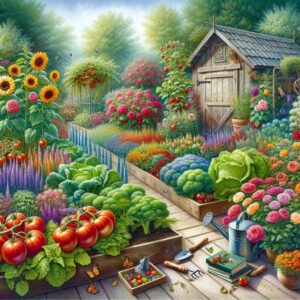
Window gardens are not just for show; they’re lifelines for urban bees. By planting a variety of flowers and herbs, you’re creating a smorgasbord for bees right outside your window. And when bees visit, they’re not just feeding themselves; they’re helping your plants to reproduce by transferring pollen. This results in more lush and productive gardens – a win-win for everyone.
Making Room: Constructing Your Urban Bee Hotel

So, how do we roll out the welcome mat for these winged wonders? It starts with building a bee hotel, a sanctuary where bees can nest and nurture their next generation. It’s like crafting a miniature condo complex, with each room tailored to the needs of different bee guests.
Choosing the Right Location
Location is everything. You want your bee hotel to be the hottest property on the block. Here’s what to look for:
-
Sunshine: Aim for a spot that gets morning sun but is shielded from the harshest afternoon rays.
-
Shelter: Protection from wind and rain will keep the hotel’s occupants cozy and dry.
-
No Pesticides: Keep your bee hotel away from areas that are treated with chemicals.
Remember, bees are looking for a safe neighborhood, just like we do. So, choose a spot that ticks all these boxes, and you’ll have bees buzzing in no time.
Materials You’ll Need
Building a bee hotel is easier than you think, and you don’t need to break the bank to do it. Here’s what you’ll need:
-
Untreated wood or logs
-
Bamboo canes or hollow stems
-
Drill with various sized bits
-
Natural binding materials like twine or clay
These materials are often readily available and eco-friendly, ensuring your bee hotel is both sustainable and inviting.
Blueprints for Bee Bliss

When designing your bee hotel, think diversity. Different species prefer different sized holes, so vary the drill bit sizes between 2mm to 10mm in diameter. Drill holes about 3 to 5 inches deep into blocks of wood, or bundle bamboo canes of varying diameters. The key is to ensure the holes are smooth and free from splinters that could harm delicate bee wings.
Stack your materials into a sturdy frame, and voilà, you’ve got yourself a bee hotel. Just hang it up in your chosen spot, and watch as your new guests check-in.
Solitary Bees: The Main Visitors
Most guests checking into your bee hotel won’t be bringing any plus-ones. Solitary bees, which make up the majority of bee species, prefer living alone over buzzing in a hive. Mason bees and leafcutter bees are some of the most common tenants. These hardworking pollinators are non-aggressive and excellent for your garden, as they tend to stay close to their nesting site. By providing a range of hole sizes in your bee hotel, you cater to various species, each with their unique nesting preferences.
Other Beneficial Guests
Your bee hotel might also attract other helpful visitors. Ladybugs and lacewings, for example, can take up residence and help control pests that might otherwise damage your garden plants. By welcoming a diverse group of insects, you’re fostering a balanced ecosystem right outside your window.
It’s not just about bees; it’s about building a community. And like any good landlord, you’ll want to keep an eye on who’s moving in and out to ensure everyone’s living harmoniously together.
Care and Maintenance: Keeping Your Bee Hotel Buzz-worthy
Just like any hotel, your bee abode requires upkeep to remain an attractive destination. You’ll need to monitor for signs of wear and tear or damage from weather and predators. It’s also important to keep an eye out for mold and parasites, which can harm the bees. A clean hotel is a busy hotel, so regular maintenance is key.
Most importantly, never use pesticides or chemicals near your bee hotel. These can be lethal to your pollinator pals and defeat the purpose of your eco-friendly efforts.
Regular Check-ups
Every few weeks, take a peek at your bee hotel. Check that the tubes and holes are clear, and gently clean out any debris. If you notice any signs of disease or parasites, like mites, you may need to replace some of the materials. Keeping a natural, safe environment is crucial for the health of the bees.
Seasonal Upkeep Tips

As the seasons change, so do the needs of your bee hotel. In spring and summer, bees are most active, so this is when you should be most vigilant. Come fall, you’ll want to prepare the hotel for overwintering bees. This might mean relocating the hotel to a sheltered area or adding extra insulation. When winter rolls around, let the hotel be; this is the bees’ downtime, and disturbances can be harmful.
From Bees to Blooms: The Pollination Perks for Window Gardeners
Your window garden is more than just a splash of green; it’s a lifeline for urban bees. And when you invite bees in, they repay you by pollinating your plants. This isn’t just good for the bees; it’s great for your garden. Pollinated plants are healthier, more vibrant, and yield more fruit and flowers. It’s a beautiful partnership where everyone benefits.
But it’s not just about what bees can do for us. By providing a safe haven for these pollinators, we’re helping to sustain urban biodiversity. This is critical as natural habitats become more scarce, and the need for green spaces in cities becomes more apparent.
Therefore, when you build a bee hotel, you’re not just gardening; you’re actively participating in urban conservation. It’s a small act with a big impact, and it all starts with a simple structure on your window ledge.
Understanding Pollination
Pollination is the transfer of pollen from the male part of a flower to the female part, resulting in fertilization and the production of seeds. Bees are among the most effective pollinators because they are attracted to flowers for nectar and pollen, which they use as food. In their search for these resources, they inadvertently transfer pollen and help plants reproduce.
-
Bees land on flowers and collect nectar and pollen.
-
Pollen sticks to the bees’ hairy bodies.
-
As bees move from flower to flower, they deposit pollen on the pistils, the female reproductive organs of the plants.
This process is essential for the reproduction of many plants, and therefore, the food supply for humans and other animals.
Boosting Plant Health and Yield
Plants that are visited by bees tend to produce larger and more uniform fruits and vegetables. They’re also more likely to have a higher success rate in seed production, ensuring that your window garden continues to flourish year after year. In essence, bees don’t just bring life to your garden; they enhance its quality and longevity.
Community Impact: More Than Just a Garden Addition
Bee hotels do more than just bolster your own gardening efforts; they have the power to educate and inspire the community. They serve as a living lab, showcasing the importance of pollinators and the simple ways we can support them. It’s about sparking curiosity and fostering a connection with the natural world, even in the heart of the city.
Besides that, they can become a focal point for community initiatives, like local gardening clubs or school projects, creating a ripple effect of environmental awareness and action.
Educational Opportunities
Imagine a school group observing the coming and going of bees at your window garden’s bee hotel. It’s a hands-on lesson in ecology, biology, and environmental stewardship. Bee hotels can also be a springboard for discussions on sustainability, food systems, and the importance of biodiversity. It’s a real-world example of how individual actions can have a broader impact. For a practical guide on engaging young minds, explore our kids’ pollinator garden guide for fun and easy steps to build a thriving garden ecosystem.
Imagine a school group observing the coming and going of bees at your window garden’s bee hotel. It’s a hands-on lesson in ecology, biology, and environmental stewardship. Bee hotels can also be a springboard for discussions on sustainability, food systems, and the importance of biodiversity. It’s a real-world example of how individual actions can have a broader impact.
Creating a Buzz: Inspiring Others
When your neighbors see the buzz of activity around your bee hotel, it’s bound to spark interest. This can lead to conversations about the importance of bees and how easy it is to support them. By sharing your experiences and the benefits you’ve seen, you can inspire others to create their own bee hotels, leading to a network of pollinator-friendly spaces throughout the urban landscape.
FAQs: All Abuzz About Bee Hotels
As with any new venture, you’re bound to have questions. Let’s dive into some common queries to ensure your bee hotel is a resounding success.
How do I attract bees to my urban bee hotel?
To attract bees, you need to provide what they’re looking for – nesting sites and food. Place your bee hotel in a sunny, sheltered spot and plant a variety of flowering plants that bloom at different times of the year. This ensures a steady supply of nectar and pollen for your buzzing guests.
What are the best plants for my window garden to support pollinators?
Opt for a mix of native plants and flowers known for their high nectar and pollen content. Some bee-friendly options include lavender, sage, and borage. Remember, the key is variety; aim for plants that bloom in different seasons to provide year-round sustenance for the bees.
How large should my bee hotel be?
The size of your bee hotel can vary depending on the space available and the number of bees you aim to support. A small hotel is fine for a few solitary bees, but if you have the space, a larger hotel can support a greater diversity of species.
Are bee hotels safe for pets and children?
Absolutely. Solitary bees are non-aggressive and unlikely to sting unless handled roughly or threatened. It’s perfectly safe to have a bee hotel in a family garden, as long as it’s placed out of direct reach to avoid any accidental disturbances.
How do I protect my bee hotel from pests?
Good maintenance is key to keeping pests at bay. Regularly check for signs of mites or mold, and clean out old nesting materials at the end of the season. If you notice any issues, address them promptly to keep your bee hotel a safe haven for its inhabitants. For more detailed guidance, consider reading our beehive maintenance guide which covers seasonal care tips.
In conclusion, urban bee hotels are more than just a hobby; they’re a small but mighty force for environmental good. They provide essential habitats for pollinators, support the biodiversity of our cities, and offer a unique opportunity to connect with nature. By following these steps and maintaining your bee hotel, you’re not just cultivating a garden – you’re nurturing a vibrant ecosystem for future generations to enjoy.