
Key Takeaways
Leafcutter bees are active for 4-6 weeks in the summer, spending the rest of their lives in their nesting chambers.
They overwinter as dormant larvae and emerge in late spring or early summer.
Leafcutter bees prefer nesting in cavities such as hollow stems or tunnels, which can be replicated with artificial nests.
Females lay eggs in nests, and larvae spin cocoons, overwinter, and develop into mature bees.
Proper placement and maintenance of bee houses are crucial for the health and productivity of leafcutter bees.
The Lifecycle of Leafcutter Bees: What to Expect in Your Bee House
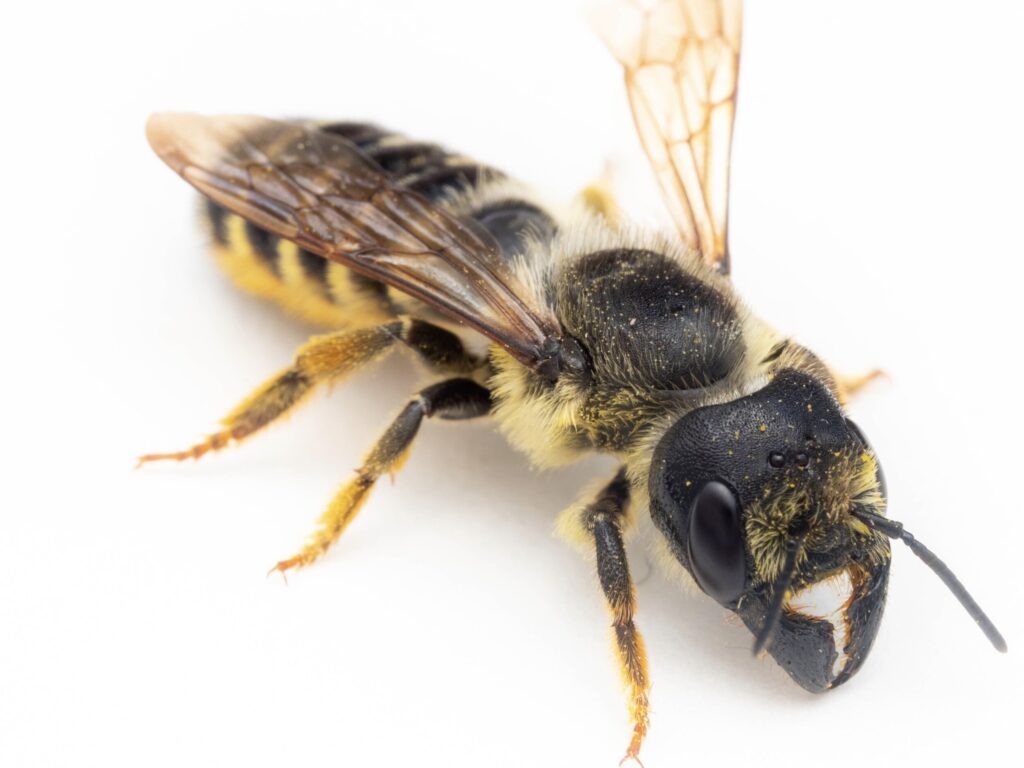
“Pugnacious Leafcutter Bee …” from www.beeandbloom.com
What to Expect from Leafcutter Bees
Leafcutter bees are fascinating creatures that play a crucial role in pollination. Unlike honeybees, they are solitary and do not live in colonies. Instead, each female constructs her own nest and takes care of her offspring independently. Because of this unique behavior, they are excellent for backyard pollination and are relatively easy to manage.
Leafcutter bees are only active in your garden for about 4-6 weeks during the summer. The rest of their lifecycle happens inside their nesting chambers, where they eat, grow, spin cocoons, and overwinter as mature larvae. When spring arrives, they emerge, mate, and start the cycle anew.
Bee House Habitat Essentials
Creating a suitable habitat for leafcutter bees is essential for their survival and productivity. These bees are cavity nesters, meaning they prefer to nest in hollow stems of plants or tunnels made by wood-boring insects. You can replicate this natural habitat by providing artificial nests made of wood trays, bundles of cardboard straws, or natural reeds.
When setting up a bee house, consider the following essentials: bee knowledge.
Nesting materials: Use materials that mimic natural cavities, such as wood trays or cardboard straws.
Protection: Ensure the bee house is sheltered from extreme weather conditions and predators.
Maintenance: Regularly clean and replace nesting materials to prevent disease and parasite buildup.
Setting Up Your Bee House
Setting up a bee house is a straightforward process that requires attention to detail. Start by choosing the right location. Leafcutter bees prefer sunny spots, so place the bee house where it gets plenty of sunlight but is also protected from the wind. For more tips, check out our guide on attracting leafcutter bees.
Optimal Placement
Placement is crucial for the success of your bee house. Leafcutter bees thrive in environments where the temperature is consistent and not too extreme. Therefore, it’s best to place the bee house in a shaded area during the hottest part of the day to prevent overheating.
Nesting Materials
Leafcutter bees require specific nesting materials to thrive. Wood trays with pre-drilled holes are a popular choice. These trays should have holes that are about 6 inches deep and 6 mm in diameter. This mimics the natural nesting sites that leafcutter bees prefer, such as hollow plant stems or tunnels created by wood-boring insects. For more information on creating the perfect habitat, check out this DIY cedar bee house guide.
Another excellent option is using bundles of cardboard straws or natural reeds. These materials offer a similar structure to what the bees would find in the wild. When using these materials, make sure to seal the back end of each cavity. This helps protect the bees from predators and adverse weather conditions, increasing their chances of survival.
Stages of the Leafcutter Bee Lifecycle
The lifecycle of a leafcutter bee is a fascinating journey that includes several distinct stages. Understanding these stages can help you better manage your bee house and ensure the health and productivity of your bees. The main stages include emergence and mating, nesting and egg laying, larvae and pupal stages, and overwintering.
Emergence and Mating
In late spring or early summer, leafcutter bees emerge from their overwintering state as mature larvae. The warming temperatures signal the bees that it’s time to come out and start their active phase. Once they emerge, the first task is to mate.
Males typically emerge a few days before females and wait near the nesting sites. When the females emerge, mating occurs quickly. The male’s primary role is to fertilize the female, after which he soon dies. The females then move on to the next critical stage: nesting and egg laying.
Nesting and Egg Laying
After mating, the female leafcutter bee begins the process of building her nest. She searches for suitable cavities, inspecting various sites to find the perfect spot. Once she selects a cavity, she starts by collecting pieces of leaves, which she cuts into precise shapes using her mandibles. These leaf pieces are used to line the nest, creating individual cells for each egg. Learn more about the life cycle of the leafcutter bee.
Inside each cell, the female deposits a mixture of nectar and pollen, which will serve as food for the larvae. She then lays a single egg on top of this food supply and seals the cell with more leaf pieces. This process is repeated until the entire cavity is filled with sealed cells, each containing an egg and its food supply. For more information on how to attract leafcutter bees, check out our detailed guide.
Larvae and Pupal Stages
Once the eggs hatch, the larvae begin feeding on the nectar and pollen provided by the mother. This stage is crucial for their growth and development. The larvae consume the food supply over several weeks, growing rapidly during this time.
After they have consumed all the food, the larvae spin cocoons around themselves. Inside these cocoons, they enter the pupal stage, where they undergo metamorphosis. This transformation period is when they develop into mature bees, ready to emerge the following spring or summer. Learn more about attracting leafcutter bees to your garden.
Overwintering Process
Leafcutter bees spend the winter months in a dormant state inside their cocoons. During this time, they are highly vulnerable to temperature fluctuations and predators. Therefore, it’s essential to ensure that their nesting sites are well-protected and insulated.
Temperatures below 50°F (10°C) keep the bees in their dormant state, preventing premature emergence. As the weather warms up in the spring, the bees will begin to emerge, starting the lifecycle anew.
Seasonal Expectations and Maintenance Tips
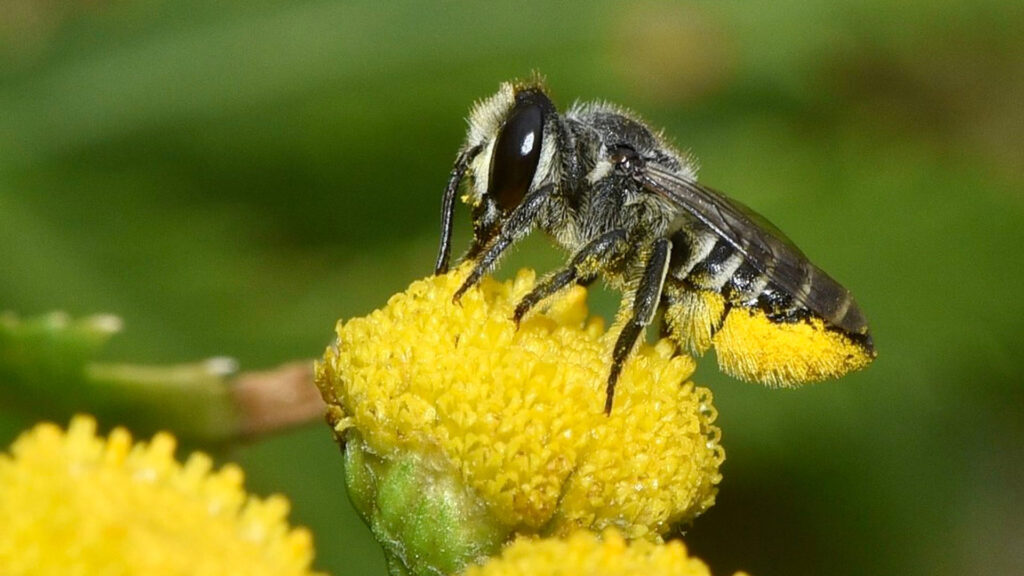
“Leaf cutter bees play key role for …” from news.azpm.org
Managing a bee house requires ongoing attention and care. Here are some seasonal expectations and maintenance tips to ensure the health and productivity of your leafcutter bees:
Spring: Monitor the bee house for emerging bees and ensure the nesting materials are clean and dry.
Summer: Watch for signs of nesting activity and provide additional nesting materials if needed. Ensure the bee house is shaded during he hottest part of the day.
Fall: Check for any unsealed cells and clean out old nesting materials. Store the bee house in a cool, dry place for the winter.
Winter: Keep the bee house in a location where temperatures remain stable and above freezing. This helps protect the dormant larvae from temperature extremes.
Cleaning and Replacing Nesting Materials
Maintaining a clean and healthy environment for your leafcutter bees is crucial for their survival and productivity. Over time, nesting materials can become contaminated with parasites, mold, or old cocoons, which can harm the bees. Therefore, regular cleaning and replacement of nesting materials are essential tasks for any beekeeping enthusiast.
Start by carefully removing the old nesting materials from the bee house. Inspect each cavity for signs of contamination or damage. If you notice any mold, parasites, or old cocoons, discard the affected materials and replace them with fresh ones. Use a soft brush to clean the cavities and remove any debris. This will help prevent the spread of disease and ensure a healthy environment for the bees.
It’s best to perform this maintenance at the end of the season, after the bees have finished nesting and before they enter their dormant state. This way, you can be sure that the new nesting materials are clean and ready for the next generation of leafcutter bees.
Promoting Bee Activity in Your Garden
Besides providing a suitable habitat, there are several other ways to promote bee activity in your garden. Planting a variety of flowers that bloom at different times of the year can provide a continuous food source for the bees. Leafcutter bees are particularly fond of flowers with open blooms, such as daisies, sunflowers, and asters. For more tips, check out our guide on attracting leafcutter bees.
In addition to flowers, consider planting native plants that are well-adapted to your local climate and soil conditions. Native plants are more likely to attract local bee species and provide the necessary resources for their survival. Avoid using pesticides and herbicides in your garden, as these chemicals can harm bees and other beneficial insects.
Common Challenges and Solutions
Beekeeping, like any other hobby, comes with its own set of challenges. Here are some common issues you might encounter and how to address them:
Predators: Birds, ants, and other insects can prey on leafcutter bees and their larvae. To protect your bees, place the bee house in a location that is less accessible to predators and use fine mesh or netting to cover the entrance.
Temperature Extremes: Leafcutter bees are sensitive to temperature fluctuations. Ensure the bee house is placed in a shaded area during the hottest part of the day and is well-insulated during the winter months.
Disease and Parasites: Regularly clean and replace nesting materials to prevent the buildup of mold, mites, and other parasites. Inspect the bee house frequently and take action at the first sign of trouble.
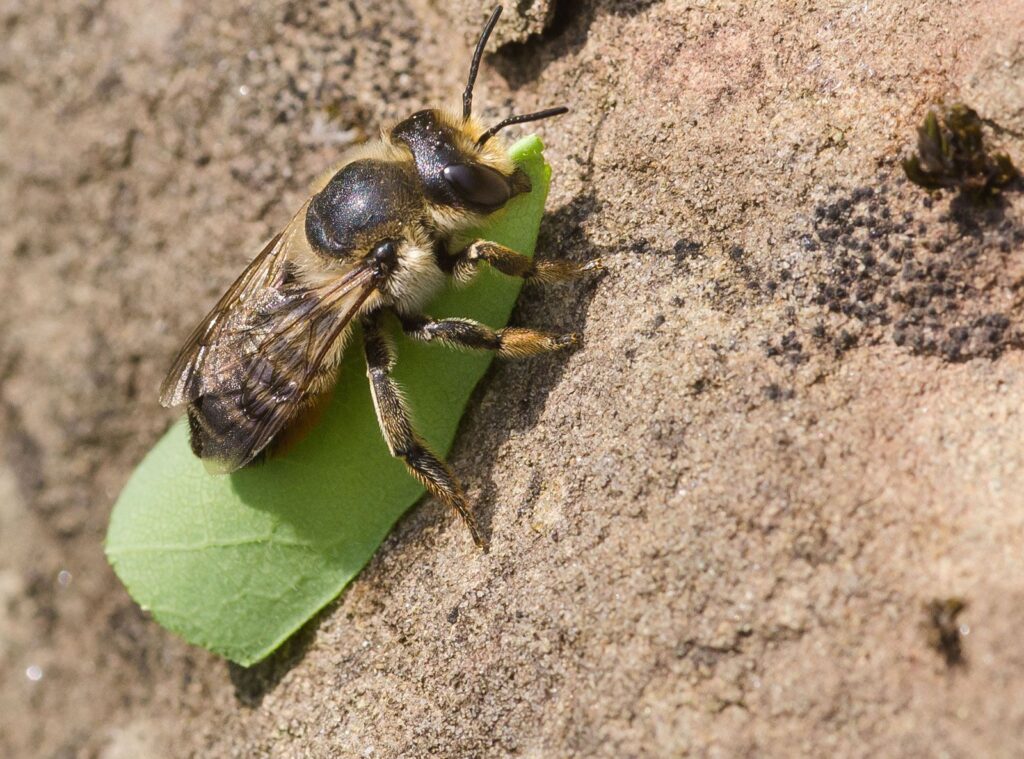
“Leaf-cutter bee | Description, Life …” from www.britannica.com
Frequently Asked Questions (FAQ)
Here are some common questions about leafcutter bees and their lifecycle:
How long do leafcutter bees live?
Leafcutter bees typically live for about 4-6 weeks during their active phase in the summer. However, they spend the majority of their lives in their nesting chambers, where they overwinter as dormant larvae and develop into mature bees.
What should I do if I don’t see bees in my bee house?
If you don’t see any activity in your bee house, there could be several reasons. First, check the placement of the bee house. Ensure it’s in a sunny spot and protected from wind and predators. Also, make sure the nesting materials are clean and suitable for leafcutter bees. If the conditions are right and you still don’t see any bees, it might simply be a matter of timing. Leafcutter bees are only active for a few weeks each year, so you might need to wait until the next season for them to appear.
By understanding the lifecycle and needs of leafcutter bees, you can create a thriving environment for these important pollinators in your garden. With proper care and attention, your bee house can become a hub of activity, contributing to the health and productivity of your garden.
Leafcutter bees are fascinating insects known for their unique nesting behavior. They use pieces of leaves to create protective cells for their larvae. Understanding their lifecycle is crucial for anyone interested in maintaining a healthy bee house habitat. From egg to adult, these bees go through several stages, each with specific needs and behaviors. Properly setting up a bee house can significantly impact the survival and productivity of leafcutter bees.




Leave a Reply